

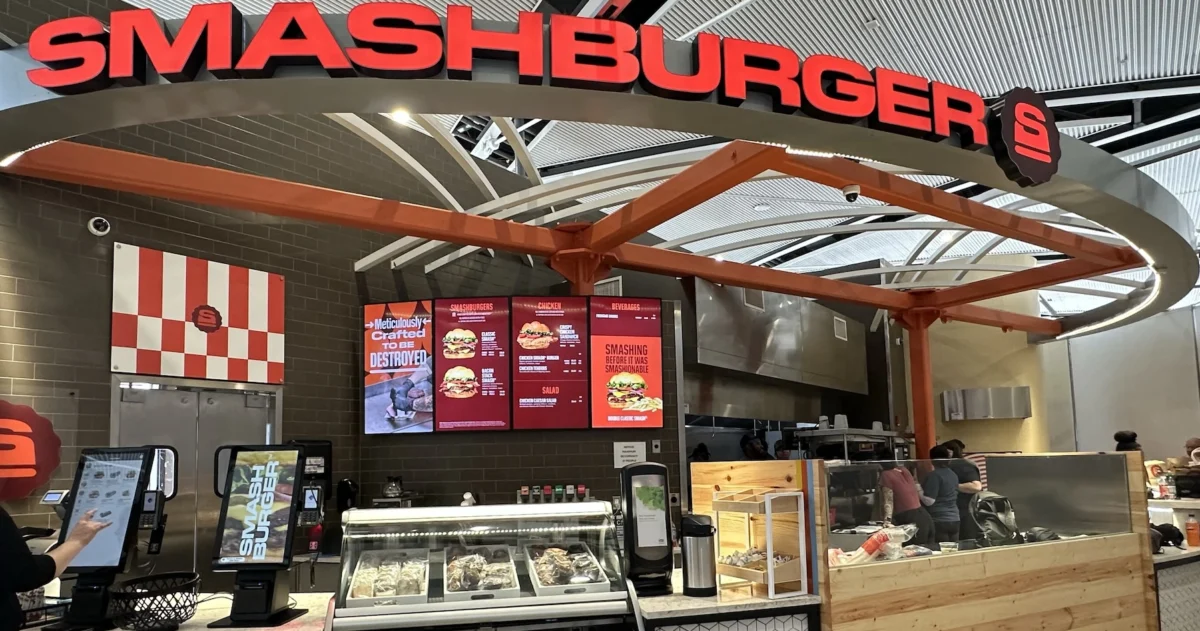
Smashburger has announced a significant restructuring of its leadership team, naming Kate Savelli as its new Chief Marketing Officer, Theresa Vitale as Director of Non-Traditional Franchise Development, and Jack Reed as Vice President of Western Operations. This strategic appointment of a trio of seasoned executives signals the fast-casual burger chain’s commitment to reigniting brand growth and expanding its market presence in a highly competitive landscape. The changes come at a critical juncture for the Denver-based company, which has faced market headwinds in recent years.
Strategic Leadership for a Shifting Market
The appointment of Kate Savelli as Chief Marketing Officer is a key move aimed at revitalizing Smashburger’s brand messaging and consumer engagement. Savelli brings a wealth of experience from her previous role as Director of Brand and Performance Marketing at Bagel Brands, the parent company of well-known chains like Einstein Bros. Bagels and Bruegger’s Bagels. During her four-year tenure, she was instrumental in shaping brand identity and driving performance marketing initiatives, demonstrating a strong ability to navigate and succeed within the broader fast-casual dining sector.
Jim Sullivan, CEO of Smashburger, expressed his confidence in Savelli’s capabilities, describing her as "a dynamic marketing leader with a strong track record of building brands, driving innovation, and powerful storytelling." This endorsement highlights the company’s expectation that Savelli will be pivotal in crafting compelling narratives and innovative campaigns that resonate with today’s consumers. In an era where brand perception and effective communication are paramount, Savelli’s expertise in performance marketing is expected to translate into measurable gains in customer acquisition and loyalty.
Expanding Horizons: Non-Traditional Development and Regional Strength
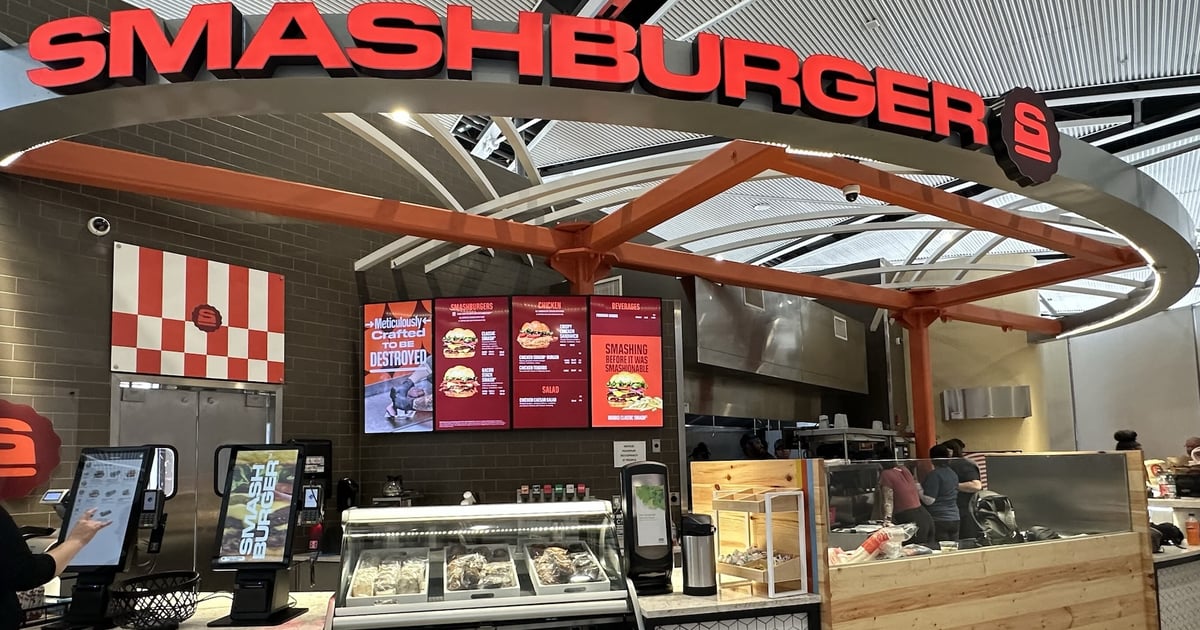
The addition of Theresa Vitale as Director of Non-Traditional Franchise Development and Jack Reed as Vice President of Western Operations underscores Smashburger’s forward-looking strategy. The company is not only focused on its core business but is also actively seeking new avenues for growth, particularly through non-traditional locations. These can include airports, universities, and other high-traffic venues that offer unique opportunities for brand visibility and customer reach.
Vitale’s background includes significant experience with major players in the food and beverage industry, having held positions at Inspire Brands, Caribou Coffee, and Starbucks. This diverse experience suggests a deep understanding of franchise operations, brand partnerships, and the intricacies of developing business in varied commercial environments. Her role will be crucial in identifying and securing these non-traditional franchise opportunities, thereby diversifying Smashburger’s footprint beyond traditional standalone restaurants.
Concurrently, Jack Reed’s appointment as Vice President of Western Operations signals a focused effort on strengthening the company’s presence and performance in a key geographical region. Reed’s prior experience at established brands like Bar Louie and Steak ‘n Shake equips him with the operational acumen necessary to oversee and optimize performance across a significant portion of Smashburger’s network. This regional focus is essential for tailoring strategies to local market conditions and consumer preferences, a critical factor for success in the fragmented fast-casual market.
Context of Industry Challenges and Company Trajectory
Smashburger, which is a subsidiary of the Philippines-based Jollibee Corporation, has navigated a challenging period in the fast-casual burger segment. The industry has been characterized by intense competition from both established giants and emerging concepts, alongside evolving consumer tastes and economic pressures. According to data from Technomic, a sibling company to Restaurant Business, Smashburger experienced a decline in U.S. system sales of nearly 11% in 2025. This figure underscores the imperative for strategic leadership changes and a renewed focus on growth initiatives.
The fast-casual burger market, in particular, faces a dynamic environment. Consumers are increasingly seeking value, quality ingredients, and unique dining experiences. The rise of ghost kitchens and the continued growth of delivery services have also reshaped the competitive landscape, forcing brands to adapt their operational models and marketing strategies. Smashburger’s recent executive appointments can be viewed as a proactive response to these market realities, aiming to equip the company with the leadership necessary to not only stabilize but also accelerate its growth trajectory.
A Renewed Push for Expansion
The strategic hires are directly linked to Smashburger’s ambitious development plans for the coming years. The company has set a target of opening up to 12 new locations by the end of 2026. This expansion strategy is designed to increase the brand’s visibility, reach new customer bases, and capitalize on opportunities for market penetration. Vitale and Reed are specifically tasked with supporting this expansion, with Vitale focusing on unlocking new franchise partnerships and Reed ensuring operational excellence across the western United States.
This planned expansion is a clear indication of the company’s commitment to growth and its belief in the long-term potential of the Smashburger brand. By strategically investing in leadership and development, the company aims to overcome past challenges and position itself for future success. The success of these new initiatives will be closely watched by industry analysts and competitors alike, as they represent a significant pivot for the brand.
The Importance of Leadership in Brand Revival
The appointment of a new CMO and key operational leaders is more than just a reshuffling of titles; it represents a strategic reorientation for Smashburger. In an industry where brand perception is fluid and customer loyalty must be earned continuously, strong marketing leadership is essential. Kate Savelli’s mandate will likely involve a comprehensive review of Smashburger’s brand positioning, menu innovation, digital marketing strategies, and customer experience initiatives. Her experience in performance marketing suggests a data-driven approach, focusing on measurable results and return on investment for marketing expenditures.
Similarly, the focus on non-traditional franchise development and regional operational strength highlights a pragmatic approach to growth. Non-traditional locations often offer lower overhead and higher foot traffic, providing a more efficient path to expansion. Strengthening regional operations ensures that existing markets are performing optimally and that new openings are supported by robust operational frameworks. This dual focus on strategic expansion and operational efficiency is crucial for sustainable growth in the current economic climate.
Broader Implications for the Fast-Casual Sector
The executive changes at Smashburger are indicative of broader trends within the fast-casual dining industry. As the market matures and competition intensifies, companies are increasingly looking to specialized leadership to navigate complex challenges and capitalize on emerging opportunities. The emphasis on non-traditional development, data-driven marketing, and regional operational expertise reflects a sophisticated approach to business strategy.
For investors and observers of the restaurant sector, these moves signal a renewed focus on performance and growth from Jollibee Corporation’s U.S. burger brand. The success of Savelli, Vitale, and Reed in their new roles will be critical not only for Smashburger but also for Jollibee’s overall strategy in the North American market. Their ability to execute on the company’s growth objectives and to effectively address market challenges will be a key determinant of Smashburger’s future trajectory.
The coming months will reveal the immediate impact of these leadership appointments. Smashburger’s ability to leverage its new executive talent to drive innovation, expand its footprint, and enhance its brand appeal will be closely scrutinized. The company’s commitment to growth, underscored by its expansion targets and strategic hires, suggests a determined effort to reclaim its position and thrive in the dynamic fast-casual dining landscape. The strategic infusion of experienced leadership signals a clear intention to move forward with renewed vigor and a focused approach to market challenges and opportunities.
