

The National Capital Region (NCR), spanning the urban centers of Ottawa, Ontario, and Gatineau, Quebec, has emerged as a significant hub for gluten-free culinary innovation. Following a two-year longitudinal study of the region’s food landscape—including one year based in Aylmer, Quebec, and another in the heart of Ottawa—culinary researchers and local advocates have identified a robust network of establishments capable of safely serving celiac diners. This comprehensive analysis distinguishes between dedicated gluten-free facilities and restaurants with rigorous cross-contamination protocols, providing a vital resource for the estimated 1 in 114 Canadians living with celiac disease.

As the Canadian gluten-free market continues its upward trajectory—a sector valued globally at approximately $6.5 billion in 2022—the NCR’s hospitality industry is adapting to meet the demands of health-conscious and medically restricted consumers. While major metropolitan areas like Montreal and Toronto have historically led this niche, Ottawa’s current trajectory suggests a maturing market characterized by family-owned bakeries, innovative food trucks, and high-end international cuisine that prioritizes food safety without compromising on flavor.

The Gold Standard: Dedicated Gluten-Free Facilities
For individuals with celiac disease, an autoimmune condition where the ingestion of gluten leads to damage in the small intestine, the risk of cross-contact in a shared kitchen is a primary concern. Establishments that operate 100% gluten-free facilities represent the highest tier of safety.

Strawberry Blonde Bakery
A cornerstone of the Westboro community, Strawberry Blonde Bakery operates as a vegan, nut-free, kosher, and gluten-free facility. With its primary location at 111 Richmond Road, the bakery has expanded to multiple outlets to meet rising demand. Their business model includes custom cake production, seasonal holiday menus, and a staple line of Nanaimo bars and brownies. Notably, the bakery has implemented a nationwide shipping strategy, reflecting the broader trend of local specialty shops transitioning into e-commerce to ensure long-term viability.

Gutsies and The Tortilla Maker
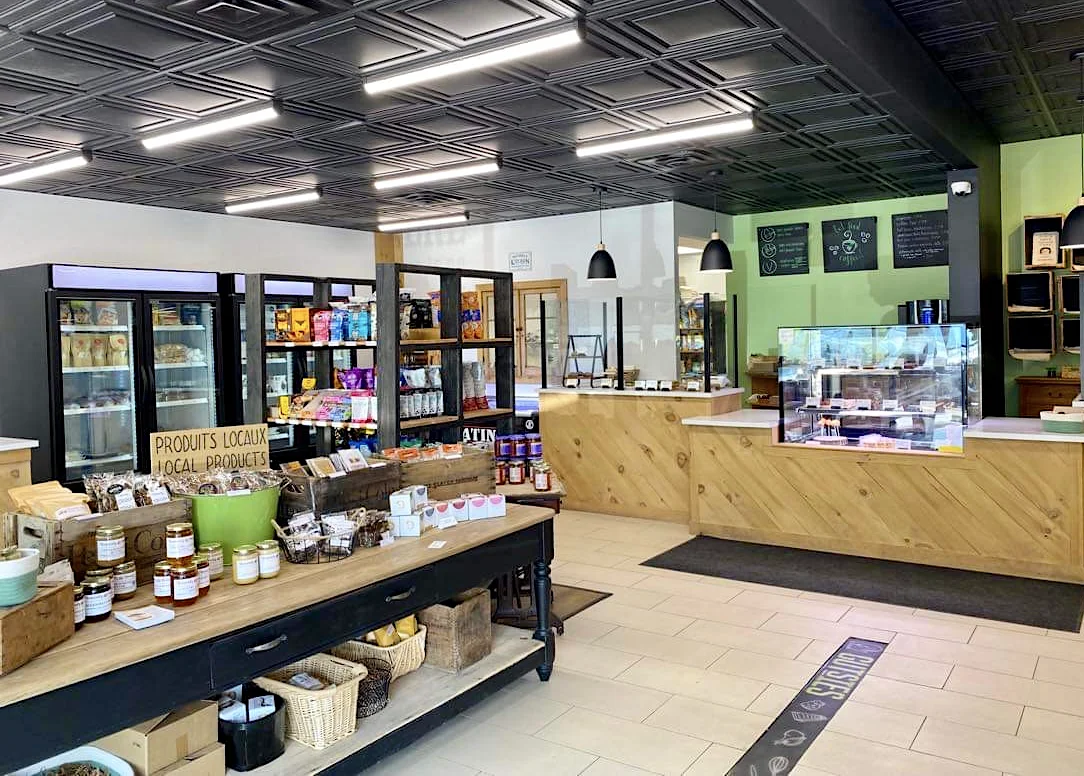
Located in Orléans, Gutsies serves a dual purpose as both a bakery and a specialty grocery store. The shop curates hard-to-find gluten-free items from major hubs like Montreal and Toronto, acting as a regional distributor for high-quality frozen goods such as croissants from La Marquise Sans Gluten. Directly adjacent, The Tortilla Maker of Canada, founded by Miguel Angel Jiménez Reyes, provides freshly made corn tortillas and tamales. These businesses highlight a localized "cluster effect," where multiple health-oriented vendors congregate to create a destination for restricted-diet shoppers.

2 Sprinkles (Formerly 5 Cupcakes)
Reflecting the dynamic nature of the small business landscape in the NCR, 2 Sprinkles recently underwent a full rebranding. Operating primarily through online orders and a presence at the Lansdowne Farmers’ Market, the bakery specializes in baked donuts, pizza buns, and artisanal breads. Their success underscores the importance of the "market-to-brick-and-mortar" pipeline that defines much of Ottawa’s current food culture.

International Flavors and Cross-Contamination Protocols
Beyond dedicated bakeries, the NCR boasts several international restaurants that have implemented strict protocols to accommodate celiac diners. These establishments often utilize dedicated fryers and separate preparation areas, which are essential for preventing the microscopic cross-contamination that can trigger autoimmune reactions.

Mediterranean and Greek Excellence
The Greek Souvlaki Shack on Bank Street has earned a reputation for its house-made gluten-free pita and dedicated fryer for calamari. Similarly, La Dolce Vita on Preston Street has achieved official Gluten-Free Certification from the Gluten-Free Food Program (GFFP). This certification involves rigorous third-party auditing of ingredients and kitchen processes, representing a professionalized approach to allergen management. Aroma Meze further complements this sector with a seasonal menu and dedicated gluten-free poutine options.

Southeast Asian and Indian Gastronomy
The complexity of Southeast Asian sauces often presents a challenge for celiac diners due to the prevalence of wheat-based soy sauce. However, establishments like Social Thai and Siam Bistro have trained staff to manage cross-contact risks effectively. Siam Bistro, currently located on Wellington Street West, has announced plans for a strategic expansion into the Glebe district at Lansdowne in autumn 2025.
In the realm of Indian cuisine, Thali and its sister restaurant Coconut Lagoon, led by Chef Joe Thottungal, provide menus where gluten-containing items are clearly marked—a reversal of the standard practice that facilitates easier navigation for celiac patrons. Other notable contributors include Sona Indian Kitchen and Taj Indian Cuisine, though experts advise patrons to always verify current fryer status, as operational changes can affect safety levels.

Regional Comfort Food: The Poutine Analysis
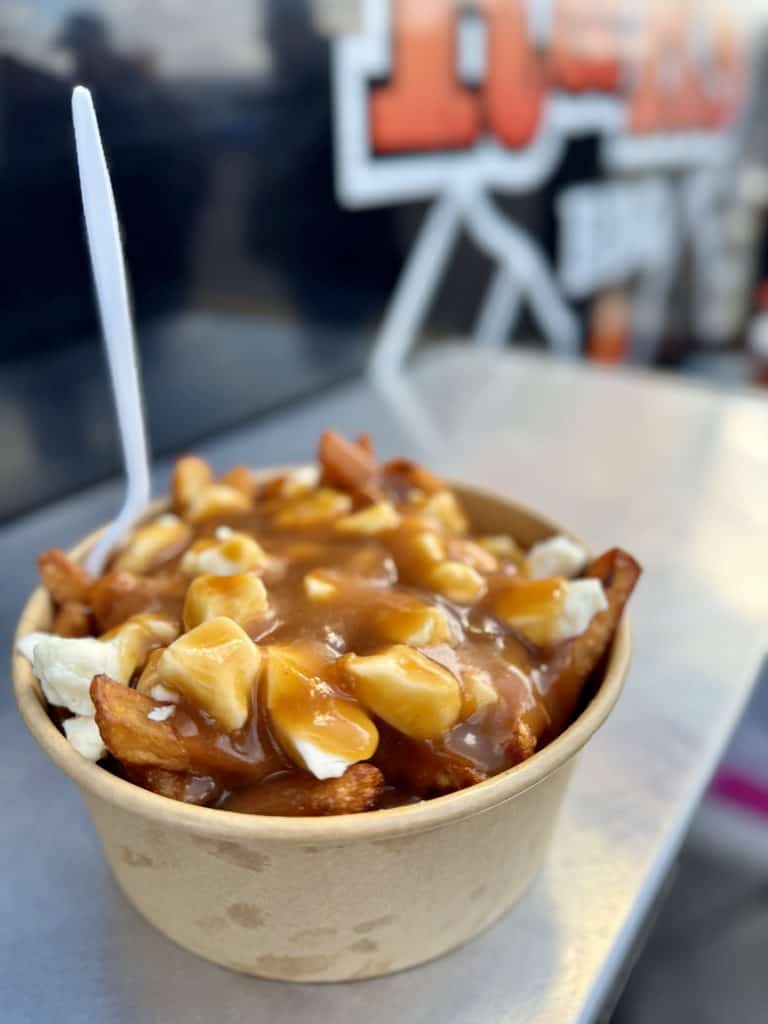
Poutine, a quintessential Canadian dish, is traditionally problematic for celiac diners due to the use of flour-thickened gravies and shared fryers. The NCR has seen a rise in "safe poutine" destinations that address these specific hurdles.

- Smokin’ RR’s (Stittsville): This establishment has transitioned to a nearly entirely gluten-free poutine menu, utilizing dedicated fryers and award-winning sauces.
- Patate Lou Lou (Aylmer): A staple on the Quebec side of the river, this spot offers gluten-free gravy and utilizes St-Albert’s cheese curds, maintaining the regional authenticity of the dish while ensuring medical safety.
- The Great Canadian Poutinerie: With multiple locations, this chain offers variety for those seeking non-traditional toppings, though purists often debate the flavor profile of the gluten-free gravy.
The Evolution of the Dessert and Ice Cream Sector
The NCR’s ice cream scene has become a leader in allergen awareness. Establishments such as The Merry Dairy and Moo Shu Ice Cream have institutionalized safety protocols, such as opening fresh tubs of ice cream and using sanitized scoops upon a celiac disclosure. Both shops offer house-made gluten-free waffle cones, a luxury rarely found in standard parlors. This attention to detail has turned these shops into case studies for how the hospitality industry can provide inclusive experiences without sacrificing artisanal quality.

Chronology of Regulatory and Market Shifts
The landscape of gluten-free dining in Ottawa has been shaped by several key milestones:
- 2012: Health Canada implements enhanced labeling regulations for allergens and gluten sources, requiring clear identification on pre-packaged foods.
- 2017-2019: A surge in dedicated gluten-free startups in the NCR, including the opening of Wolf Down and the expansion of Strawberry Blonde.
- 2020-2022: The COVID-19 pandemic forces many establishments to pivot to frozen, shippable goods and online-only models, inadvertently making high-quality gluten-free products more accessible to those outside urban centers.
- 2023-2024: Rebranding and consolidation phase, as seen with 2 Sprinkles and the growth of the Orléans "GF hub."
Broader Implications and Economic Impact
The growth of the gluten-free sector in the National Capital Region is more than a culinary trend; it is an economic necessity. Data from Celiac Canada suggests that the average celiac household spends significantly more on groceries and dining out than the general population. Establishments that invest in gluten-free certification or dedicated equipment often see a high return on investment through fierce customer loyalty.

Furthermore, the integration of gluten-free options into mainstream menus reflects a broader shift toward "universal design" in food service. When a restaurant makes its base sauces or fried items gluten-free by default—as seen with YKO Chicken BBQ or Little Mac’s—it reduces the operational complexity of managing multiple versions of the same dish while expanding its potential customer base.

Conclusion and Future Outlook
The National Capital Region has successfully positioned itself as a premier destination for celiac-safe dining. The combination of dedicated facilities and highly knowledgeable "gluten-friendly" establishments provides a level of security that allows residents and tourists alike to explore the region’s diverse flavors.

As the industry moves toward 2025, the expected opening of new high-profile locations and the continued success of regional pop-ups like Toronto-based The Bean Sprout suggest that the market is far from saturated. For the NCR, the commitment to food safety has become a defining characteristic of its modern culinary identity, ensuring that the table remains open to everyone, regardless of medical dietary requirements.
