

The recovery of personal digital archives stolen more than a decade ago has highlighted the complex intersection of technology, human ethics, and the psychological impact of chronic illness. Jodi Ettenberg, a former corporate lawyer and the founder of the influential travel website Legal Nomads, recently announced the return of a significant portion of her digital history, which had been missing since a 2010 burglary in Brooklyn, New York. This development comes as Ettenberg continues to navigate a debilitating medical condition known as a spinal cerebrospinal fluid (CSF) leak, a struggle that has reframed her public work toward patient advocacy and the study of "living grief."
The 2010 Brooklyn Burglary and Initial Loss
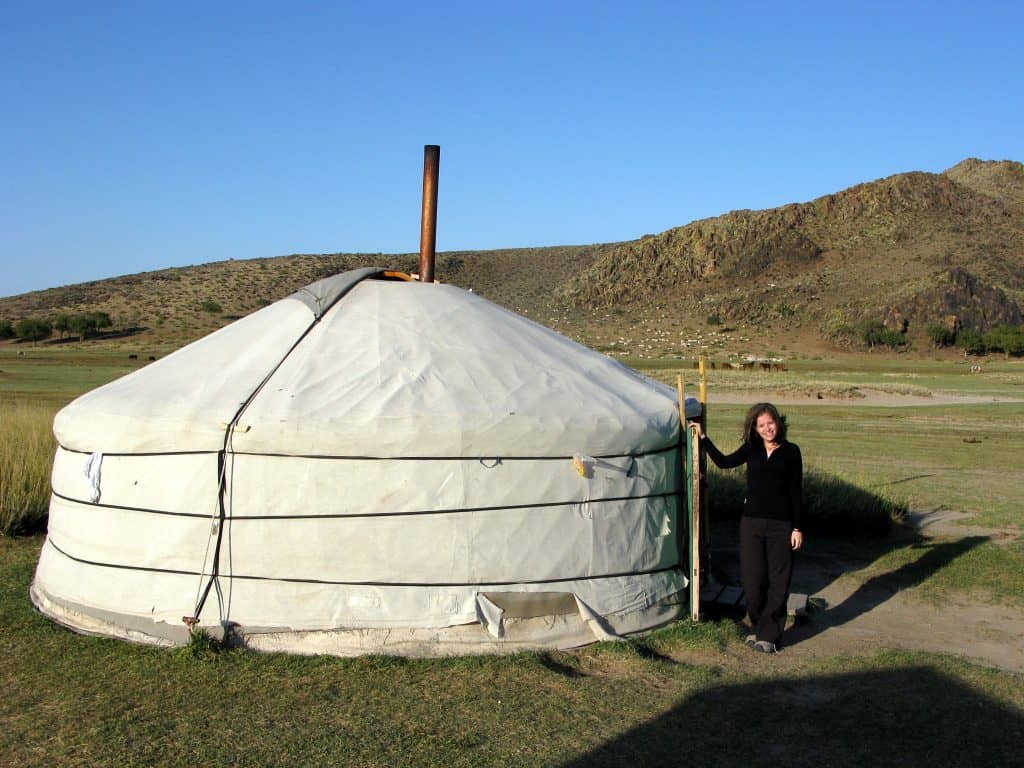
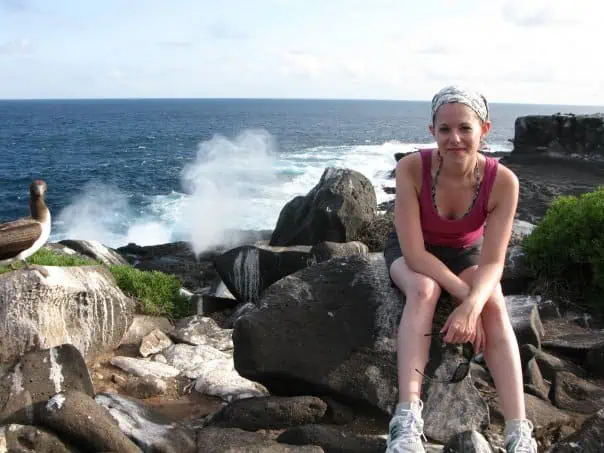
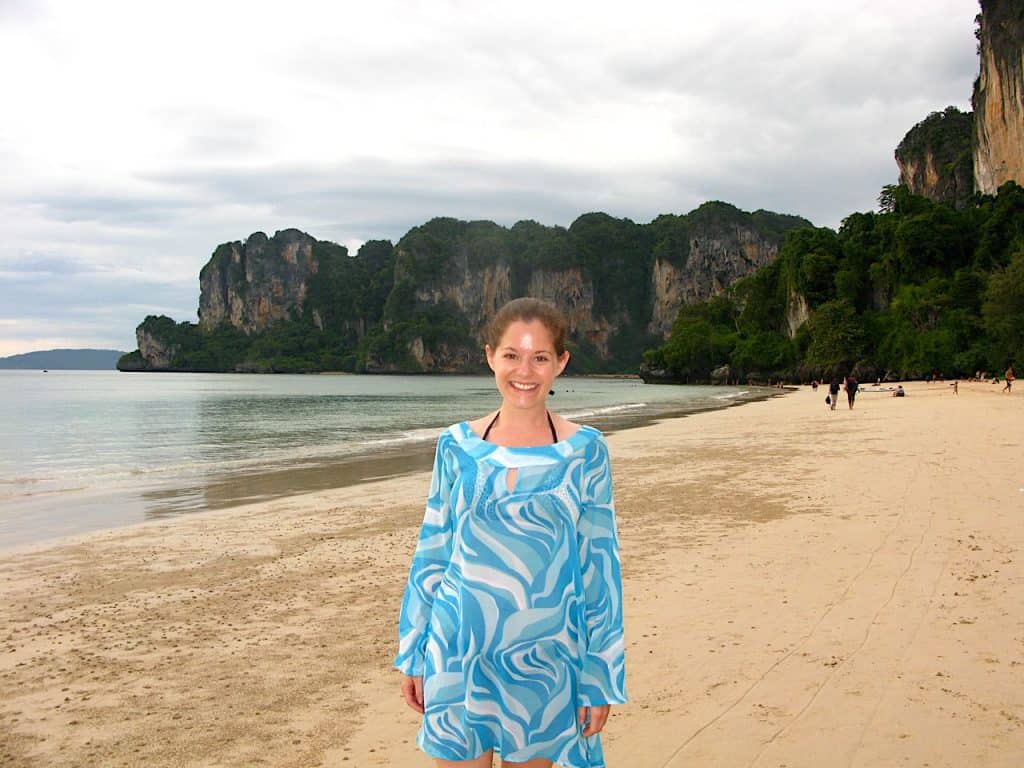
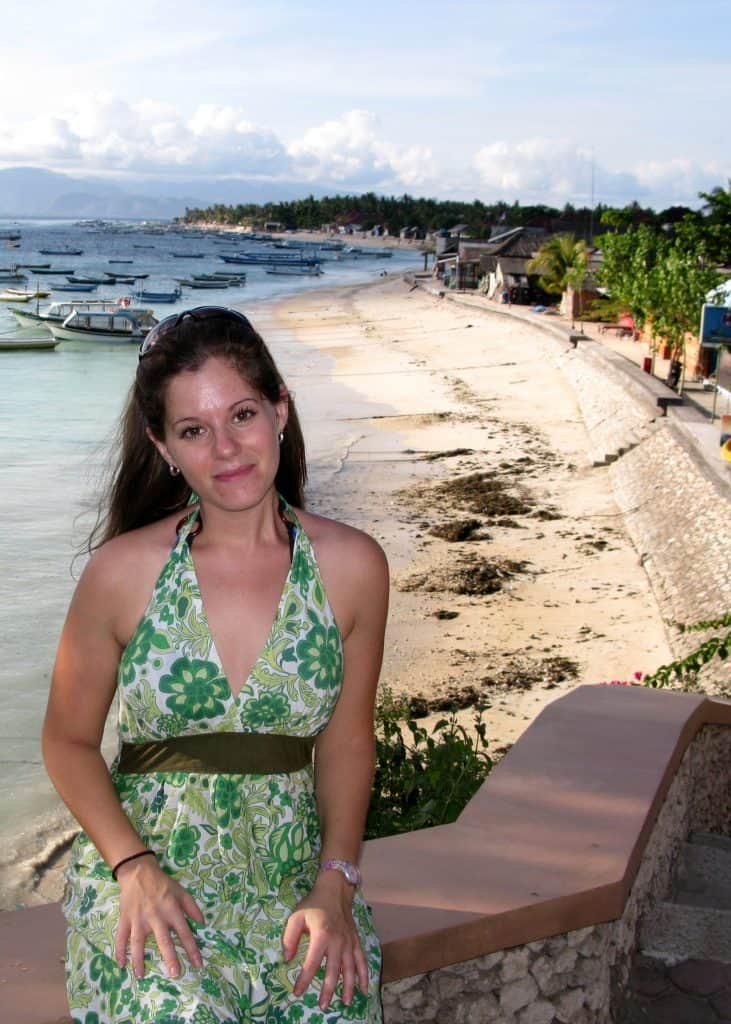
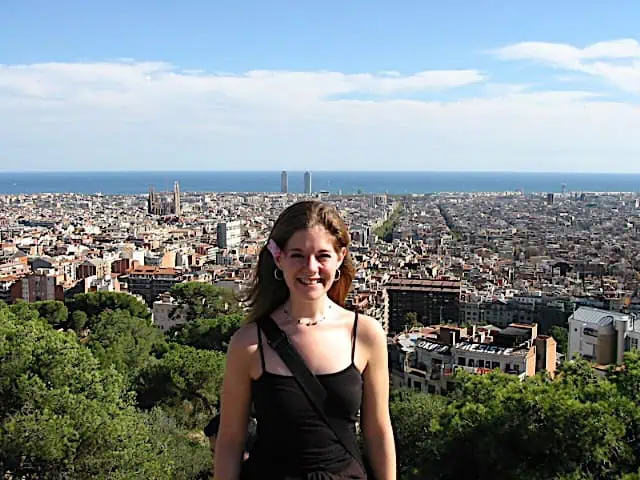
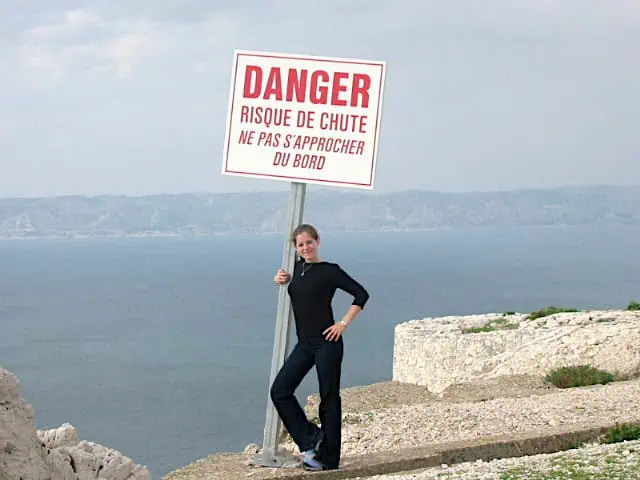
The origins of this narrative date back to 2010, a pivotal year for the burgeoning travel blogging industry. Ettenberg, who had resigned from her legal career in 2008 to embark on what was intended to be a one-year sabbatical, was residing in Brooklyn when her apartment was burgled. During the incident, a thief absconded with her laptop, multiple external hard drives containing the only copies of her photography from the first two years of her global travels, and various high-value electronics.
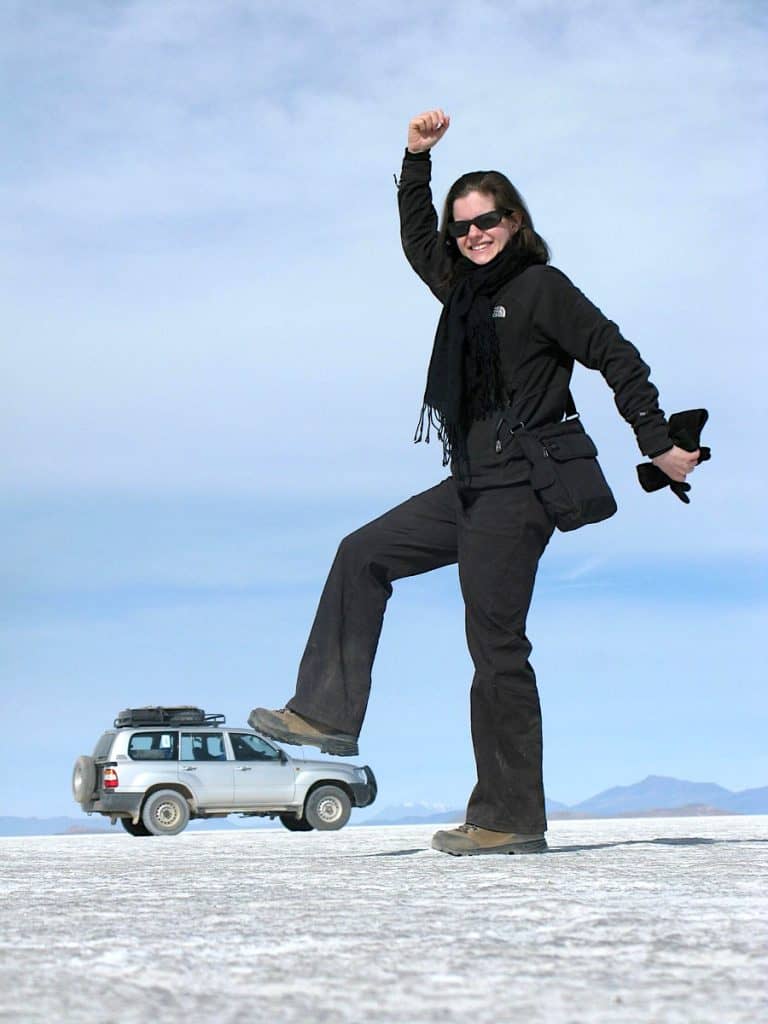
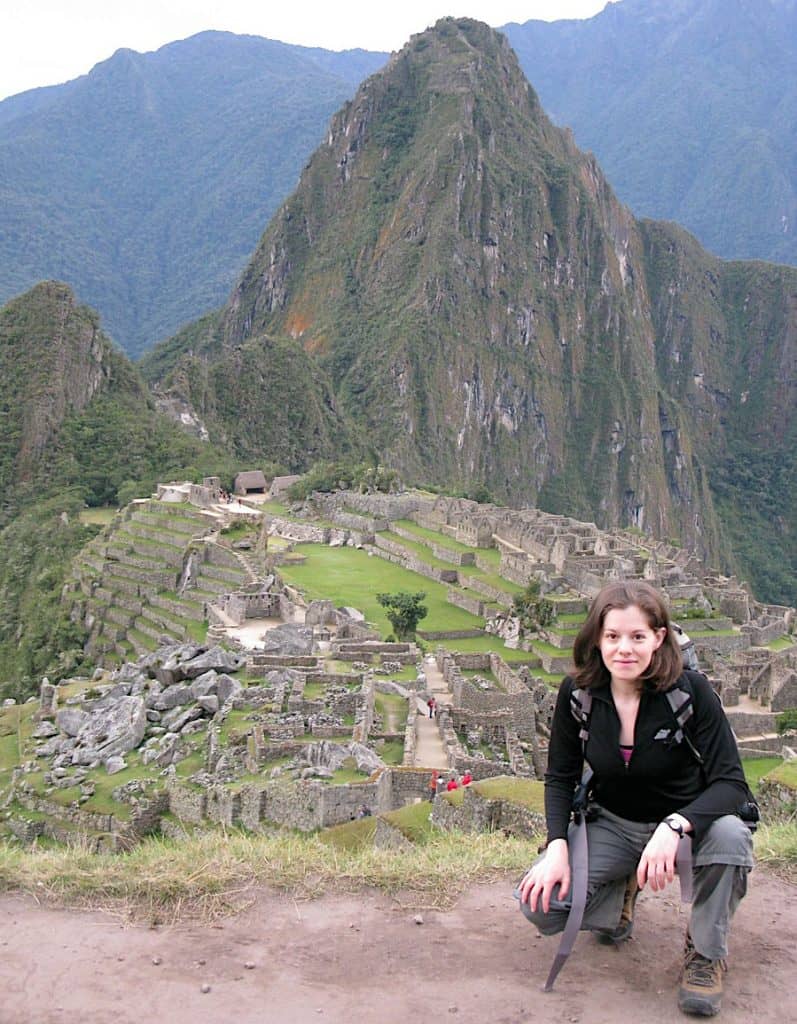
At the time, cloud storage solutions were not yet the industry standard for high-resolution media, and the loss of these drives meant the permanent disappearance of thousands of original images. These files documented Ettenberg’s initial explorations of Southeast Asia, South America, and Europe—content that had formed the foundation of Legal Nomads. Despite an impassioned public plea and a community-wide effort by fellow travel writers to reconstruct her archives from shared files, the original high-resolution data was considered lost for 14 years.
A Decade of Medical Complications: The Spinal CSF Leak
The significance of the recovered memories is amplified by the drastic change in Ettenberg’s physical capabilities since 2017. While undergoing a lumbar puncture procedure in August of that year, Ettenberg sustained a dural tear that resulted in a chronic spinal CSF leak. This condition occurs when the connective tissue (dura mater) surrounding the brain and spinal cord is compromised, allowing the fluid that cushions the brain to escape.
Medical data suggests that spontaneous spinal CSF leaks affect approximately 5 in 100,000 people annually, though iatrogenic leaks (caused by medical procedures) are a known risk of spinal interventions. For Ettenberg, the leak has been catastrophic, resulting in orthostatic headaches, cognitive dysfunction, and a near-total loss of upright mobility. Despite multiple blood patches and surgical interventions, including a brief period of successful sealing in 2018, the leak remains active. This physical confinement has forced a total cessation of the global travel that defined her career, leading to what clinicians describe as "ambiguous loss."
Chronology of Events: From Loss to Recovery
The timeline of Ettenberg’s experience serves as a case study in both digital persistence and medical hardship:

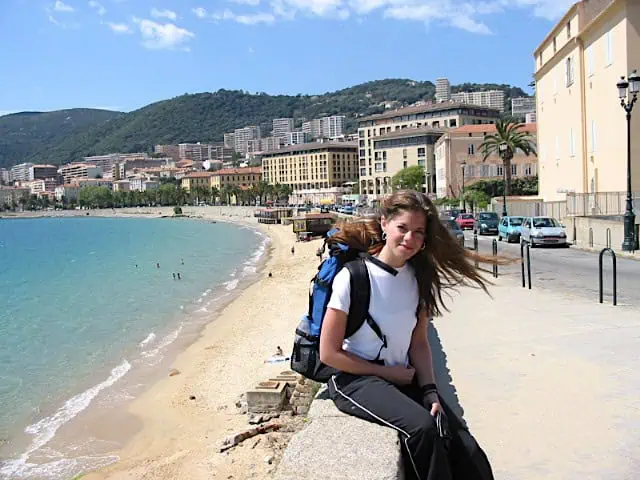
- 2001–2002: Ettenberg lives abroad in France, capturing early digital memories of Europe.
- 2008: Resigns from law practice to travel; launches Legal Nomads.
- 2010: First major burglary in Brooklyn. All original travel and family photos are stolen.
- 2010–2017: Continues travel career; establishes a tradition of climbing mountains (including Gunung Rinjani and South Sister) for her birthday.
- August 2017: Sustains a spinal CSF leak following a medical procedure. A second burglary occurs simultaneously, though cloud backups prevent a second loss of data.
- 2018: Brief medical recovery followed by a relapse of the spinal leak.
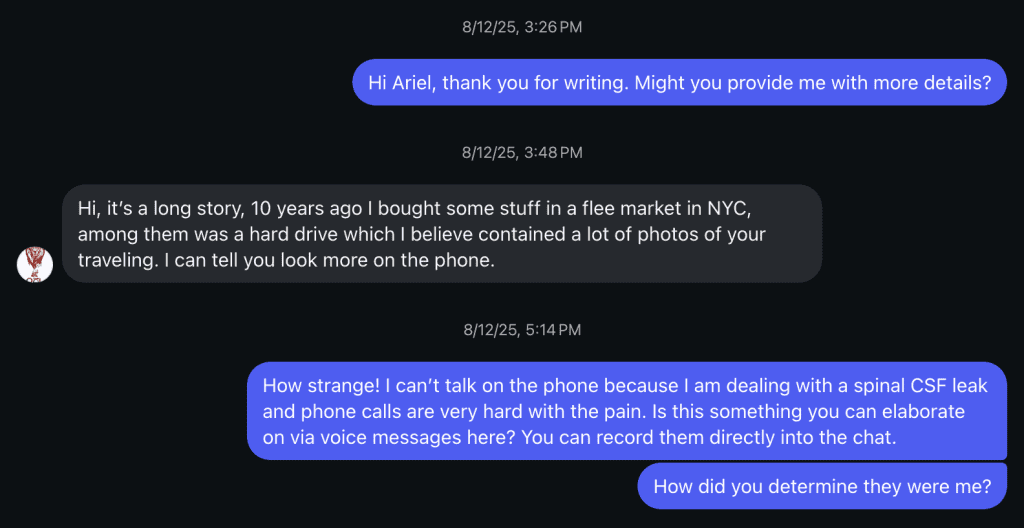
- August 2023: Ariel, a New York-based filmmaker, discovers Ettenberg’s identity via a hard drive purchased years prior at a flea market.
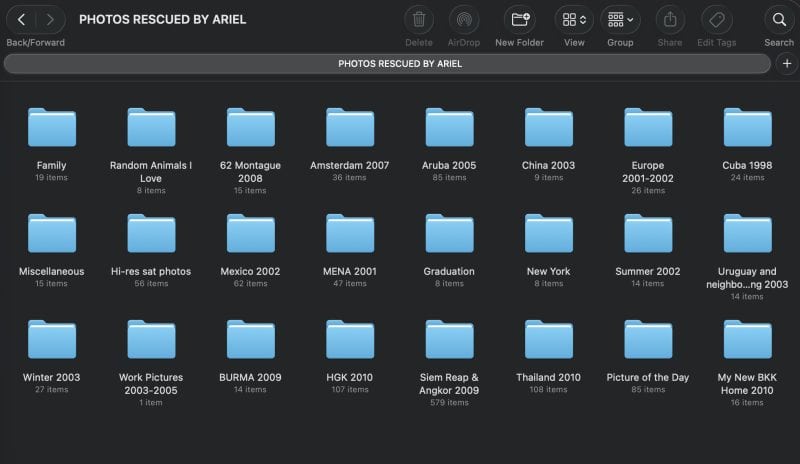
- August 2024: Ettenberg is officially reunited with her 2010 archives on her 47th birthday.
The Serendipitous Recovery: The Role of Ariel
The return of the 2010 data was facilitated by Ariel, a professional filmmaker who frequently purchases used hardware for storage purposes. Ariel reported purchasing a set of external drives from a flea market in Brooklyn more than a decade ago. Upon discovering that the drives were not empty, he chose to back up the data rather than reformatting it, suspecting the files were of high personal value to the original owner.
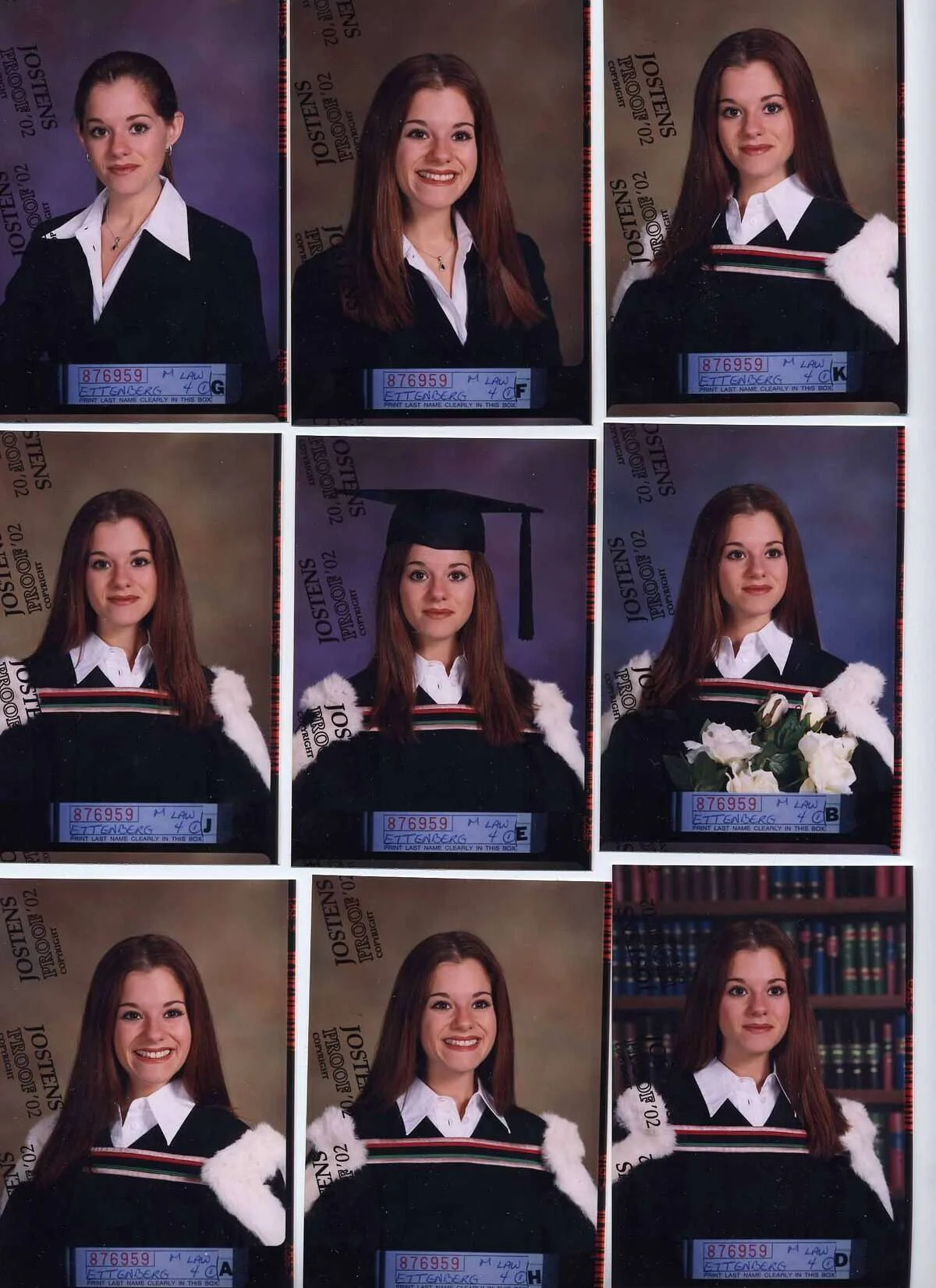
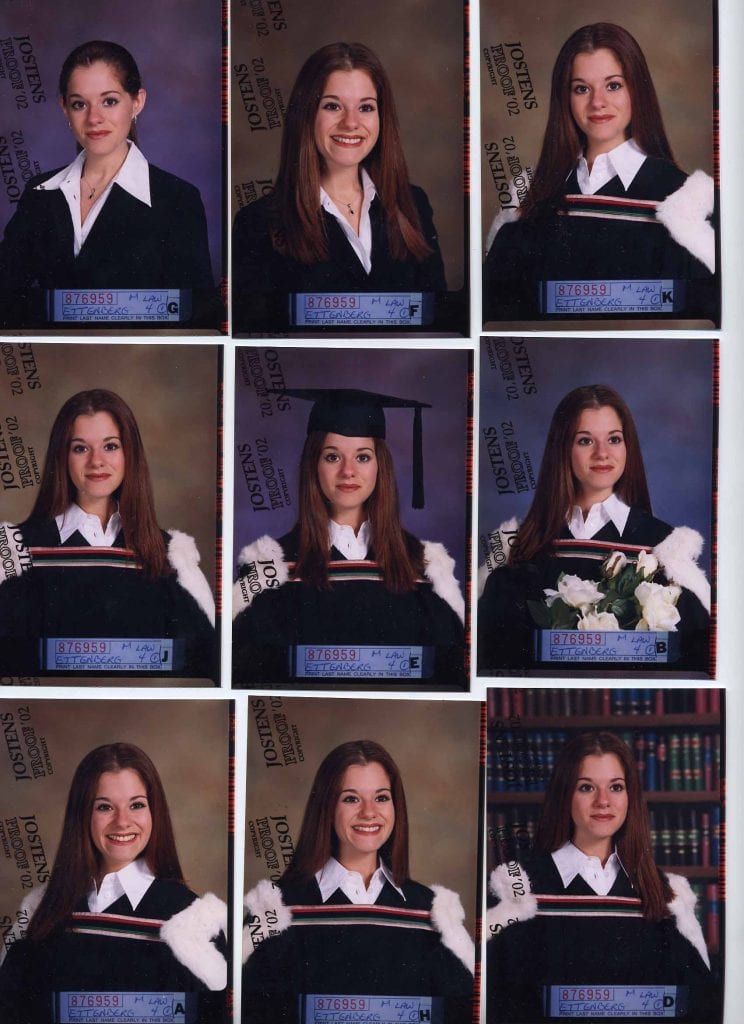
Ariel’s identification of Ettenberg was achieved through manual research rather than automated facial recognition software. By cross-referencing law school graduation proofs found on the drive—which included Ettenberg’s surname—with current social media profiles, he was able to confirm her identity. This ethical intervention stands in contrast to the typical fate of stolen electronics, which are usually wiped or discarded once their resale value is exhausted.
Analysis of "Living Grief" and Patient Advocacy
The recovery of these photos has prompted a broader discussion regarding the concept of "living grief." Unlike bereavement, which follows the finality of death, living grief (or chronic sorrow) involves the ongoing mourning of a life or functionality that has been lost while the individual remains alive.
Ettenberg has utilized her platform to analyze the work of Dr. Pauline Boss, who coined the term "ambiguous loss." This psychological state is characterized by a lack of closure and a lack of social rituals typically associated with mourning. In the context of chronic illness, the patient often feels "othered" by a society that prioritizes recovery and "overcoming" disability.
Supporting data from the World Health Organization (WHO) indicates that approximately 16% of the global population lives with a significant disability. For many in this demographic, the "tapestry of rituals" mentioned by Ettenberg—such as the loss of a birthday tradition—creates a compounding emotional weight. The return of the 2010 photos represents a rare moment of "re-membering," allowing the patient to integrate their past adventurous self with their current, more limited physical reality.

Broader Implications for the Medical and Digital Communities
The Ettenberg case offers several critical takeaways for both the general public and the medical community. Professionally, it highlights the necessity of robust, redundant backup systems. Ettenberg’s 2010 loss occurred due to a single-point failure (local hardware theft), whereas her 2017 digital assets remained secure due to cloud integration.
From a medical perspective, Ettenberg’s advocacy brings visibility to the "invisible illness" community. Spinal CSF leaks are frequently misdiagnosed as migraines or psychiatric issues, leading to significant delays in treatment. Her detailed documentation of the condition has contributed to a growing body of patient-led research, including co-authoring papers intended to improve diagnostic accuracy for dural tears.
The societal reaction to Ettenberg’s story also reveals a tension in how chronic illness is perceived. The expectation for patients to "fight harder" or show quantifiable "progress pics" can exacerbate the isolation of those with degenerative or stagnant conditions. Ettenberg’s narrative suggests that acceptance and the finding of "bright spots"—such as the return of lost memories—are essential components of long-term survival in the face of permanent disability.
Conclusion and Current Status
As of August 2024, Jodi Ettenberg remains largely bedbound in Ottawa, Canada, where she continues her work as a writer and advocate. The recovery of her 2010 archives, including photos of her late stepmother and early legal career, has provided a rare psychological reprieve during a month traditionally associated with the onset of her disability.
The story of the "Legal Nomads" founder serves as a testament to the unpredictable nature of digital data and the profound impact of individual integrity. In an era dominated by algorithmic interactions, the manual effort of a stranger to return a decade-old hard drive underscores a lingering human element in the digital landscape. For Ettenberg, the photos are more than mere files; they are a restored bridge to a previous life, providing the "extra perspective" needed to navigate a future defined by the complexities of chronic illness.
