

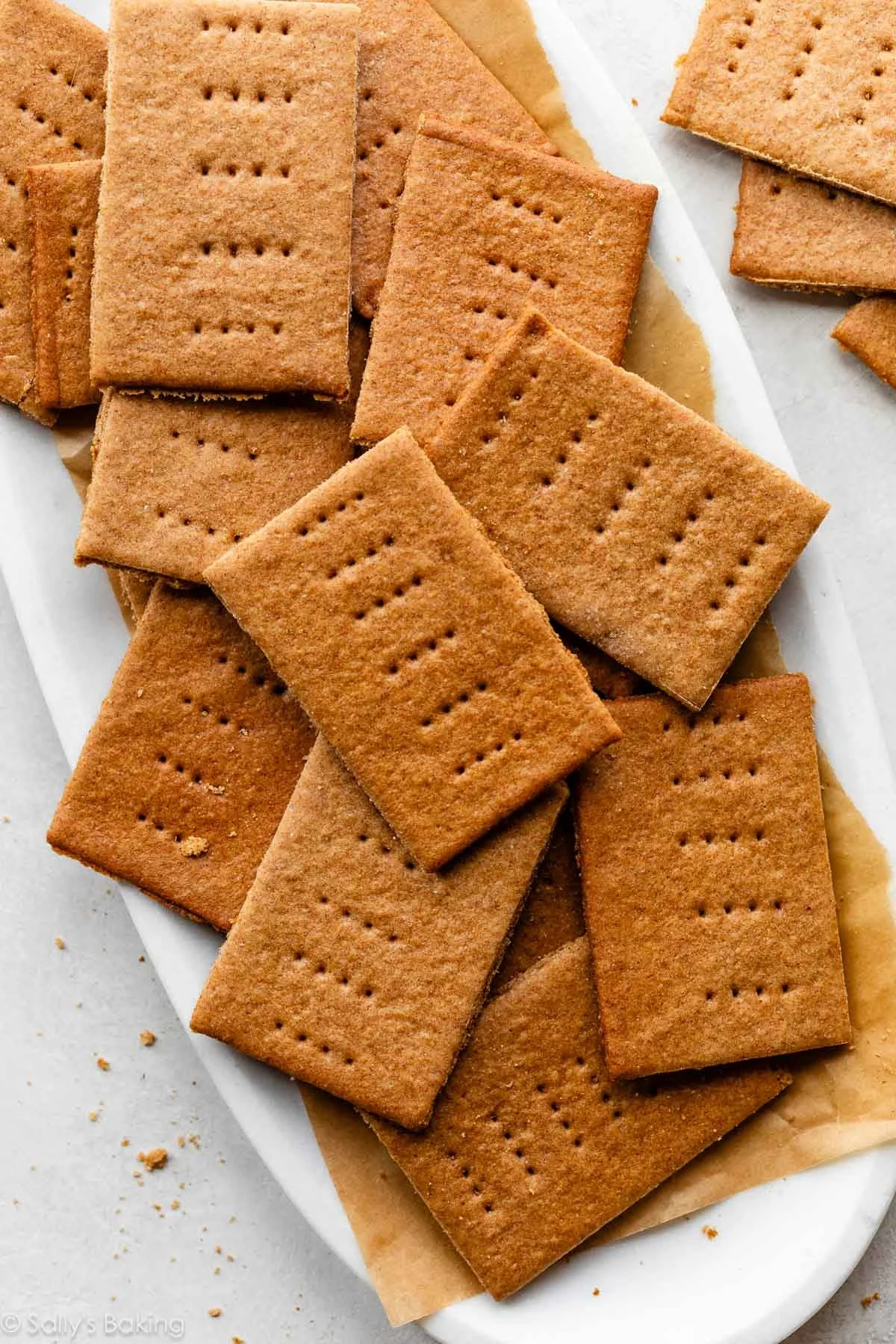
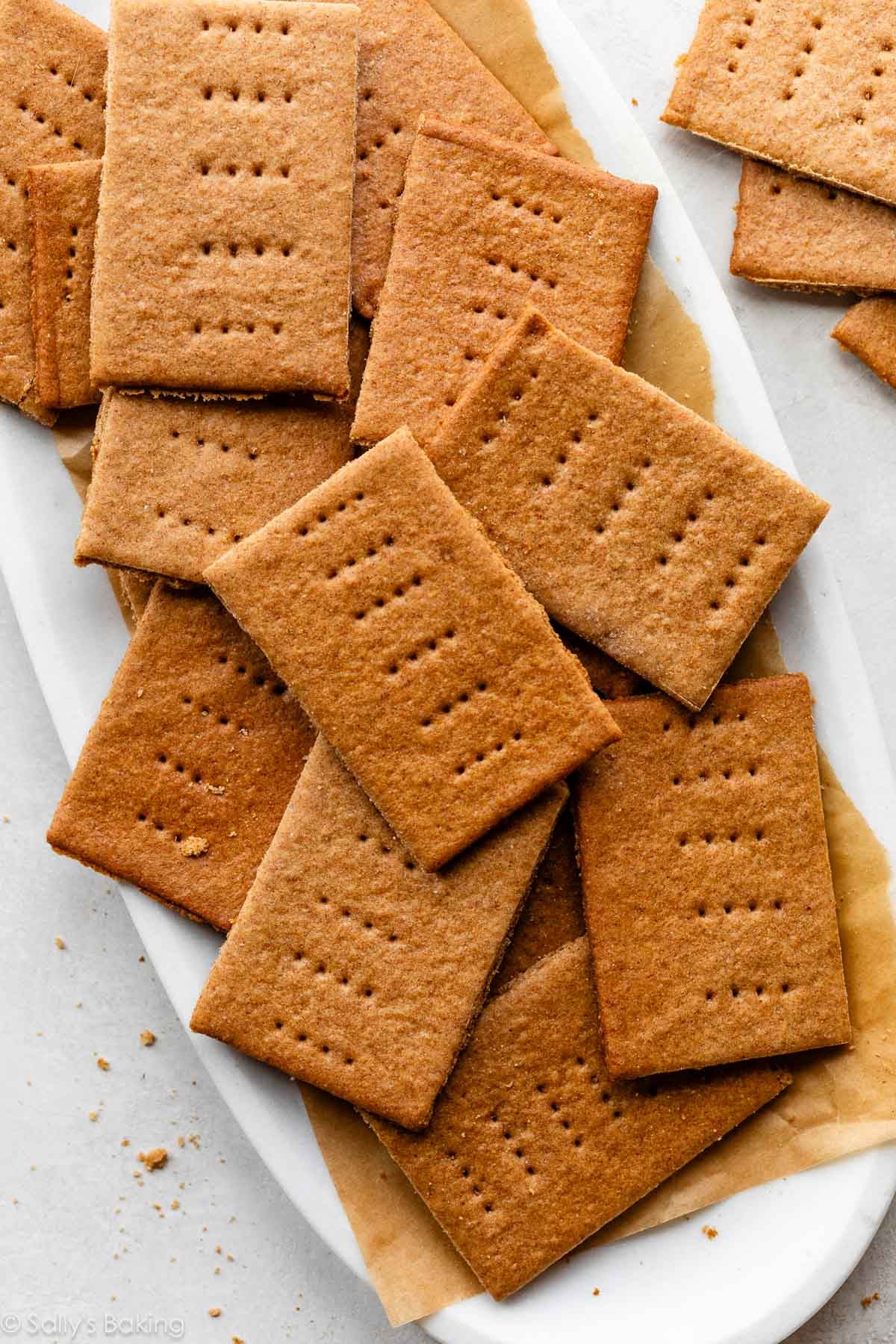
The culinary landscape is witnessing a notable resurgence in artisanal home baking, with homemade graham crackers emerging as a prime example of this trend. Far surpassing their store-bought counterparts in depth of flavor, delicate crispness, and undeniable freshness, these simple yet profoundly satisfying crackers are capturing the attention of home cooks seeking quality, control, and a touch of nostalgia in their kitchens. This shift reflects a broader consumer movement towards from-scratch preparation, driven by a desire for natural ingredients, customized taste profiles, and the inherent satisfaction of crafting culinary staples by hand.
A Historical Journey: From Health Food to Sweet Treat
To truly appreciate the modern homemade graham cracker, one must delve into its origins. The cracker owes its name and initial existence to Sylvester Graham (1794-1851), an American Presbyterian minister and dietary reformer. In the 19th century, Graham was a fervent advocate for a strict vegetarian diet, emphasizing whole grains, fresh fruits, and vegetables, and abstaining from meat, alcohol, and refined flour. His philosophy, known as "Grahamism," posited that a bland diet, devoid of stimulating spices and rich foods, was essential for both physical health and moral purity. He believed that highly refined white flour contributed to poor health and moral decay.
It was within this context that Graham developed "graham flour," a coarsely ground, unrefined whole wheat flour, deliberately leaving the bran and germ intact. His original graham crackers, introduced in 1829, were starkly different from the sweet, honey-kissed versions enjoyed today. They were dense, unsweetened, and intentionally bland, designed as a health food to promote digestive regularity and discourage what Graham considered "sinful" appetites. The texture was rough, reflecting the coarse grind of the flour, and their primary appeal was purely medicinal and moral.
Over time, as Graham’s strict dietary tenets waned in mainstream popularity, the graham cracker began its transformation. Manufacturers recognized the potential for a broader market by introducing sweeteners and fats, gradually evolving the cracker from a health-centric, unpalatable staple into a widely loved, slightly sweet biscuit. By the early 20th century, the graham cracker had shed much of its austere past, becoming a staple in American pantries, particularly popular for children’s snacks and as a foundational component for desserts like s’mores and pie crusts. Modern commercial graham crackers often use a blend of whole wheat flour and refined flour, a compromise that maintains some of the signature graham flavor while achieving a lighter, more delicate texture than Graham’s original, robust creation.
The Contemporary Allure of From-Scratch Baking
The current enthusiasm for homemade graham crackers is not merely a culinary whim but a reflection of several converging trends. According to a recent survey by the National Association of Specialty Food Purveyors, over 60% of consumers expressed a preference for "clean label" products, emphasizing recognizable ingredients and minimal processing. Homemade crackers perfectly align with this desire, offering complete transparency regarding ingredients. Furthermore, the global pandemic catalyzed a significant increase in home baking, with many individuals rediscovering the joy and therapeutic benefits of preparing food from scratch. Data from NielsenIQ indicated a sustained interest in baking supplies, even as lockdowns eased, suggesting a lasting behavioral shift.
Culinary experts suggest that this trend is fueled by a confluence of factors:
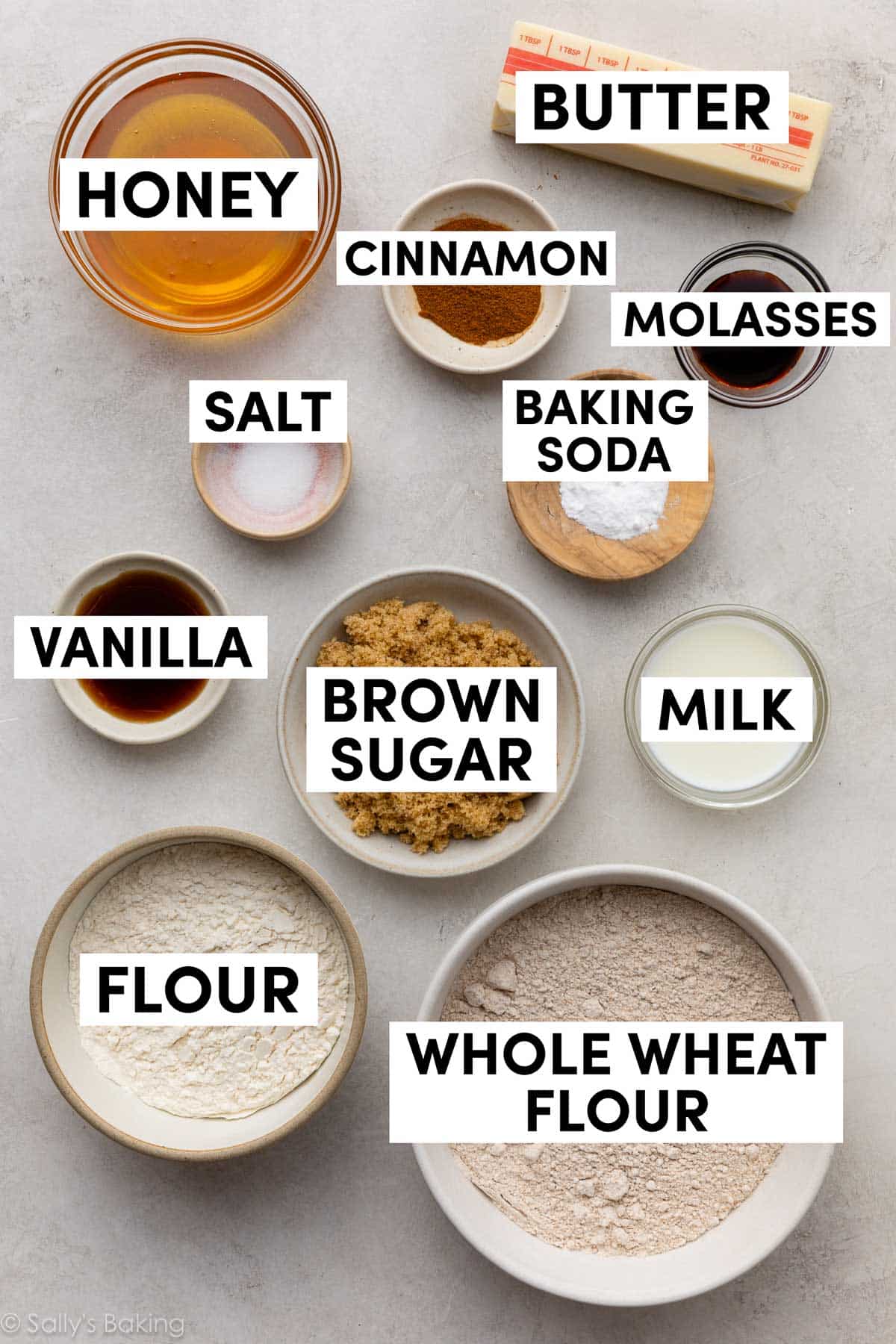
- Control over Ingredients: Home bakers can select high-quality flours, real honey, and pure butter, avoiding high-fructose corn syrup, artificial flavors, and hydrogenated oils often found in mass-produced items.
- Superior Flavor and Texture: The freshness of newly baked goods is unparalleled. Homemade graham crackers boast a nuanced flavor profile, combining warm honey and cinnamon with the nutty undertones of whole wheat, alongside a crisp, yet tender, texture that commercial crackers rarely achieve.
- Nostalgia and Connection: Baking from scratch evokes a sense of tradition and comfort, often connecting individuals to childhood memories or family recipes.
- Skill Development and Empowerment: Mastering basic baking techniques, such as dough handling and rolling, provides a sense of accomplishment and culinary independence.
Anatomy of a Perfect Cracker: Key Ingredients and Their Synergy
The success of a homemade graham cracker recipe lies in the careful selection and precise balance of its core ingredients, which collectively contribute to its distinct flavor and texture.
- Flour Blend: This recipe ingeniously combines whole wheat flour and all-purpose flour. The whole wheat flour provides the authentic, slightly nutty "graham" flavor that is essential to the cracker’s identity. Its higher protein content and coarser grind contribute to a sturdier texture. However, using 100% whole wheat can result in a very dense, heavy cracker. This is where all-purpose flour comes in. Its lower protein content and finer milling create a lighter, more delicate crumb, ensuring the crackers achieve a satisfying crispness without being overly hard or crumbly. This blend is a direct evolution from how many modern commercial graham crackers are formulated, striking a balance between heritage flavor and desirable texture.
- Sweeteners: The recipe typically employs brown sugar and honey. Brown sugar, with its molasses content, adds a deeper, more complex sweetness and contributes to the cracker’s tender chewiness and slight caramel notes. Honey, a hallmark of classic graham crackers, imparts a unique floral sweetness and a distinctive aroma that is both warm and inviting. Honey is also hygroscopic, meaning it attracts and retains moisture, which can influence the cracker’s texture and shelf life, contributing to a pleasant chewiness amidst the crispness.
- Fat: Unsalted butter is crucial for richness and texture. Unlike the vegetable oils or shortenings often used in commercial products, butter provides an unparalleled depth of flavor and contributes significantly to the cracker’s delicate flakiness and crispness. The fat also helps tenderize the dough by interfering with gluten development, preventing the crackers from becoming tough.
- Leavening Agent: Baking soda is commonly used to provide a subtle lift and airy crispness. When activated by moisture and heat, it releases carbon dioxide gas, creating small pockets within the dough that contribute to a lighter texture. It also plays a role in browning, giving the crackers their inviting golden hue.
- Flavor Enhancers: A touch of salt is vital for balancing the sweetness and enhancing all other flavors. Ground cinnamon is the quintessential spice for graham crackers, infusing them with a warm, aromatic note that is inextricably linked to their nostalgic appeal.
Crafting the Cracker: A Meticulous Process
The preparation of homemade graham crackers, while seemingly straightforward, benefits from a methodical approach, akin to crafting perfect cut-out sugar cookies.
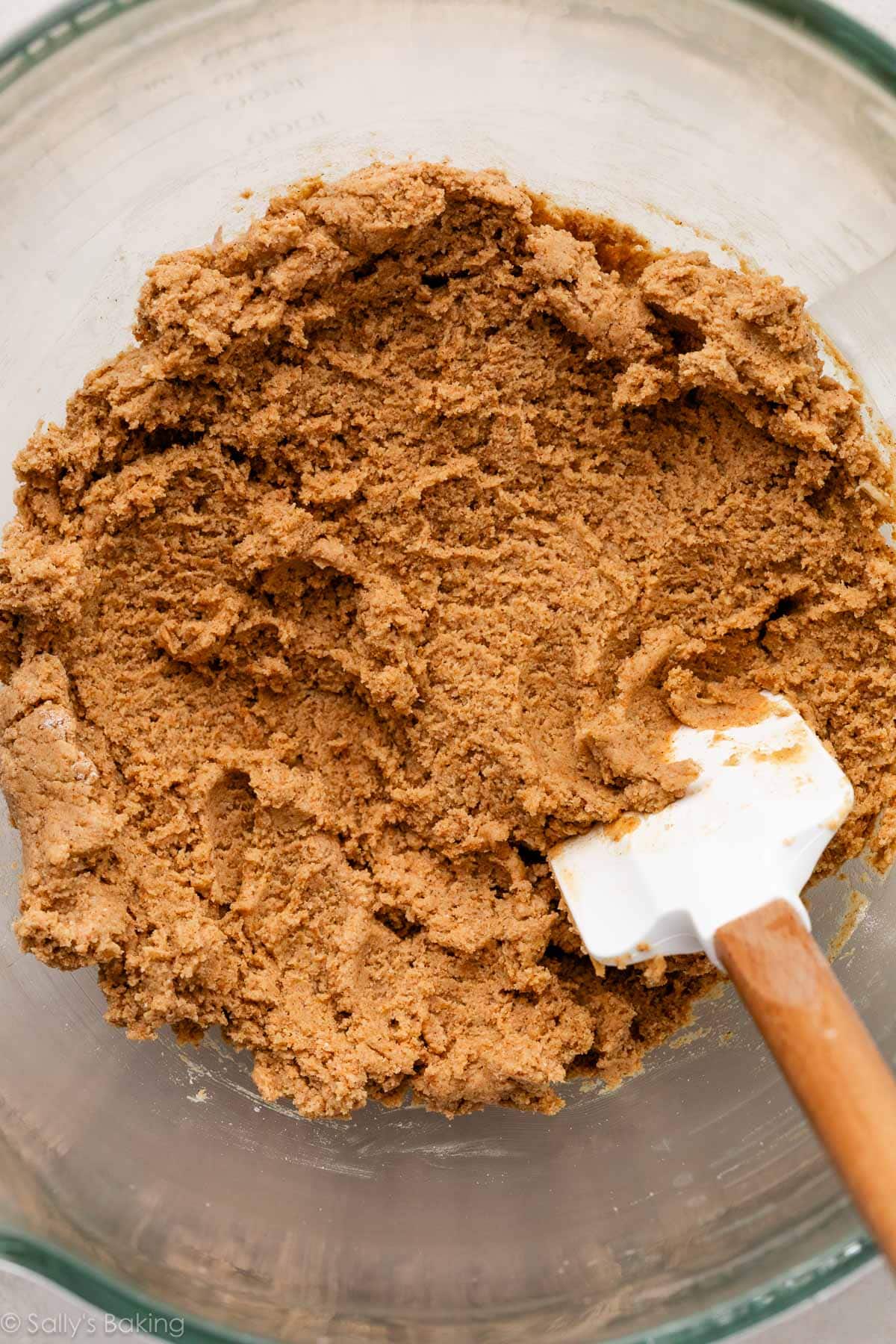
- Dough Assembly: The process begins by whisking together the dry ingredients – flours, baking soda, cinnamon, and salt – ensuring even distribution. Separately, butter and brown sugar are creamed until light and fluffy, incorporating air that contributes to the final texture. Honey, milk (or water), and vanilla extract are then added to the creamed mixture. Finally, the wet and dry ingredients are gradually combined to form a thick, cohesive dough. Overmixing is avoided to prevent excessive gluten development, which could lead to tough crackers.
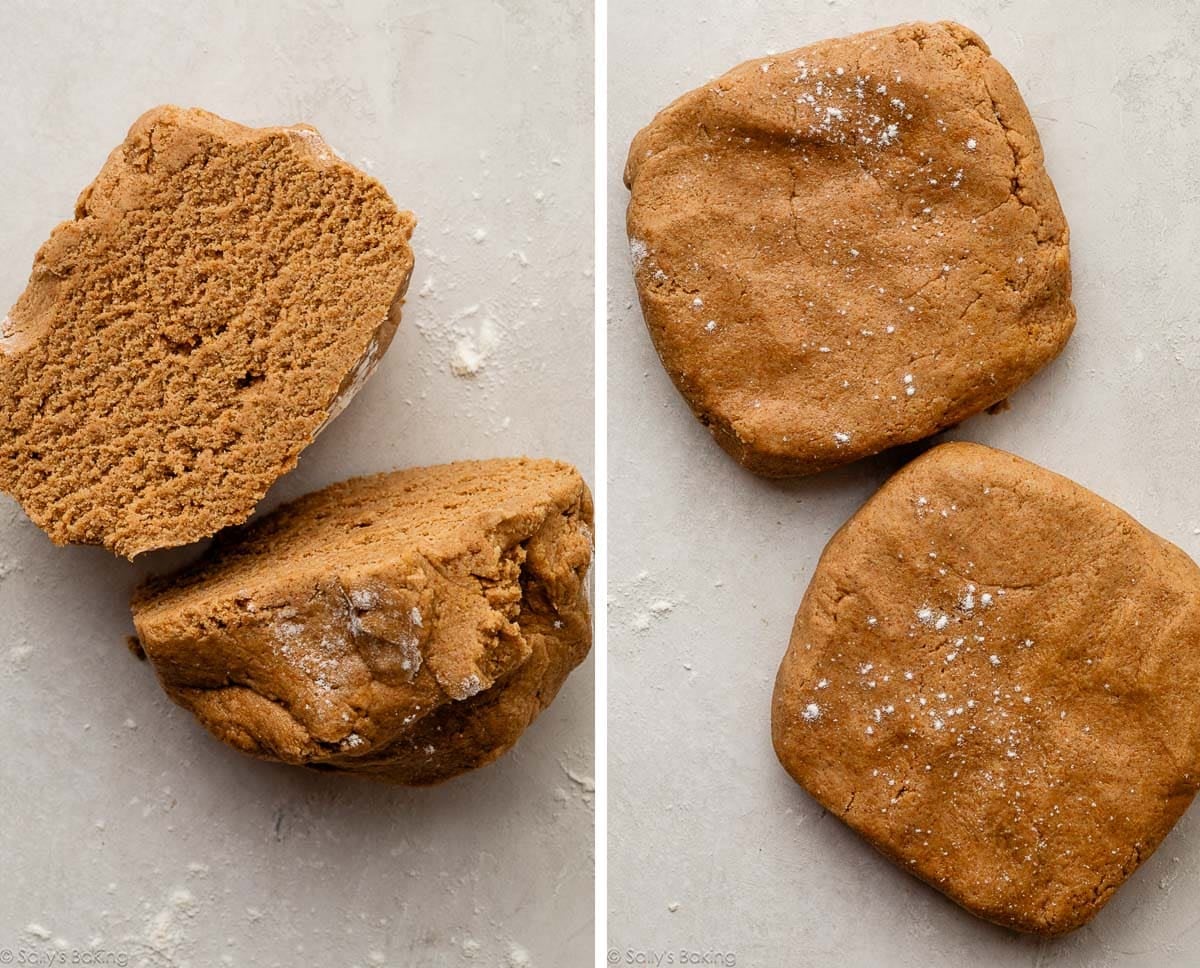
- Chilling the Dough: The dough is divided into two flattened squares and refrigerated for approximately one hour. This crucial step serves multiple purposes: it firms up the butter, making the dough easier to handle and roll without sticking, and it allows the gluten to relax, which prevents the crackers from shrinking excessively during baking. Starting with a square shape, rather than a disc, proves advantageous for rolling the dough into a uniform rectangle, minimizing waste and ensuring consistent cracker size.
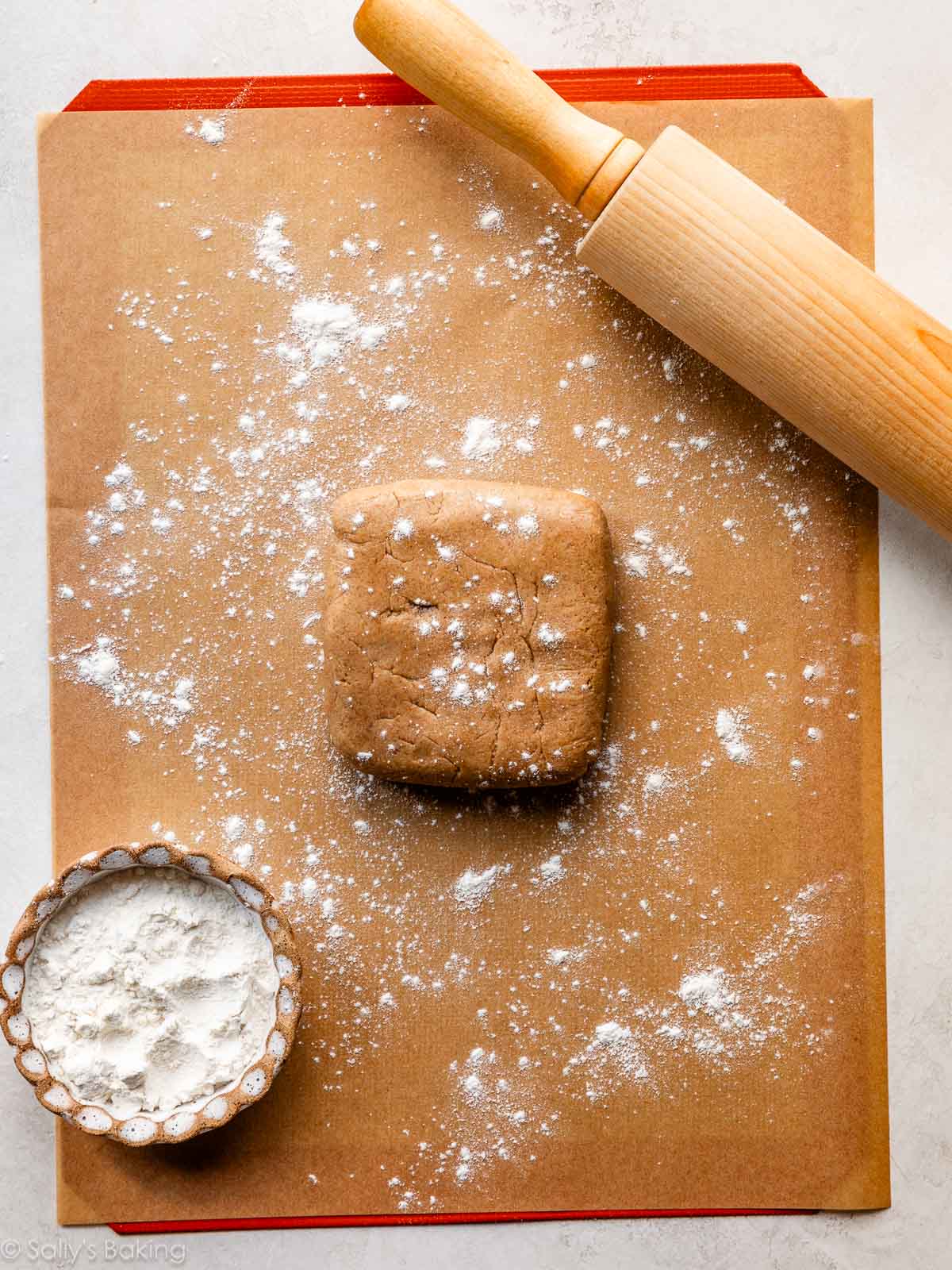
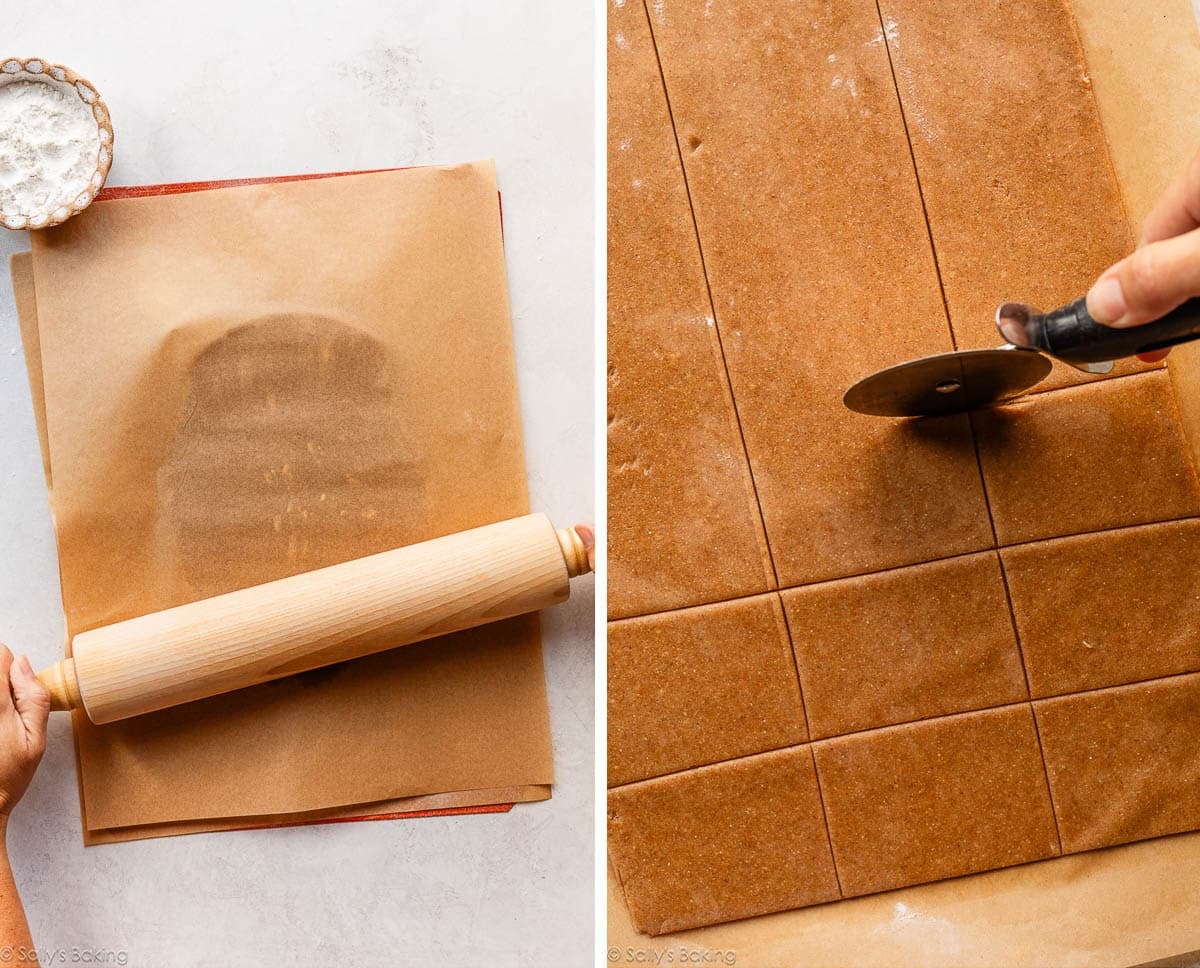
- Precision Rolling: The chilled dough is then rolled between two sheets of parchment paper, preferably atop a silicone baking mat to prevent slippage. The goal is to achieve an even thickness of 1/8 inch (just over 3mm). This step demands patience and a bit of arm strength, as the dough gradually softens. Consistent thickness is paramount; thinner areas will bake faster and become overly crisp, while thicker sections may remain soft. A sturdy ruler is an invaluable tool here, not only for ensuring straight edges but also for scoring the dough before cutting, guaranteeing uniform rectangles or squares.
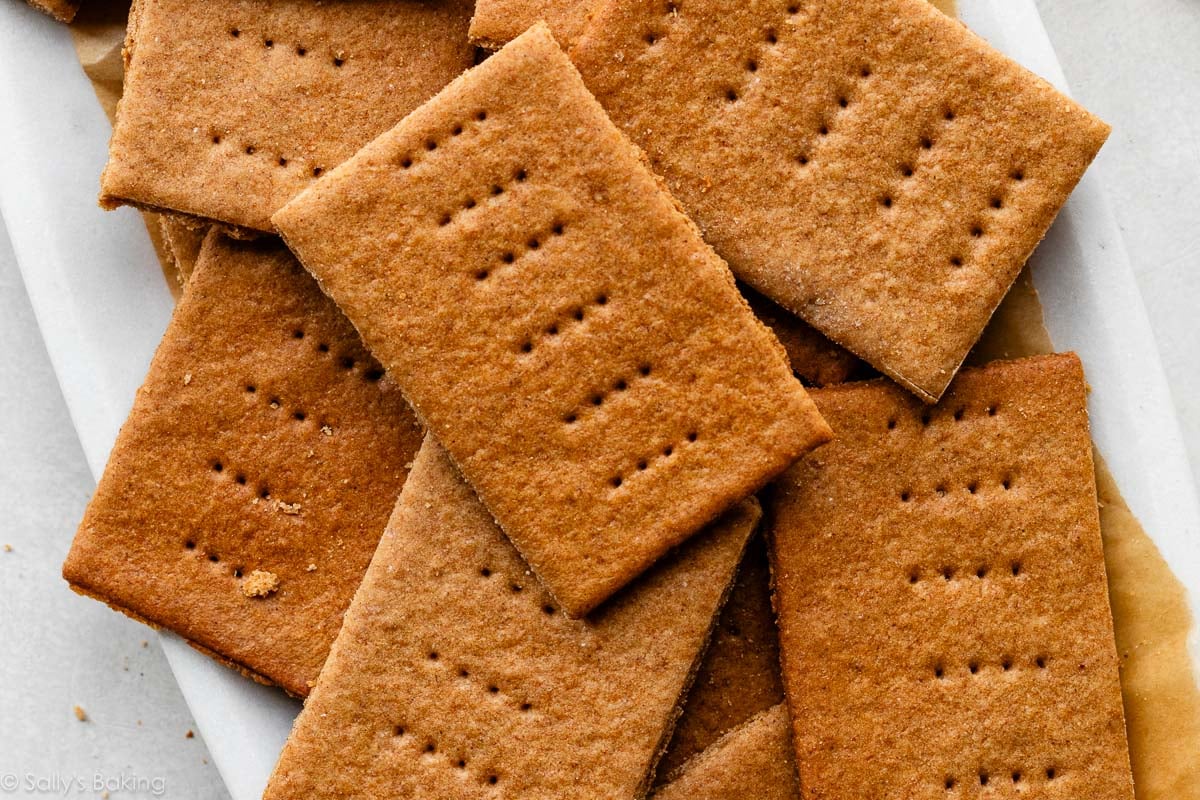
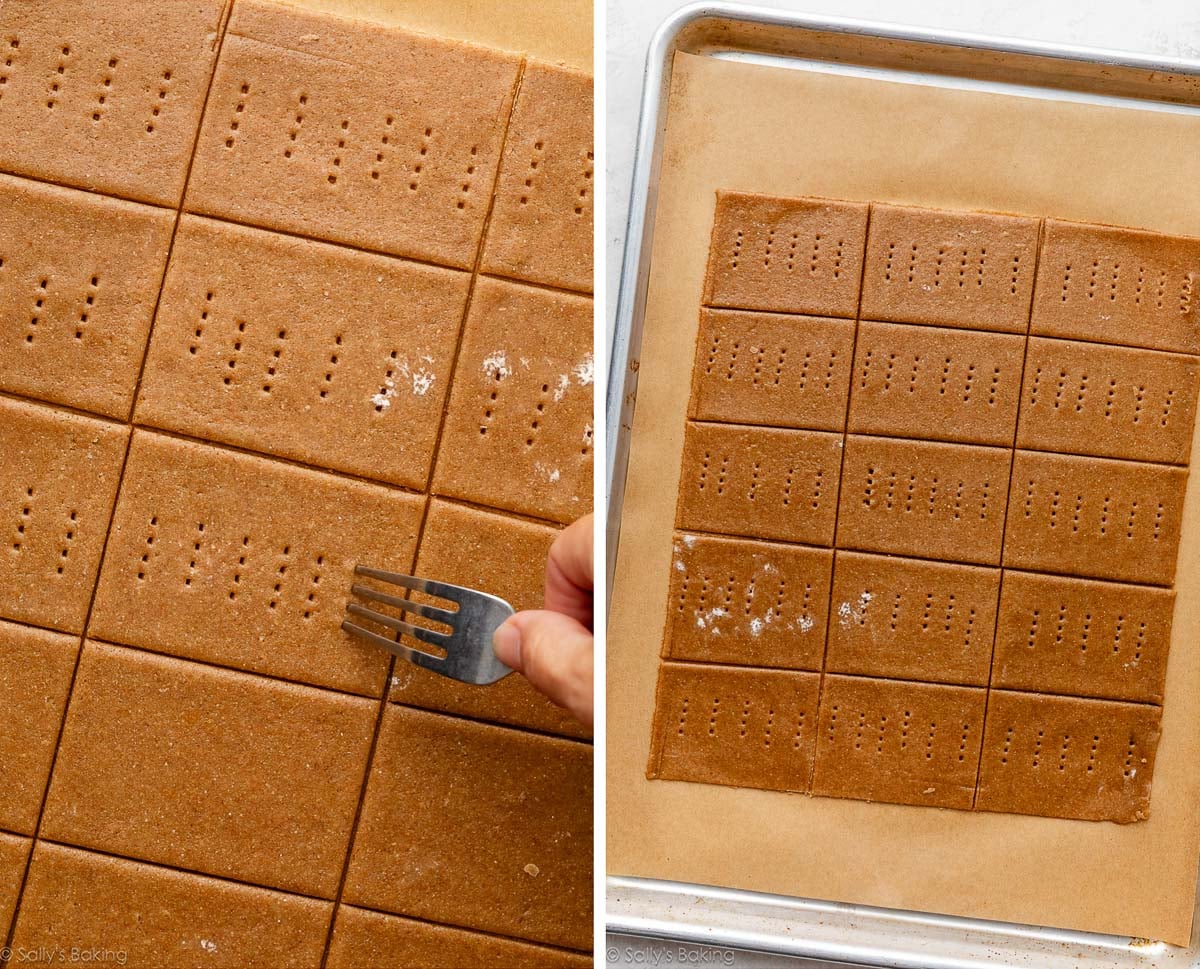
- Docking for Texture: Before baking, each cracker is "docked" several times with a fork. This creates small perforations that allow steam to escape during baking, preventing the crackers from puffing up excessively and ensuring they remain flat and crisp.
- Refrigeration Before Baking: Once cut and docked, the parchment-lined dough is transferred to a baking sheet and refrigerated for an additional 20 minutes while the oven preheats. This final chill further stabilizes the butter in the dough, minimizing spread in the oven and helping the crackers maintain their defined shape and crisp texture.
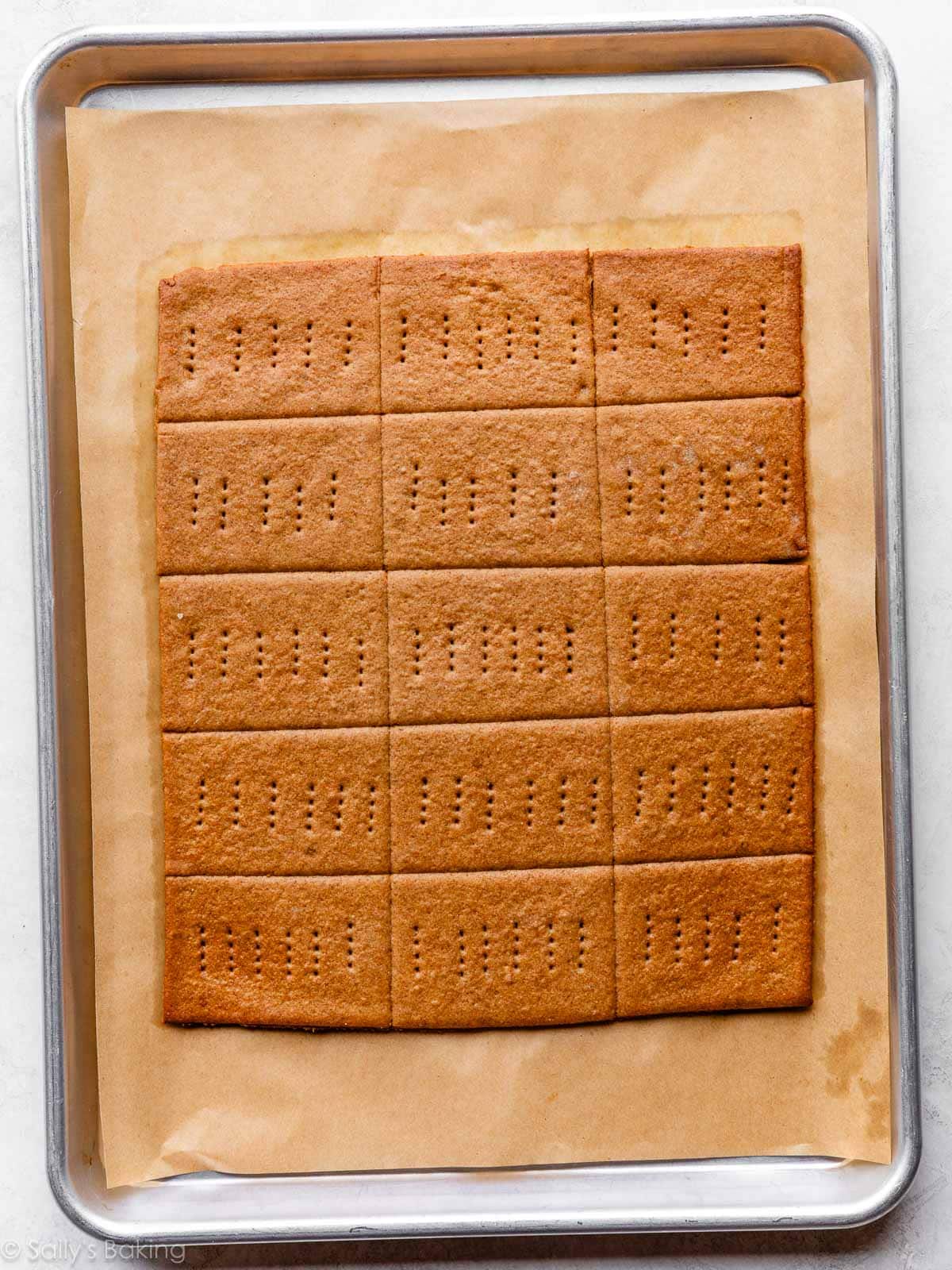
- Baking and Cooling: The crackers are baked until golden brown and firm. Upon removal from the oven, they are allowed to cool completely, either on the baking sheet or a wire rack. As they cool, their texture transitions from slightly pliable to firm and crisp. Once fully cooled, a sharp knife is used to separate them along the scored lines.
Tailoring Texture: Softer or Crisper?
The beauty of homemade graham crackers lies in the ability to customize their texture:
- For Crispier Crackers: Roll the dough slightly thinner than 1/8 inch and extend the baking time by an extra minute or two.
- For Slightly Softer Crackers: Roll the dough a bit thicker and reduce the baking time slightly. Allowing them to cool completely on the baking sheet instead of a cooling rack can also contribute to a softer texture.
Beyond the Original: Flavor Innovations
Once the classic recipe is mastered, the possibilities for flavor variations are extensive, allowing for culinary creativity:
- Spiced Crackers: Experiment with additional warming spices like nutmeg, cardamom, or allspice for a more complex aroma.
- Citrus Zest: Incorporate finely grated lemon or orange zest into the dough for a bright, aromatic lift.
- Chocolate Graham Crackers: Replace a small portion of the all-purpose flour with cocoa powder for a rich, chocolatey version, perfect for pairing with marshmallows.
- Nutty Additions: Finely ground nuts, such as almonds or pecans, can be added to the flour mixture for an extra layer of flavor and texture.
Versatility in Culinary Applications
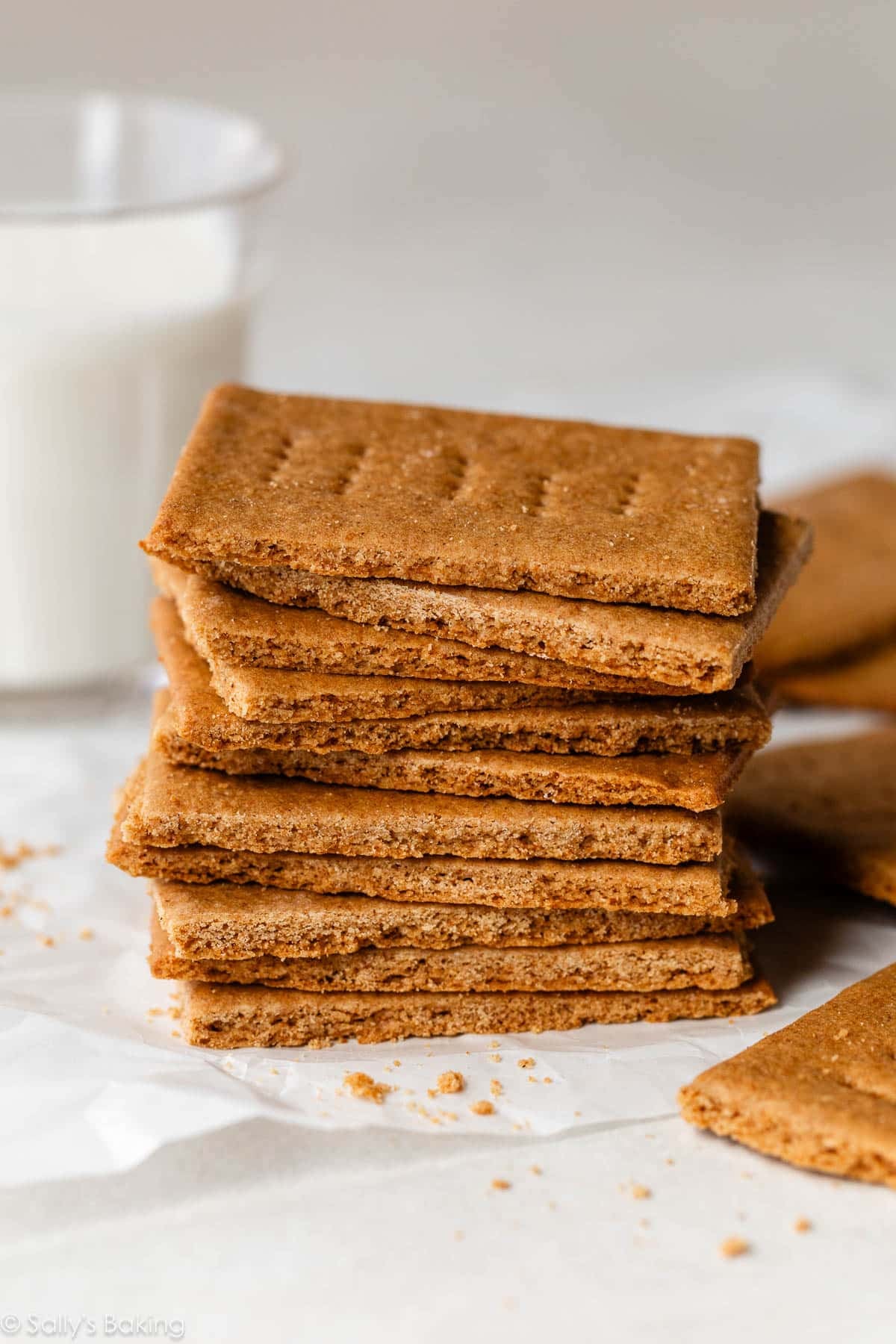
Homemade graham crackers are far too exceptional to be confined to a single use. While undoubtedly sublime on their own, perhaps with a glass of milk, their applications extend across a broad spectrum of desserts:
- The Quintessential S’more: The crisp, buttery, honey-cinnamon notes of a homemade graham cracker provide the perfect foundation for gooey roasted marshmallows and melting chocolate, elevating this campfire classic to an entirely new level.
- Icebox Cakes: Layers of homemade graham crackers, whipped cream, and fruit create a refreshing, no-bake dessert where the crackers soften to a cake-like consistency.
- Pie and Cheesecake Crusts: Crushed homemade graham crackers make an unparalleled crust. A critical adjustment for these applications is reducing the amount of melted butter typically called for in standard graham cracker crust recipes. Because homemade crackers are already enriched with butter, reducing the added butter from 6 tablespoons (85g) to 4 tablespoons (56g) prevents an overly greasy crust and ensures optimal structural integrity.
- Snacking and Accompaniments: Enjoyed plain, crumbled over yogurt or ice cream, or paired with cheese and fruit, these crackers are a versatile pantry staple.
Storage and Longevity
Proper storage is key to maintaining the quality of homemade graham crackers. Once completely cooled, they should be stored in an airtight container at room temperature for up to one week. If they begin to lose their crispness after several days, a brief refresh in a 300°F (150°C) oven for about 5 minutes, followed by complete cooling, will restore their snap. For longer-term preservation, both the baked crackers and the raw dough can be frozen. Wrapped raw dough can be frozen for up to three months and thawed overnight in the refrigerator. Baked crackers, once thawed, may require re-crisping in the oven. A typical batch yields 24-32 crackers, depending on the precise cutting size, with the total dough weighing approximately 600g.
Homemade graham crackers represent more than just a recipe; they embody a broader culinary philosophy—a return to quality, authenticity, and the simple pleasures of baking from scratch. In an era of increasing convenience, the decision to invest time in crafting such a fundamental item speaks volumes about a growing appreciation for the nuanced flavors and superior textures that only homemade goods can provide. From their surprising historical roots as a health reform staple to their current status as a celebrated artisanal treat, these crackers are a testament to the enduring appeal of thoughtful preparation and the unparalleled satisfaction found in the home kitchen.
