

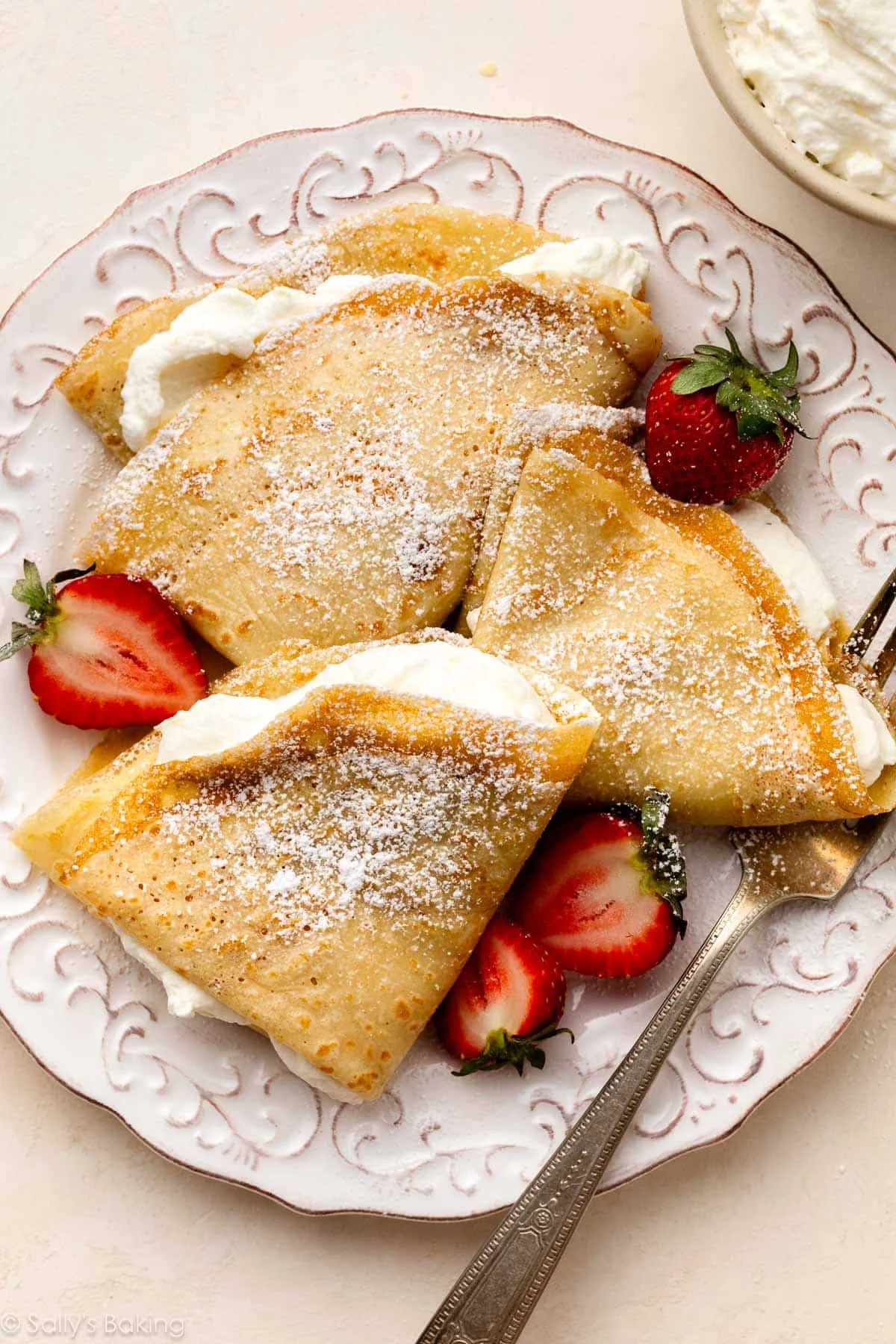
The delicate art of crafting crepes, often perceived as a challenging endeavor reserved for professional chefs, is now being demystified for home cooks through comprehensive guides emphasizing simplicity and accessibility. These classic French-style pancakes, renowned for their ethereal thinness, buttery richness, and tender texture, require surprisingly few ingredients and can be prepared with standard kitchen equipment, making gourmet dining at home more attainable than ever. Whether destined for sweet indulgences with fresh berries and whipped cream or savory fillings of meat, cheese, and vegetables, a foolproof method promises consistently soft, flexible crepes with perfectly crisp edges.
The Enduring Legacy of the Crêpe: A Historical and Cultural Perspective
Originating in Brittany, a region in northwest France, crepes boast a rich history dating back to the 13th century. Traditionally made from buckwheat flour (galettes) in savory forms and wheat flour (crêpes) for sweeter variations, they have long been a staple of French cuisine and culture. Historically, crepes held significant cultural importance, particularly during Candlemas (La Chandeleur) on February 2nd. This holiday, also known as "Fête de la Chandeleur" or "Jour des Crêpes," involves the tradition of making and eating crepes, symbolizing prosperity and good fortune for the coming year. The round shape and golden color of the crepe are said to represent the sun and the return of longer days.
Beyond France, thin pancakes akin to crepes are found in numerous culinary traditions worldwide, reflecting a universal appeal for this versatile dish. From Russian blini and Hungarian palatschinken to Italian crespelle and Scandinavian plättar, these variations underscore the global resonance of a simple batter cooked thinly. The French crepe, however, stands out for its specific delicate texture, achieved without leavening agents, differentiating it from its thicker, fluffier American pancake counterparts.
The recipe, first published in 2015 and recently updated with new visuals, a video tutorial, and enhanced tips, serves as a testament to the timeless appeal and continuous refinement of this culinary staple. It aims to empower individuals to confidently recreate restaurant-quality crepes in their own kitchens, transforming a seemingly complex dish into an enjoyable and straightforward cooking experience.
Deconstructing the Crêpe: Essential Ingredients and Their Roles
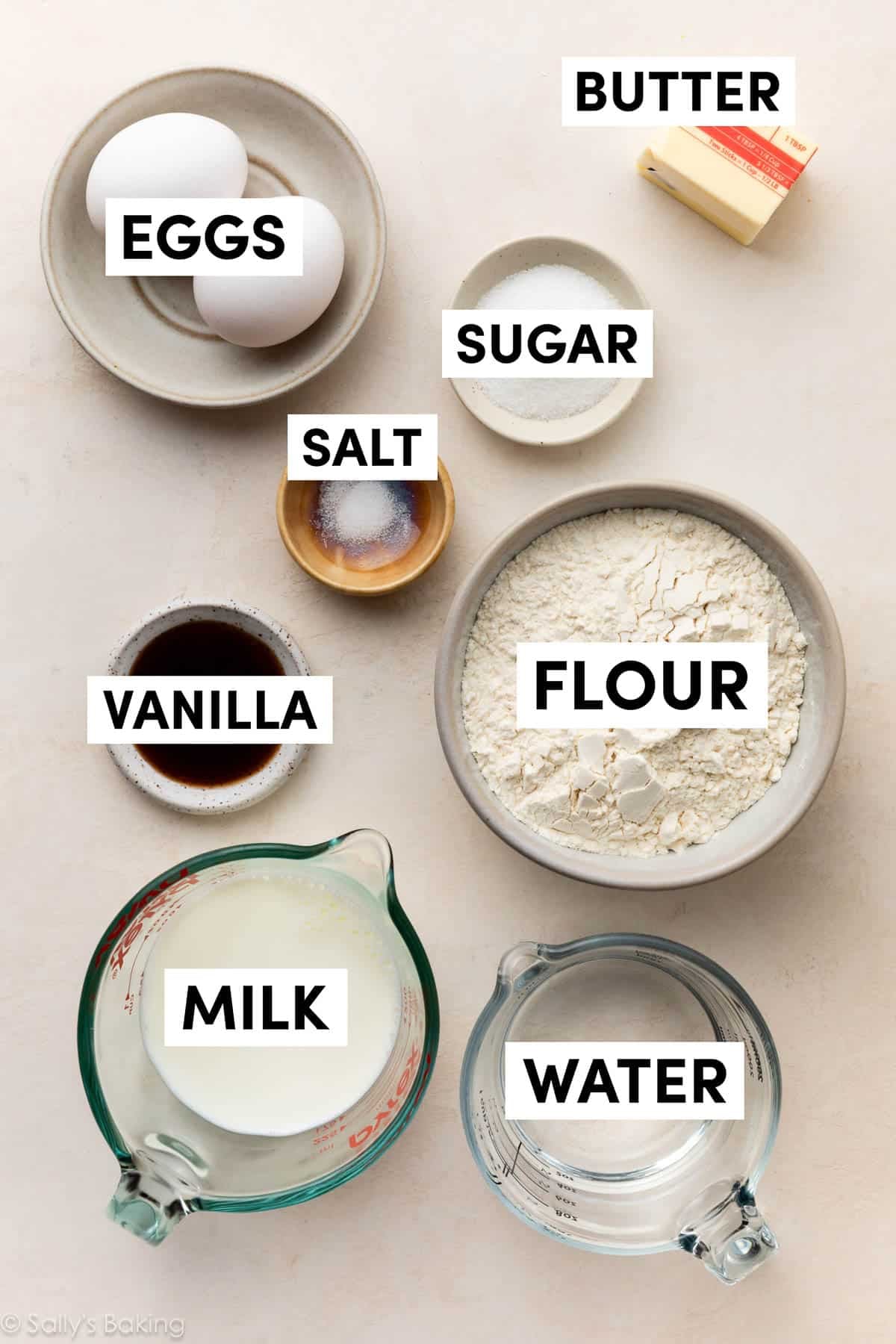
The foundation of an exceptional crepe lies in a precise balance of just eight fundamental ingredients, each playing a critical role in achieving the desired texture and flavor profile. Unlike American pancakes, which rely on baking powder or baking soda for their characteristic rise, crepes forgo leavening agents to maintain their signature thin, pliable structure. Due to the delicate nature of the batter, ingredient substitutions are generally not recommended to ensure optimal results.
- All-Purpose Flour: Provides the structural base for the crepe. Its protein content contributes to the elasticity without making the crepe tough.
- Granulated Sugar: While minimal, sugar adds a subtle sweetness and aids in browning, enhancing the delicate crispness of the edges, especially for sweet crepes.
- Salt: A pinch of salt is crucial for balancing the flavors, preventing the crepes from tasting bland, and enhancing the overall taste of the fillings.
- Large Eggs: Essential for binding the ingredients, providing richness, and contributing to the crepe’s tender texture and golden hue. Eggs also add structure and help prevent tearing.
- Milk (Whole Milk Recommended): Contributes to the batter’s liquid content, ensuring a smooth, thin consistency. Whole milk is preferred for its fat content, which adds richness and tenderness.
- Water: Lightens the batter, preventing it from becoming too dense and allowing for an even thinner spread. The combination of milk and water provides the ideal liquid balance.
- Melted Unsalted Butter: Infuses the crepes with a luxurious, buttery flavor and contributes to their delicate crispness. It also helps prevent sticking to the pan.
- Vanilla Extract: For sweet crepes, vanilla extract adds an aromatic depth, enhancing the overall sensory experience. While optional for savory crepes, it can still provide a subtle, pleasing background note.
It is important to note that by themselves, crepes possess a relatively neutral flavor. This characteristic is precisely what makes their texture paramount – the goal is always a remarkably thin, flexible, and lightly crisp vehicle for an array of fillings.
The Preparation Process: A Methodical Approach to Flawless Crepes
The journey to perfect crepes begins with meticulous batter preparation and a crucial resting period. The guide emphasizes a streamlined approach that prioritizes consistency and ease.
-
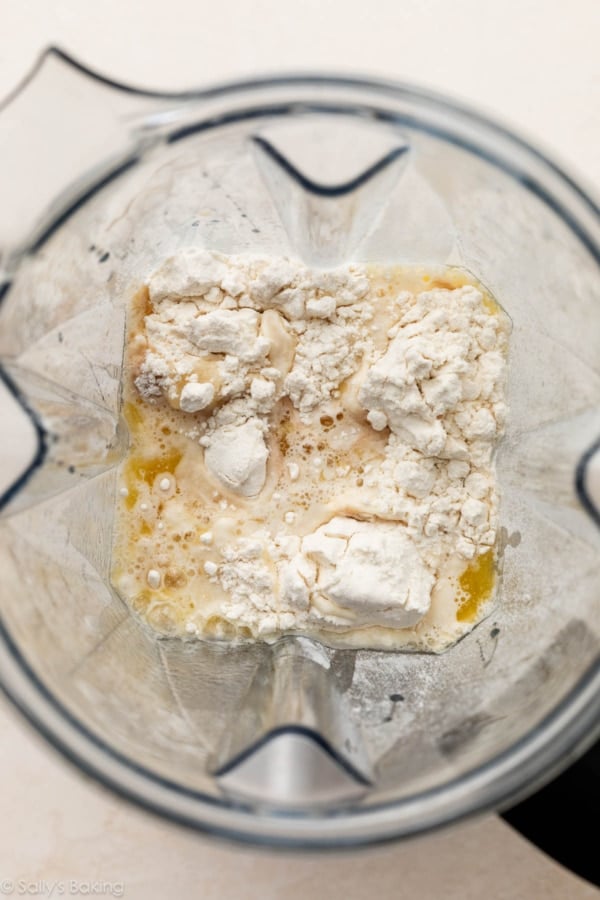
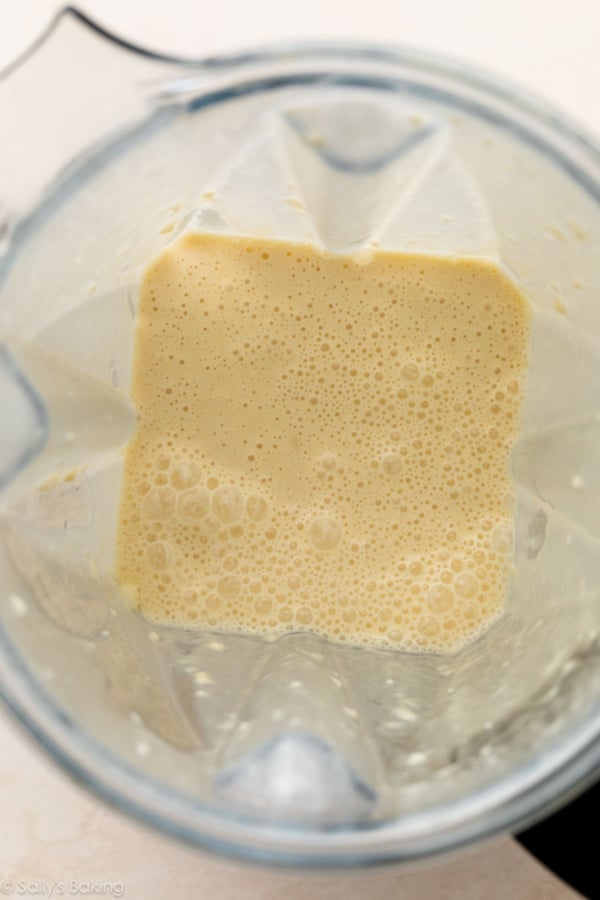
Blending the Batter: The use of a blender is highlighted as a highly effective method for achieving an impeccably smooth batter. After melting the butter, it is essential to allow it to cool slightly to prevent scrambling the eggs when combined. All ingredients—cooled melted butter, flour, sugar, salt, eggs, milk, water, and vanilla extract—are then added to the blender. The high-speed action of the blender efficiently incorporates the flour, eliminating lumps and creating a homogenous mixture. For those without a blender, a whisk and mixing bowl can suffice, though straining the batter through a sieve before chilling is recommended to ensure ultimate smoothness. This blending technique is also noted for its efficacy in similar delicate batters, such as those for Dutch baby pancakes.
-
The Critical Resting Period: Once blended, the crepe batter requires a minimum resting period of 30 to 60 minutes in the refrigerator, though an overnight rest is permissible and often recommended for enhanced flavor and texture. This resting phase is not merely a suggestion but a critical step for several reasons:
- Hydration of Flour: It allows the flour particles to fully absorb the liquid, resulting in a more uniform and consistent batter.
- Gluten Relaxation: The gluten developed during mixing relaxes, which is essential for producing tender, flexible crepes that are less prone to tearing.
- Air Bubble Dissipation: Any air bubbles introduced during blending settle, preventing uneven cooking and small holes in the crepes.
This waiting period offers a practical opportunity for cooks to clean up and prepare their cooking station.
-
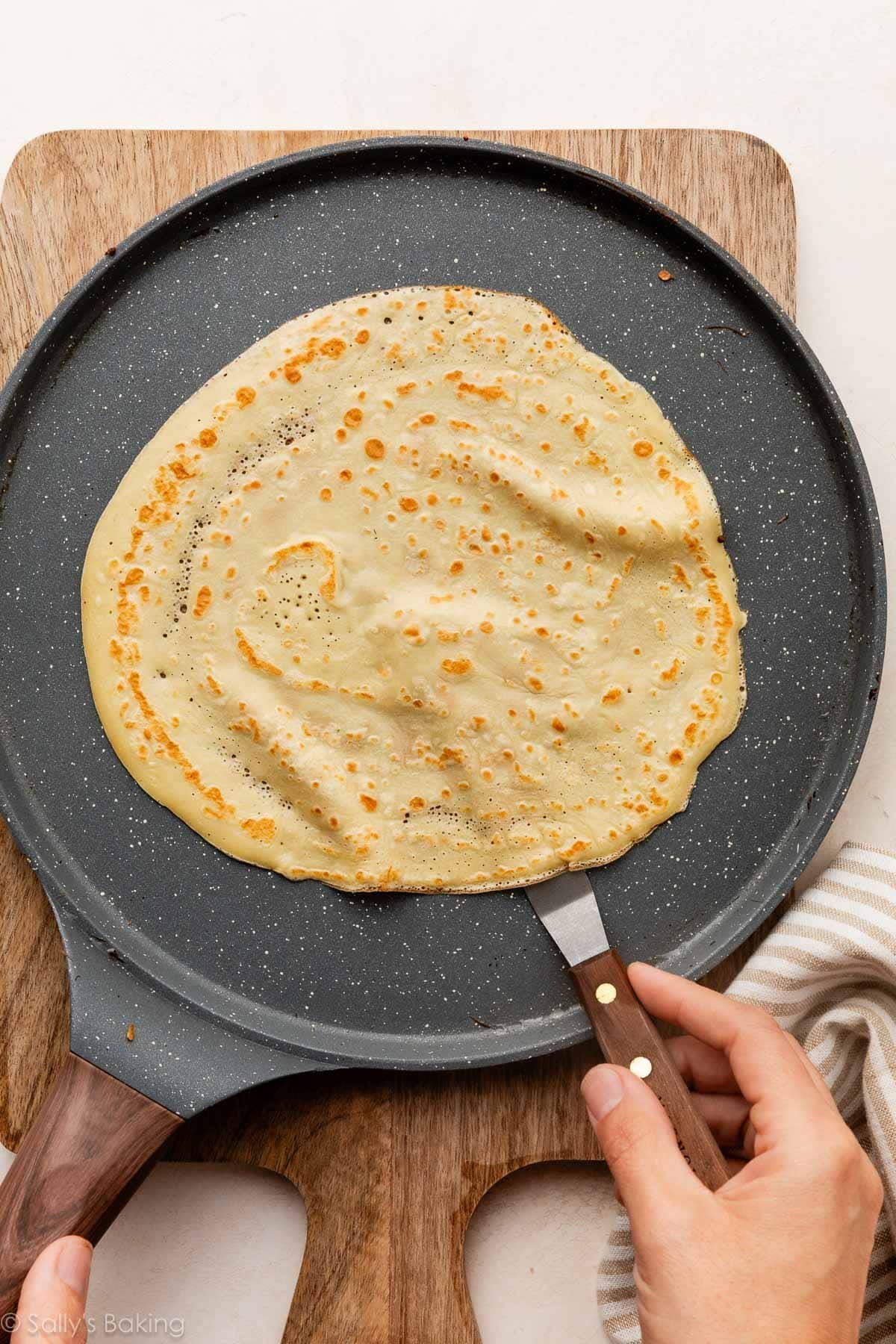
Pan Selection and Heat Management: While specialty crepe pans are available and often used in professional settings, a standard 8-inch skillet performs admirably in a home kitchen. The key is to select a pan that allows for thin, manageable crepes. A larger skillet can be used, but careful attention to batter quantity is crucial to maintain thinness. The pan should be generously buttered before the first crepe, and butter should be reapplied as needed between subsequent crepes to prevent sticking and impart a desirable flavor. Cooking is best done over medium heat, striking a balance between adequate heat for browning and preventing scorching.
-
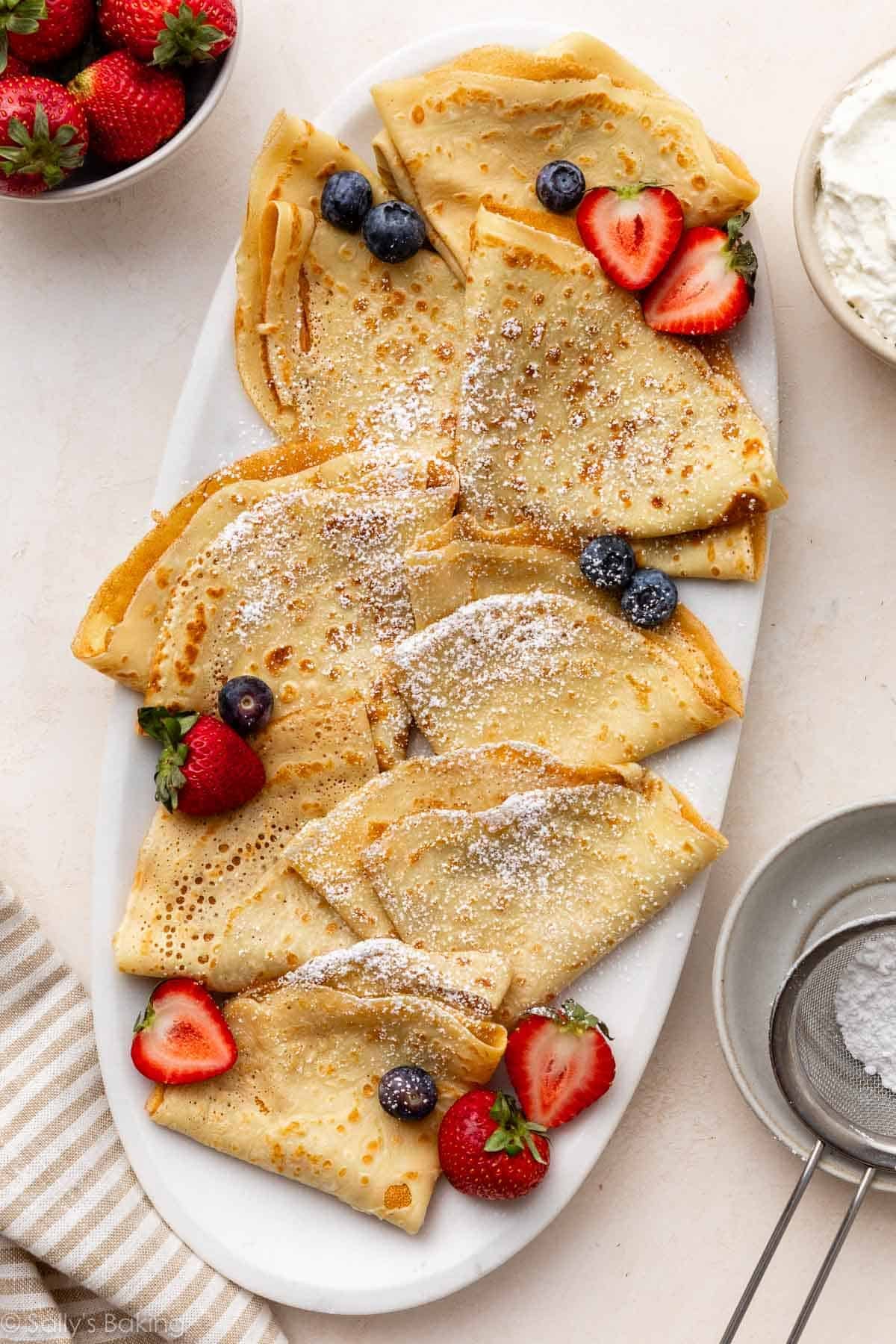
The Art of Cooking: One Crêpe at a Time: The cooking phase requires patience and precision. Approximately 3 to 4 tablespoons of batter per crepe are typically sufficient, with 3 tablespoons often yielding the ideal thinness. The technique involves pouring the batter into the hot, buttered pan and immediately tilting and swirling the pan to spread the batter thinly and evenly across the entire surface. This swirling motion is paramount; insufficient spreading will result in thicker crepes, more akin to tortillas in texture. The first side of the crepe typically cooks for 1 to 2 minutes until the edges are lightly crisp and the surface appears set. A quick flip, followed by a shorter cooking time of about 30 seconds on the second side, completes the process. The repetitive nature of cooking crepes one by one constitutes the longest part of the recipe but is integral to achieving individual perfection.
Ensuring Success: Key Tips for Mastering Crêpe Making
Several critical factors contribute to the consistent success of homemade crepes:
- Batter Consistency: The batter should be thin, similar to heavy cream. If it appears too thick after resting, a tablespoon of milk or water can be added gradually until the desired consistency is achieved.
- Pan Temperature: Maintaining a consistent medium heat is vital. Too low, and crepes will be pale and rubbery; too high, and they will burn before fully cooking.
- Butter the Pan: Regular greasing of the pan prevents sticking and contributes to the golden-brown edges.
- Thin Spreading: The hallmark of a great crepe is its thinness. Master the swirling technique to spread the batter as far as possible across the pan.
- Patience with Flipping: Do not flip the crepe until the edges begin to lift and the surface is mostly set. Premature flipping can lead to tearing.
- Practice Makes Perfect: The first few crepes might not be perfect; they serve as a learning curve for adjusting heat and batter distribution.
Beyond the Basics: Versatile Fillings and Toppings
Crepes, with their subtly flavored and pliable nature, act as an exquisite blank canvas for an almost limitless array of fillings and toppings, catering to every palate and occasion. This versatility is a primary reason for their widespread popularity and makes them an engaging dish for both cooks and diners.
Sweet Crepe Filling Ideas:
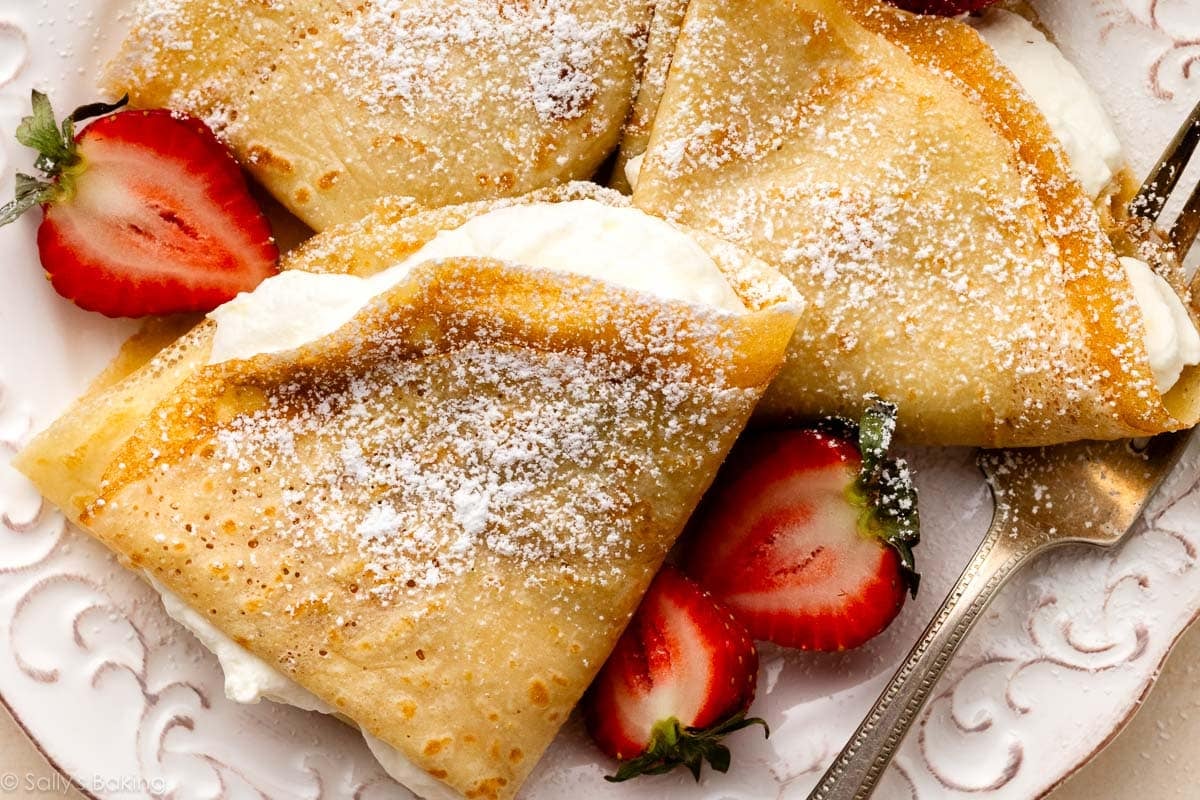
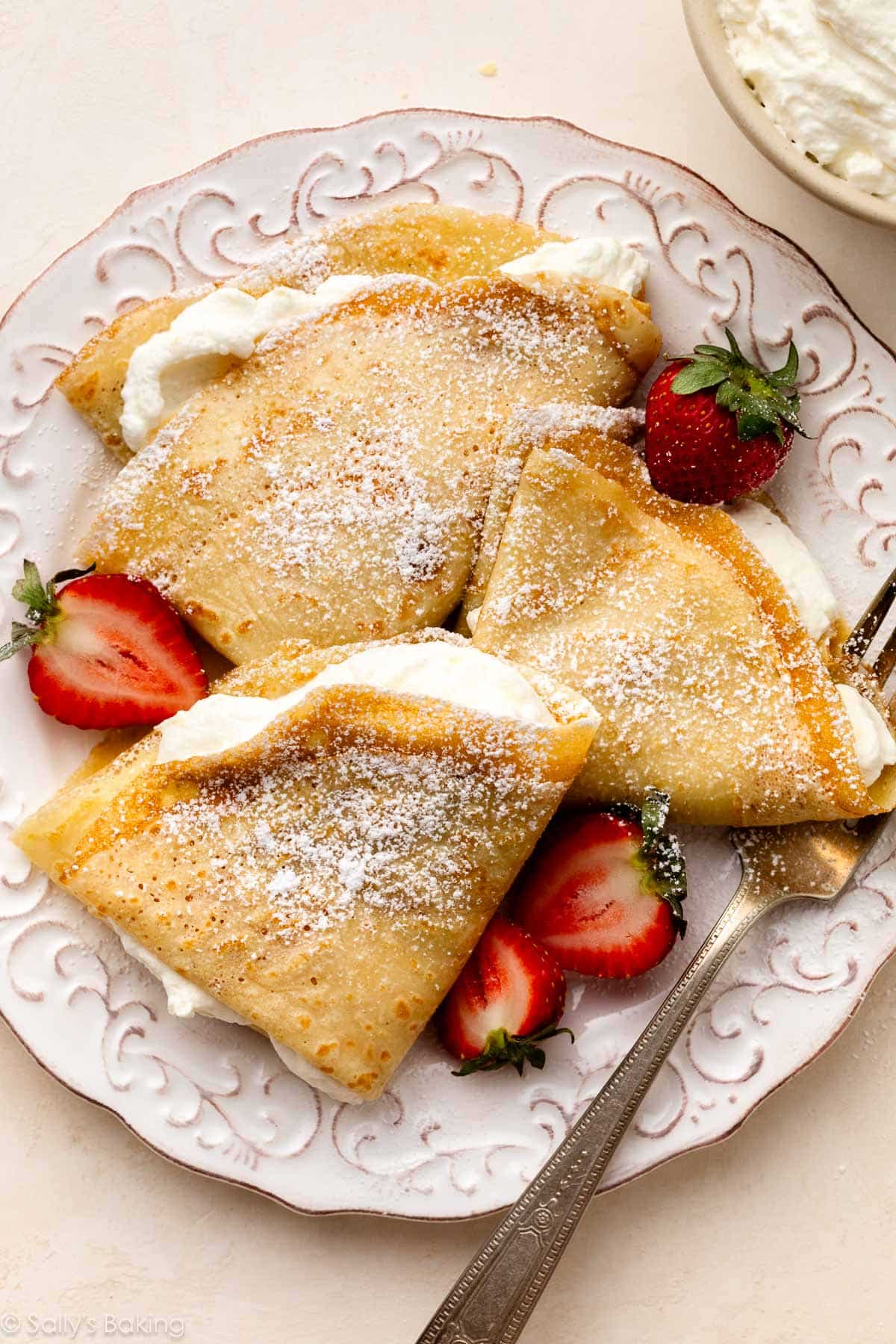
- Classic Simplicity: A dusting of powdered sugar, a squeeze of fresh lemon juice, or a dollop of homemade whipped cream with fresh berries (strawberries, raspberries, blueberries) allows the crepe itself to shine.
- Fruit-Forward: Sliced bananas with Nutella, warm apple pie filling, cherry compote, peach slices, or a medley of seasonal fruits.
- Creamy Delights: Cream cheese filling, sweetened ricotta, mascarpone, or even a simple vanilla custard.
- Chocolate Indulgence: Chocolate syrup, chocolate ganache, chocolate chips, or a rich cocoa spread.
- Nutty Combinations: Chopped nuts (almonds, walnuts, pecans) with honey or maple syrup.
- Jams and Spreads: Any fruit jam, marmalade, or fruit butter.
- Iconic Dessert: The famed Crepes Suzette, prepared with a caramelized sugar and butter sauce, tangerine or orange juice, and Grand Marnier or curaçao, often flambéed, represents the pinnacle of sweet crepe preparation.
Savory Crepe Filling Ideas:
- Breakfast/Brunch Fare: Scrambled eggs, cheese (cheddar, Swiss, Gruyère), bacon, sausage, or ham.
- Vegetarian Options: Sautéed mushrooms and spinach, roasted vegetables (bell peppers, zucchini, onions), goat cheese with herbs, or a creamy béchamel sauce.
- Meat and Poultry: Shredded chicken or turkey with a savory sauce, thinly sliced ham and cheese (the classic "crêpe complète"), ground beef with spices, or smoked salmon with dill cream cheese.
- Seafood Delights: Shrimp scampi, crab meat in a light sauce, or smoked white fish.
- International Inspirations: Incorporating elements from various cuisines, such as a curried vegetable filling, a Mediterranean-inspired feta and olive mix, or a Mexican-style chicken and bean filling.
The neutral flavor of the crepe ensures that it complements a wide spectrum of tastes, making it suitable for breakfast, brunch, lunch, dinner, or dessert.
Preparation Ahead of Time and Storage Solutions
One of the practical advantages of homemade crepes is the flexibility they offer in terms of preparation and storage, making them an ideal option for entertaining or meal prepping.
The crepe batter can be prepared up to 24 hours in advance. After blending, it should be sealed tightly in the blender pitcher or transferred to a mixing bowl and covered securely before refrigerating. This allows for convenient cooking the following day, reducing morning prep time.
Cooked crepes are best enjoyed fresh, but leftovers store well. They can be refrigerated for up to two days. To reheat, crepes can be warmed gently in a microwave or arranged on a lined baking sheet (they can overlap), covered with aluminum foil, and heated in a 275°F (135°C) oven for approximately 10 minutes until warmed through.
For longer storage, crepes can be frozen. To do so, stack cooled crepes with parchment paper or wax paper between each layer to prevent sticking. Wrap the stack tightly in plastic wrap, then aluminum foil, or place in an airtight freezer-safe bag. Frozen crepes can last for up to one month. Thaw them in the refrigerator overnight before reheating as desired.
Addressing Common Challenges: Troubleshooting for Perfect Crepes
Despite their apparent simplicity, home cooks may encounter a few common issues when making crepes. Understanding these challenges and their solutions is key to mastering the recipe:
- Rubbery Crepes: This is almost always a sign of overcooking. Crepes cook quickly, typically needing only 1-2 minutes on the first side and about 30 seconds after flipping. Overcooking dehydrates the crepe, making it tough.
- Tearing Crepes: Tearing often occurs if the batter has not rested long enough, which means the gluten hasn’t relaxed sufficiently, or if the crepe is flipped before the first side has fully set and developed enough structural integrity.
- Thick, Tortilla-like Crepes: This indicates either too much batter was used for the pan size or the batter was not spread thinly enough. The technique of pouring 3-4 tablespoons of batter and immediately swirling the pan to coat the bottom surface is crucial for achieving the characteristic thinness.
- Lumpy Batter: A blender is the most effective tool for preventing lumps. If mixing by hand, vigorous whisking is necessary, and straining the batter through a fine-mesh sieve before chilling can resolve any remaining lumps.
Broader Culinary Impact and Contemporary Relevance
The resurgence of interest in homemade crepes reflects broader culinary trends centered on comfort food, the exploration of global cuisines in the home kitchen, and a desire for accessible gourmet experiences. As consumers increasingly seek to refine their culinary skills and prepare diverse dishes from scratch, comprehensive online guides, often supplemented by video tutorials, play a vital role in empowering them.
Crepes, with their relatively low ingredient cost and high versatility, represent an economical way to elevate everyday meals or create memorable special occasion dishes. Their ability to adapt to both sweet and savory profiles makes them a highly efficient recipe to master, opening doors to a multitude of culinary creations. From a simple breakfast treat to an elegant dessert or a sophisticated main course, crepes exemplify how foundational techniques can yield impressive and satisfying results.
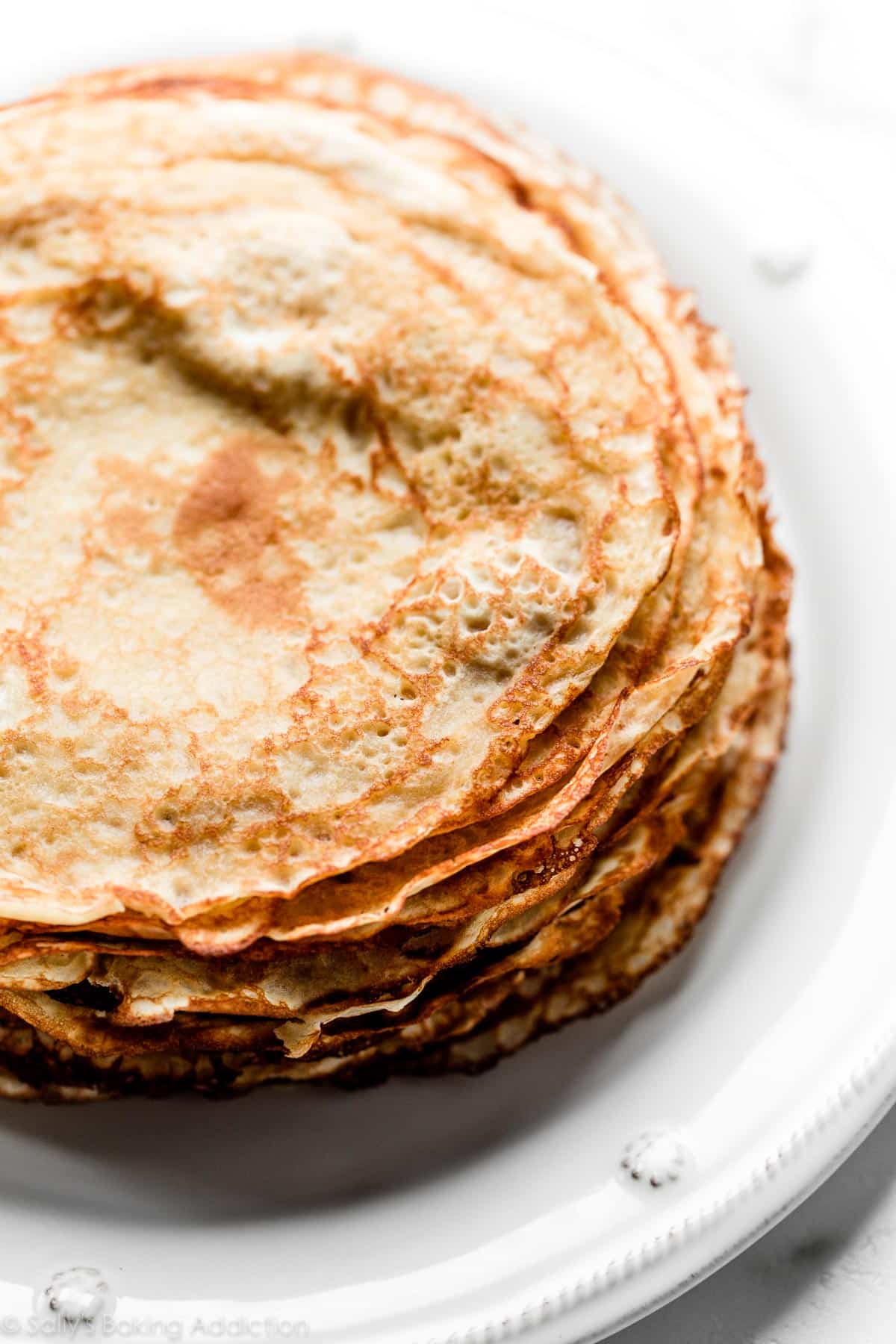
Furthermore, the adaptability of crepes extends to more intricate culinary constructions, such as crepe cakes. These impressive layered desserts, composed of dozens of thin crepes stacked with various cream fillings, demonstrate the advanced applications of a perfectly executed basic crepe recipe.
Ultimately, learning to make crepes from scratch is more than just following a recipe; it is an acquisition of a fundamental culinary skill that offers endless possibilities for creative expression in the kitchen. Their enduring appeal lies in their simplicity, versatility, and the sheer delight they bring to any meal.
