

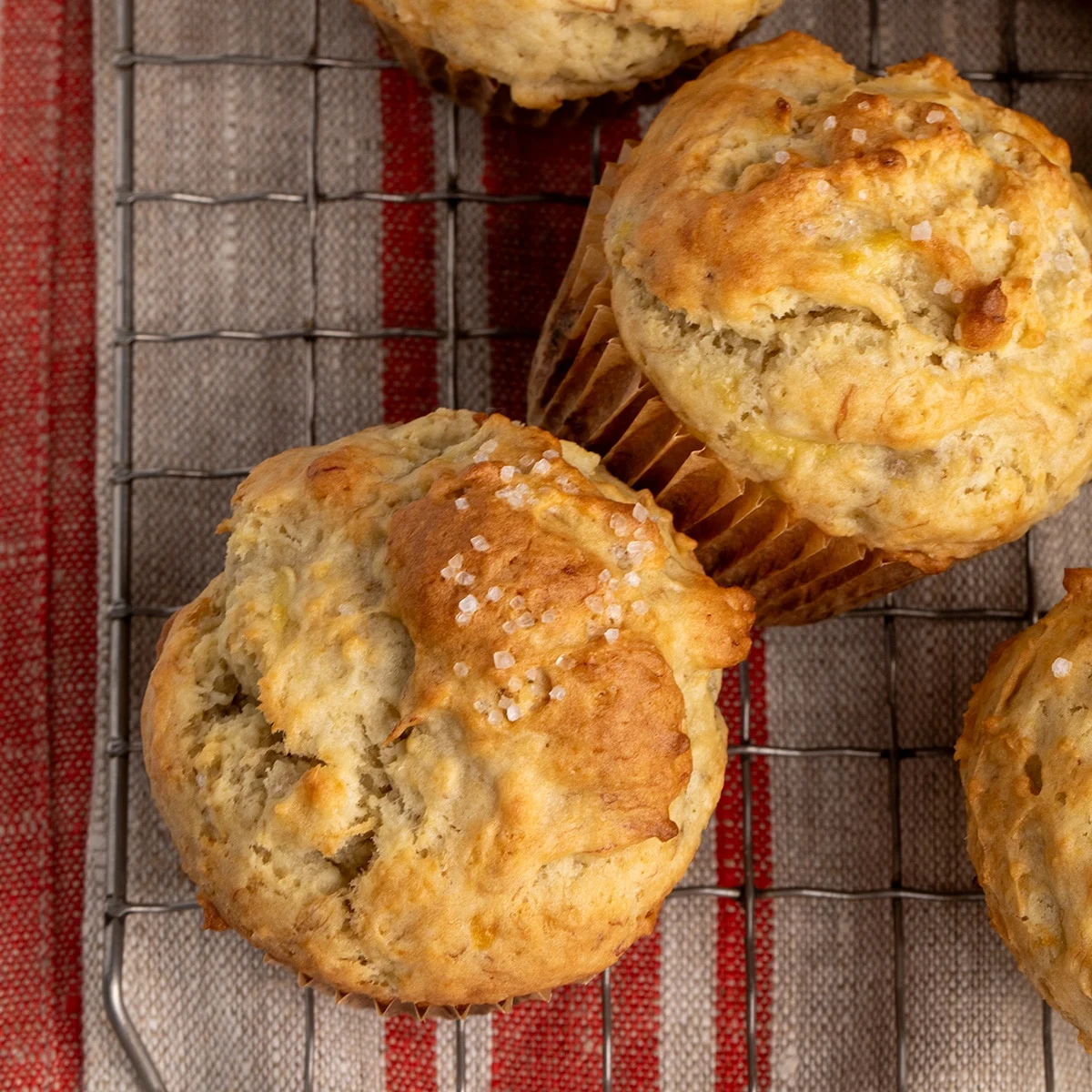
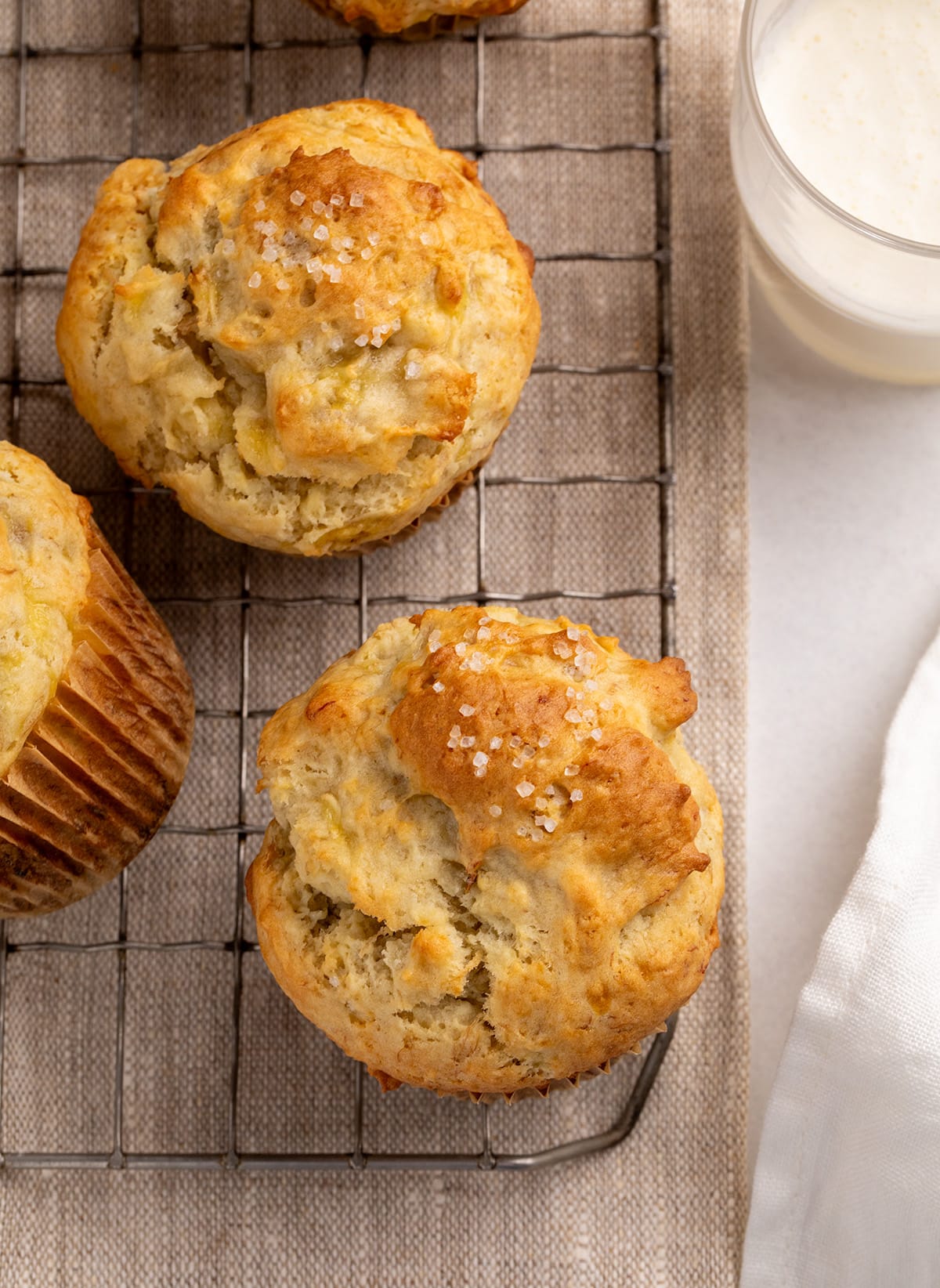
The pursuit of a truly exceptional gluten-free banana muffin, one that rivals its traditional counterpart in both flavor and texture, has long been a culinary challenge. Many attempts result in muffins that are either too dense, gummy, or lacking in the rich, comforting essence of banana. However, a recent exploration into the intricacies of gluten-free baking has yielded a recipe that promises to break this mold, delivering tall, golden-domed muffins with a deeply satisfying banana flavor and an unbelievably soft, fluffy crumb. This achievement is not merely the result of combining ingredients, but a testament to understanding the science behind gluten-free baking, particularly how moisture, leavening, and mixing techniques interact to create a desirable outcome.
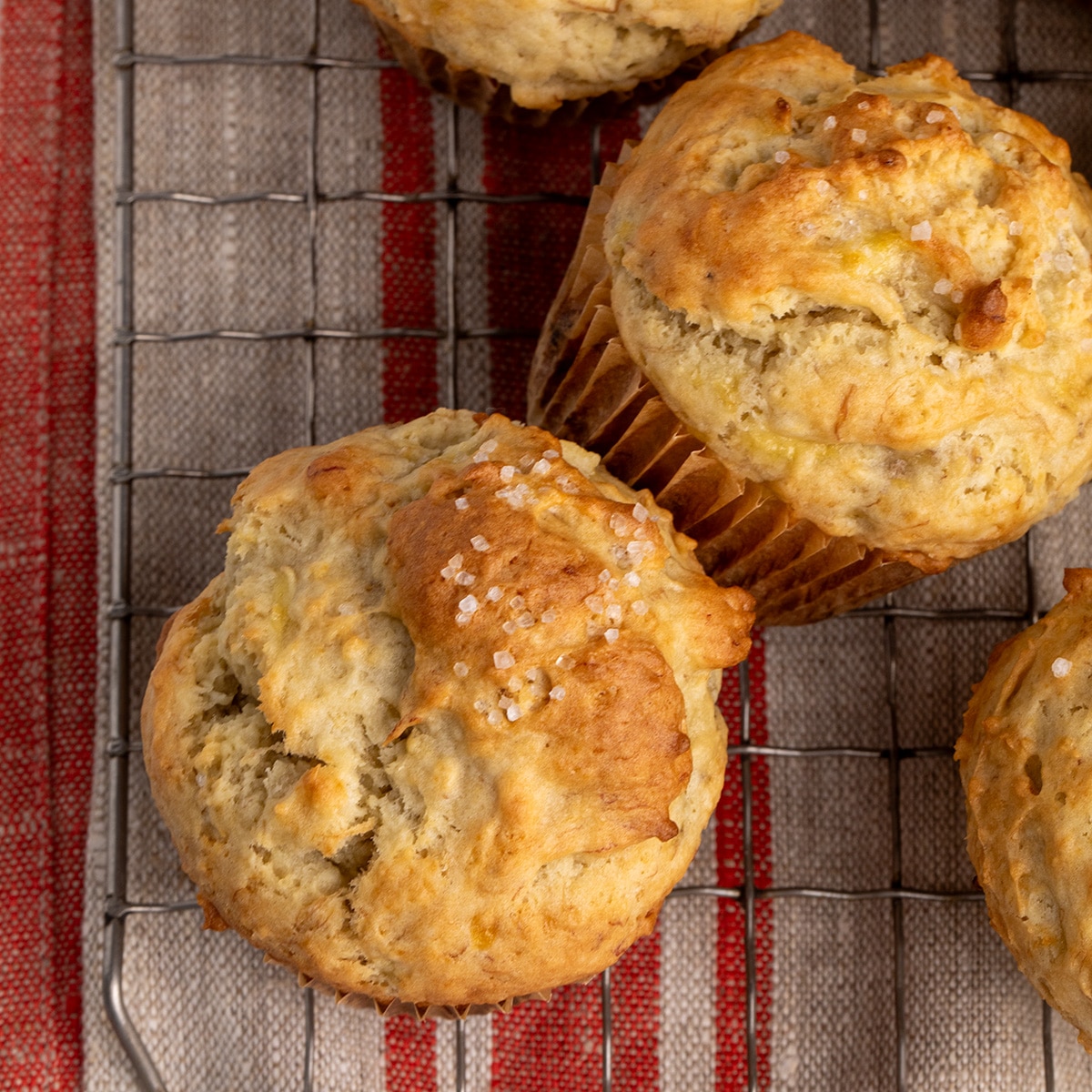
The Science Behind the Ideal Gluten-Free Banana Muffin
At the heart of this successful gluten-free banana muffin recipe lies a meticulous balance of ingredients and techniques. The generous inclusion of 1 and 3/4 cups of mashed ripe bananas is crucial for imparting an intense, natural banana flavor. However, the recipe’s genius lies in its careful management of this significant moisture source. Instead of incorporating the bananas early in the mixing process, which can lead to a gummy texture as their moisture is fully integrated into the batter, they are gently folded in last. This approach minimizes the breakdown of the bananas and controls the release of their moisture, ensuring the final crumb remains light and tender.
Furthermore, the choice of fats plays a significant role. A combination of melted butter and oil is employed. This dual approach provides the richness and flavor associated with butter, while the oil contributes to a consistently moist and tender crumb that resists drying out. This careful selection of fats is a key strategy in combating the common dryness often associated with gluten-free baked goods.
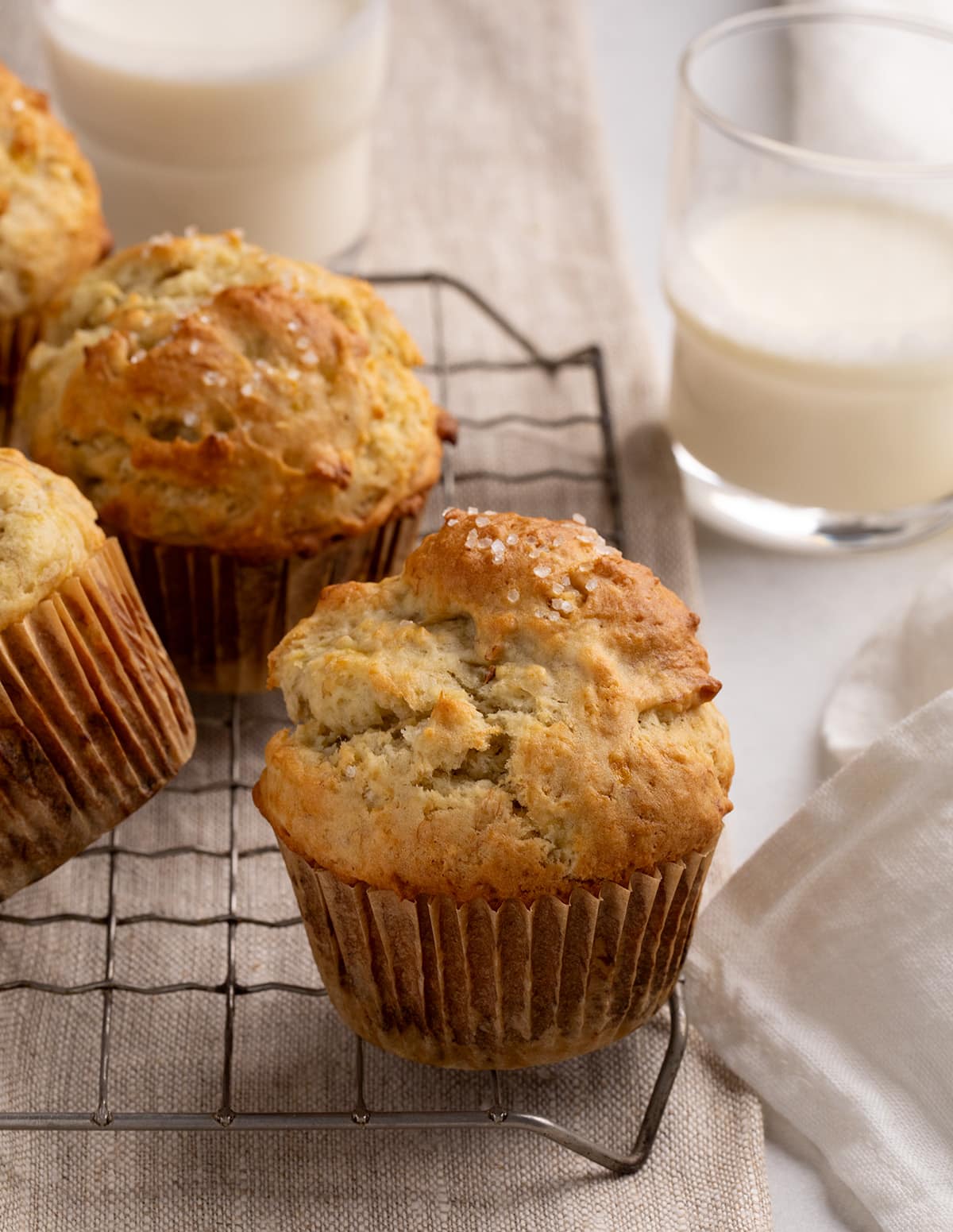
The baking process itself is equally critical. The muffins are initiated in a very hot oven, at 425°F (218°C), for the first five minutes. This initial blast of heat serves a dual purpose: it rapidly activates the leavening agents, encouraging a swift upward rise and creating the desirable tall, domed tops that are characteristic of well-baked muffins. Following this initial surge, the oven temperature is promptly reduced to 350°F (175°C). This lower temperature allows the muffins to bake through to the center without the exterior becoming overcooked or burnt, ensuring an evenly cooked and tender interior.
Key Ingredients and Their Roles
The foundation of any successful recipe lies in its ingredients, and this gluten-free banana muffin recipe is no exception. Each component is chosen for its specific contribution to texture, flavor, and overall structure.
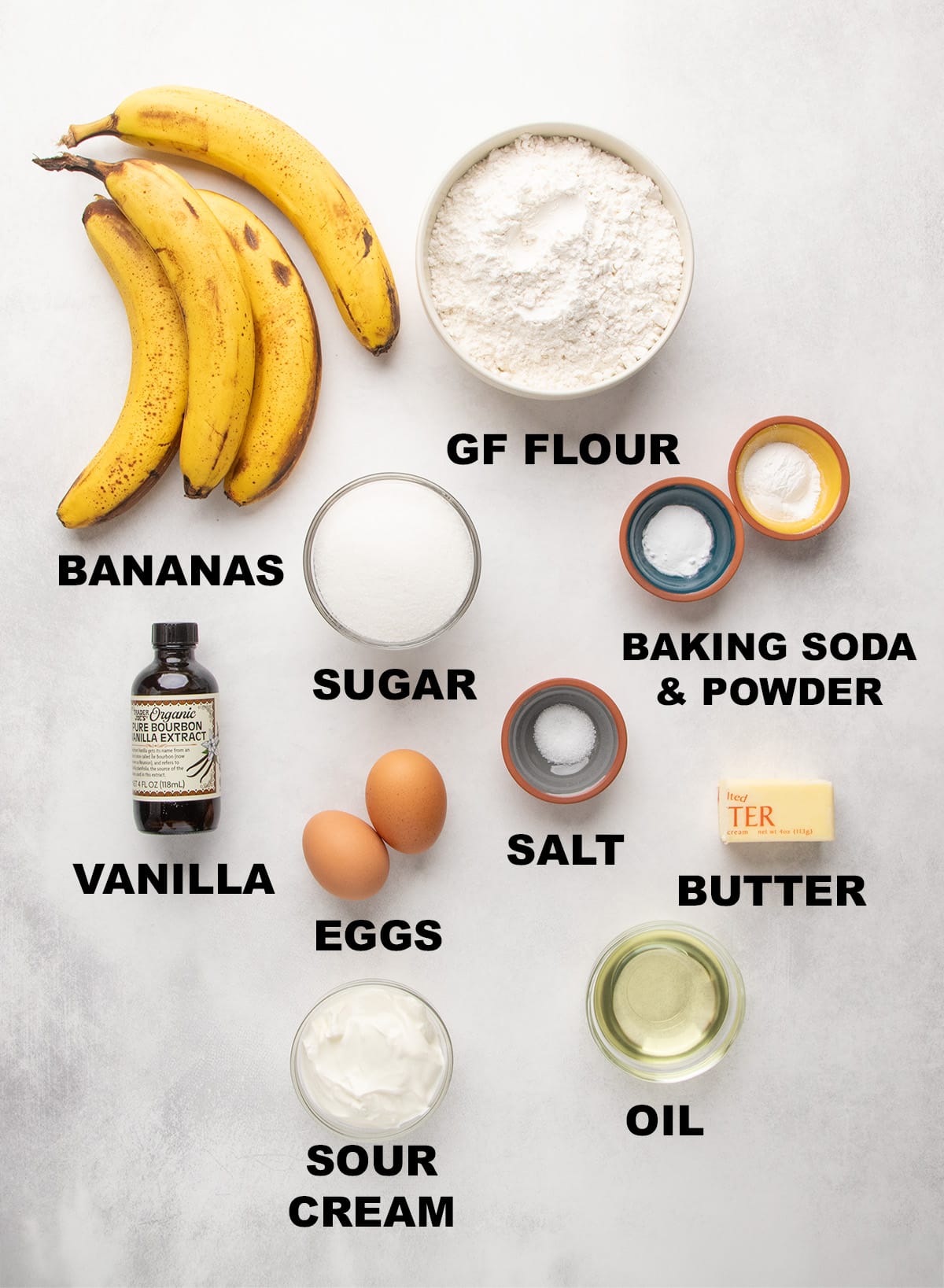
- Ripe Bananas: The star ingredient, providing moisture, sweetness, and that unmistakable banana aroma and taste. The ripeness is paramount, as riper bananas offer more natural sugars and a softer texture, which translates to a more intense flavor in the final product.
- Gluten-Free Flour Blend: The choice of a quality gluten-free flour blend is non-negotiable. Blends specifically formulated for baking, often containing a mix of rice flour, tapioca starch, and potato starch, are recommended. The inclusion of xanthan gum is vital for mimicking the binding and structural properties of gluten, preventing crumbly or overly delicate muffins. The recipe suggests specific blends and notes the importance of adjusting xanthan gum content based on the chosen blend.
- Leavening Agents (Baking Powder and Baking Soda): These are essential for the rise and airy texture of the muffins. Baking soda reacts with acidic ingredients (like sour cream or even the bananas themselves), while baking powder provides an additional lift. The precise balance ensures a good rise without an overpowering chemical taste.
- Sugar: Provides sweetness and contributes to browning and tenderness. The type and amount of sugar can influence the final texture and moisture content.
- Fat (Butter and Oil): As previously discussed, the combination of melted butter and oil delivers both flavor and crucial moisture, preventing the muffins from becoming dry.
- Sour Cream: Adds moisture, tenderness, and a slight tang that balances the sweetness of the bananas and sugar. Its acidity also aids in activating the baking soda.
- Eggs: Act as a binder, providing structure and richness. They also contribute to the leavening process.
- Vanilla Extract: Enhances the overall flavor profile, complementing the banana and adding a warm aromatic note.
The Step-by-Step Journey to Muffin Perfection
The creation of these gluten-free banana muffins is a straightforward process, designed to be accessible even for novice bakers, while incorporating specific techniques for optimal results.
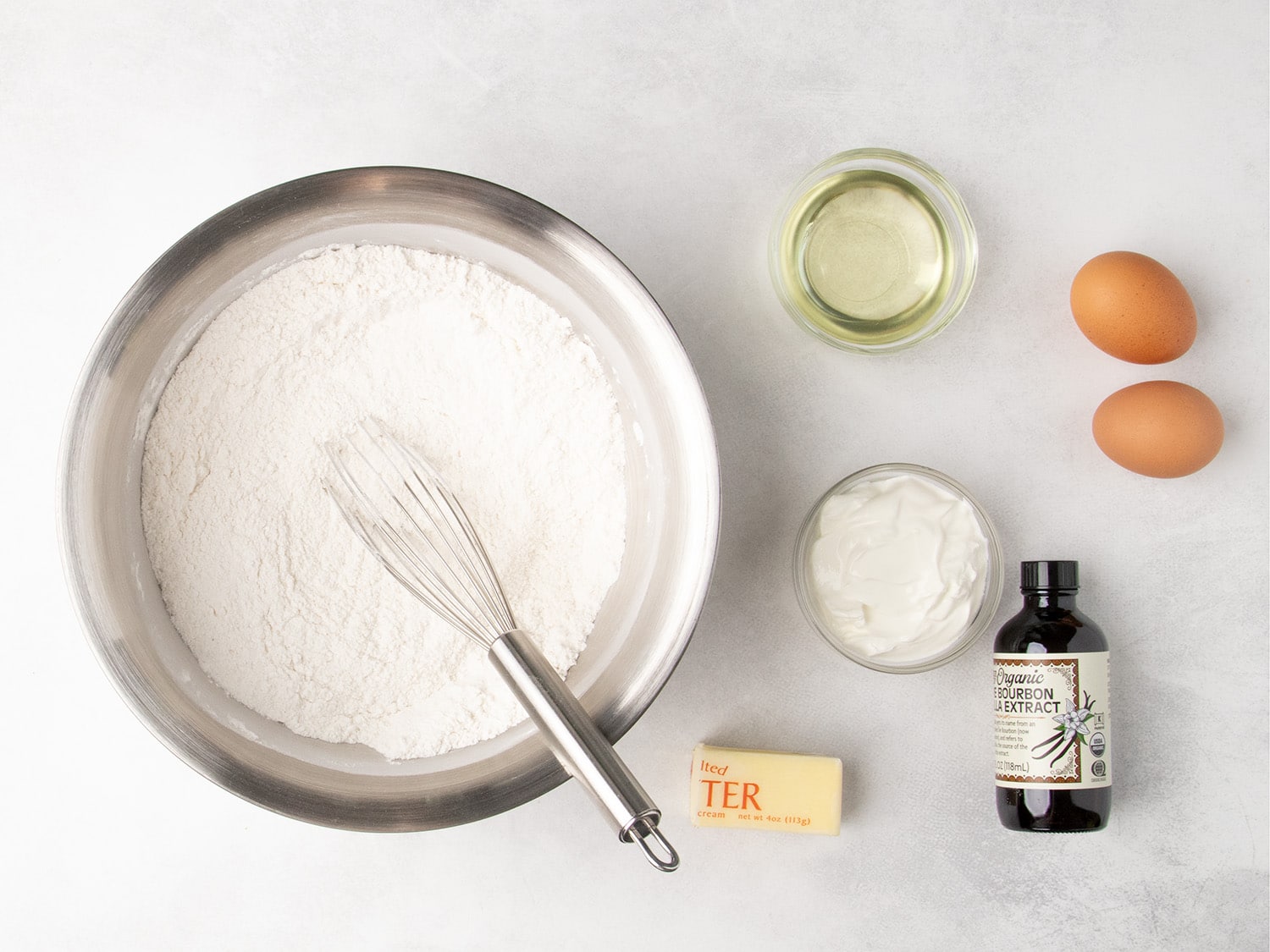
- Dry Ingredient Harmonization: The process begins by thoroughly whisking together the gluten-free flour blend, xanthan gum (if required by the blend), baking powder, baking soda, salt, and sugar in a large mixing bowl. This ensures that the leavening agents are evenly distributed, preventing pockets of under or over-leavening in the final muffins.
- Wet Ingredient Integration (Centralized Approach): A well is created in the center of the dry ingredients. Into this well, the melted butter, oil, eggs, sour cream, and vanilla extract are added. The initial mixing is focused solely on these wet ingredients in the center before gradually incorporating the surrounding dry ingredients. This method streamlines the process by avoiding the need for a separate bowl for wet ingredients, contributing to a simpler workflow.
- Partial Batter Formation: The wet and dry ingredients are mixed until they are just combined. It is expected that this mixture will be quite thick at this stage, and not yet a smooth batter. Over-mixing at this point is to be avoided, as it can develop toughness in gluten-free baked goods.
- The Gentle Fold of Bananas: The mashed ripe bananas are then added to the thickened mixture. A spatula is used to gently fold them in. This is a critical step where tenderness is preserved. The batter will noticeably loosen as the bananas are incorporated. The deliberate last-minute addition ensures the bananas don’t break down excessively, thereby controlling moisture release.
- Strategic Batter Portioning: To achieve the signature tall, domed muffins, a strategic approach to filling the muffin tin is recommended. The batter is scooped into each liner to fill it completely to the brim. Furthermore, it is advised to fill only every other muffin well. This provides ample space for the muffins to rise and expand without their sides touching, promoting an even and impressive rise.
- The Two-Stage Baking Method: The muffins are first baked at a high temperature of 425°F (218°C) for approximately 5 minutes. This initial heat shock triggers rapid leavening, pushing the batter upwards and setting the outer crust. Immediately after this initial burst, the oven temperature is reduced to 350°F (175°C). The muffins then continue to bake for an additional 15 minutes, or until a gentle press in the center causes the tops to spring back, indicating they are fully baked. This two-stage baking is key to achieving both height and a perfectly cooked interior.
- Rapid Cooling for Optimal Texture: Once baked, the muffins are removed from the tin within five minutes and transferred to a wire cooling rack. Leaving them in the hot tin for too long can cause them to steam, leading to a gummy or unpleasantly chewy exterior.
Expert Tips for Enhanced Muffin Mastery
Beyond the core recipe, several expert tips can elevate the quality of these gluten-free banana muffins:
- For the Tallest Muffins: The combination of starting with a high oven temperature (425°F for 5 minutes) and then reducing it, along with filling every other muffin well, is paramount for achieving impressive height. This technique maximizes oven spring and allows for unimpeded expansion.
- Prompt Removal from Tin: As mentioned, removing muffins from the tin promptly after baking is crucial. This prevents residual heat from continuing to cook the bottoms and sides, which can lead to textural issues.
- Ingredient Substitutions for Dietary Needs: The recipe thoughtfully addresses common dietary restrictions.
- Dairy-Free: Butter can be replaced with melted virgin coconut oil (triple-filtered for a neutral flavor), and sour cream can be substituted with a dairy-free sour cream or strained dairy-free plain yogurt.
- Egg-Free: For those avoiding eggs, options include using chia eggs (1 tablespoon ground chia seeds mixed with 2 tablespoons water, allowed to gel), commercial egg replacers like Bob’s Red Mill, or liquid egg substitutes such as "Just Egg."
Storage and Preservation
Proper storage is essential to maintain the freshness and texture of these gluten-free banana muffins.
- Room Temperature Storage: Once completely cooled, muffins can be stored in an airtight container at room temperature for up to five days.
- Refreshing Stale Muffins: A slightly dry muffin can be revived by briefly running it under cold water and warming it in a toaster oven at 300°F (150°C) for a couple of minutes.
- Long-Term Freezing: For extended storage, cool the muffins completely. Then, freeze them on a baking sheet until solid before transferring them to a zip-top bag. They will keep well for up to two months. Thawing can be done at room temperature or by microwaving for approximately 25 seconds. For the best texture, reheating in a low toaster oven is recommended.
Addressing Common Baking Challenges
Understanding potential pitfalls can help bakers troubleshoot and ensure success.
- Frozen Bananas: Yes, frozen bananas can be used. Ensure they are fully thawed before adding them to the batter, and crucially, include both the fruit and any released liquid to maintain the correct moisture balance.
- Sinking Muffins: If muffins sink after cooling, it typically indicates they were underbaked. The exterior may have appeared done, but the center remained raw. This is often caused by an oven running too hot. Utilizing an oven thermometer and baking until the centers spring back is the recommended solution.
- Mini Muffin Variations: The recipe can be adapted for mini muffins. A 24-cup mini muffin tin can be used, filling each well to the top. Baking time will be shorter, starting to check for doneness around 15 minutes at 350°F (175°C) from the start.
- Add-Ins: For those seeking to customize, additions like up to ½ cup of chocolate chips or 2-3 ounces of chopped nuts (walnuts or pecans) are excellent options. A teaspoon of ground cinnamon mixed with the dry ingredients can also add a warm spice note.
The development of this gluten-free banana muffin recipe represents a significant step forward in gluten-free baking. By meticulously addressing the challenges of moisture management, leavening, and texture, it offers a delectable and satisfying treat that can be enjoyed by all, regardless of dietary needs. The focus on both scientific principles and practical application ensures that bakers can achieve consistent, high-quality results, bringing the joy of a perfectly baked banana muffin within reach.
