

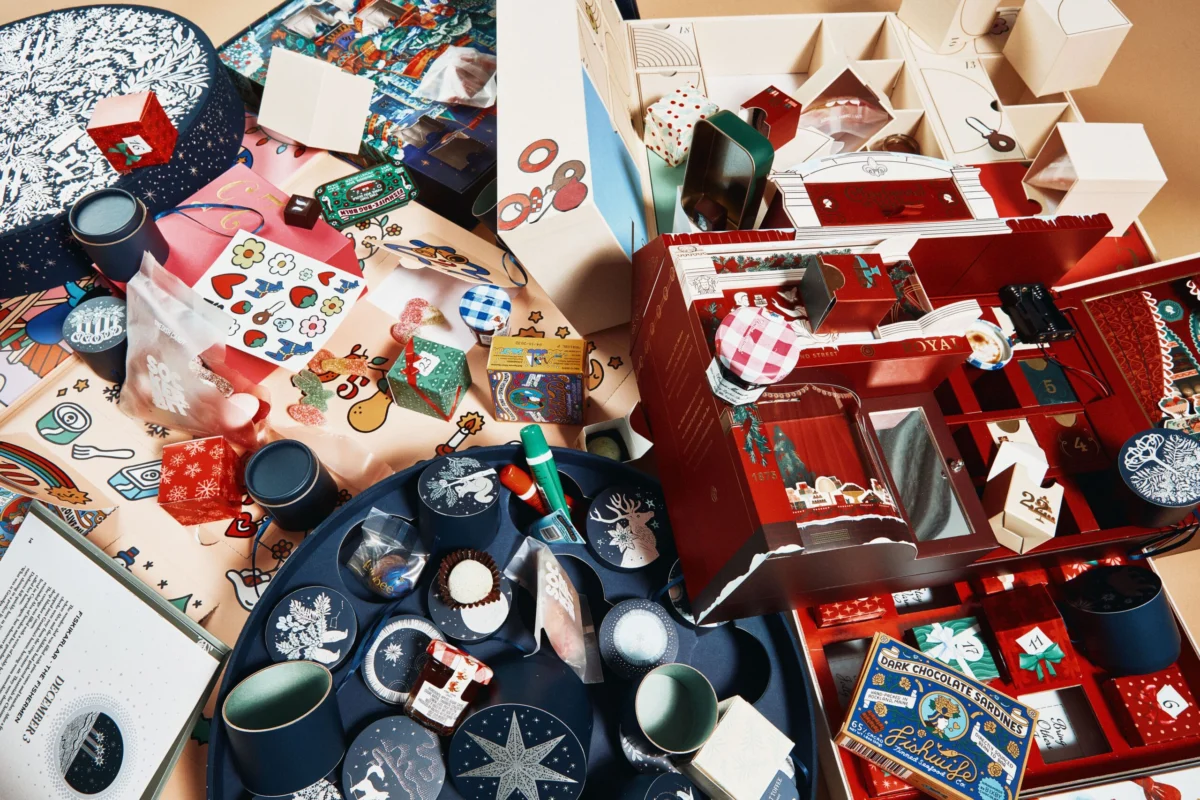
The holiday season has witnessed a remarkable evolution in one of its most cherished traditions: the Advent calendar. Far from their humble origins, these daily countdowns to Christmas have been "souped-up" into sophisticated, often luxurious, culinary experiences, with virtually every major player in the food and beverage industry now vying for a share of this burgeoning market. This festive phenomenon is not merely a passing trend but a significant retail shift, driven by a confluence of consumer desires for micro-indulgences, perceived value, and the unique sensory satisfaction of daily discovery. Experts point to several factors fueling this unprecedented surge, positioning the Advent calendar as a cornerstone of modern holiday gifting.
A Festive Phenomenon: The Rise of Gourmet Advent Calendars
The modern Advent calendar has transcended its traditional chocolate-filled cardboard form, transforming into a diverse array of premium offerings that cater to an increasingly discerning consumer base. This shift sees calendars featuring everything from artisanal jams and exotic spices to craft beers, fine wines, gourmet coffee beans, and even tinned fish. The widespread adoption of this trend by prominent food and beverage brands underscores its commercial viability and cultural resonance.
According to data compiled by Advent Center, a global hub for Advent calendar data and reviews, there are approximately 250 food and drink calendars available on the market this year. This category alone constitutes about a third of the thousands of calendars listed for the upcoming holiday season, demonstrating its considerable footprint within the broader Advent calendar landscape. Max Zeshut, founder of Advent Center, highlights the accessibility of food and drink calendars as a key driver of their popularity. He notes they often serve as a more affordable and less committal entry point into the Advent ritual compared to, for instance, high-value beauty boxes. Despite the influx of new and unconventional iterations, traditional chocolate calendars continue to serve as a foundational element, appealing to a timeless holiday sentiment.
Decoding the Demand: Why Consumers Are Embracing Daily Delights
The robust growth of the gourmet Advent calendar market is underpinned by a complex interplay of psychological, economic, and social factors. In an era often characterized by economic uncertainties and high living costs, these calendars offer consumers a daily dose of "little treats" and "micro-indulgences" that provide consistent moments of joy without requiring a substantial one-time outlay. This incremental pleasure serves as a welcome respite, a small luxury to anticipate each day. Florence Baras and Stefan Ernberg, founders of Sockerbit Scandinavian candy—one of the newest entrants to the food Advent calendar space—aptly capture this sentiment, stating, "There’s something so special about having a small treat to look forward to each day."
Beyond the simple pleasure of daily treats, the concept of "saving big" on high-value bundles significantly influences purchasing decisions. Many premium Advent calendars offer a curated collection of products at a price point that, when compared to purchasing each item individually, represents a substantial discount. This perceived value proposition makes them an attractive option for consumers looking to explore new brands or indulge in favorite products cost-effectively.
Furthermore, the "sensory satisfaction of unboxing" plays a crucial role. The ritual of opening 25 (or sometimes 12) individually packaged items leading up to Christmas taps into a deep-seated human enjoyment of surprise and discovery. This experiential aspect is highly conducive to social media sharing, generating organic buzz and user-generated content that further amplifies the trend. The anticipation built over several weeks creates a prolonged engagement that traditional single-item gifts often cannot replicate.

From Humble Beginnings to Modern Marvels: The Evolution of the Advent Calendar
The journey of the Advent calendar from a simple religious observance to a global retail phenomenon is a fascinating testament to cultural adaptation and commercial innovation. Its origins can be traced back to 19th-century German Protestants, who would mark chalk lines on doors or light candles to count down the days of Advent. The first printed Advent calendar emerged in Germany in the early 20th century, typically featuring religious imagery and small doors to open.
Following World War II, the tradition gained wider international appeal, particularly with the introduction of calendars containing small pieces of chocolate behind each door. For decades, the chocolate Advent calendar remained the dominant form, a simple, affordable treat for children. However, the late 20th and early 21st centuries saw a significant diversification. Initially, this expansion branched into themes like beauty products, toys, and stationery. The more recent and rapid evolution into gourmet food and drink calendars represents the latest and arguably most impactful transformation, aligning with broader trends in experiential consumption and the premiumization of everyday goods. This strategic pivot allowed brands to tap into an existing cultural tradition and infuse it with contemporary desires for novelty, quality, and curated experiences, thereby creating an entirely new holiday gifting category.
Industry Giants and Artisanal Innovators: Crafting Unique Culinary Journeys
The current market is a vibrant ecosystem where established brands leverage their heritage, and agile newcomers innovate with niche products. This dynamic interplay drives the continuous expansion and diversification of offerings.
Bonne Maman’s Enduring Legacy: The "Jamvent" Phenomenon
At the forefront of the gourmet food Advent calendar movement is Bonne Maman, whose annual jam and spread calendars have cultivated a dedicated following over the past decade. Affectionately dubbed "Jamvent" by its fan base, these calendars have become a staple of the holiday season, selling out annually. The company’s commitment to this product is evident in its meticulous planning, which begins two years in advance. The development team scours for seasonal ingredients and analyzes market trends to produce 24 limited-edition jams and spreads exclusively for the calendar. This dedication has paid off handsomely, with production growing by an astounding 400% since 2017. This year marks the 10th anniversary of the Bonne Maman Advent calendar, a testament to its sustained popularity. A company spokesperson expressed gratitude, noting, "We’re grateful to the fans who have made it part of their holidays." They also highlighted the vibrant community engagement on social media, where fans share "everything from matcha pairings and coffee creations to new takes on toast, along with plenty of flavor-by-flavor reviews." This direct feedback loop even influences which flavors return or are released in larger sizes, demonstrating a successful model of consumer-driven product development.
New Entrants and Niche Markets: Expanding the Culinary Spectrum
The success of pioneers like Bonne Maman has inspired a wave of new entrants, eager to capitalize on the Advent calendar’s potential for brand discovery and engagement.
- Sockerbit Scandinavian Candy: As a relative newcomer, Sockerbit has quickly carved out a niche with its unique offering of Scandinavian confectionery, appealing to consumers seeking distinctive and high-quality sweet treats.
- Fishwife’s Tinned Fish Calendar: Venturing into an unexpected yet increasingly popular gourmet category, Fishwife, a tinned fish company, launched its inaugural 12-door calendar this season, retailing for $150. Becca Millstein, Fishwife CEO and co-founder, shared with Bon Appétit the compelling reason behind their launch: "Still, the demand [for calendars] grew too loud to ignore, so we decided to go for it." Millstein cited the company’s prior success in online gifting as a clear indicator of consumer readiness for such a novel product. The calendar, featuring an assortment of tinned fish and complementary extras, was designed with "elements of surprise and delight" to generate social media buzz and user-generated content, a critical marketing strategy in today’s digital landscape. "In the end, we simply had to do it," Millstein affirmed, acknowledging the overwhelming market signal.
- Fly By Jing’s Sichuan Condiments: The Sichuan condiment company Fly By Jing experienced immediate success with its Advent calendar, which launched in 2024 and sold out within approximately a month. Founder Jing Gao quickly recognized the calendar’s strategic value, particularly as a customer acquisition tool. Gao revealed that 65% of their Advent calendars this year were purchased by new customers, and historically, 20% of calendar purchasers go on to make an additional Fly By Jing purchase by year-end. This demonstrates the calendar’s efficacy in introducing new consumers to the brand’s diverse flavor profiles. "To me, that really speaks to the power of discovery and giving people a chance to explore our flavors in a fun, unexpected way," Gao explained. She emphasized the creative freedom the calendar provides her team, stating, "It’s become such a fun creative outlet for our team. I think that joy really comes through in the experience."
- Onyx Coffee Lab’s Bean Expedition: Even specialty coffee roasters are embracing the trend. Onyx Coffee Lab in Arkansas offers a unique calendar featuring 24 different coffees, each a 56-gram package of whole beans, meticulously roasted on a schedule to ensure peak freshness by its respective reveal day. Co-founder Andrea Allen articulates the educational and connective potential: "There’s so much storytelling, education, and human connection surrounding coffee, and Advent gives us a unique opportunity to explore those things in ways that might not make sense within our everyday offerings." This approach transforms the calendar into an immersive learning experience for coffee enthusiasts.
Market Dynamics and Economic Impact: A Billion-Dollar Holiday Tradition
The burgeoning popularity of Advent calendars is clearly reflected in robust market projections. According to research compiled by Accio, a B2B platform, the global Advent calendar market is anticipated to grow significantly, from an estimated $1.32 billion in 2024 to an impressive $2.47 billion by 2033. This represents a substantial growth trajectory of approximately 87% over nine years, underscoring the deep entrenchment and continued expansion of this holiday tradition within the global retail landscape.
Food and drink calendars are poised to capture a substantial share of this growth, propelled by their broad appeal and the continuous innovation from both established mainstays and dynamic newcomers. The economic drivers behind this growth are multifaceted. For consumers, these calendars represent a convenient and often cost-effective way to sample a variety of premium products, making luxury more accessible. For retailers and brands, Advent calendars offer a powerful seasonal sales boost, an effective new customer acquisition strategy, and a unique platform for brand storytelling and product discovery. They transform a transactional purchase into an engaging, month-long brand interaction, fostering loyalty and driving repeat business, as evidenced by Fly By Jing’s statistics.

However, the rapid expansion also presents operational considerations for brands. The intricate logistics of sourcing diverse ingredients, managing specialized packaging for 12 or 25 unique items, and coordinating production schedules for seasonal launches, as highlighted by Bonne Maman’s two-year planning cycle and Fishwife’s "operational demands," require significant investment and strategic foresight. Despite these challenges, the demonstrable demand and lucrative returns continue to incentivize brands to navigate these complexities.
The Social Media Echo Chamber: Driving Engagement and Discovery
In the digital age, the success of Advent calendars is inextricably linked to social media. The inherent "surprise and delight" element of daily unboxing translates perfectly into highly shareable content. Consumers eagerly post their daily reveals, discuss their favorite treats, and showcase the aesthetic appeal of the calendars, generating vast amounts of user-generated content (UGC). This organic promotion is invaluable for brands, providing authentic testimonials and expanding reach without direct advertising costs.
The "Jamvent" fan groups for Bonne Maman, the "chatter and user-generated content" around Fishwife’s calendar, and the flavor-by-flavor reviews shared by Onyx Coffee Lab enthusiasts all underscore the power of community building around these products. Social media platforms become virtual town squares where consumers connect over shared experiences, offer recommendations, and even influence future product development. Furthermore, influencers play a significant role, showcasing calendars to their followers and often driving considerable sales through visually appealing unboxing videos and curated content. This symbiotic relationship between product, consumer, and digital platform is a critical component of the Advent calendar’s sustained market dominance.
Peak Calendar? The Future of Festive Foretastes
With such rapid expansion, a natural question arises: Have we stretched Advent calendar hype to its absolute limits? Max Zeshut of Advent Center offers an insightful perspective, suggesting that the market still holds untapped potential. "The clearest sign of demand is that people search for calendars that don’t exist," he stated, citing "Monster Energy calendar" as one of the most searched terms on his site despite no official product. This indicates a robust, unfulfilled consumer appetite for novel and unexpected calendar concepts, extending far beyond current offerings. Zeshut concludes, "I don’t think we’ve reached peak calendar, but we may have reached peak chocolate."
This assessment points towards a future where innovation will continue to drive growth. Emerging trends are likely to include even more hyper-niche categories, catering to highly specific interests—imagine calendars dedicated to artisan salts, international hot sauces, or craft tea blends. Sustainability will also play an increasingly important role, with demand for reusable calendars, eco-friendly packaging, and ethically sourced products gaining traction. Customization options, allowing consumers to personalize their daily treats, could also become a significant differentiator. The market may also see a rise in "experiential" calendars that provide components for a daily activity or recipe, further deepening engagement.
While challenges such as market saturation in certain categories and the constant need for novelty will persist, the underlying appeal of the Advent calendar—a daily dose of anticipation, discovery, and indulgence—remains strong. Its evolution from a simple countdown to a sophisticated culinary journey is a testament to its enduring charm and adaptability. Far from being a fleeting trend, the "souped-up" Advent calendar has solidified its place as a dynamic and integral part of the holiday retail landscape, continually reinventing itself to meet and exceed consumer desires for daily joy and curated experiences.
