

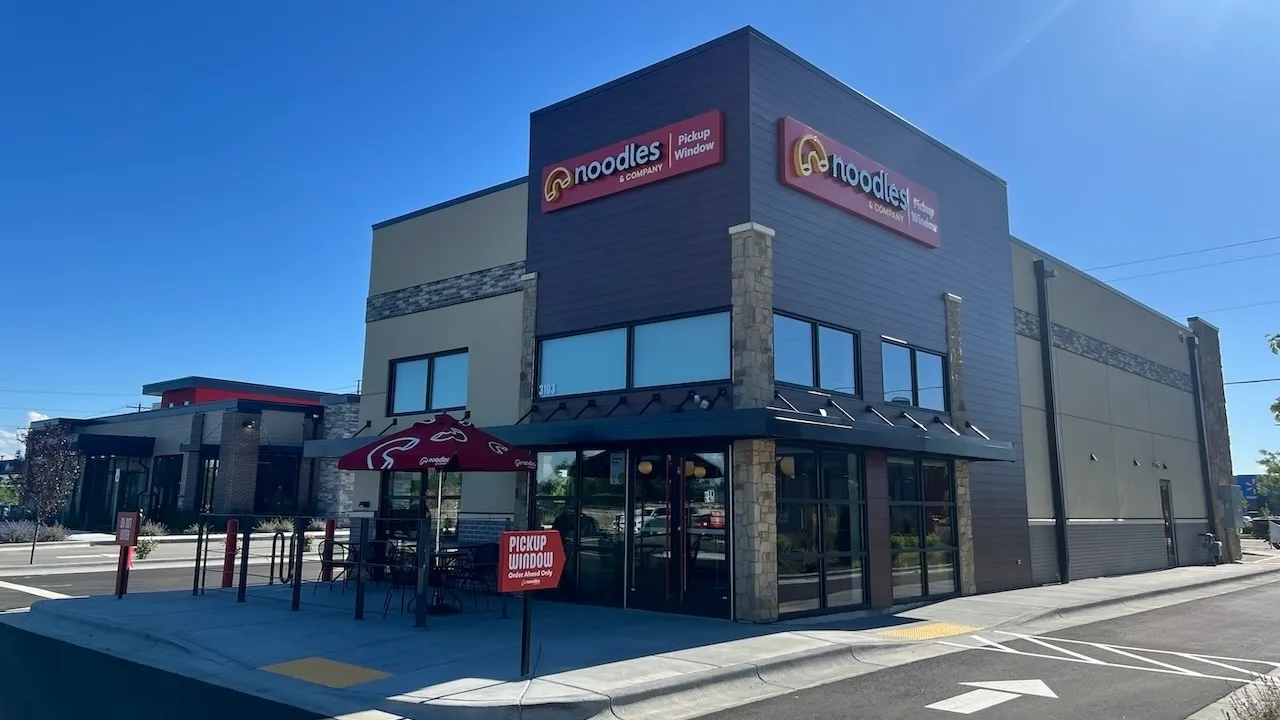
Noodles & Company’s third quarter financial results presented a complex picture, reflecting the ongoing strategic initiatives aimed at revitalizing the fast-casual noodle chain. While the company demonstrated encouraging signs of growth in key operational areas, it continues to grapple with profitability challenges and a significant debt burden. The latest earnings report, released on Friday, highlighted a notable increase in same-store sales and customer traffic, yet underscored the financial pressures stemming from a deliberate portfolio optimization strategy.
Navigating a Dual Trajectory: Growth and Restructuring
The third quarter saw Noodles & Company achieve a robust 9.5% increase in same-store sales for its company-owned locations, a significant indicator of returning customer confidence and the efficacy of recent operational adjustments. Complementing this, traffic at these same stores rose by 7.8%. These figures represent the eighth consecutive quarter of positive same-store sales growth, underscoring a consistent upward trend at the unit level. Average Unit Volumes (AUVs) also saw a substantial uptick, increasing by 15.2%, and restaurant-level margins improved by 3.5 percentage points to 16.7%. This suggests that the remaining and newly optimized locations are performing more efficiently and profitably.
However, this operational progress is occurring against a backdrop of ongoing financial headwinds. The company reported a net loss of $2.1 million, or $0.36 loss per diluted share, for the quarter ended September 29. This compares to a net loss of $9.2 million, or $1.58 loss per diluted share, in the third quarter of the previous year. While the net loss has narrowed significantly, the company’s overall financial health remains a concern, exacerbated by a substantial debt of $101 million and limited available cash of $1.5 million. Operating margins stood at a slim 0.1%, although the company anticipates improvement in 2027. Total revenue for the quarter declined by 1.0% to $120.9 million, down from $122.1 million in the same period of 2025, a consequence directly linked to the ongoing store closure initiative.
The Strategic Imperative: Portfolio Optimization and its Short-Term Costs
The primary driver behind the revenue dip and the continued profit losses, as explained by Noodles & Company’s executive leadership, is the aggressive portfolio optimization project. This initiative involves the closure of underperforming locations to streamline operations and reallocate resources. In the last quarter alone, 14 stores were shuttered. This strategic pruning, while intended to foster long-term gains, inevitably creates short-term financial pain through closure costs and the temporary disruption of sales.
Michael Hynes, CFO of Noodles & Company, elaborated on the impact of this strategy during the earnings call. "We continue to see a meaningful improvement in our restaurant-level economics related to our portfolio optimization project," Hynes stated. "In the third quarter, we continued to see a transfer of sales from recently closed restaurants to nearby Noodles locations. This creates an ongoing increase to the AUVs of the restaurants that were in proximity to the closed restaurants and contributes to restaurant contribution margin growth." This observation indicates that customers are redirecting their spending to nearby, presumably stronger, Noodles & Company outlets, validating the strategic decision to consolidate and strengthen the remaining footprint.
The company has outlined a clear timeline for this restructuring. By the end of 2026, Noodles & Company plans to have closed a total of 41 to 44 company-owned and franchised restaurants. The precise number of closures beyond 2026 has not been detailed, but the current plan signals a significant reshaping of the company’s physical presence. This systematic approach to store rationalization is a critical component of the broader recovery plan, aiming to create a more efficient and profitable network of restaurants.
Driving Sales Through Innovation: The Ramen Revolution and Menu Evolution
Beyond the strategic consolidation of its physical footprint, Noodles & Company is actively pursuing growth through menu innovation and marketing efforts. A cornerstone of this strategy has been the expansion of its ramen platform. Initially introduced as a Limited Time Offer (LTO) in October 2025, ramen has since become a permanent fixture on the menu due to overwhelming customer demand. This move reflects a keen understanding of evolving consumer preferences and a successful response to market trends, particularly the growing popularity of authentic and flavorful noodle dishes.
The success of the ramen platform, alongside other menu enhancements and targeted marketing campaigns, has demonstrably boosted sales at the remaining restaurants. The consistent positive same-store sales growth, now spanning eight consecutive quarters, is a testament to these efforts. The significant increase in AUVs and restaurant-level margins further validates the effectiveness of these strategies in driving incremental sales and improving profitability at the individual store level.
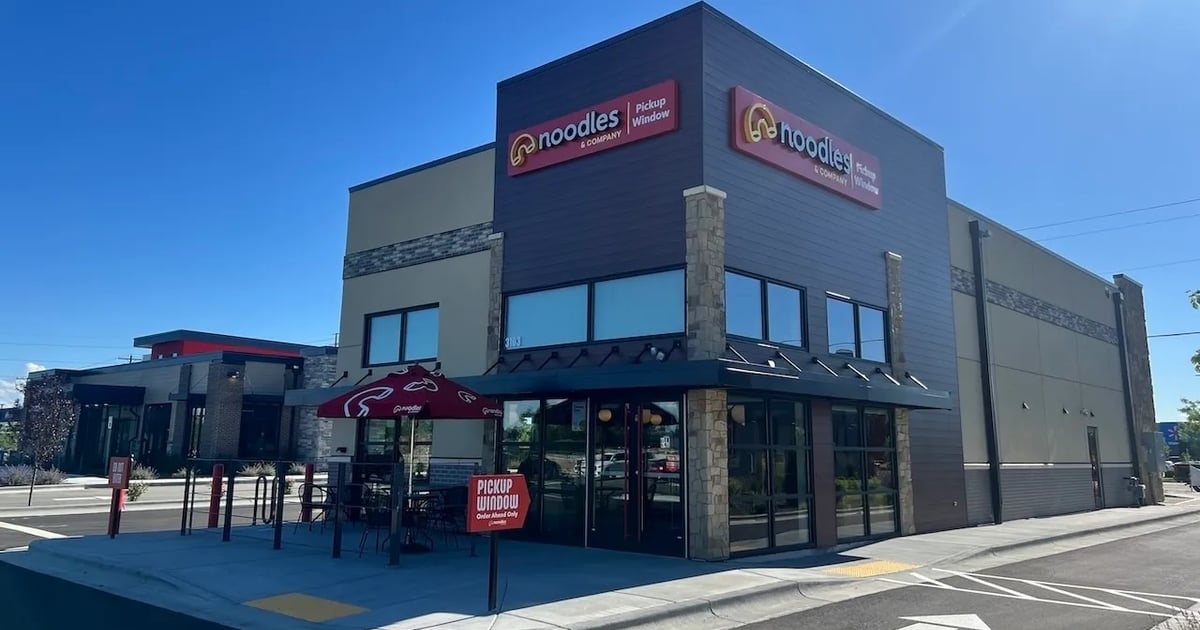
This focus on product innovation and customer engagement is crucial for building a more resilient and appealing brand. By offering popular and innovative dishes, Noodles & Company aims to attract and retain a loyal customer base, thereby solidifying its position in the competitive fast-casual dining landscape. The company’s commitment to listening to customer feedback and adapting its menu accordingly is a key differentiator in its recovery journey.
Financial Realities and Future Outlook
Despite the encouraging operational improvements and the successful rollout of new menu items, the company’s financial statements reveal the significant challenges that lie ahead. The substantial debt load of $101 million, coupled with the minimal available cash, presents a precarious financial situation. This level of debt can constrain the company’s ability to invest in further growth initiatives, manage unforeseen economic downturns, or respond effectively to competitive pressures.
The low operating margins of 0.1% highlight the ongoing struggle to translate increased sales into substantial profitability. This is a common challenge for companies undergoing significant restructuring, where the costs associated with store closures, severance packages, and asset write-downs can offset revenue gains. However, the company’s projection of improved operating margins in 2027 offers a glimmer of optimism, suggesting a belief in the long-term sustainability of their recovery strategy.
Executive Commentary and Investor Reaction
Noodles & Company CEO Joe Christina expressed a forward-looking perspective during the earnings call, emphasizing the company’s commitment to building upon its recent successes. "The next phase of our journey is about building on that foundation and continuing to elevate our performance," Christina stated. "We are focused on ensuring that our continued growth is supported by the right organizational capabilities, operational processes, and financial discipline." This statement underscores a strategic intent to not only achieve growth but to ensure that it is sustainable and supported by robust operational and financial frameworks.
The market’s reaction to the third-quarter results was largely negative. Following the release of the earnings report on Friday, Noodles & Company’s stock price experienced a decline of 12%. This downturn suggests that investors may be more focused on the ongoing financial strains and the slow pace of profit recovery than on the positive operational metrics. The significant debt burden and the continued net losses, even if narrowing, likely outweigh the immediate enthusiasm for same-store sales growth in the eyes of many investors. This stock performance indicates a need for continued demonstration of concrete improvements in profitability and debt reduction to regain investor confidence.
Broader Implications for the Fast-Casual Sector
The challenges and strategies employed by Noodles & Company are emblematic of broader trends within the fast-casual dining sector. Many brands are facing similar pressures, including rising labor and ingredient costs, evolving consumer tastes, and the need for continuous digital innovation. The aggressive approach to portfolio optimization, as seen with Noodles, is a stark reminder that companies must be willing to make difficult decisions to ensure long-term viability.
The success of menu innovation, particularly with items like ramen, highlights the importance of adapting to consumer demand for diverse and authentic culinary experiences. For other fast-casual chains, this underscores the need for agile menu development and a willingness to experiment with new offerings that resonate with target demographics.
Furthermore, the financial discipline and operational efficiency that Noodles & Company is striving for are critical for sustained success in a highly competitive market. The ability to manage debt, control costs, and drive profitable growth will be key determinants of which brands thrive in the coming years. The journey of Noodles & Company serves as a case study in strategic restructuring, demonstrating the complex interplay between operational performance, financial management, and market perception in the dynamic restaurant industry. The coming quarters will be crucial in determining whether their strategic pivot translates into sustained financial health and market resurgence.
