

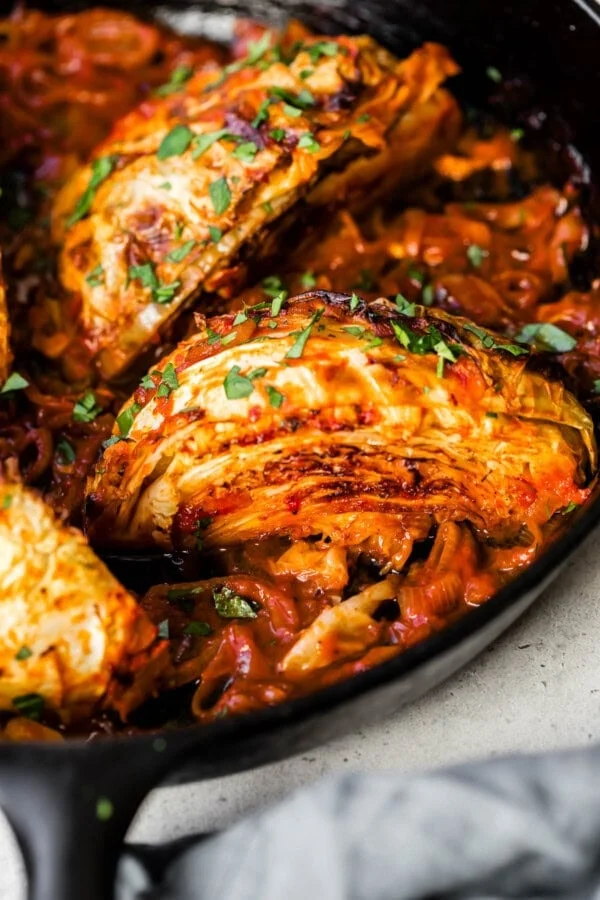
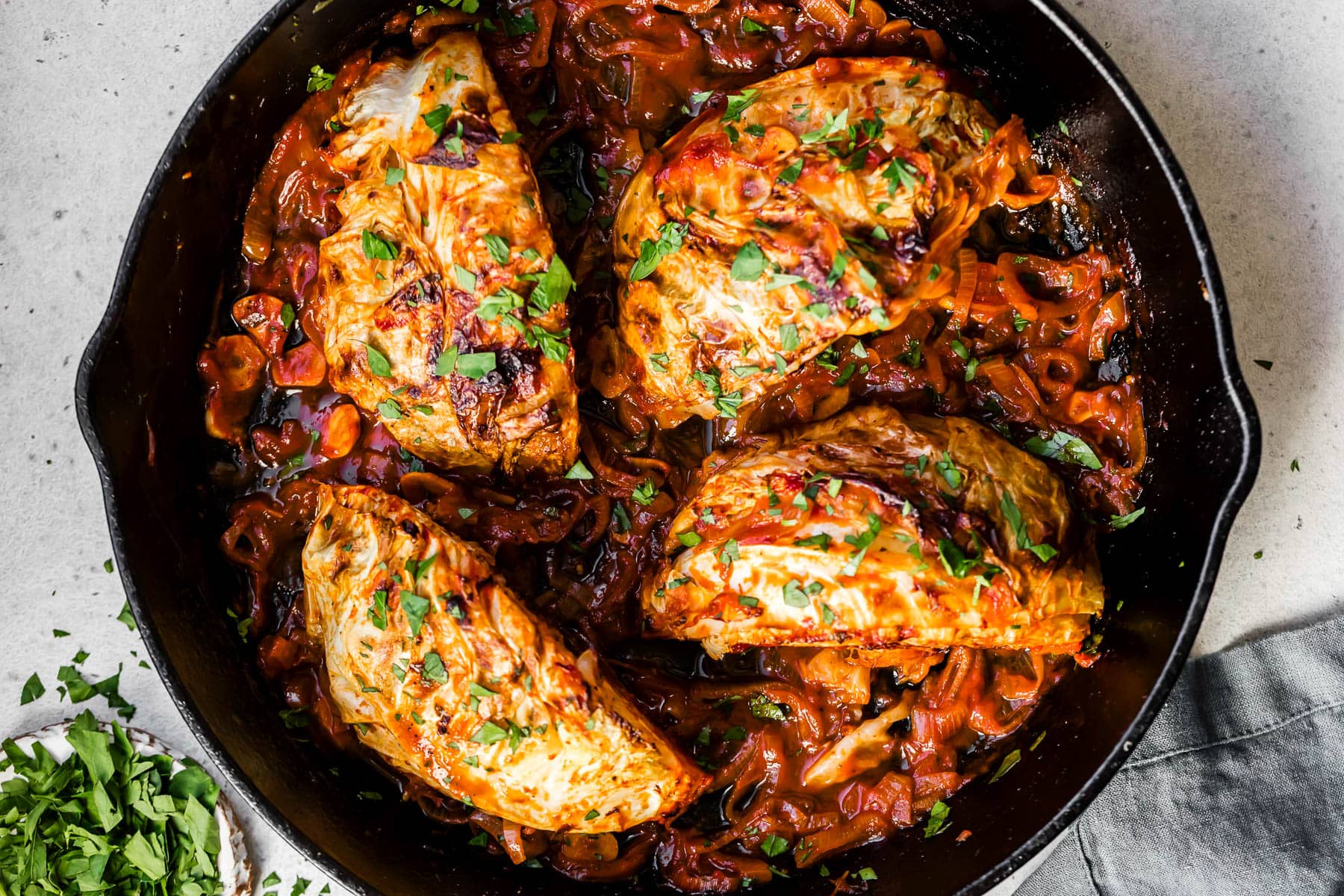
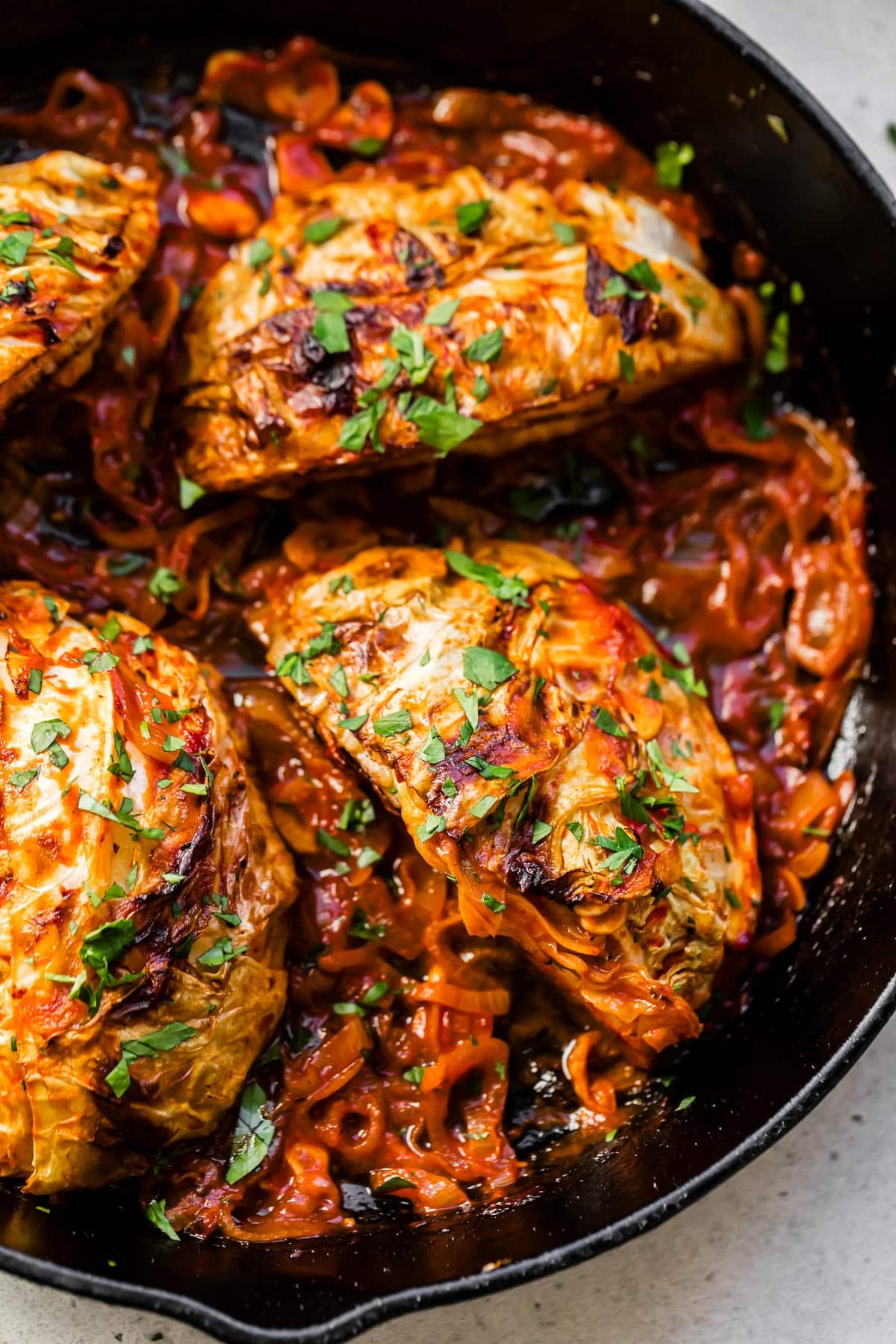
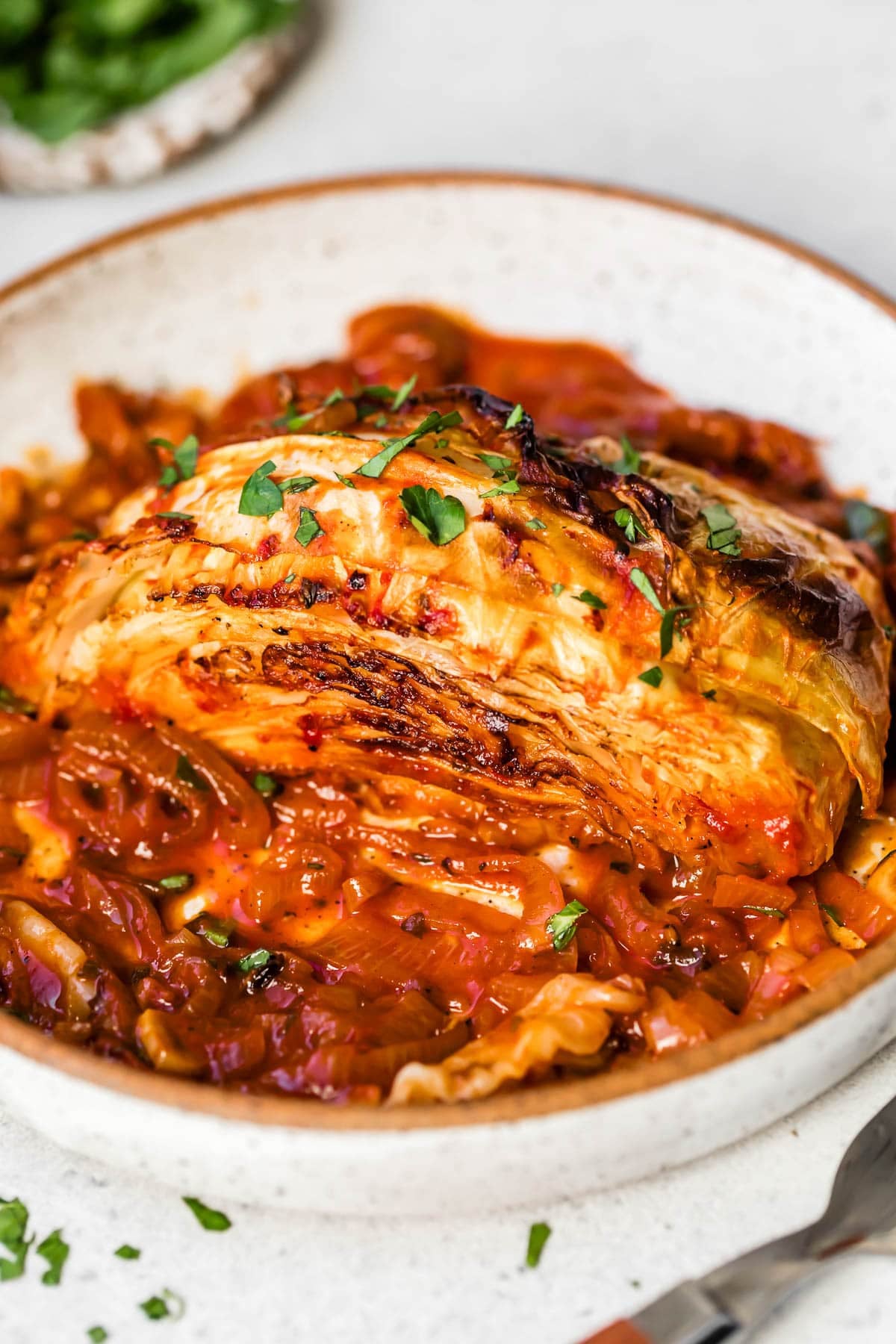
The culinary world is witnessing a quiet resurgence of humble vegetables, with braised cabbage wedges, affectionately known as "melting cabbage," emerging as a prime example of this trend. Recently spotlighted by prominent healthy eating platform Skinnytaste, this deceptively simple skillet dish transforms an everyday head of cabbage into a remarkably tender, flavorful, and sophisticated side, challenging preconceived notions about this often-overlooked cruciferous vegetable. Its preparation involves simmering substantial cabbage wedges in a savory tomato and wine sauce until they achieve a luxuriously soft, silky texture, reminiscent of the delicate layers found in traditional stuffed cabbage, yet presented in a streamlined, vegetable-forward format.
The Genesis of a Culinary Transformation: From Humble to Highlight
For generations, cabbage has been a staple in cuisines worldwide, celebrated for its affordability, versatility, and robust nutritional profile. However, it has often been relegated to supporting roles in coleslaws, stews, or fermented preparations like sauerkraut. The "melting cabbage" technique, as popularized by contemporary culinary sources such as Skinnytaste, marks a significant elevation of this vegetable. It moves cabbage from the periphery to a focal point, demonstrating how mindful cooking methods can unlock profound depths of flavor and texture. This approach aligns with a broader gastronomic movement towards celebrating plant-based ingredients and maximizing their inherent qualities through slow-cooking techniques like braising.
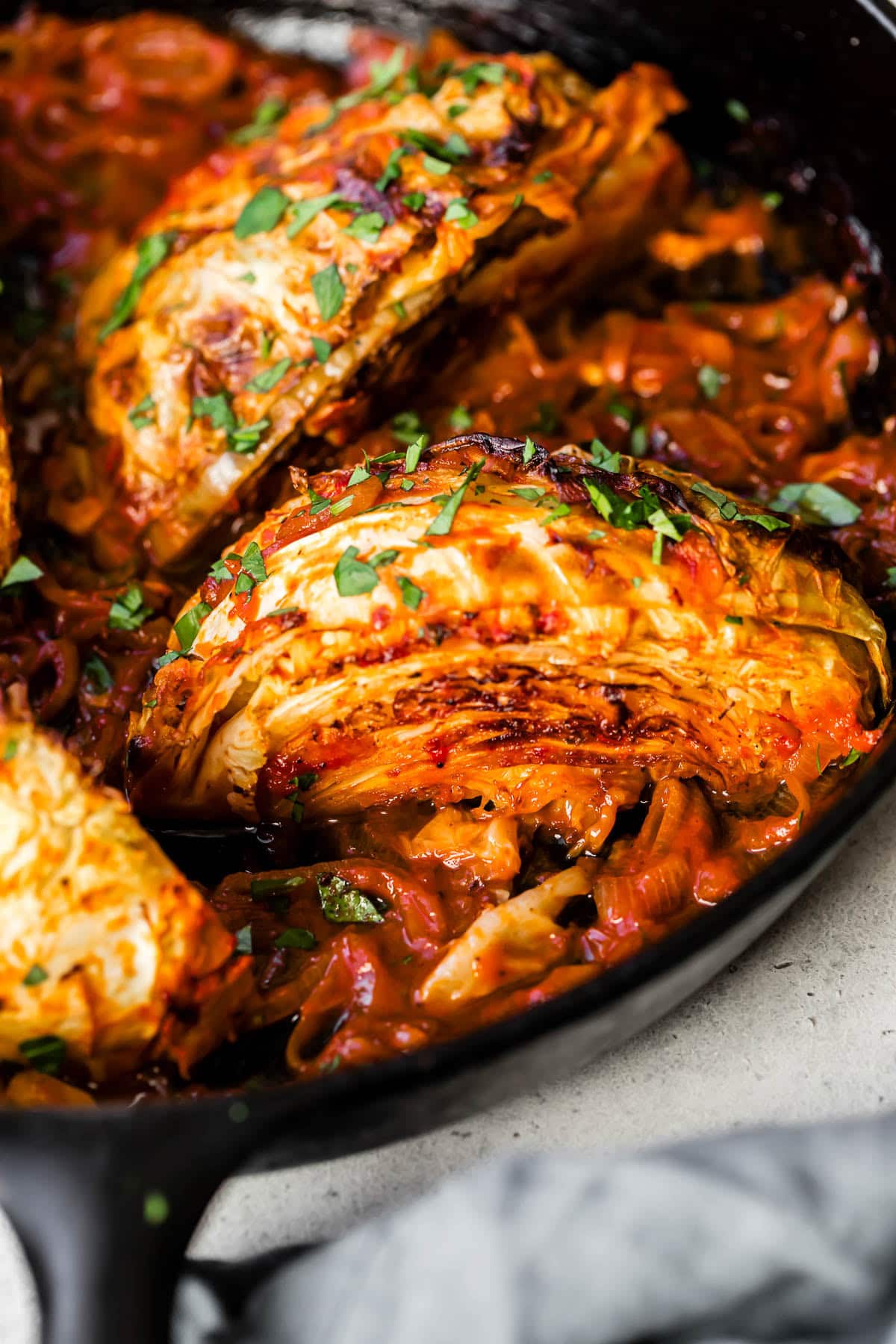
The braising method itself, which involves searing food at a high temperature and then finishing it in a covered pot with liquid, has ancient roots, utilized across diverse cultures to tenderize tough cuts of meat and, equally effectively, to soften fibrous vegetables while infusing them with rich flavors. In the context of "melting cabbage," the initial browning of the wedges in butter caramelizes the outer leaves, developing complex sugars and a deeper umami profile before the gentle simmering process begins. This two-stage cooking ensures that the cabbage not only becomes exquisitely tender but also carries a nuanced flavor complexity that belies its simple origins.
Skinnytaste’s Role in Modernizing Everyday Cuisine

Skinnytaste, founded by Gina Homolka, has established itself as a leading voice in accessible, healthy cooking. The platform’s consistent success lies in its ability to take classic comfort foods and transform them into lighter, nutritionally balanced versions without compromising on taste. The "Melting Cabbage" recipe is a testament to this philosophy, offering a nutritious side dish that is both hearty and light, designed to complement a range of main courses such as roast chicken, pork tenderloin, or meatloaf. Its recommendation to pair the dish with mashed potatoes further underscores its potential to create a comforting, complete meal, allowing the potatoes to absorb the rich, savory tomato and wine sauce.
Culinary analysts note that Skinnytaste’s approach resonates deeply with contemporary home cooks who seek practical solutions for nutritious weeknight meals. "Platforms like Skinnytaste have democratized healthy eating by providing tested, approachable recipes that fit modern lifestyles," comments Dr. Eleanor Vance, a food culture researcher. "Their emphasis on transforming common vegetables into star components is a key driver in shifting dietary habits towards more plant-rich diets." This strategic focus on elevating ingredients like cabbage directly addresses the public’s growing demand for wholesome yet flavorful meal options.

Nutritional Powerhouse: The Health Benefits of Cabbage
Beyond its newfound culinary appeal, cabbage remains a nutritional powerhouse, making the "melting cabbage" recipe particularly compelling from a health perspective. A single serving (approximately one-quarter of the recipe) provides roughly 167.5 kilocalories, 22 grams of carbohydrates, 5 grams of protein, and 6 grams of fat, with a notable 7 grams of dietary fiber. This significant fiber content is crucial for digestive health, promoting satiety, and aiding in blood sugar regulation.
Cabbage is also rich in essential vitamins and minerals, including Vitamin C, Vitamin K, and various B vitamins, as well as compounds like sulforaphane, which have been studied for their potential antioxidant and anti-inflammatory properties. The gentle braising process helps to retain many of these delicate nutrients, especially when compared to boiling, which can leach water-soluble vitamins. The inclusion of ingredients like tomatoes, known for their lycopene content, further boosts the dish’s nutritional value, while a modest amount of wine can add additional antioxidants. Nutritionists frequently advocate for increased consumption of cruciferous vegetables, and recipes like braised cabbage offer an appealing pathway to meet these recommendations.
Ingredients and Preparation: A Symphony of Flavors
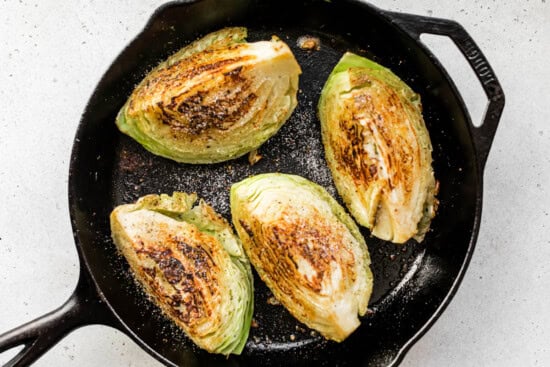
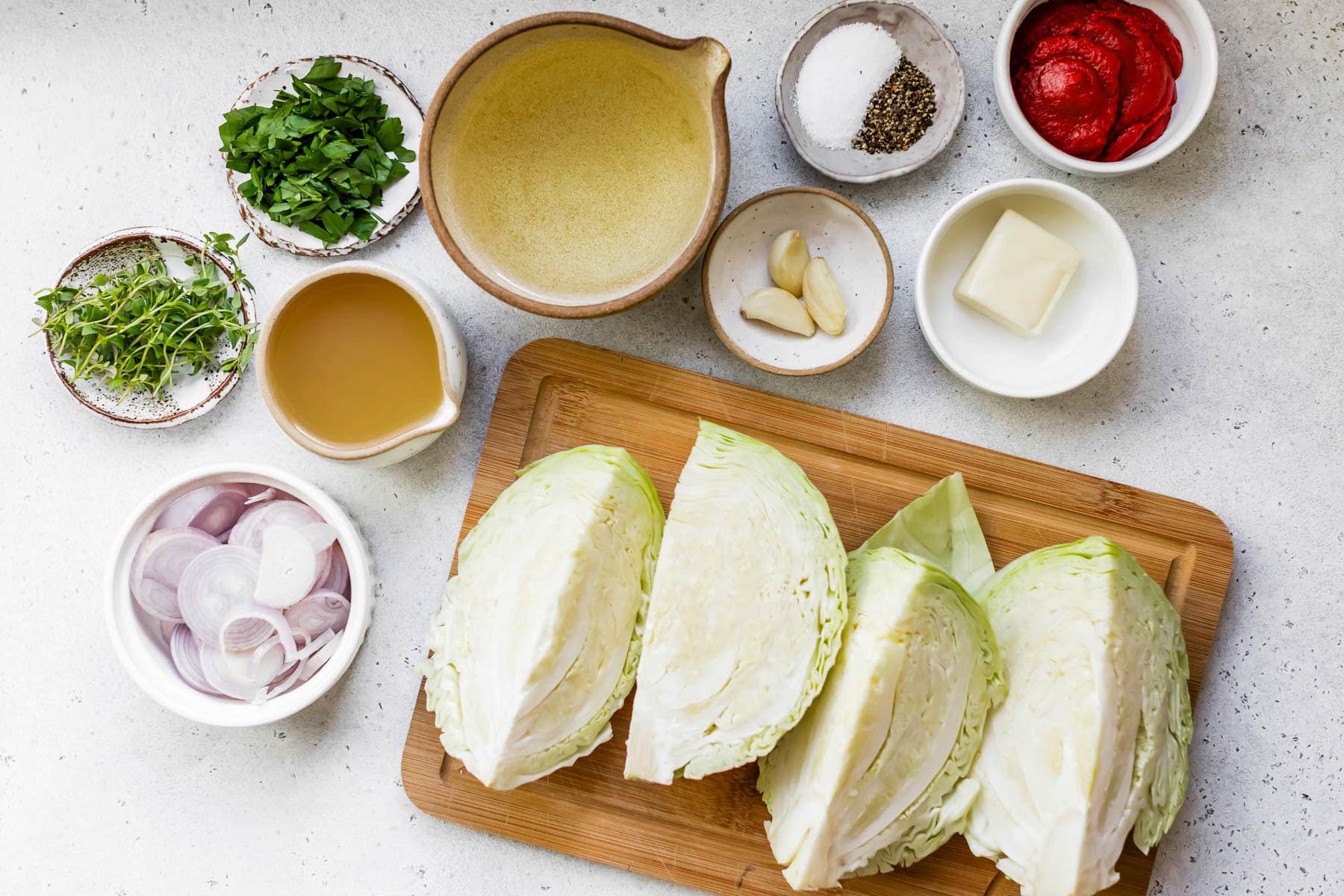
The core components of the braised cabbage dish are carefully selected to build a robust flavor profile around the mild taste of cabbage. Key ingredients typically include:
- Green Cabbage: The star of the dish, cut into thick wedges to maintain structure during braising.
- Butter: Used for searing, contributing to the initial caramelization and a rich mouthfeel.
- Shallots (or Onion): Provide a delicate aromatic base, softening and sweetening as they cook.
- Garlic: Adds pungent depth and warmth.
- Tomato Paste (double-concentrated recommended): Delivers intense umami and a concentrated tomato flavor, forming the backbone of the sauce.
- Dry White Wine: Adds acidity, complexity, and helps deglaze the pan, enhancing the overall savory profile.
- Chicken or Vegetable Broth: The primary braising liquid, infusing flavor and tenderizing the cabbage.
- Seasonings: Salt, black pepper, and sometimes red pepper flakes for a subtle kick.
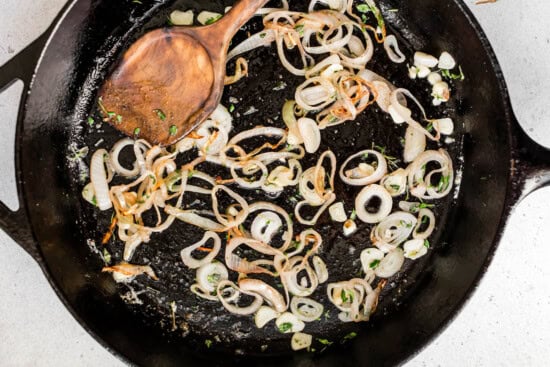
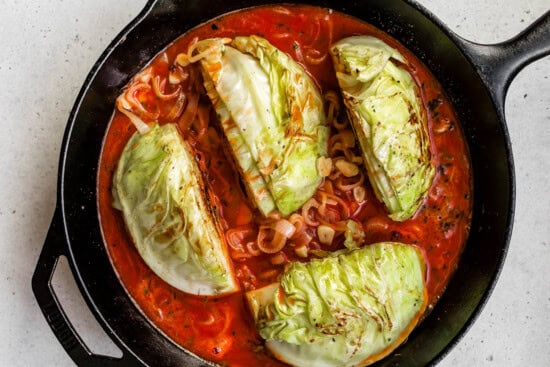
The preparation unfolds in a logical sequence designed to layer flavors. First, the cabbage wedges are seared in butter until golden brown, creating a flavorful crust. This step is critical for developing the "deep, more savory flavor" noted in the recipe. Following this, aromatics like shallots and garlic are sautéed, building the foundation of the sauce. Tomato paste is then bloomed in the pan, intensifying its flavor, before deglazing with white wine and adding broth. The cabbage wedges are then nestled back into this savory liquid, simmering gently until they reach that coveted "meltingly tender" state. The process, typically taking about 10 minutes of prep and 45 minutes of cook time, results in a total turnaround of under an hour, making it an efficient option for weeknight cooking.
Adaptability and Customization: Beyond the Standard Recipe
The "melting cabbage" recipe also boasts remarkable adaptability, allowing home cooks to tailor it to their preferences or available ingredients. Variations include:
- Cabbage Type: While green cabbage is standard, red cabbage can be substituted for a vibrant color and a slightly different flavor profile.
- Aromatics: Shallots can be swapped for half a small red or yellow onion without significantly altering the outcome.
- Tomato Paste: Double-concentrated tomato paste offers a more intense and sweeter flavor, but regular tomato paste can be used, potentially with a pinch of granulated or brown sugar to achieve similar sweetness.
- Alcohol-Free Option: For those avoiding alcohol, dry white wine can be omitted and replaced with additional broth, with the addition of a tablespoon of white or red wine vinegar to provide the necessary tang and acidity to the sauce.
- Herbs and Spices: Fresh herbs like thyme or rosemary, or a sprinkle of smoked paprika, could further enhance the flavor profile.
This inherent flexibility underscores the dish’s potential to become a personalized staple in diverse culinary repertoires, encouraging experimentation while maintaining its core appeal.
Broader Implications: Food Accessibility and Culinary Education
The increasing popularity of dishes like braised cabbage has broader implications for food accessibility and culinary education. Cabbage is one of the most affordable and widely available vegetables globally, making this recipe a budget-friendly option for families seeking nutritious meals. In an era of rising food costs, recipes that utilize inexpensive yet wholesome ingredients are invaluable.
Furthermore, the focus on simple, effective cooking techniques like braising serves as an important educational tool. It demonstrates that gourmet-level flavors and textures are achievable with basic ingredients and straightforward methods, empowering home cooks to approach vegetables with renewed creativity and confidence. This shift from viewing vegetables merely as filler to recognizing them as central, flavorful components is crucial for fostering healthier eating habits on a larger scale. Food policy experts suggest that the widespread adoption of such recipes could contribute to reducing food waste and promoting sustainable dietary patterns, given cabbage’s long shelf life and hardy nature.
Conclusion: A Testament to Culinary Innovation
The braised cabbage wedges, or "melting cabbage," represent more than just a recipe; they symbolize a broader movement in modern cuisine towards elevating the ordinary and celebrating the inherent goodness of simple ingredients. Through thoughtful preparation and a savory sauce, a humble head of cabbage is transformed into a dish that is both comforting and refined. As platforms like Skinnytaste continue to champion accessible, healthy, and flavorful cooking, dishes like "melting cabbage" are poised to become enduring favorites, reminding us of the profound culinary potential residing in our everyday pantries and the ongoing evolution of our collective palate. This reimagined classic stands as a testament to the power of culinary innovation in making nutritious eating not just palatable, but truly desirable.
