

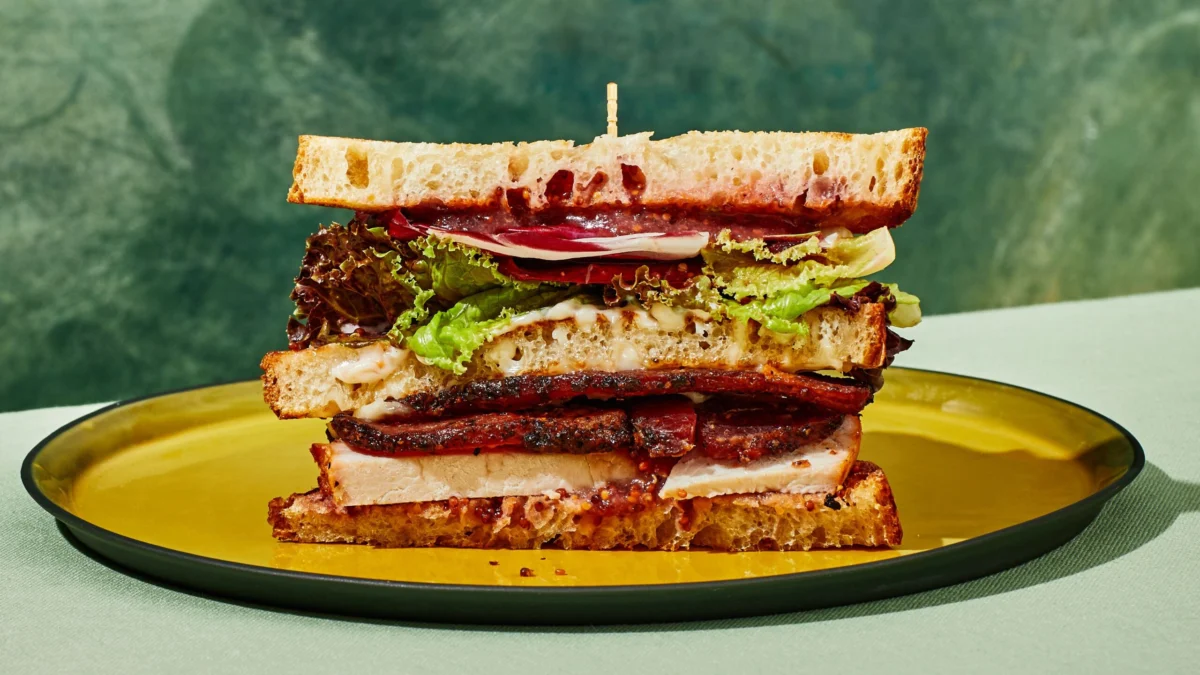
It is a widely acknowledged phenomenon that the culinary creations derived from the day-after-Thanksgiving bounty often rival, and in some estimations surpass, the original holiday meal in terms of excitement and culinary ingenuity. With refrigerators amply stocked following the annual feast, the potential for repurposing holiday components is extensive. However, among the myriad possibilities for transforming these culinary remnants, the sandwich stands out as the quintessential form, where diverse ingredients coalesce into a harmonious, often transcendent, experience. These Thanksgiving sandwiches adeptly utilize available ingredients, ranging from a few slices of roasted turkey to abundant quantities of stuffing and cranberry sauce, facilitating a delightful encore to the main event. Whether crafted into a warm, gooey melt, integrated into a spiced turkey pita with crisp vegetables, or re-imagined as a turkey salad, the prospect of such a meal effectively mitigates any post-holiday sentimentality, offering a continued celebration of the season’s flavors.
The Thanksgiving Feast: A Foundation for Future Meals
Thanksgiving, a federal holiday in the United States, traditionally observed on the fourth Thursday of November, traces its origins to harvest festivals and the 1621 Plymouth colonial harvest. Over centuries, it has evolved into a cornerstone of American culture, characterized by family gatherings, expressions of gratitude, and, significantly, an abundant feast. The meal typically features a roasted turkey as its centerpiece, accompanied by an array of side dishes including stuffing, mashed potatoes, gravy, cranberry sauce, green bean casserole, and various pies. This tradition of generous culinary provision is deeply ingrained, often leading to quantities of food that intentionally or unintentionally exceed immediate consumption needs.
The very nature of this celebratory meal, designed for large gatherings and embodying a spirit of plenitude, inherently generates leftovers. This surplus is not merely an accidental byproduct but has become an anticipated aspect of the holiday experience. The preparation process itself, which can span several days of cooking and baking, contributes to the volume of food, setting the stage for subsequent meals that extend the holiday’s culinary reach. This intentional overproduction, while sometimes contributing to food waste, also forms the basis for a distinct post-holiday culinary tradition, providing households with a ready supply of ingredients for days following the main event.
From Platter to Plate: The Leftover Lifecycle
The lifecycle of Thanksgiving leftovers typically unfolds in a discernible chronology, commencing immediately after the initial feast concludes.
Thanksgiving Day (Thursday): The Grand Feast
The primary focus is on the communal meal. Leftovers are often a secondary thought, quickly stored in containers as guests depart or as the family settles in for the evening. Initial consumption of leftovers might occur late that night as a simple snack.
Day 1 Post-Thanksgiving (Friday): The Immediate Re-enjoyment
This day often sees the most straightforward consumption of leftovers. Many families opt for a "Thanksgiving dinner repeat," serving plates identical to the previous day’s meal. This phase emphasizes convenience and the enjoyment of the original flavors. Simultaneously, the first creative transformations begin to emerge, with the Thanksgiving sandwich typically making its debut. This is often a simple construction, layering turkey, stuffing, and cranberry sauce between slices of bread.
Day 2-3 Post-Thanksgiving (Saturday-Sunday): Creative Transformations
As the novelty of repeating the original meal wanes, and certain components might be diminishing, culinary creativity intensifies. This period marks the rise of more complex leftover dishes. Beyond sandwiches, common transformations include turkey pot pies, turkey chili, stuffing waffles, cranberry sauce parfaits, and various casseroles. The objective shifts from simple reheating to re-imagining and combining ingredients in new, appealing ways. This phase often involves integrating additional fresh ingredients, such as vegetables or different cheeses, to complement the existing holiday fare.
Beyond Day 3: Extended Utilization and Freezing
For households with a significant surplus, or those seeking to extend the holiday flavors, leftovers may be frozen for future consumption. Turkey can be shredded and frozen for soups or stews; stuffing can be frozen in portions; and gravy or cranberry sauce can be preserved. This final stage of the leftover lifecycle underscores a commitment to maximizing the value of the holiday’s culinary investment and minimizing food waste.

This chronological progression highlights a deliberate engagement with food resources, transforming what could be mere remnants into a series of distinct and often eagerly anticipated meals.
The Quintessential Leftover: The Thanksgiving Sandwich
While a plethora of dishes can be fashioned from Thanksgiving leftovers, the sandwich holds a revered status, often cited by culinary experts and home cooks alike as the definitive way to experience the holiday’s flavors in a new context. Its appeal lies in its inherent versatility and the textural and flavor contrasts it offers.
The basic Thanksgiving sandwich typically includes slices of roasted turkey, a dollop of stuffing, and a layer of cranberry sauce, all nestled between two slices of bread—often toasted to provide structural integrity and an additional textural element. However, the concept is highly amenable to customization. Variations abound:
- The "Gobbler" or "Pilgrim" Sandwich: A popular rendition featuring all the classic components, sometimes augmented with a layer of mashed potatoes or gravy, often served on a sturdy roll or brioche bun.
- The Monte Cristo Style: A more indulgent version where the sandwich is dipped in an egg batter and fried until golden brown, sometimes with Swiss cheese melted within, offering a savory-sweet profile.
- The Panini or Grilled Cheese Hybrid: Components are pressed and grilled, allowing cheeses to melt and flavors to meld, creating a warm, comforting meal.
- International Adaptations: The core ingredients can be integrated into pitas with Mediterranean spices and fresh greens, or even into wraps with a touch of sriracha mayo for an Asian-inspired twist.
- Open-faced Sandwiches: Served on a single slice of bread, often topped with hot gravy, reminiscent of a hot turkey sandwich, but with the added holiday elements.
Culinary professionals frequently emphasize the strategic layering of ingredients to achieve optimal flavor balance and texture. The tender turkey provides the protein, the stuffing offers herbaceousness and a soft texture, and the cranberry sauce introduces a crucial tart-sweet counterpoint that cuts through the richness of the other components. The bread serves as the unifying element, capable of absorbing flavors and providing a satisfying chew. This synergistic combination elevates the simple sandwich to a gourmet experience, making it a highly anticipated post-holiday tradition.
Economic and Environmental Dimensions of Leftovers
The practice of utilizing Thanksgiving leftovers extends beyond culinary enjoyment, carrying significant economic and environmental implications.
Economic Impact:
For individual households, repurposing leftovers represents a substantial economic benefit. The initial investment in Thanksgiving groceries, which can be considerable, is amortized over multiple meals. According to industry analyses, the average American household spends a notable sum on Thanksgiving ingredients. Extending these ingredients into several subsequent meals effectively reduces the per-meal cost and contributes to household budget efficiency. Furthermore, the "leftover economy" indirectly supports related industries, such as the sales of food storage containers, specialized bread products, and condiments often purchased specifically for leftover transformations. While difficult to quantify precisely, this secondary consumption pattern represents a measurable continuation of consumer activity.
Environmental Impact and Food Waste Reduction:
A critical aspect of leftover utilization is its role in mitigating food waste. The United States Environmental Protection Agency (EPA) and the Department of Agriculture (USDA) consistently highlight the significant problem of food waste, with an estimated 30-40% of the food supply going uneaten annually. Holidays, particularly those centered around large feasts like Thanksgiving, are often peak times for food waste generation. By consciously transforming and consuming leftovers, households directly contribute to reducing the volume of food destined for landfills.
Food waste in landfills produces methane, a potent greenhouse gas, contributing to climate change. Every pound of food saved from waste represents a reduction in environmental impact, encompassing the resources (water, energy, land) used to produce, transport, and process that food. Organizations dedicated to food sustainability, such as the Natural Resources Defense Council (NRDC), frequently issue guidelines and promote creative leftover recipes as a key strategy for environmental stewardship. The Thanksgiving leftover tradition, therefore, functions as an ingrained, albeit often unconscious, practice of sustainable consumption.
Expert Perspectives and Consumer Sentiment
The widespread appeal of Thanksgiving leftovers, particularly the sandwich, is corroborated by both culinary experts and general consumer sentiment.

Culinary Experts:
Renowned chefs and food writers frequently laud the versatility of Thanksgiving ingredients. Chef Samin Nosrat, for instance, in her discussions on balanced cooking, often emphasizes the importance of utilizing all parts of an ingredient and embracing creative repurposing. Culinary publications like Bon Appétit and Food & Wine consistently publish articles and galleries dedicated to innovative leftover recipes, underscoring the professional culinary community’s recognition of this unique post-holiday culinary phase. These experts often highlight how the intense flavors developed during the initial roasting and preparation of Thanksgiving dishes make them ideal candidates for reinvention, as they bring a depth of flavor to subsequent creations. "The magic of Thanksgiving leftovers," one food critic observed, "lies in the concentrated flavors that only develop after a full day of cooking and resting. They are perfectly primed for new interpretations."
Food Waste Advocates:
Organizations such as ReFED and the Food Recovery Network actively promote strategies for reducing food waste, and the conscious consumption of holiday leftovers is a key component of their messaging. They often provide practical tips for safe storage, creative recipe ideas, and portion planning to prevent food from being discarded. A representative from a prominent food sustainability non-profit might inferentially state, "The Thanksgiving feast offers a unique opportunity to practice mindful consumption. By transforming leftovers into exciting new meals, families not only extend their enjoyment but also play a direct role in reducing the environmental footprint of our food system."
Consumer Sentiment:
Surveys conducted by various lifestyle and food media outlets consistently indicate a high level of anticipation for Thanksgiving leftovers. A significant percentage of respondents often report that they look forward to the day-after meals as much as, if not more than, the original feast. This sentiment is often attributed to the relaxed atmosphere of post-holiday dining, the convenience of pre-cooked ingredients, and the creative license afforded by the leftover bounty. Social media platforms, particularly in the days following Thanksgiving, buzz with shared photos and recipes for inventive leftover dishes, showcasing a collective enthusiasm for this unique culinary period. The term "Thanksgiving sandwich" itself has become a cultural touchstone, often evoking feelings of comfort, nostalgia, and culinary satisfaction.
The Broader Impact: Sustainability and Culinary Heritage
The tradition of Thanksgiving leftovers, culminating in iconic dishes like the sandwich, represents more than just a convenient way to utilize food. It embodies a confluence of practical sustainability, cultural heritage, and culinary innovation.
Sustainability: The practice inherently promotes a circular economy within the household kitchen, transforming potential waste into valuable resources. This aligns with broader global efforts to combat food waste and foster more sustainable consumption patterns. It teaches, often implicitly, the value of food and the resources invested in its production.
Culinary Heritage: Leftover utilization is an integral, albeit often overlooked, part of the Thanksgiving culinary heritage. It reflects a resourcefulness that harkens back to earlier periods of American history, where maximizing every food item was a necessity. This tradition continues to evolve, incorporating new culinary techniques and global flavors, demonstrating the dynamic nature of cultural practices. The specific dishes born from leftovers, especially the sandwich, become part of a shared national culinary memory.
Culinary Innovation: The necessity of transforming leftovers stimulates creativity in the kitchen. It encourages home cooks to experiment with flavors, textures, and presentations, often leading to accidental discoveries and new family favorites. This spirit of innovation is not limited to home kitchens; professional chefs and food scientists are also exploring ways to re-imagine food waste into gourmet products, reflecting a growing awareness and appreciation for resource optimization.
In conclusion, the post-Thanksgiving period, with its promise of culinary transformation, particularly embodied by the versatile and beloved Thanksgiving sandwich, extends the holiday’s spirit beyond a single meal. It is a testament to culinary ingenuity, a practical approach to household economics, and a significant, often understated, contribution to environmental sustainability. This enduring legacy ensures that the flavors and memories of Thanksgiving resonate long after the initial feast has concluded.
