

The annual Restaurant Finance and Development Conference, held in Las Vegas, painted a stark picture of the current challenges facing the U.S. restaurant sector. The prevailing sentiment among operators and financiers was one of caution and concern, reflecting a sustained period of sluggish sales, declining customer traffic, and a tightening credit environment. This gathering, a key event for industry leaders to discuss financial strategies, investment opportunities, and operational challenges, highlighted a convergence of economic pressures and evolving consumer behaviors that are reshaping the competitive landscape.
A Stagnant Deal Market Amidst Economic Headwinds
A significant takeaway from the conference was the pronounced slowdown in mergers and acquisitions within the restaurant industry. While franchisors with established, lower-risk models continue to attract buyers due to their predictable cash flows and access to cost-effective capital, independent restaurant companies are finding it increasingly difficult to complete transactions. This stagnation is largely attributed to a recalibration of private equity interest. According to Cristin O’Hara, head of restaurants for Bank of America, many private equity firms are diverting their capital to other sectors offering more substantial returns. "Fewer private-equity firms have been interested in the restaurant space because they’re getting outsized gains in other areas," O’Hara stated, underscoring a broader trend of capital reallocation away from the dining sector.
Adding to this market paralysis is the fact that many existing investors are struggling to exit their current holdings. Ashish Seth, founder of Harrington Park Advisors, explained that portfolios filled with restaurant brands from the boom years of 2018 and 2019 are now proving difficult to divest. "Investors that were so active in the market in 2018, 2019, their portfolios are chock full of brands," Seth observed. "They can’t exit for one reason or the other. Maybe it’s performance. Maybe it’s not the valuation they want. So 50%, 60% of the buyer base has just evaporated." While a select few investment groups, such as Savory Fund and Garnett Station Partners, remain active, their presence is insufficient to compensate for the significant reduction in overall buyer activity. Seth cautioned that for deals to materialize, sellers must adopt a more "realistic" outlook on valuation expectations.
The Erosion of Restaurant Traffic: A Deepening Concern
Beyond the financial market dynamics, the conference shed light on a persistent and concerning trend: the significant decline in customer traffic. Victor Fernandez, chief insights officer with Black Box Intelligence, presented data indicating that while industry same-store sales are projected to increase by 1.7% for the year – a figure that might appear positive at first glance – this growth is entirely driven by an increase in average check size, not by more customers walking through the door.
This disconnect has been a recurring theme for several years, and the cumulative impact is substantial. Fernandez reported that restaurant traffic has fallen by a staggering 21% since 2018. "That’s a lot," he emphasized. "The average brand has lost a lot of its same-store traffic." This decline suggests that the industry’s expansion has, in many respects, outpaced actual consumer demand, leaving many establishments struggling to fill seats. The implication is that restaurants are not only facing a smaller pool of diners but also heightened competition for those who are still dining out.
Redefining Value: Beyond Price Point to Experience
In response to shifting consumer priorities, the definition of "value" in the restaurant sector is undergoing a profound transformation. The conference highlighted that consumers are no longer solely focused on price. Instead, their perception of value is increasingly tied to the overall experience and the quality of what they receive for their money. This evolution means that simply offering lower prices is no longer a sufficient strategy to attract and retain customers.
Jana Zschieschang, CMO of Revenue Management Solutions, noted this shift, stating, "It’s no longer just product. It’s not just price point. It’s experience and that includes QSR." This suggests that even quick-service restaurants (QSRs) need to prioritize the customer experience to remain competitive. Chains are recalibrating their value propositions, recognizing that diners are dining out less frequently but are willing to pay more for a meal that is perceived as worthwhile. The focus is moving towards delivering superior food quality, enhanced service, and an overall more satisfying dining occasion. Zschieschang also advised that precise pricing strategies, potentially tailored to specific markets or individual locations, can help protect profit margins. Furthermore, she identified beverages and snacks as key drivers for both traffic and occasion-based sales, suggesting these categories hold significant potential for growth.
The Expanding Battlefield: Competition Beyond Traditional Rivals
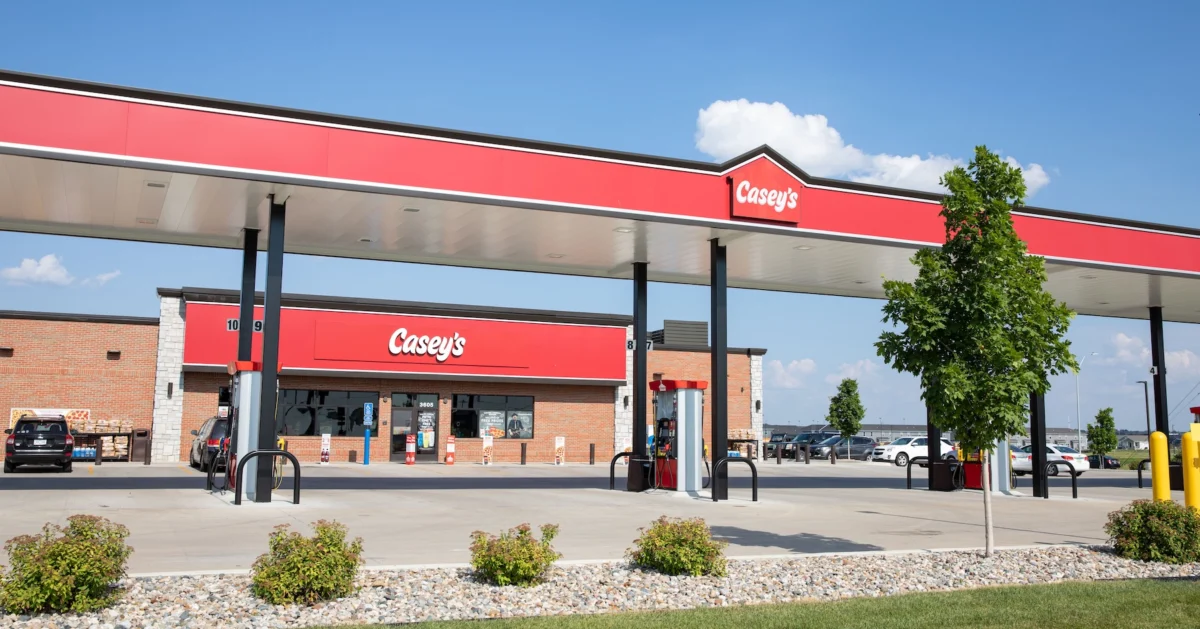
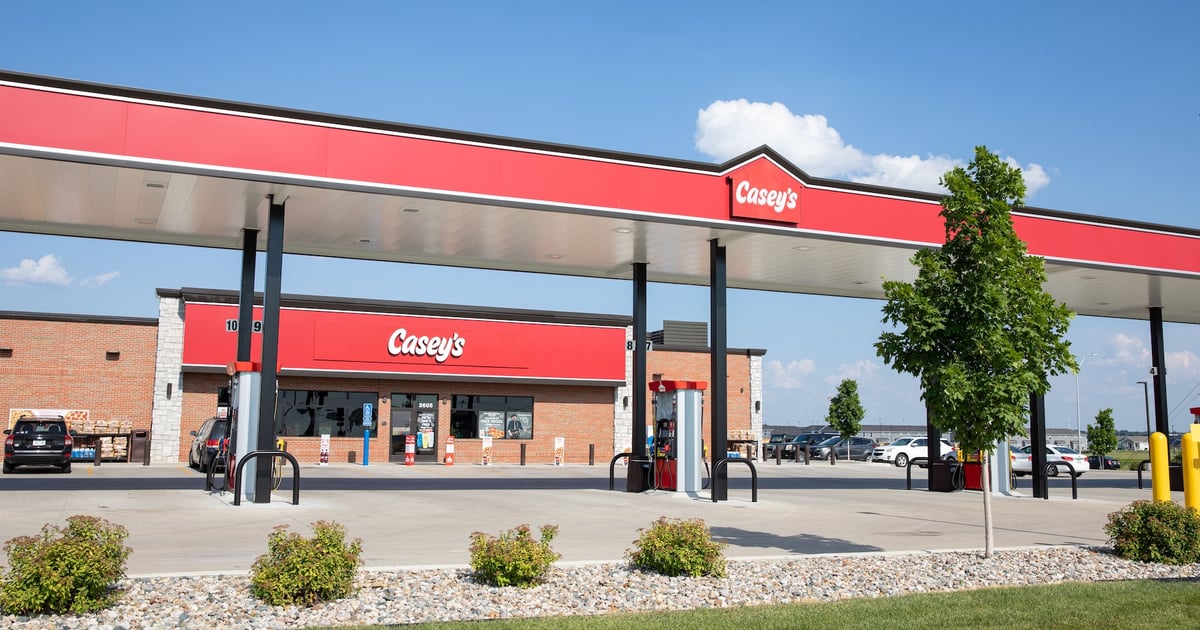
Perhaps one of the most significant strategic shifts discussed was the evolving nature of competition. Restaurants are no longer solely contending with other eateries for market share. The competitive landscape has broadened considerably, encompassing convenience stores and grocery retailers, which are increasingly offering prepared food options that directly rival traditional restaurant fare.
Rich Shank, senior principal at Technomic, pointed out the direct competition emerging from convenience stores, which are now vying with fast-food giants like McDonald’s for breakfast and lunch business. This trend was amplified during the pandemic, as consumers grew more accustomed to preparing meals at home and exploring alternative food purchasing channels. R.J. Hottovy, head of analytical research at Placer.ai, urged restaurants to pay close attention to supermarkets, noting the increased comfort consumers have developed with in-store prepared food sections. Additionally, independent restaurants are experiencing a resurgence, often attributed to their ability to offer a better perceived value proposition and higher quality ingredients, further fragmenting the market. This diversified competitive environment necessitates a more holistic approach to market positioning and customer engagement.

The Imperative of Customer Acquisition: Beyond Loyalty Programs
In the pursuit of increased sales, the conference emphasized a critical strategic pivot: the necessity of acquiring new customers rather than solely focusing on increasing the frequency of visits from existing patrons. While loyalty programs and mobile apps are valuable tools for fostering repeat business, analysis suggests that customer visit frequency is largely dictated by the nature of the restaurant concept itself.
Chris O’Cull, an analyst with Baird, presented findings from a study of over 335 million visits across 1,260 restaurants and eight chains. His research indicated that customer visit frequency is remarkably consistent across different restaurant segments. "People visit a coffee shop once a day because they do caffeine daily. People may visit a polished casual-dining restaurant a few times a year to celebrate special occasions," O’Cull explained. "So frequency does not vary by segment." This observation implies that operational strategies aimed at significantly increasing how often a customer visits a particular type of restaurant may have limited impact.
The more impactful strategy, O’Cull argued, is to expand the customer base. He cited Chili’s as an example, which successfully grew its customer count by approximately 17% since 2017. Crucially, this growth in customer numbers was mirrored by an equivalent increase in total visits, demonstrating a direct correlation. "Traffic largely tracks the size of your customer base," O’Cull concluded. This insight underscores the importance of broad-based marketing efforts and strategies designed to attract new diners to the restaurant sector.
The confluence of these factors – a challenging financial climate, declining traffic, evolving consumer definitions of value, and intensified competition – presents a complex and demanding operating environment for the U.S. restaurant industry. Addressing these challenges will require innovation, strategic adaptation, and a renewed focus on fundamental business drivers like customer acquisition and experience. The insights gleaned from the Restaurant Finance and Development Conference serve as a critical roadmap for industry stakeholders navigating this dynamic period.
