

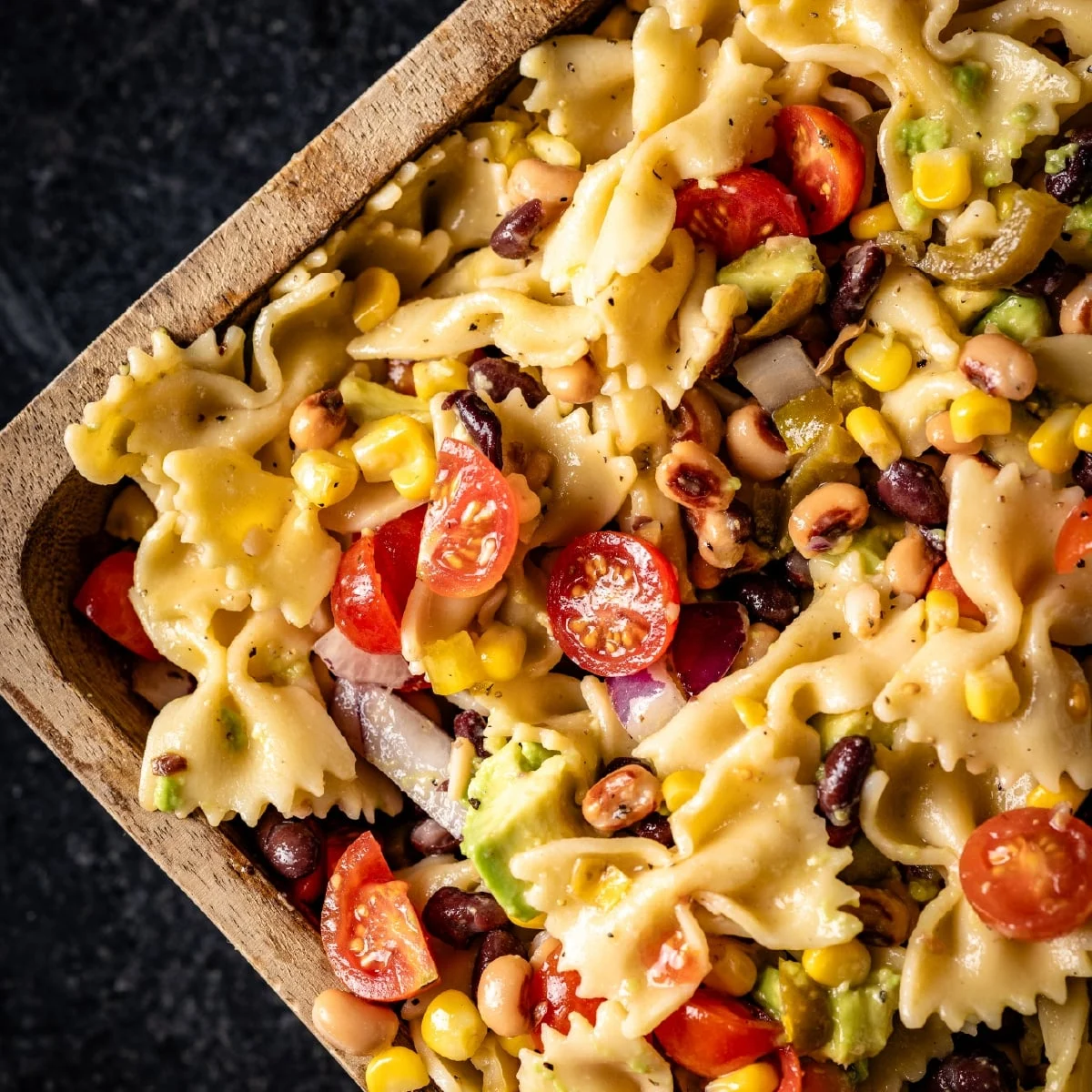
The culinary landscape of American outdoor cooking has undergone a significant transformation, moving beyond traditional smoked meats to include sophisticated, flavor-forward side dishes that balance the richness of grilled proteins. At the forefront of this shift is the Cowboy Pasta Salad, a dish characterized by its fusion of Southwestern flavors, including creamy avocado, black beans, sweet corn, and bowtie pasta, all integrated via a zesty lime-based dressing. Unlike traditional mayonnaise-heavy pasta salads, this iteration emphasizes fresh produce and acidic balance, positioning it as a versatile staple for both informal backyard gatherings and structured potluck events.
The Composition and Culinary Profile of Cowboy Pasta Salad
The modern Cowboy Pasta Salad is defined by a specific architecture of textures and flavors designed to complement the heavy smoke and fat profiles of traditional barbecue. The foundational element is bowtie pasta, or farfalle, chosen for its "nooks and crannies" that effectively capture the dressing. This is paired with a nutrient-dense array of vegetables and legumes.

The primary ingredients include:
- Legumes: A combination of black beans and black-eyed peas, providing plant-based protein and a velvety texture.
- Fresh Produce: Diced avocados offer a creamy mouthfeel, while corn kernels provide sweetness and a slight crunch. Cherry tomatoes contribute acidity and moisture.
- Aromatics and Heat: Red onions provide a sharp bite, while the inclusion of pickled jalapeños introduces a controlled heat and vinegary tang.
- The Dressing: A departure from dairy-based dressings, this version utilizes a blend of olive oil, lime juice, red wine vinegar, honey, and various spices (chili powder, cumin, and garlic powder).
This combination results in a dish that is simultaneously refreshing and satiating. According to culinary experts, the shift toward these "zesty" profiles reflects a broader consumer trend favoring lighter, more complex accompaniments over the calorie-dense sides that dominated the mid-20th-century American BBQ scene.
Background and Historical Context of Cowboy-Style Cuisine
The term "Cowboy" in American culinary nomenclature typically refers to dishes inspired by the trail cooking of the 19th-century American West. Historically, "chuckwagon" chefs relied on shelf-stable staples such as beans, corn, and dried chilies. Over time, this utilitarian style evolved into the "Tex-Mex" and "Southwestern" genres, which heavily influence the Cowboy Pasta Salad.

The integration of pasta into this flavor profile is a relatively modern development, likely gaining traction in the late 20th century as pasta salads became a fixture of American suburban social life. The specific "Cowboy" variant has seen a resurgence in the digital age, driven by food influencers and BBQ professionals who seek to innovate within the confines of traditional outdoor cooking. Susie Bulloch, the founder of the BBQ media platform Hey Grill Hey and a recognized figure on the Food Network, has been instrumental in codifying these recipes for a contemporary audience. Her expertise, which includes multiple Guinness World Records and appearances as a BBQ judge, lends a level of technical authority to what was once considered a simple domestic side dish.
Chronology of Preparation and Service Logistics
The appeal of the Cowboy Pasta Salad in a professional or high-volume catering context is rooted in its logistical efficiency. The preparation timeline is optimized for the multitasking environment of a barbecue, where the primary focus is often on long-duration meat smoking.
- Preparation Phase (10–15 Minutes): If the pasta is pre-cooked, the assembly of the salad requires minimal time. This involves whisking the dressing components and dicing the fresh produce.
- Assembly Phase: The ingredients are combined in a large vessel, ensuring the avocado is incorporated gently to maintain its structural integrity.
- Chilling Phase (30–60 Minutes): While the salad can be served immediately, a chilling period allows the flavors to macerate. This period typically aligns with the "resting" phase of smoked meats like brisket or pork shoulder.
- Service Phase: The dish is served cold or at room temperature, making it resilient to the outdoor environments typical of BBQ events.
The ability to "work with what is on hand"—a sentiment echoed by Bulloch—highlights the dish’s origin as a resourceful solution for cooks who may have focused their primary efforts on the main protein.

Supporting Data: Nutritional and Economic Analysis
From a nutritional standpoint, the Cowboy Pasta Salad offers a more balanced profile than many of its counterparts. Based on a standard 8-serving yield, the nutritional breakdown per serving is as follows:
- Calories: 383 kcal
- Carbohydrates: 57g (including 5g of dietary fiber)
- Protein: 11g
- Total Fat: 16g (of which 10g are monounsaturated, largely derived from avocado and olive oil)
- Micronutrients: Significant levels of Vitamin A (514 IU), Vitamin C (17 mg), and Potassium (511 mg).
The inclusion of black beans and black-eyed peas significantly increases the fiber and protein content compared to standard macaroni salad. Economically, the dish is cost-effective, utilizing pantry staples like dried pasta and canned beans, supplemented by seasonal produce. This makes it an ideal candidate for large-scale public events or community potlucks where cost-per-serving is a critical metric.
Industry Perspectives and Expert Recommendations
While the core recipe focuses on a vegetarian profile, culinary traditionalists often debate the inclusion of animal proteins. Historically, many "Cowboy" salads included browned ground beef or crispy bacon. However, modern interpretations often omit these to allow the salad to function as a lighter counterpoint to the grilled meats on the table.

Bulloch suggests that the salad serves as a "sleeper hit," often outperforming the expectations of guests who are accustomed to more mundane side dishes. Industry analysis suggests that the "wow factor" of the dish is attributed to the contrast in textures—the bite of the bowtie pasta against the creaminess of the avocado and the snap of the corn.
In terms of pairings, the Cowboy Pasta Salad is strategically designed to accompany:
- Low-and-Slow Barbecue: Smoked brisket and pulled pork, where the lime and vinegar dressing cuts through the heavy rendering of animal fats.
- Grilled Poultry and Seafood: Where the Southwestern spices complement the char of the grill.
- Standalone Main Course: For vegetarian diners, the combination of legumes and pasta provides a complete protein profile, allowing the dish to serve as a primary meal.
Broader Impact and Culinary Implications
The rise of the Cowboy Pasta Salad is indicative of the democratization of culinary expertise. Platforms like Hey Grill Hey have shifted the role of the "pitmaster" from a secretive, male-dominated tradition to an inclusive, educational community. By providing accessible, high-quality recipes that guarantee success, these platforms have elevated the standard of the average American cookout.

Furthermore, the dish reflects a growing interest in regional American flavors. The "Cowboy" moniker acts as a branding tool that evokes a sense of heritage and ruggedness, even when the dish is being prepared in a modern suburban kitchen. This cultural branding is a powerful force in the food industry, helping to sustain interest in traditional cooking methods while allowing for modern nutritional adjustments.
As outdoor dining continues to evolve, the emphasis on high-quality, vegetable-forward side dishes is expected to grow. The Cowboy Pasta Salad stands as a template for this evolution: it is adaptable, nutritionally dense, and designed with the specific sensory experience of a barbecue in mind. Its permanent spot in the "menu rotation" of many households is a testament to its effectiveness in balancing flavor, convenience, and tradition.
Conclusion: The Future of the BBQ Side Dish
The Cowboy Pasta Salad is more than a simple assembly of ingredients; it is a calculated culinary tool that solves the common problem of the "afterthought" side dish. By leveraging the bold flavors of the American Southwest and the structural benefits of Italian pasta, it provides a versatile solution for any outdoor dining scenario. As digital media continues to influence home cooking, recipes like this will likely continue to define the "Backyard BBQ Hero" archetype, moving the needle of American culinary tradition toward a more vibrant and flavorful future. The integration of expert guidance from figures like Susie Bulloch ensures that these recipes remain grounded in professional technique while remaining accessible to the general public, ultimately raising the bar for what is expected at the American dinner table.
