

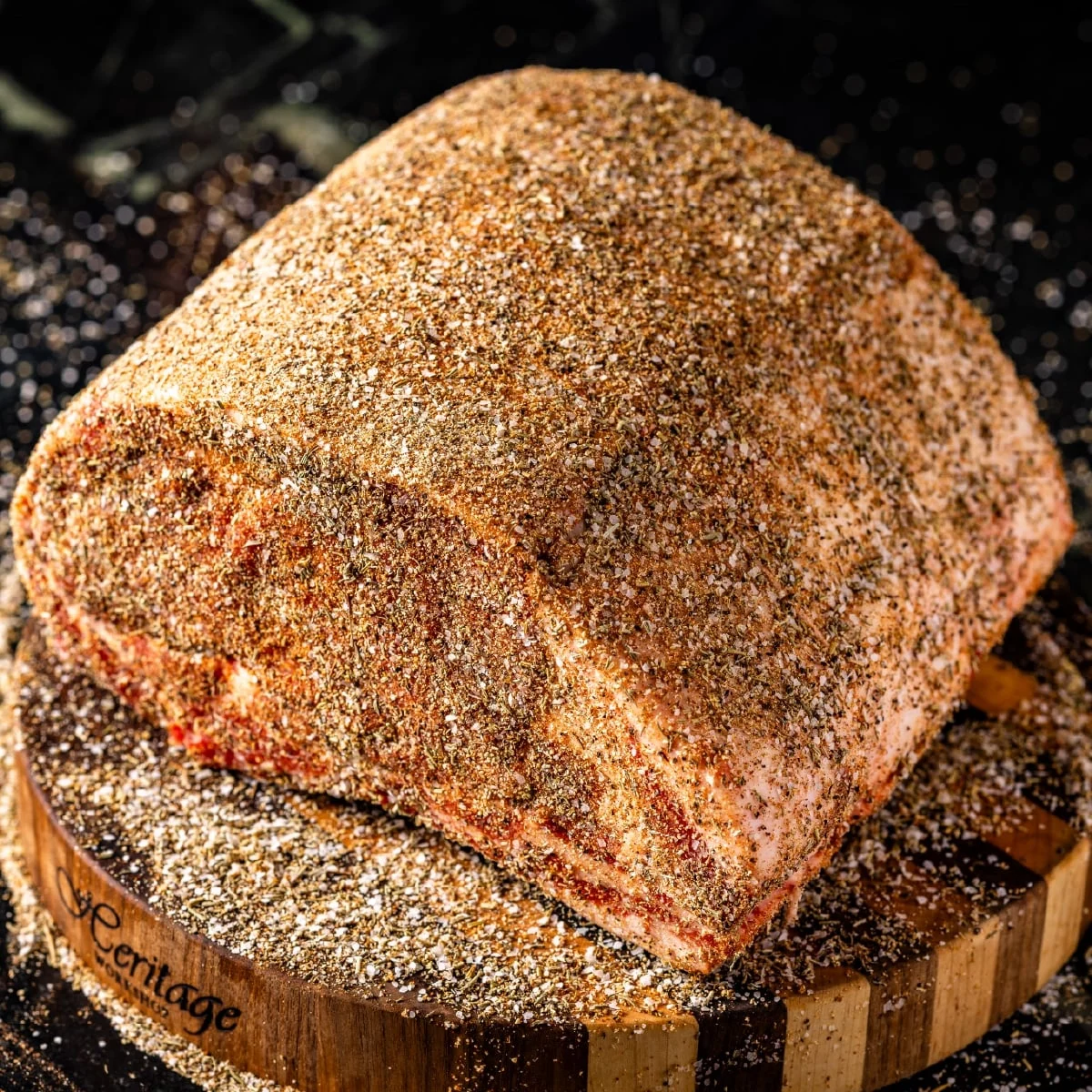
Prime rib represents one of the most significant financial investments a home cook can make, often serving as the centerpiece for major holidays, high-profile celebrations, and end-of-year gatherings. Because of the premium price point associated with this specific cut of beef—often referred to as a standing rib roast—the demand for high-quality, reliable seasoning profiles has grown significantly within the domestic culinary market. The recent publication of a refined homemade rub formula by BBQ authority Susie Bulloch and her platform, Hey Grill Hey, highlights a shift toward "steakhouse-style" flavor profiles that emphasize the natural quality of the meat rather than masking it with synthetic additives or excessive sugars.
This homemade seasoning blend is designed to provide a savory, herbaceous exterior that facilitates the development of a professional-grade crust. By utilizing a foundational ratio of salt and pepper supplemented by garlic, onion, and traditional steakhouse herbs such as rosemary and thyme, the rub serves as both a flavor enhancer and a functional component of the roasting process.
The Evolution of Prime Rib Seasoning and Culinary Context
The historical preparation of prime rib has traditionally favored simplicity, often relying solely on coarse salt and cracked black pepper. However, as outdoor cooking techniques such as pellet smoking and reverse-searing have entered the mainstream, the requirements for a comprehensive rub have evolved. A modern prime rib rub must account for long cook times, varying heat sources, and the high fat content of the ribeye muscle.

In the current economic climate, where USDA Prime and Choice beef prices remain at a premium, the "margin for error" in home preparation has narrowed. Culinary experts note that a well-balanced rub performs two primary functions: it draws moisture to the surface to create a brine that re-penetrates the meat (osmosis), and it creates a textured "bark" or crust through the Maillard reaction. The introduction of this specific seven-ingredient blend reflects a broader trend toward "backyard gourmet" cooking, where enthusiasts seek to replicate high-end restaurant results using pantry staples.
Composition and Ingredient Analysis
The efficacy of the Homemade Prime Rib Rub is rooted in its specific chemical and aromatic composition. Each of the seven ingredients serves a distinct purpose in the overall flavor profile and the physical transformation of the roast during the cooking cycle.
The Foundation: Sodium and Piperine
The base of the rub consists of salt and black pepper. Salt is the only ingredient capable of deeply penetrating the muscle fibers of the beef, where it denatures proteins and allows the meat to retain more moisture during the roasting process. Black pepper provides a sharp, pungent heat that cuts through the rich, intramuscular fat (marbling) characteristic of the rib roast.
Aromatics: Garlic and Onion Powder
Garlic powder and onion powder provide the "umami" or savory depth that is expected in professional beef preparation. Unlike fresh garlic, which can burn and become bitter during a long roast or high-heat sear, the powdered versions caramelize evenly, contributing to a uniform crust.

The Herbaceous Profile: Rosemary and Thyme
Rosemary and thyme are the quintessential herbs for beef. Rosemary contains pine-like notes and essential oils that are highly heat-stable, making it ideal for roasts that may spend several hours in an oven or smoker. Thyme offers a subtler, earthy flavor that bridges the gap between the sharp pepper and the savory garlic.
Technical Application and Quantitative Guidelines
Achieving the optimal flavor profile requires precise application. According to the guidelines provided with the recipe, the total yield of one batch is approximately 1/2 cup of seasoning. For a standard prime rib weighing between 8 and 10 pounds, the recommended application rate is between 1/4 and 1/2 cup of the rub.
The method of application often dictates the final result:
- Dry Rub Method: This involves applying the seasoning directly to the meat. For maximum effectiveness, many chefs recommend a "dry brine" period, where the seasoned roast sits uncovered in the refrigerator for 12 to 24 hours. This allows the salt to penetrate the meat and the surface to dry out, which leads to a superior crust.
- Binder Method: Some cooks prefer to apply a thin layer of olive oil, Dijon mustard, or softened garlic butter to the roast before adding the rub. This helps the larger herb particles adhere to the meat and adds an additional layer of fat to facilitate browning.
Market Data and Economic Implications
The release of specialized DIY seasoning recipes comes at a time when the "Specialty Salts and Spices" market is seeing robust growth. According to market analysis, the global spices and seasonings market was valued at approximately $18 billion in 2022 and is projected to expand as more consumers move away from pre-packaged, preservative-heavy commercial rubs.

The cost-benefit analysis of a homemade rub is significant for the consumer. While a 4-ounce jar of "gourmet" prime rib seasoning at a retail outlet may cost between $8.00 and $15.00, the cost of producing an equivalent amount using bulk pantry staples is estimated to be less than $2.00. For the consumer already "splurging" on a $150 to $200 roast, this DIY approach provides both a financial reprieve and a higher degree of quality control over sodium levels and ingredient freshness.
Storage, Stability, and Chemical Longevity
A critical aspect of spice management is the preservation of volatile oils found in dried herbs. The Homemade Prime Rib Rub is noted for its shelf stability, remaining at peak potency for approximately three months when stored correctly.
Best Practices for Storage:
- Containment: Airtight glass jars are preferred over plastic, as glass is non-porous and better prevents the oxidation of the herbs.
- Environment: The rub should be kept in a cool, dark, and dry location. Exposure to heat (near a stove) or light can cause the chlorophyll in the rosemary and thyme to break down, leading to a loss of flavor and a dull appearance.
- Reactivation: If the rub has been stored for several weeks, users are advised to shake the container thoroughly to redistribute the smaller salt and garlic particles that may have settled at the bottom.
Broader Impact on the BBQ and Grilling Industry
The dissemination of this recipe by Susie Bulloch, a prominent figure in the BBQ community and a contributor to the Food Network, underscores the democratization of culinary expertise. Through platforms like the Hey Grill Hey app and social media channels, professional-grade techniques are being simplified for the "Backyard BBQ Hero."
Industry analysts suggest that this trend is contributing to a "premiumization" of the home cooking experience. As consumers become more educated on the nuances of different meat grades and seasoning profiles, their expectations for home-cooked meals rise. The Prime Rib Rub serves as a gateway for many home cooks to experiment with more complex flavor profiles, leading to increased engagement with high-end butchery and specialized outdoor cooking equipment.

Nutritional Profile and Dietary Considerations
From a nutritional standpoint, the rub is primarily a sodium-contributing agent. A standard serving of the rub (calculated as a portion of the total applied to a roast) contains approximately 133 calories, largely derived from the carbohydrates in the garlic and onion powders. With a sodium content of nearly 14,000 mg for the entire batch, the recipe is designed for large-format meat portions where the seasoning is distributed across a significant volume of protein.
For those on sodium-restricted diets, the DIY nature of the recipe allows for easy modification—such as reducing the salt ratio while increasing the volume of black pepper and herbs to maintain a robust flavor profile.
Conclusion and Future Outlook
The Homemade Prime Rib Rub represents a intersection of traditional culinary values and modern convenience. By providing a clear, seven-ingredient roadmap to seasoning one of the most expensive cuts of meat available to the public, the recipe mitigates the risk associated with holiday cooking.
As the culinary landscape continues to evolve, the emphasis on "clean label" ingredients and homemade alternatives is expected to persist. The success of such seasoning blends highlights a collective desire among consumers to return to foundational cooking principles, where quality ingredients and simple techniques yield superior results. Whether prepared in a traditional oven, a pellet grill, or a rotisserie, the application of a well-balanced rub remains the definitive final step in transforming a raw cut of beef into a celebrated culinary centerpiece.
