

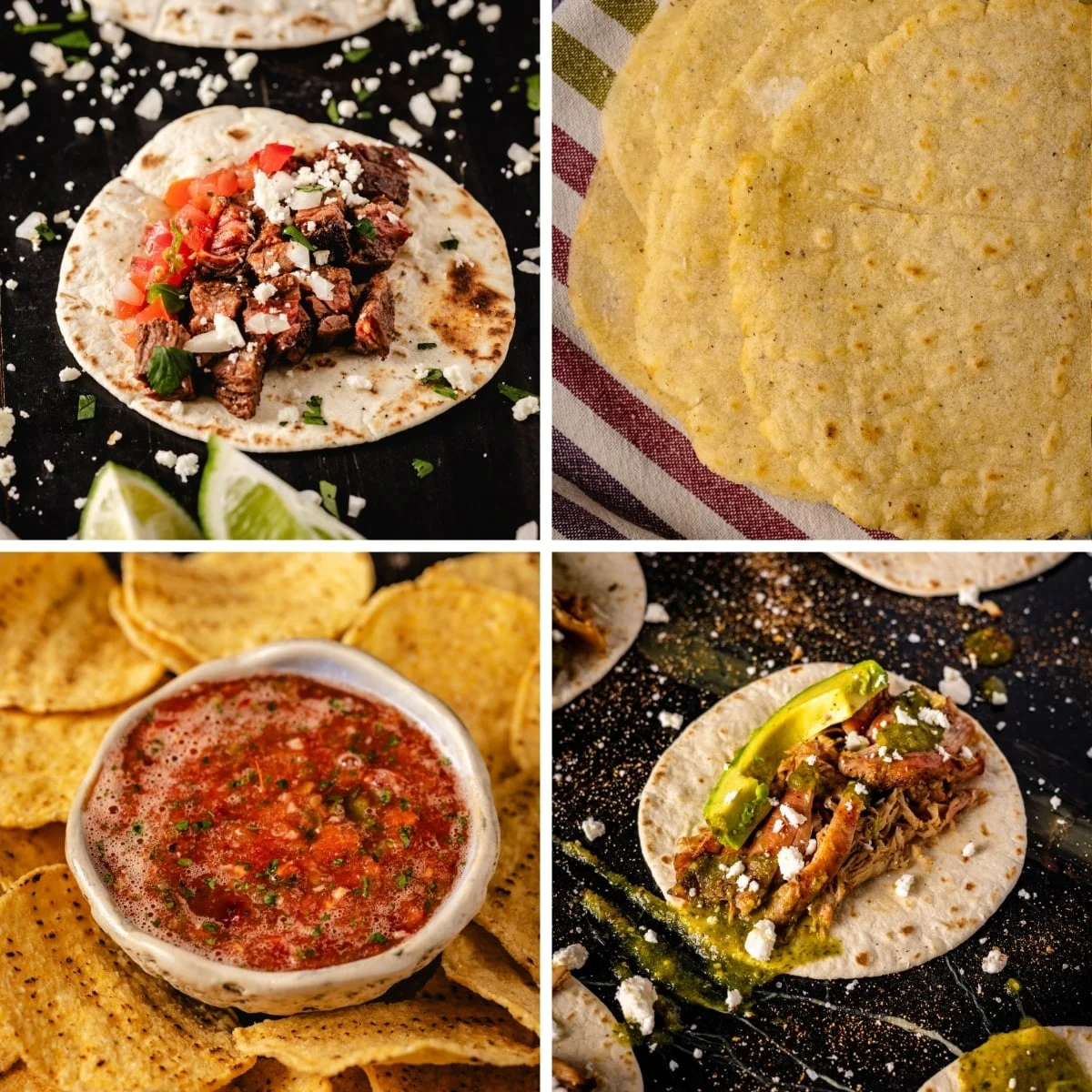
The landscape of American outdoor culinary practices is undergoing a significant transformation as enthusiasts pivot from traditional fare toward more complex, culturally rich cuisines. Central to this movement is the elevation of the backyard taco night, a culinary event that integrates slow-smoking techniques, high-heat grilling, and scratch-made components. As the demand for authentic, home-cooked Mexican-inspired dishes rises, specialized guides have emerged to bridge the gap between amateur grilling and professional-grade pitmaster execution. This transition is not merely a change in menu but a shift toward a holistic "from-scratch" philosophy, encompassing everything from the nixtamalization-adjacent process of tortilla making to the precision blending of dry rubs and the thermal processing of diverse proteins.
The Evolution of the Backyard Mexican Culinary Experience
Historically, the American "taco night" was defined by pre-packaged kits and ground beef seasoned with standardized spice packets. However, market data and culinary trends over the last decade indicate a sharp increase in consumer interest for regional Mexican flavors, such as Oaxacan-style barbacoa and Yucatecan citrus profiles. This evolution has been fueled by the proliferation of high-quality outdoor cooking equipment, including pellet smokers, ceramic kamado grills, and offset smokers, which allow home cooks to replicate the long, slow heat required for traditional meats.
The chronology of a modern grilled taco night typically begins 24 to 48 hours before the event. This timeline involves the marination of proteins—such as the complex achiote-based pastes used for Al Pastor—and the preparation of dry rubs. The process culminates in a multi-stage cooking event where meats are subjected to specific wood-smoke profiles (often hickory, oak, or fruitwoods) before being sliced or shredded for service. This methodical approach reflects a broader trend in "experiential dining," where the preparation process is valued as highly as the final consumption.

Technical Foundations: The Engineering of the Perfect Tortilla
A critical component of the professional-grade taco is the foundation: the tortilla. While commercially produced tortillas remain a staple due to convenience, culinary experts emphasize that the structural integrity and flavor profile of a taco are significantly enhanced by fresh preparation.
Flour vs. Corn: A Technical Comparison
In the realm of artisanal preparation, the choice between flour and corn tortillas involves different chemical and thermal considerations. Flour tortillas, prevalent in Northern Mexican and Tex-Mex traditions, rely on the development of gluten and the inclusion of fats (traditionally lard, though vegetable shortening or oil is frequently substituted) to achieve a soft, pliable texture. When finished on a grill, the Maillard reaction produces characteristic charred spots that add a smoky depth to the bread.
Conversely, corn tortillas are rooted in the ancient process of nixtamalization—treating corn with an alkaline solution to improve nutritional value and flavor. For the backyard griller, using high-quality masa harina allows for the creation of a base that is naturally gluten-free and possesses a robust, earthy aroma. The technical challenge lies in moisture control; a tortilla that is too dry will crack, while one that is too wet will stick to the grill grates or comal.
The Chemistry of Flavor: Rubs, Marinades, and the Fiesta Profile
Flavor development in grilled tacos is achieved through a layered approach, beginning with dry seasonings. One of the most prominent profiles in contemporary outdoor cooking is the "Fiesta" rub, a blend designed to balance savory, bright, and piquant notes.

The Components of a High-Performance Taco Seasoning
- Savory Base: Cumin and garlic powder provide the foundational "earthy" notes that anchor the flavor profile.
- Bright Acids: The inclusion of crystallized lime or citrus zest mimics the traditional practice of squeezing fresh lime over street tacos, providing a chemical counterpoint to the richness of the meat.
- Heat and Color: Chili powders, ranging from mild Ancho to smoky Chipotle or piquant Cayenne, determine the heat index and the aesthetic "bark" of the smoked protein.
According to Susie Bulloch, a prominent figure in the outdoor cooking industry and founder of the "Hey Grill Hey" platform, the versatility of a well-balanced rub is essential for consistency across different proteins. The "Fiesta Rub," which features in over 30 professional-grade recipes, serves as a benchmark for this balance, allowing the cook to maintain a cohesive flavor theme even when serving multiple types of meat.
Protein Analysis: Thermal Processing and Smoke Integration
The centerpiece of the taco night is the protein, which requires specific thermal strategies based on the cut of meat and the desired end texture.
Smoked Beef Barbacoa
Barbacoa represents the "low and slow" end of the spectrum. Traditionally cooked in underground pits, the modern backyard version utilizes beef cheek or chuck roast. The goal is the total breakdown of collagen into gelatin, which occurs at internal temperatures between 203°F and 205°F. The use of smoke provides a layer of complexity that mimics the traditional pit-cooking method.
Al Pastor and Chile Lime Chicken
In contrast to the heavy breakdown required for beef, Al Pastor (traditionally pork shoulder) and Chile Lime Chicken require a focus on moisture retention and surface caramelization. Al Pastor involves a complex marinade of pineapple juice (which contains bromelain, a natural meat tenderizer) and achiote. When grilled, the sugars in the pineapple juice caramelize, creating a sweet-and-savory crust that is a hallmark of the style.

Seafood and Alternative Proteins
The integration of grilled shrimp or white fish into the taco repertoire introduces a requirement for high-heat, short-duration cooking. These proteins are highly susceptible to overcooking; therefore, they are often subjected to a "flash-grill" technique, often utilizing cedar planks or specialized grill baskets to prevent the delicate meat from falling through the grates.
Condiment Integration: The Role of Fresh Salsas and Queso
A factual analysis of the taco’s success must include the role of acidity and creaminess provided by toppings. Salsas are not merely garnishes but essential components that provide pH balance to the fatty proteins.
- Verde Salsas: Utilizing roasted tomatillos, these provide a sharp, tart acidity.
- Roja Salsas: Based on charred tomatoes and dried chilies, these offer a deep, smoky heat.
- Smoked Queso: A recent trend in the BBQ community involves "smoking" cheese dips. By placing a cast-iron skillet of cheese, chilies, and aromatics into a smoker, the fat in the cheese absorbs the smoke particles, creating a unified flavor profile that bridges the gap between the meat and the side dishes.
Market Context and Economic Impact
The rise of the "Backyard BBQ Hero" phenomenon is supported by significant economic data. The global grill and roaster market was valued at approximately USD 5.23 billion in 2022 and is expected to grow as more consumers invest in "outdoor kitchens." Furthermore, the "Taco Tuesday" cultural staple has evolved into a significant driver for the retail spice and specialty meat sectors.
Industry analysts suggest that the move toward scratch-made taco components is a reaction to inflationary pressures on the dining-out sector. By mastering professional techniques at home, consumers are able to achieve "restaurant-quality" results at a lower per-unit cost, while also gaining total control over ingredient quality and dietary requirements.

Broader Implications for Culinary Culture
The democratization of professional grilling techniques has led to a more informed and demanding consumer base. The availability of detailed guides—such as those provided by Susie Bulloch—allows individuals to bypass the "trial and error" phase of outdoor cooking. Bulloch, whose expertise has been recognized by the Food Network and Guinness World Records, posits that the success of a backyard taco night is rooted in the "sharing of the craft."
This communal aspect extends to social media, where the "tagging" and sharing of culinary successes have created a global feedback loop for home cooks. The implication is a permanent elevation of the standard for "home cooking," where the distinction between a hobbyist and a professional chef continues to blur.
Conclusion: The Future of Outdoor Entertaining
Hosting a taco night on the grill is no longer a simple act of food preparation; it is a sophisticated exercise in culinary engineering. From the selection of wood pellets to the hydration levels of masa harina, every variable is an opportunity for flavor optimization. As outdoor cooking technology continues to advance, the "Backyard BBQ Hero" will likely continue to push the boundaries of traditional recipes, integrating global flavors with the timeless appeal of fire and smoke. The ultimate guide to taco night serves as a roadmap for this journey, providing the technical foundation necessary for any individual to achieve "grill nirvana."
