

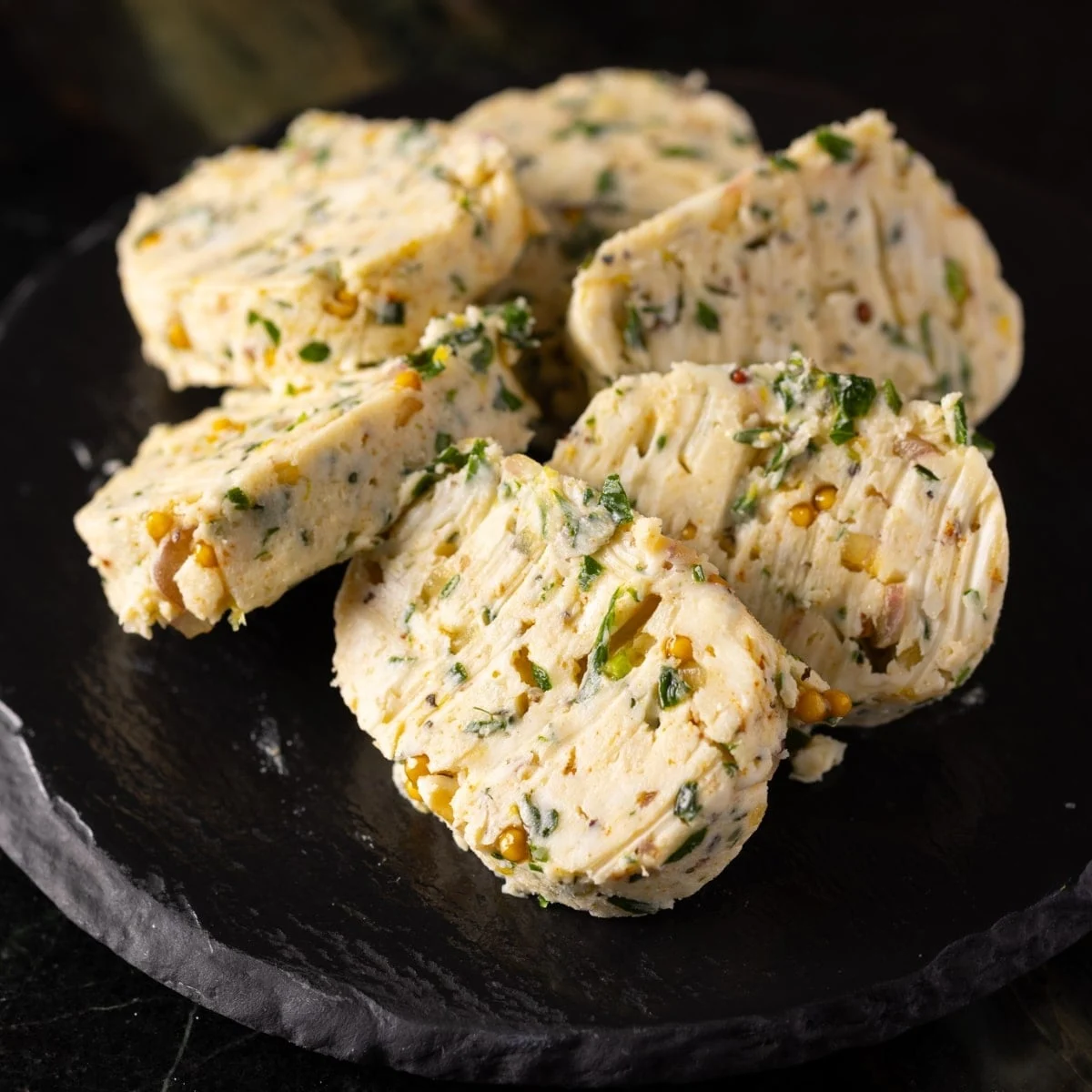
The culinary landscape of the 21st century has seen a significant shift toward the "premiumization" of pantry staples, with compound butters emerging as a primary focus for both professional chefs and home grilling enthusiasts. Among these, Cowboy Butter—a robust, herb-heavy, and citrus-forward emulsion—has transitioned from a niche ranch-style condiment to a viral sensation within the outdoor cooking community. This specific formulation, characterized by its inclusion of fresh shallots, chives, parsley, thyme, and lemon zest, represents a sophisticated evolution of the traditional French beurre composé. As home cooks increasingly seek to replicate restaurant-quality results, the adoption of specialized condiments like Cowboy Butter highlights a broader trend toward artisanal, DIY food preparation that prioritizes fresh aromatics over shelf-stable alternatives.
The Historical Context and Evolution of Compound Butters
The concept of infusing butter with herbs and spices is not a modern invention but rather a cornerstone of classical French gastronomy. Historically known as beurre composé, these mixtures were designed to melt over hot meats or fish, creating an instant sauce that enhances the flavor profile of the protein. The most famous iteration, Beurre Maître d’Hôtel, typically consists of butter, parsley, lemon juice, salt, and pepper.
However, the "Cowboy" variant represents a distinctly American adaptation. While the French versions emphasize subtlety and elegance, Cowboy Butter is designed for the high-heat environment of the charcoal grill and the robust flavors of wood-smoked meats. The addition of pungent aromatics like shallots and garlic, combined with the heat of red pepper flakes and the depth of Dijon mustard, aligns the condiment with the bold flavor profiles associated with Western and Southern pitmaster traditions. This transition from the white-tablecloth bistros of Paris to the backyard smokers of America illustrates the versatility of fat-based flavor carriers in global cuisine.

Ingredient Analysis: The Science of Flavor Infusion
The effectiveness of Cowboy Butter lies in its chemical composition. Butter, being a lipid, serves as an exceptional carrier for fat-soluble flavor compounds found in herbs and aromatics. When fresh shallots and garlic are folded into softened butter, their essential oils are trapped within the fat molecules, allowing for a more controlled release of flavor when the butter is subsequently melted over heat.
The specific selection of herbs in this recipe—parsley, chives, and thyme—provides a multi-layered sensory experience. Parsley offers a clean, slightly bitter note that acts as a palate cleanser against the richness of animal fats. Chives contribute a mild onion-like pungency without the harshness of raw white onions, while thyme introduces an earthy, floral undertone that pairs naturally with beef and poultry. The inclusion of lemon zest and juice provides the necessary acidity to break down the "mouthfeel" of heavy fats, ensuring that the final dish remains balanced rather than cloying. From a nutritional perspective, the recipe provides approximately 207 calories per serving, with a fat content of 23 grams, making it a high-energy dense condiment suitable for traditional high-protein meals.
Market Trends and the Growth of the DIY Condiment Sector
The surge in popularity of Cowboy Butter correlates with significant shifts in the global food market. According to recent industry reports, the global butter market is projected to reach a valuation of over $50 billion by 2030, driven largely by a consumer move away from processed margarines and toward natural fats. Simultaneously, the "clean label" movement has encouraged consumers to scrutinize the ingredient lists of store-bought sauces and spreads.
Data from the Hearth, Patio & Barbecue Association (HPBA) indicates that over 70% of U.S. households own a grill or smoker, and there is a documented increase in the purchase of "premium" accessories and ingredients. Cowboy Butter fits into this "hobbyist" cooking culture, where the process of making a condiment from scratch is viewed as an integral part of the culinary experience. The ability to control sodium levels—noted at 311mg in this specific recipe—and avoid artificial preservatives is a key driver for health-conscious consumers who still desire the indulgence of a butter-based sauce.

Chronology of the Recipe’s Modern Popularity
The rise of Cowboy Butter can be traced through a specific timeline of digital culinary trends:
- The Rise of BBQ Influencers (2015-2018): Culinary experts like Susie Bulloch, founder of Hey Grill Hey, began professionalizing backyard BBQ by providing accessible yet elevated recipes. Bulloch’s focus on "pantry-friendly" but high-impact ingredients helped bridge the gap between amateur grilling and professional competition standards.
- The Compound Butter Viral Wave (2020-2022): During the global pandemic, home cooking reached an all-time high. Social media platforms became flooded with "butter board" trends and compound butter tutorials, with Cowboy Butter emerging as a top-tier recommendation for its visual appeal and complex flavor.
- The Current Era of Specialization (2023-Present): Today, Cowboy Butter is no longer just a "steak topper." It is utilized in diverse applications, from seafood boils to breakfast preparations, reflecting a more integrated approach to flavor management in the kitchen.
Procedural Standards for Optimal Emulsification
To achieve the desired consistency and flavor distribution, the preparation of Cowboy Butter must follow specific procedural standards. Journalistic observation of professional techniques reveals that temperature control is the most critical factor. The butter must be softened to approximately 65°F (18°C) to allow for the manual integration of herbs without causing the fat to separate or turn oily.
The process, which takes approximately 10 minutes, involves no active cooking, thereby preserving the volatile aromatic compounds in the fresh herbs. Experts recommend finely mincing the shallots to ensure even distribution, preventing large chunks from disrupting the texture of the "pat" once the butter is chilled and sliced. For long-term storage, the industry standard is to roll the mixture into a parchment paper log, which allows for clean "coins" of butter to be sliced and applied to resting meats—a technique that ensures the butter melts slowly and evenly.
Broader Implications for Home Economics and Culinary Literacy
The adoption of recipes like Cowboy Butter has broader implications for culinary literacy. By teaching home cooks how to create their own flavor-enhanced fats, the reliance on expensive, pre-packaged "finishing sauces" is reduced. This shift promotes a more sustainable kitchen economy where basic ingredients (butter, salt, citrus) are transformed through labor and technique rather than retail spending.

Furthermore, the versatility of the product—being applicable to vegetables like grilled asparagus, seafood such as shrimp, and even morning eggs—encourages a "zero-waste" philosophy. Leftover herbs that might otherwise wilt in the refrigerator are preserved within the butter, extending their shelf life and utility.
Expert Analysis: Why This Recipe Resonates
Culinary analysts suggest that Cowboy Butter resonates because it hits all five primary taste receptors: salt (butter and added salt), sour (lemon), bitter (parsley), sweet (natural sugars in softened shallots), and umami (garlic and mustard). Susie Bulloch, a prominent figure in the BBQ space, has often emphasized that the goal of such condiments is to "butter up" the dining experience, creating a communal atmosphere through shared, high-quality meals.
The "Hey Grill Hey" philosophy, which centers on making outdoor cooking approachable, is exemplified in this recipe. By removing the need for "fancy equipment" and relying on a simple bowl and spatula, the recipe democratizes gourmet cooking. As Bulloch has noted in her professional capacity, the most effective recipes are those that use common pantry items to produce uncommon results.
Conclusion: The Future of Flavored Fats
As the culinary world continues to move toward authentic, high-quality ingredients, Cowboy Butter is likely to remain a staple of the American grilling repertoire. Its success serves as a case study for how traditional techniques can be rebranded and optimized for modern tastes. Whether used as a resting agent for a prime ribeye or a spread for artisanal sourdough, Cowboy Butter represents the intersection of simplicity, science, and superior flavor. The ongoing engagement from the grilling community, including the sharing of results on platforms like Instagram and Facebook, ensures that this "compound butter you didn’t know you needed" will continue to influence backyard menus for years to come.
