


Jodi Ettenberg, the founder of the long-standing digital platform Legal Nomads, has concluded 2025 by documenting a year of significant professional milestones achieved despite severe physical limitations caused by a chronic spinal cerebrospinal fluid (CSF) leak. Ettenberg, a former corporate lawyer who transitioned into travel journalism and entrepreneurship in 2008, has spent the last eight years navigating a dramatic health shift that has largely confined her to a supine position. Despite a major physical setback in late 2024, her 2025 output includes the publication of high-level medical research, the expansion of a global celiac resource business, and the assumption of the presidency of the Spinal CSF Leak Foundation.
The Evolution of Legal Nomads: From Global Travel to Health Advocacy
The trajectory of Ettenberg’s career reflects a broader trend in the digital economy: the pivot from personality-driven content to specialized, mission-based entrepreneurship. Originally established as a travel blog during her decade of world exploration, Legal Nomads evolved in response to the specific needs of its audience. This evolution saw the creation of resources for lawyers seeking alternative careers and the development of comprehensive guides for travelers with celiac disease.
In 2017, Ettenberg’s life changed following a medical procedure that resulted in a spinal CSF leak—a condition where the fluid surrounding the brain and spinal cord escapes through a tear in the dura mater. The resulting loss of fluid pressure causes the brain to sag within the skull, leading to debilitating "orthostatic" headaches that worsen when upright. For Ettenberg, this has resulted in a life measured in "standing increments" or "uptime," often forcing her to conduct all business operations from her bed.
The 2025 reporting
period began under duress. On December 25, 2024, a physical accident unspooled Ettenberg’s "leak baseline," reducing her standing time to nearly zero for several months. This setback coincided with significant family health crises, as both her father and stepmother faced prolonged hospitalizations. However, the year concluded with Ettenberg integrating her legal expertise, business acumen, and patient experience into a multi-faceted professional portfolio.
Scaling Global Celiac Resources in a Niche Market
A cornerstone of Ettenberg’s 2025 success was the expansion of her celiac travel resources. Celiac disease, an autoimmune disorder where the ingestion of gluten leads to damage in the small intestine, affects approximately 1% of the global population. For these individuals, international travel presents a significant risk of cross-contamination and accidental ingestion.
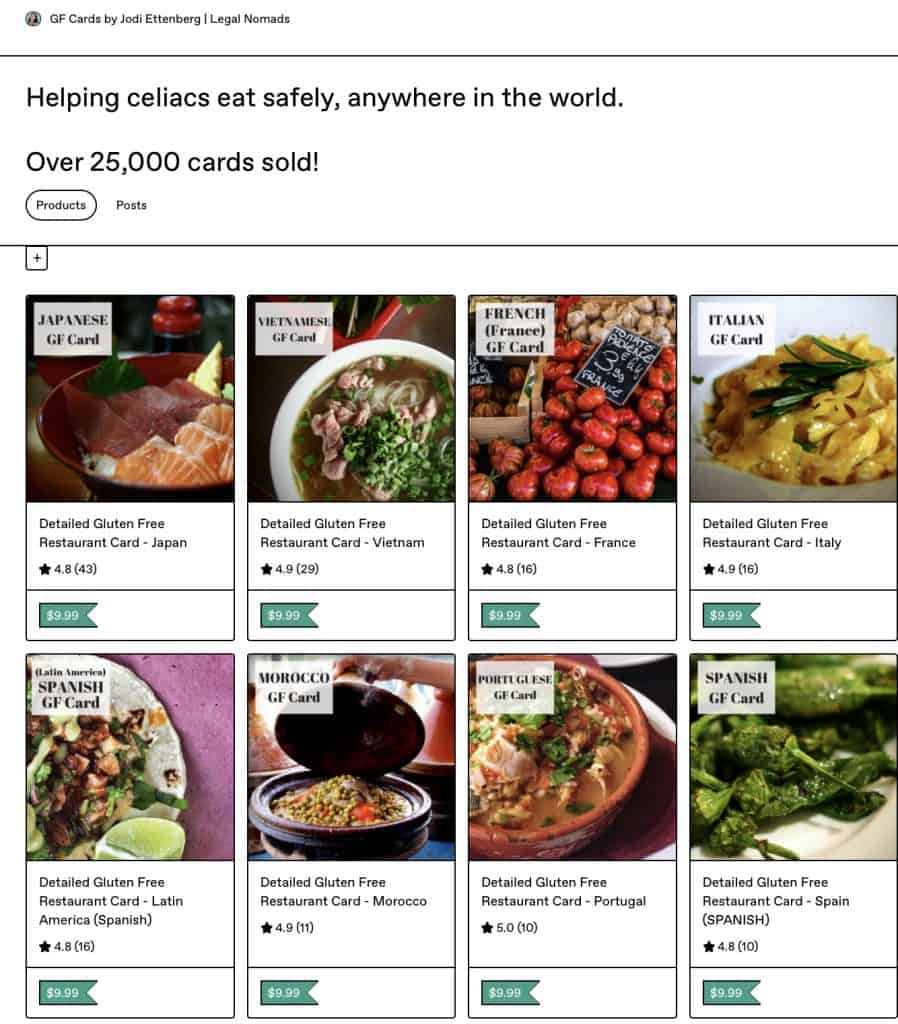
In 2025, Ettenberg reached a milestone of 25,000 celiac translation cards sold. These cards, which provide detailed dietary requirements in local languages, are now available in 21 languages, with Croatian, Korean, and Khmer added to the catalog this year. The cards have become a vital tool not only for individual travelers but also for physicians and travel agencies, who have begun utilizing whitelisted versions of the products.
Furthermore, Ettenberg published two new "Essential Gluten-Free Guides" for Cambodia and South Korea. These guides, typically ranging from 3,000 to 5,000 words, provide a granular analysis of local cuisines, identifying safe and unsafe ingredients beyond the standard restaurant recommendations. By collaborating with readers on the ground to ensure data accuracy, Ettenberg has maintained the relevance of her travel database even while unable to travel herself.
Contributions to Medical Research and Standardized Reporting
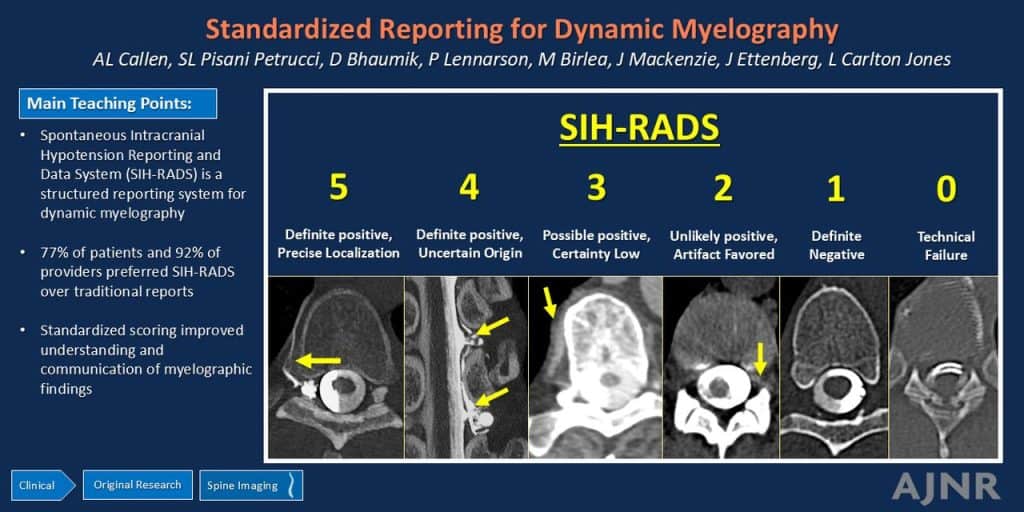
One of the most significant professional achievements of Ettenberg’s year was her role as a patient-author in a peer-reviewed medical research paper. Published in the American Journal of Neuroradiology (AJNR), the paper addresses "Enhancing Clarity in Dynamic Myelography Reporting."
The research proposes a new standardized reporting system called SIH-RADS (Spontaneous Intracranial Hypotension Reporting and Data System). Dynamic myelography is a specialized imaging technique used to locate spinal CSF leaks that are difficult to detect via traditional MRI. By injecting contrast dye and scanning the patient in real-time as they move, physicians can visualize the exact point of fluid egress.
The introduction of SIH-RADS aims to solve a common problem in the diagnosis of Spontaneous Intracranial Hypotension (SIH): inconsistent terminology and reporting styles among radiologists. According to the study, both patients and referring providers expressed a strong preference for the SIH-RADS system over traditional reporting methods. Ettenberg’s participation as a co-author highlights an increasing trend in medical research where patient perspectives are integrated into the development of diagnostic frameworks to improve clinical outcomes.

Leadership at the Spinal CSF Leak Foundation
Ettenberg’s transition into high-level non-profit leadership reached a peak in 2025 when she was appointed Board President of the Spinal CSF Leak Foundation. The foundation is a 501(c)(3) non-profit organization dedicated to reducing the suffering of persons affected by intracranial hypotension or spinal CSF leaks.
As President, Ettenberg oversaw several critical organizational initiatives:
- Executive Search: Leading the hiring process for a new Executive Director, which involved reviewing over 130 applications and coordinating a multi-stage interview and scoring process.
- International Patient Registry: Progressing the launch of the first international patient registry for spinal CSF leak, a tool intended to provide researchers with longitudinal data on the condition.
- Leakweek Awareness: Managing "Leakweek," the foundation’s annual awareness campaign, which in 2025 raised $4,217 through community contributions.
- Conference Planning: Organizing the foundation’s annual medical conference, which brings together neuroradiologists, neurologists, and neurosurgeons to discuss the latest advancements in the field.
Ettenberg also participated in the conference as a speaker, engaging in a "fireside chat" with Dr. Andrew Callen, a neuroradiologist from the University of Colorado. The discussion focused on the barriers to care from both the patient and physician perspectives, addressing the complexities of diagnosing a condition that remains under-recognized in general medical practice.

Media Presence and Professional Analysis
Despite her physical constraints, Ettenberg maintained a significant media presence in 2025. She was featured on "The Hearing," a legal podcast produced by Thomson Reuters. The 53-minute interview explored her transition from a "lock-step" legal career to accidental entrepreneurship and advocacy.
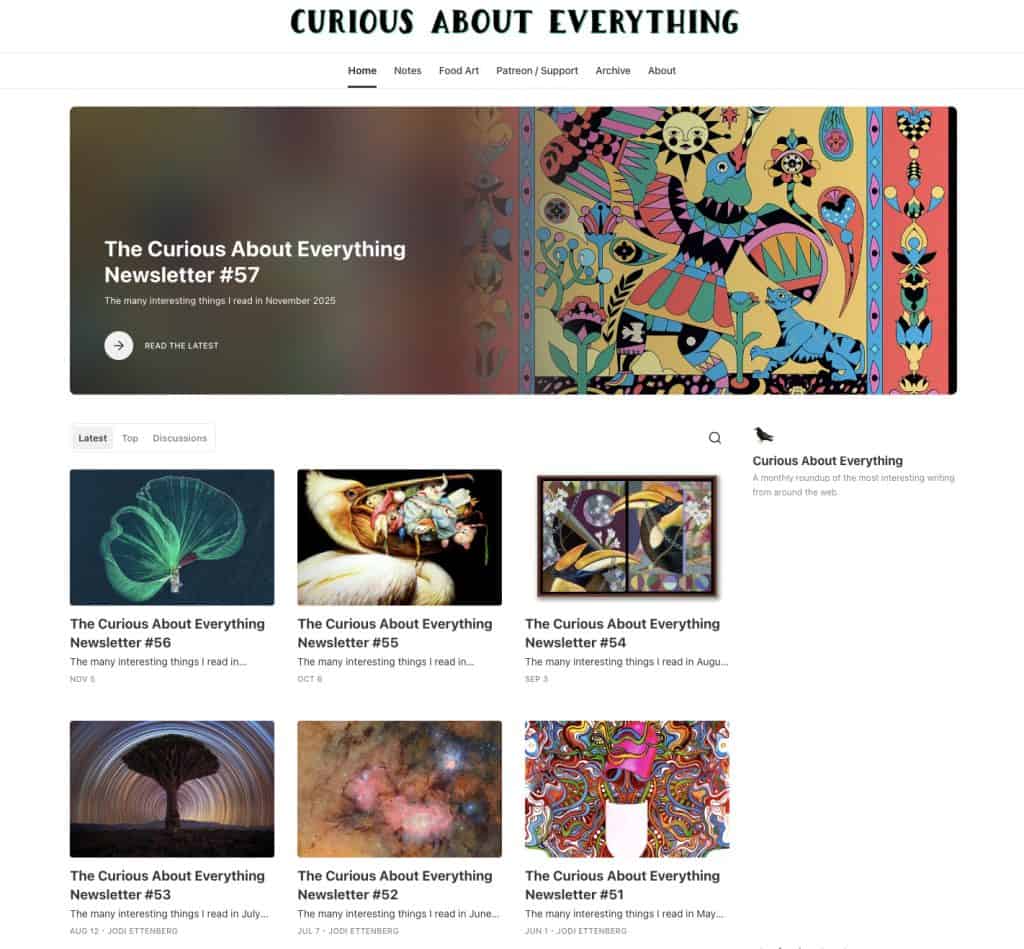
Industry analysts suggest that Ettenberg’s model of "community-supported creation" offers a blueprint for professionals facing chronic illness. By utilizing platforms like Patreon—where she maintains a "Support Only" membership model—Ettenberg has decoupled her income from traditional "billable hours" or high-volume content production. This approach allows for a flexible workflow that accommodates the unpredictable nature of chronic pain and neurological symptoms.
The "Curious About Everything" (CAE) newsletter, which reached its 57th issue in December 2025, serves as the primary vehicle for Ettenberg’s intellectual output. By curating diverse topics ranging from science to art, she has maintained an engaged audience that supports her broader advocacy work.
Broader Impact and Implications for Chronic Illness in the Workplace
Ettenberg’s 2025 retrospective provides a fact-based analysis of how technology can mitigate the professional isolation typically associated with debilitating illness. The integration of her "three lives"—lawyer, traveler, and advocate—demonstrates that cognitive contribution is not strictly dependent on physical mobility.
However, the year also highlighted the systemic challenges faced by the chronically ill. Ettenberg noted the irony of returning to a life of "measuring seconds" (uptime) after originally leaving the legal profession to escape the "billable hour" culture. Furthermore, her lack of eligibility for disability benefits in Canada underscores the precarious financial position of self-employed individuals who sustain life-altering health issues.
As 2025 concludes, the work of the Spinal CSF Leak Foundation under Ettenberg’s leadership points toward a more standardized and researched future for SIH patients. Her ability to manage a global business, a non-profit presidency, and a medical research contribution from a supine position serves as a notable case study in the resilience of the modern "knowledge worker" and the expanding boundaries of digital advocacy.
