

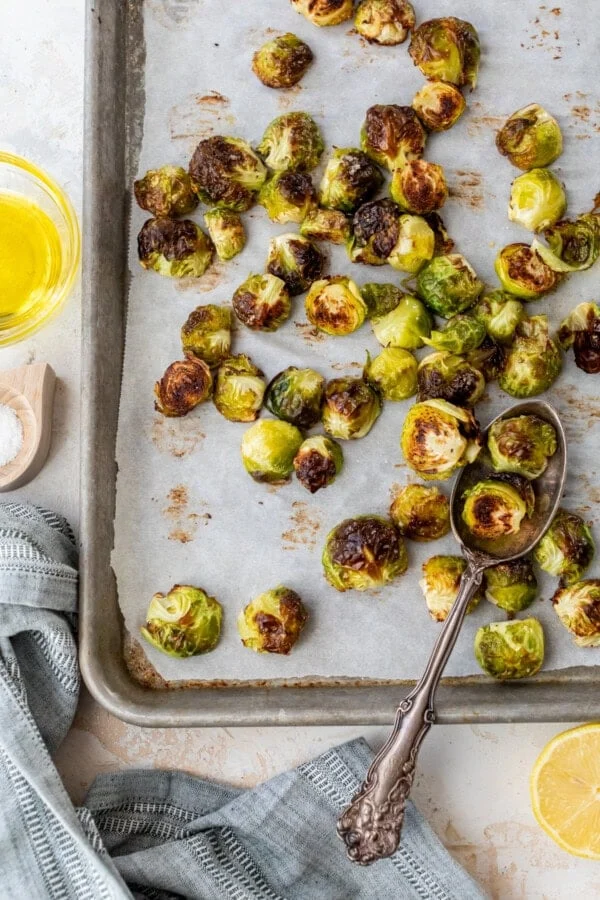
The humble Brussels sprout, once a culinary outcast, has undergone a remarkable transformation in popular opinion, largely thanks to the universally acclaimed technique of oven roasting. This method, celebrated for its ability to coax out the vegetable’s inherent sweetness and develop an irresistible texture, has become the go-to approach for home cooks and professional chefs alike. Achieving the perfect roasted Brussels sprout involves a simple yet precise technique: halving the sprouts and placing them cut-side down on a baking sheet, allowing for optimal caramelization and a tender interior. This foundational method serves as a versatile base, easily adaptable to a myriad of flavor profiles, making it an indispensable side dish for a wide array of meals, from elegant filet mignon to comforting roasted chicken.
From Obscurity to Culinary Star: The Brussels Sprout’s Journey

Brussels sprouts, members of the Brassica oleracea species alongside cabbage, broccoli, and kale, have a history stretching back centuries. Believed to have originated in the Mediterranean region, their cultivation as we know it today began in the 16th century near Brussels, Belgium, hence their distinctive name. For generations, however, these miniature cabbages were often maligned, primarily due to improper cooking methods. Overcooked Brussels sprouts release sulfurous compounds, resulting in an unpleasant bitter taste and mushy texture that cemented their negative reputation in many households.
The resurgence of Brussels sprouts in modern cuisine can be attributed to a better understanding of their preparation. Chefs and food scientists discovered that high-heat cooking, particularly roasting, not only mitigates the bitterness but also unlocks a deeper, sweeter, and nuttier flavor profile. This culinary rehabilitation aligns with broader trends towards embracing diverse vegetables and exploring more adventurous, yet accessible, cooking techniques. Today, Brussels sprouts are no longer a dreaded obligation but a celebrated component of healthy, flavorful eating, appearing on menus from casual diners to upscale restaurants, particularly prominent during the fall and winter seasons when they are at their peak.
The Science of Sizzle: Unpacking the Roasting Process

The magic of roasted Brussels sprouts lies in the application of high, dry heat. When Brussels sprouts are halved and exposed to temperatures typically between 400°F and 425°F (200°C and 220°C), several chemical reactions occur simultaneously, contributing to their desirable characteristics. Foremost among these is the Maillard reaction, a complex series of chemical changes between amino acids and reducing sugars that gives browned food its distinctive flavor and aroma. This reaction is responsible for the rich, savory notes and the appealing golden-brown crust that forms on the cut surfaces of the sprouts.
Simultaneously, the natural sugars within the Brussels sprouts undergo caramelization, a process that adds a subtle sweetness and further deepens the flavor. The high heat also causes the water content within the vegetable to evaporate quickly, concentrating the flavors and preventing the soggy texture associated with boiling or steaming. Placing the sprouts cut-side down maximizes their contact with the hot baking sheet, promoting superior browning and creating those coveted charred edges. The outer leaves, exposed directly to the dry heat, become delightfully crispy, offering a textural contrast to the tender, almost creamy interior. This method effectively transforms the vegetable, replacing any potential bitterness with a nuanced, earthy sweetness and a satisfying textural interplay.
Nutritional Powerhouse: A Profile in Health

Beyond their enhanced flavor, roasted Brussels sprouts offer significant health benefits, reinforcing their status as a valuable dietary component. These cruciferous vegetables are packed with essential vitamins, minerals, and dietary fiber, making them an excellent choice for a balanced diet. A typical 3/4 cup serving (approximately 88 grams) of roasted Brussels sprouts provides roughly 138.5 calories, 10 grams of carbohydrates, 4 grams of protein, 10.5 grams of fat (mostly from olive oil), 4.5 grams of fiber, and 2.5 grams of sugar.
Crucially, Brussels sprouts are an outstanding source of Vitamin C, a powerful antioxidant vital for immune function, skin health, and collagen production. They are also rich in Vitamin K, essential for blood clotting and bone health, and a good source of Vitamin A, folate, and manganese. The high fiber content aids in digestion, promotes satiety, and contributes to gut health, potentially lowering the risk of chronic diseases. Furthermore, Brussels sprouts contain glucosinolates, sulfur-containing compounds that have been extensively studied for their potential anti-cancer properties. Nutritionists often laud Brussels sprouts as a nutrient-dense food, advocating for their regular inclusion in meals to support overall well-being. Their low-carb and vegetarian nature also makes them suitable for various dietary restrictions, including those following Weight Watchers or ketogenic plans.
Expert Endorsements and Culinary Innovation

Leading culinary figures and health professionals have played a significant role in elevating the status of roasted Brussels sprouts. Renowned chefs frequently highlight the vegetable’s versatility, noting its ability to absorb and complement a wide range of flavors. "The transformation of Brussels sprouts through roasting is truly remarkable," states Chef Elena Petrova, a celebrated proponent of vegetable-forward cuisine. "The high heat not only sweetens them but also creates an incredible textural dynamic—crispy edges, tender heart. It’s a foundational technique every home cook should master."
Similarly, registered dietitians emphasize the nutritional advantages. Dr. Anya Sharma, a public health nutritionist, comments, "Brussels sprouts offer an impressive array of micronutrients and fiber. Roasting makes them palatable and enjoyable for even the most hesitant eaters, which is crucial for increasing vegetable intake across demographics." Food writers and bloggers, like Gina Homolka of Skinnytaste.com, have further popularized the dish by sharing accessible recipes that demystify the process for home cooks, demonstrating that achieving restaurant-quality results is within reach with minimal effort. This collective endorsement has solidified roasted Brussels sprouts as a modern culinary staple.
Customization and Flavor Exploration

One of the most appealing aspects of roasted Brussels sprouts is their remarkable adaptability to various flavor enhancements. The basic preparation—tossed with olive oil, salt, and pepper—provides a clean canvas for culinary creativity. For a bright, tangy finish, a squeeze of fresh lemon juice and a sprinkle of grated Parmesan cheese can be added immediately after roasting. The zestiness of the lemon cuts through the richness, while the Parmesan offers a salty, umami depth.
For those who appreciate a touch of sweetness and acidity, a drizzle of balsamic glaze provides a sophisticated counterpoint to the sprouts’ earthy notes. This popular variation is often enhanced with a sprinkle of toasted pecans or walnuts for added crunch. Meat lovers can incorporate crispy bacon or pancetta, rendered separately and then tossed with the roasted sprouts, imparting a smoky, savory richness. Other popular variations include:
- Spicy Kick: A pinch of red pepper flakes or a drizzle of sriracha for those who enjoy heat.
- Maple Glaze: A touch of maple syrup or honey, often combined with a hint of Dijon mustard, for a sweet and savory profile.
- Garlic and Herb: Minced garlic and fresh herbs like rosemary or thyme, added during the last few minutes of roasting to prevent burning.
- Asian-Inspired: A splash of soy sauce or tamari, sesame oil, and ginger for an umami-rich twist.
- Nutty Crunch: Toasted almonds, pistachios, or pine nuts can be added for texture and flavor.
These variations allow home cooks to continuously reinvent the dish, ensuring it remains an exciting and integral part of their meal rotation, adapting it to complement diverse main courses and seasonal ingredients.

A Step-by-Step Guide to Perfection: Achieving Crispy Results
The process for preparing perfectly roasted Brussels sprouts is straightforward, requiring minimal active time and yielding maximum flavor.
- Preparation: Begin by thoroughly washing the Brussels sprouts. Trim the tough, woody ends from each sprout. Remove any loose or discolored outer leaves. For consistent cooking and optimal browning, halve each sprout through the stem. If the sprouts are particularly large, they can be quartered.
- Seasoning: In a large bowl, toss the prepared Brussels sprouts with a generous amount of olive oil. The oil is crucial for achieving crispiness and facilitating the Maillard reaction. Season liberally with salt and freshly ground black pepper. Ensure all sprouts are evenly coated.
- Arrangement: Spread the seasoned Brussels sprouts in a single layer on a large baking sheet. Crucially, place them cut-side down. Overcrowding the pan is a common pitfall; if necessary, use two baking sheets to ensure sufficient space between sprouts. Overcrowding traps steam, preventing the sprouts from browning and making them soggy.
- Roasting: Preheat your oven to a high temperature, typically 400°F (200°C) or 425°F (220°C). Roast for approximately 15 to 25 minutes, depending on the size of the sprouts and desired crispiness. The sprouts are ready when their cut sides are deeply browned and caramelized, and the interiors are fork-tender. A quick check with a fork should reveal no resistance.
- Finishing Touches: Once roasted, remove the sprouts from the oven. This is the ideal time to add any desired flavor variations, such as lemon juice, Parmesan cheese, balsamic glaze, or crispy bacon bits, tossing them gently to combine.
Essential Tips for Success:

- Dry Sprouts: Ensure Brussels sprouts are completely dry before tossing with oil. Excess moisture will steam the sprouts instead of roasting them, inhibiting browning.
- High Heat: Don’t shy away from high oven temperatures. This is key to achieving that desirable char and tender interior quickly.
- Single Layer: Always arrange sprouts in a single layer without overcrowding. Air circulation is vital for crispy results.
- Quality Oil: Use a good quality olive oil or avocado oil, which have high smoke points suitable for roasting.
- Monitor: Keep an eye on the sprouts, especially towards the end of the cooking time, as oven temperatures can vary, and they can go from perfectly charred to burnt quickly.
Storage and Reheating:
Leftover roasted Brussels sprouts can be stored in an airtight container in the refrigerator for up to 3-4 days. While they lose some of their crispness upon cooling, they remain delicious. To reheat, spread them on a baking sheet and warm them in a preheated oven at 350°F (175°C) for about 5-10 minutes, or until heated through and slightly re-crisped. Microwaving is generally not recommended as it can lead to a softer, less appealing texture. Freezing roasted Brussels sprouts is also possible, though their texture will soften considerably upon thawing, making them better suited for incorporating into casseroles or soups rather than serving as a standalone side.
Complementary Pairings: Building a Balanced Meal

Roasted Brussels sprouts are an exceptionally versatile side dish, capable of complementing a wide array of main courses and other seasonal sides. Their slightly bitter, earthy flavor, tempered by the roasting process, pairs beautifully with rich proteins. They are a classic accompaniment to:
- Poultry: Roasted chicken, air fryer whole chicken, turkey breast, or pan-seared chicken breasts.
- Beef: Elegant options like filet mignon, a hearty roast beef, or a simple steak.
- Pork: Pork tenderloin, roasted pork loin, or crispy pork belly.
- Fish: Baked salmon, pan-seared cod, or grilled halibut.
- Vegetarian Main Dishes: Lentil loaf, mushroom Wellington, or hearty grain bowls.
For a complete meal, consider pairing them with other comforting fall and winter sides such as mashed potatoes, sweet potato casserole, quinoa pilaf, or a fresh green salad with a light vinaigrette. The robust flavor of roasted Brussels sprouts stands up well to other strong flavors, creating a harmonious and satisfying culinary experience.
In conclusion, the journey of the Brussels sprout from a culinary underdog to a celebrated staple is a testament to the power of proper preparation. The simple act of oven roasting unlocks its true potential, transforming it into a delicious, nutritious, and incredibly versatile vegetable. With minimal ingredients and a few key techniques, anyone can master the art of perfectly roasted Brussels sprouts, achieving those coveted charred, caramelized edges and tender interiors that have cemented their place in modern cuisine. They are more than just a side dish; they are an invitation to healthy, flavorful eating, easily customizable and endlessly rewarding.
