

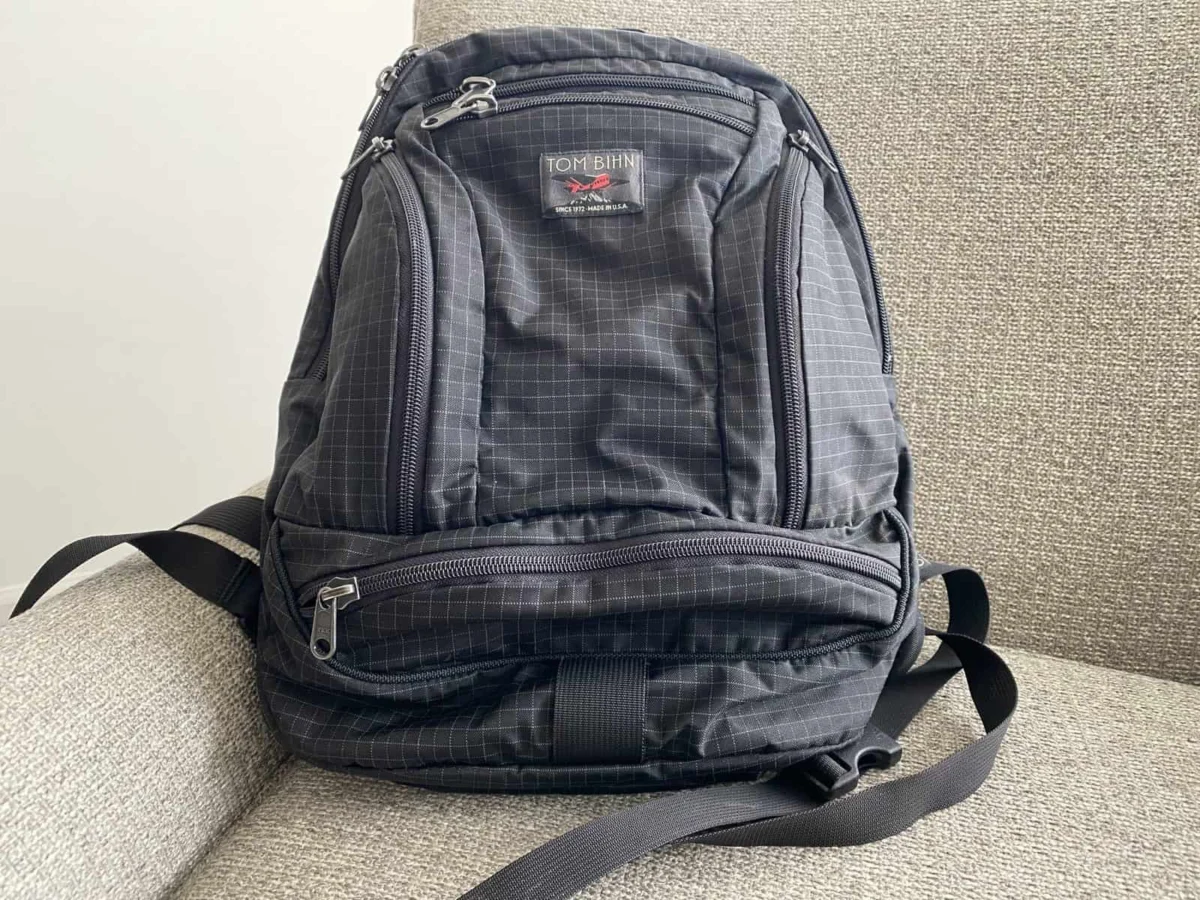
The recovery of personal property following a criminal act is a statistically rare occurrence in major metropolitan areas, particularly when years have elapsed since the initial incident. However, a recent event in the Park Slope neighborhood of Brooklyn has brought to light a remarkable case of long-term property restoration that intersects with personal trauma, medical adversity, and the role of digital communication in modern community policing. In early 2021, a traveler and former attorney, Jodi Ettenberg, was reunited with a backpack stolen during a residential burglary nearly four years prior. The bag’s discovery on a rooftop, and its subsequent return via social media, provides a unique case study into the lifecycle of stolen goods and the psychological impact of recovered artifacts on victims of crime.
Chronology of the 2017 Incident and Simultaneous Medical Crisis
The origins of this case date back to August 2017, a period marked by a profound confluence of personal misfortune for the victim. While Ettenberg was undergoing a lumbar puncture (spinal tap) at a New York City emergency room—a procedure intended to diagnose medical issues but which ultimately resulted in a debilitating cerebrospinal fluid (CSF) leak—the apartment she was occupying in Park Slope was being burglarized.
Surveillance footage from a residential "baby cam" within the apartment established a chilling timeline: the perpetrator entered the premises at the exact moment the medical procedure began at the hospital. The thief utilized a Tom Bihn Synapse daybag, belonging to Ettenberg, as a vessel to collect various high-value items from the residence. While the burglar took laptops, jewelry, and cash, they notably left behind Ettenberg’s Canadian passport and a small denomination of Canadian currency on a sofa before exiting the premises. The bag itself, containing several of Ettenberg’s personal effects that were not deemed high-value by the thief, vanished along with the electronics and jewelry.
Discovery and the Role of Maintenance Services
The resolution of the bag’s disappearance remained stagnant for over three years. It was only in the winter of 2020 that a breakthrough occurred. A resident living several houses away from the original site of the burglary contracted a professional chimney cleaning service. During the maintenance of the rooftop chimney vent, the technician discovered the Tom Bihn backpack tucked into a crevice on the roof.
Forensic analysis of such discoveries suggests that burglars often "dump" bags or non-liquidatable assets in high, out-of-sight locations shortly after a crime to divest themselves of incriminating evidence while retaining stolen cash or electronics. The backpack had remained exposed to the elements on the Brooklyn rooftop through multiple seasons, including several New York winters, before its eventual discovery.
The homeowner, upon inspecting the bag, found several expired credit cards and business cards belonging to Ettenberg. Utilizing the biographical information found on these items, the resident attempted to contact the owner via Facebook. Due to the platform’s filtering algorithms, the message remained in a "requests" folder—often referred to as "message purgatory"—for several weeks before Ettenberg discovered the notification in January 2021.

Inventory of Recovered Items and Condition Assessment
Upon the bag’s return, an inventory was conducted to determine what had survived the three-and-a-half-year exposure to the Brooklyn climate. The contents included:
- Prescription Eyewear: Two pairs of prescription glasses were found within the bag. While the frames had suffered warping due to extreme temperature fluctuations on the rooftop, they remained intact and potentially adjustable by an optometrist.
- Identification and Financial Tools: Several credit cards were recovered, though all had reached their expiration dates during the intervening years.
- Personal Ephemera: A bottle of hand lotion, a container of Tylenol, and business cards from travel-related networking events.
- Unidentified Objects: A single blue die, which the owner confirmed did not belong to her, suggesting it may have been dropped into the bag by the perpetrator or was a remnant from a previous theft.
Items of significant monetary value, including a laptop and various pieces of jewelry stolen from the apartment tenants, were absent from the bag, confirming the theory that the backpack was used as a temporary transport device before being discarded.
Statistical Context: Burglary and Property Recovery in New York City
The recovery of Ettenberg’s bag is an outlier when viewed against the broader landscape of property crime in New York City. According to historical data from the New York Police Department (NYPD), the 78th Precinct, which covers Park Slope, has seen fluctuating burglary rates over the last decade. In 2017, the year of the theft, New York City reported over 12,000 burglaries.
Recovery rates for stolen property in such cases are notoriously low, often hovering below 10-15% for non-vehicular property. Most stolen electronics are quickly moved through "fences" or secondary markets, while bags and clothing are frequently destroyed or discarded in municipal waste. The fact that this specific item was discarded on a rooftop rather than in a trash receptacle is the primary factor that allowed for its eventual recovery.
Furthermore, the medical context of Ettenberg’s case adds a layer of complexity to the recovery. The spinal tap she received in 2017 led to a chronic disability, changing the trajectory of her life and career. For victims of crime who also suffer simultaneous trauma, the return of stolen property can serve as a potent "trigger" for Post-Traumatic Stress Disorder (PTSD) or, conversely, as a mechanism for emotional closure.
Psychological Implications of Recovered Artifacts
The return of the backpack prompted a significant emotional response, which Ettenberg described as "kicking up sediment from the bottom of a lake." In journalistic and psychological terms, this represents the "liminal weight" of objects. The bag functioned as a physical bridge between Ettenberg’s life as a mobile, healthy "global nomad" and her post-2017 reality of chronic illness and restricted mobility.
Experts in the psychology of victimization suggest that the return of property after a long duration forces a reconciliation with the past. For Ettenberg, the bag represented the "holding of a breath"—a transient space between her old identity and her new one. The process of reclaiming the bag, cleaning it, and eventually deciding its future allowed for a "transmutation" of the negative energy associated with the 2017 burglary.

Community Response and the "Llamafication" of Recovery
The logistics of the bag’s return involved a network of support. Cheryl, a former law school colleague and friend of Ettenberg, acted as the intermediary, retrieving the bag from the Park Slope resident. Recognizing the potential trauma associated with the object, Cheryl performed a thorough sanitization of the bag and engaged in a gesture of "rehabilitative kindness."
She filled the backpack with llama-themed items—including a sweatshirt, ornaments, and stationery—before shipping it to Ettenberg. This act of "llamafication" served to overwrite the bag’s association with theft and medical trauma with new associations of friendship and humor. This intervention highlights the importance of social support networks in the recovery process for victims of crime.
Final Disposition and the "Outlier of Possibilities"
The ultimate fate of the recovered Tom Bihn bag serves as a conclusion to this multi-year saga. Rather than retaining the object, which carried heavy emotional baggage, or destroying it, which might have felt wasteful, Ettenberg chose to gift the bag to another friend. This decision was framed as a way to ensure the "miracle bag" found a home where it could be utilized for its intended purpose, effectively closing the chapter on the 2017 incident.
The manufacturer, Tom Bihn, had replaced the bag shortly after the initial burglary in 2017, an act of corporate social responsibility that allowed the victim to maintain some semblance of her routine during her initial recovery. The return of the original bag years later serves as a reminder of the "spiral of life," where events and objects often resurface in unexpected ways.
Analysis of Broader Implications
This case provides several takeaways for the public and law enforcement:
- The Longevity of Evidence: Stolen property can remain in the environment for years, hidden in plain sight (such as on rooftops or in crawl spaces), suggesting that secondary searches of crime scene peripheries can occasionally yield results long after an investigation has gone cold.
- Digital Lost and Found: The "Message Requests" folder on social media platforms like Facebook remains a critical, if flawed, tool for returning lost items. Users are encouraged to periodically check these folders for legitimate communications from strangers.
- Community Vigilance: The proactive effort by the Park Slope resident to track down the owner of an old, weather-beaten bag demonstrates the power of community connectivity in urban environments.
- Trauma-Informed Recovery: The return of property is not always a purely joyful event. For victims of crime, recovered items are often tethered to the trauma of the original event, requiring careful emotional navigation.
In the words of the victim, being reunited with the bag falls into the "outlier of possibilities." While the laptop and jewelry remain lost to the secondary markets of New York City, the return of the Tom Bihn Synapse serves as a rare footnote in the annals of Brooklyn property crime—a physical reminder of a day when a life changed forever, and a symbol of the resilience required to move forward.
