

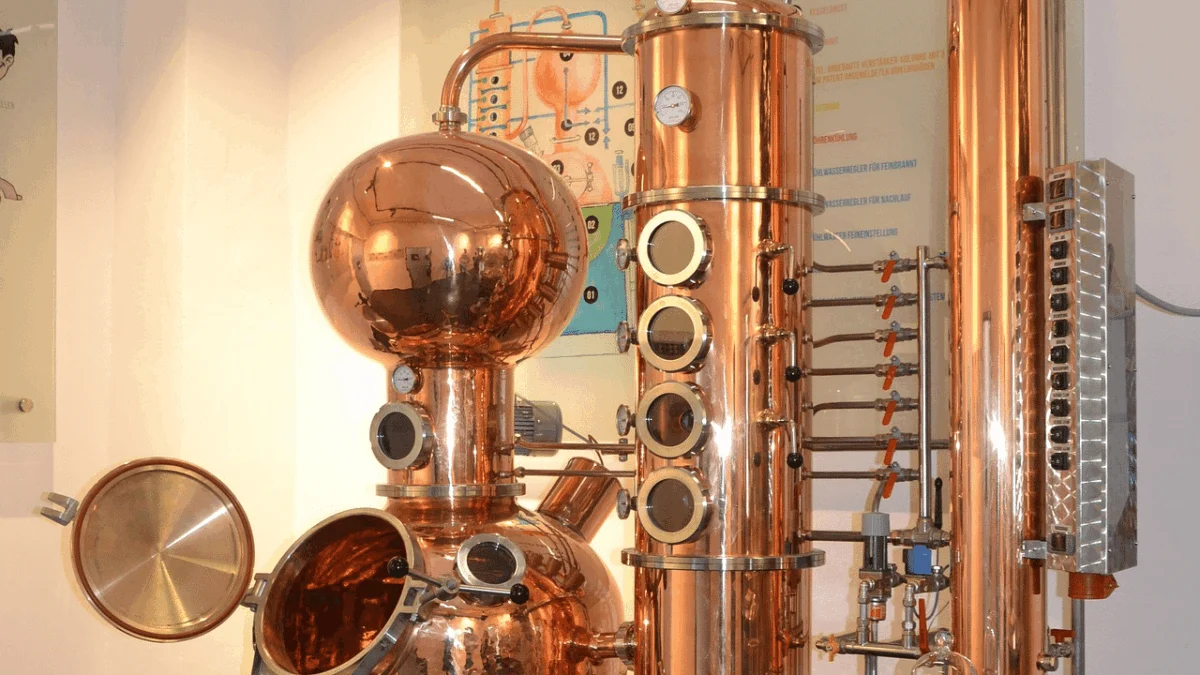
The flavor profile of a premium gin is the culmination of a sophisticated series of technical decisions and chemical extractions that occur long after a master distiller has selected their botanical blend. While the public often focuses on the exotic ingredients listed on the label, the industry reality is that two distillers using the exact same raw materials can produce vastly different spirits based on the mechanics of their distillation process. This variance is driven by four primary pillars of production: botanical ratios, extraction methods, the timing of the "cuts," and the methodology of dilution. To understand the modern gin landscape, one must look beyond the ingredients and into the physics of the still and the strategic choices made by the producers who operate them.
The Foundation of Neutral Grain Spirit and the Geometry of Ratios
The production of gin almost universally begins with Neutral Grain Spirit (NGS). This is a highly rectified ethanol, typically distilled to a purity of 96% alcohol by volume (ABV), derived from grains such as wheat, rye, or corn. By starting with a "blank canvas" that is devoid of the heavy congeners found in whiskey or brandy, the distiller ensures that the botanical flavors remain the undisputed protagonist of the liquid. From this starting point, the first critical decision is the ratio of botanicals to spirit.
Industry benchmarks suggest a standard botanical load of 20 to 35 grams of dried ingredients per liter of spirit. However, the internal hierarchy of these ingredients is what defines the spirit’s character. Because international regulations—including those from the European Union and the Alcohol and Tobacco Tax and Trade Bureau (TTB) in the United States—mandate that gin must possess a predominant flavor of juniper, most traditional recipes dedicate approximately 60% of their total botanical weight to juniper berries.
The secondary tier of the recipe usually involves "bridge" botanicals like coriander seed, which provides citrus and spicy notes, often used at a ratio of 50% relative to the juniper. Tertiary ingredients, such as angelica root or cassia bark, act as fixatives and base notes, typically comprising only 5% to 10% of the juniper’s weight. Finally, "signature" botanicals—such as dried citrus peel, grains of paradise, or floral elements—may be added in minute quantities, sometimes representing less than 1% of the total mass. The precision required at this stage is immense; a variation of just a few grams in a multi-thousand-liter batch can fundamentally alter the aromatic balance of the final product.
Extraction Methodologies: Maceration versus Vapor Infusion
Once the ratios are established, the distiller must choose how to marry the botanicals with the ethanol. This choice generally falls into two categories: maceration (the "steeping" method) or vapor infusion (the "basket" method).
Maceration involves soaking the botanicals directly in the NGS within the pot still. This process is akin to making a very strong tea. Some heritage brands, most notably Beefeater, utilize a 24-hour maceration period before heat is applied to the still. This extended contact time allows the ethanol to break down the cellular walls of the botanicals, extracting heavier oils and more robust, earthy flavors. Distillers who favor this method often argue that it produces a "bigger," more traditional gin that holds up well in cocktails like the Negroni.
Conversely, vapor infusion involves placing the botanicals in a perforated basket located in the neck of the still. As the ethanol is heated and turns into vapor, it passes through the botanicals, volatilizing the essential oils and carrying them through the condenser. This method, famously championed by Bombay Sapphire, results in a lighter, more ethereal spirit. Because the botanicals are never boiled in the liquid, the more delicate floral and citrus notes are preserved without the extraction of bitter tannins.
The placement of the basket also serves as a variable. A basket placed high in the still’s lyne arm will interact with cooler vapors, resulting in a different extraction profile than a basket placed lower, where the temperatures are more intense. Modern craft distillers frequently utilize a hybrid approach, macerating hardy roots and seeds while vapor-infusing delicate petals and fresh citrus peels to achieve a multi-dimensional complexity.
The Art of the Cut: Managing Chemical Chronology
Distillation is fundamentally a chronological process. As the still is heated, different chemical compounds reach their boiling points at different times. The distiller’s ability to "cut" the run—deciding which part of the distillate to keep and which to discard or recycle—is the defining act of craftsmanship in the industry.
The process is divided into three distinct phases:
- The Heads: These are the first compounds to come off the still. They are high in ABV and contain volatile chemicals like acetaldehyde and ethyl acetate. While they carry intense aromas, they are often harsh, smelling of nail polish remover or paint thinner. In the production of gin, the very beginning of the heads, known as "foreshots," must be discarded for safety and flavor.
- The Heart: This is the "sweet spot" of the distillation. It contains the cleanest ethanol and the most desirable botanical oils. The distiller monitors the ABV and the sensory profile constantly to ensure they are capturing the peak expression of the juniper and supporting botanicals.
- The Tails: As the alcohol concentration in the still drops, heavier compounds known as fusel oils begin to emerge. These can introduce aromas of wet cardboard, cooked vegetables, or bitter earthiness.
A distiller’s decision on when to transition from the heart to the tails determines the gin’s "texture." A "tight" cut—ending the heart early—results in a very clean, crisp gin. A "wide" cut allows more of the heavy oils from the tails to enter the blend, providing a creamier mouthfeel and more persistent finish, though at the risk of introducing "off" flavors.
Single-Shot vs. Multi-Shot: Efficiency and the Question of Quality
A significant but often overlooked distinction in the gin world is the difference between single-shot and multi-shot distillation. This choice is often driven by the scale of production and the intended price point of the final bottle.
In a single-shot process, the distiller adds the exact amount of botanicals needed for a single batch of gin. Once the distillation is complete, the resulting high-proof spirit is diluted only with water to reach the bottling strength (typically between 40% and 47% ABV). This is widely considered the "artisanal" standard, as it preserves the exact proportions of the distillation run.
In the multi-shot method, the distiller increases the botanical load significantly—sometimes by a factor of ten or more—creating a "gin concentrate." This ultra-intense distillate is then "stretched" by blending it with additional neutral grain spirit and water before bottling. While purists argue that multi-shot gins lack the integrated texture of single-shot versions, many of the world’s best-selling global brands utilize multi-shot techniques to maximize the output of their stills and reduce energy consumption. From a chemical standpoint, the two methods can produce nearly identical aromatic profiles, though the mouthfeel of a single-shot gin is often cited by connoisseurs as being superior.
Legal Classifications and Industry Implications
The technical choices mentioned above are often dictated by the legal category the distiller wishes to claim on their label. The most prestigious of these is "London Dry Gin." Despite its name, London Dry is a process-based designation, not a geographical one. To be labeled as London Dry, all botanical flavors must be introduced through distillation in the presence of natural plant materials. No flavors or colors can be added after distillation, and only a minute amount of sugar is permitted.
In contrast, "Distilled Gin" allows for the addition of flavors or essences after the distillation process is complete. This provides distillers with more flexibility to "fine-tune" the flavor profile of a batch that may have come off the still slightly unbalanced. The rise of "Contemporary" or "New Western" gins has seen a shift away from juniper-dominance toward more experimental profiles, such as those emphasizing cucumber, rose, or local botanicals like lemon myrtle or yuzu.
Market Analysis and Future Outlook
The global gin market has experienced a significant "premiumization" trend over the last decade. According to market research data, the global gin market was valued at approximately $15.3 billion in 2023 and is projected to reach over $20 billion by 2030, growing at a compound annual growth rate (CAGR) of 4.5%. This growth is largely driven by the "craft" movement, where consumers are increasingly willing to pay a premium for gins that offer transparency regarding their distillation methods and botanical origins.
Industry experts suggest that the next frontier in gin production will involve a deeper focus on the base spirit itself. While NGS remains the standard, a growing number of distillers are experimenting with base spirits made from grapes, apples, or honey, adding another layer of complexity to the final product. Furthermore, the sustainability of the distillation process is becoming a key talking point, with brands investing in solar-powered stills and water-recycling systems to appeal to the eco-conscious consumer.
Ultimately, the flavor of a gin is a delicate balance of science and intuition. By manipulating ratios, extraction temperatures, and the timing of the cuts, the distiller transforms a raw, industrial spirit into a complex aromatic experience. As the industry continues to evolve, the mastery of these technical variables remains the primary differentiator between a standard spirit and a world-class gin.
