

The second quarter of the fiscal year has painted a starkly contrasting picture for two of Restaurant Brands International’s (RBI) flagship quick-service brands, with Burger King experiencing a significant surge in sales while Popeyes Louisiana Kitchen grappled with a noticeable downturn. This divergence highlights the dynamic and often unpredictable nature of the fast-food landscape, influenced by evolving consumer preferences, strategic marketing efforts, and broader economic headwinds.
Burger King’s impressive 8.5% rise in U.S. same-store sales signifies a robust performance, a notable achievement in a competitive market. This growth is attributed to a multifaceted strategy that appears to be resonating with consumers. The chain has been actively pursuing operational enhancements and implementing targeted marketing campaigns that have successfully drawn more patrons to its iconic Whopper burgers and its family-friendly kids’ meal offerings. This positive momentum suggests that Burger King’s recent initiatives, which may include menu innovations, improved in-store experiences, and more effective advertising, are beginning to yield substantial returns.
In stark contrast, Popeyes, a brand known for its popular fried chicken, saw its U.S. same-store sales decline by 5.2%. This slump indicates a challenging period for the chain, raising questions about the effectiveness of its current strategies in attracting and retaining customers. While the exact reasons for this decline are not fully detailed in the initial reports, it could be influenced by increased competition, shifts in consumer demand for specific menu items, or the impact of broader economic factors on discretionary spending.
The performance of other RBI brands also provides valuable context. Firehouse Subs experienced a modest increase of 0.7% in same-store sales, indicating a stable but less spectacular growth trajectory. Tim Hortons Canada, another major player within the RBI portfolio, reported an even more subdued 0.1% uptick in sales. These figures suggest that while the overall portfolio is not uniformly experiencing explosive growth, Burger King’s standout performance is a significant driver for the parent company.
Outback Steakhouse Continues Its Turnaround Trajectory
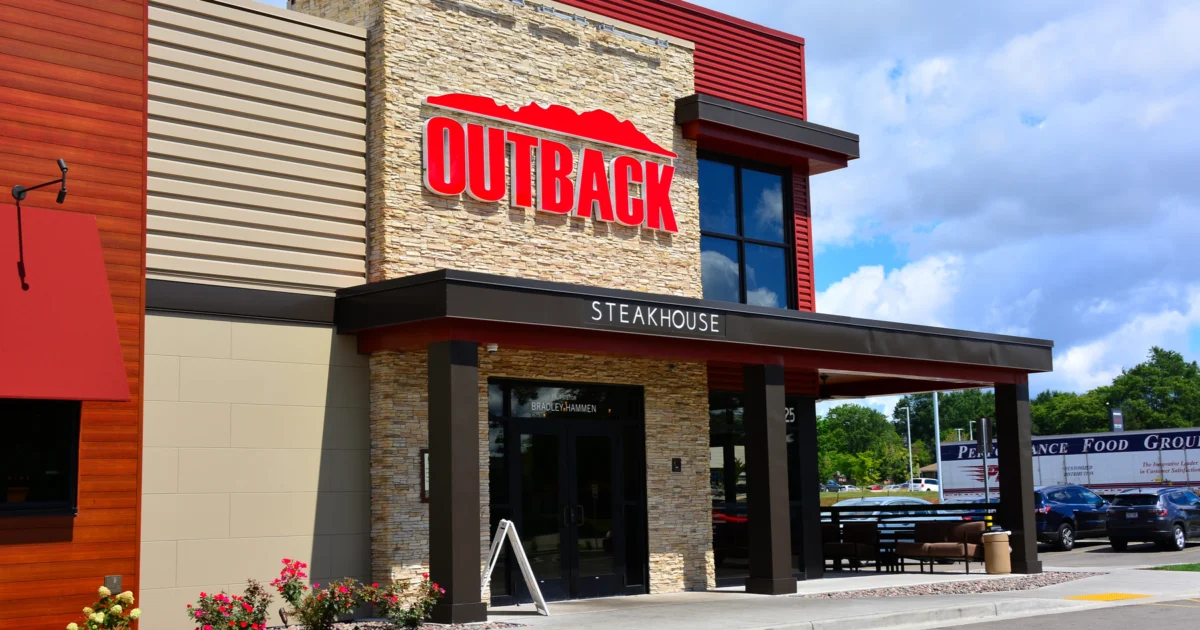
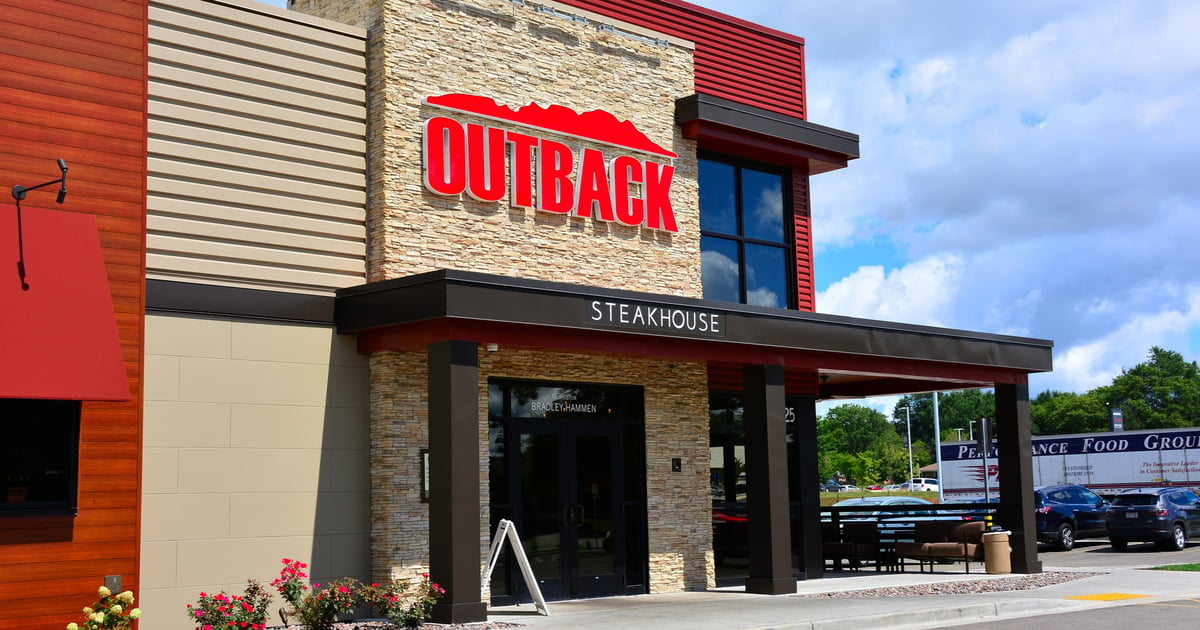
Beyond the RBI brands, Outback Steakhouse has continued to demonstrate a compelling comeback narrative in the second quarter. The casual dining chain reported a 1.4% increase in same-store sales, marking its highest performance in over three years. This sustained growth is a testament to the ongoing turnaround efforts initiated by the company.
Executives at Outback Steakhouse have attributed this positive trend to a deliberate focus on enhancing core aspects of their customer offering. Improvements in steak quality, a renewed emphasis on service excellence, and the introduction of more compelling value propositions are reportedly making a tangible impact on customer perception and loyalty. While overall traffic may still be down year over year, the fact that the gap is narrowing suggests that the strategic adjustments are successfully drawing diners back to the brand and improving its competitive standing within the casual dining sector. This sustained improvement is a critical indicator for a brand that has faced significant challenges in recent years.
Papa John’s Struggles Persist Amidst Marketing Overhaul and Economic Pressures
Meanwhile, Papa John’s has continued to face significant headwinds in the U.S. market, reporting an 8.3% decline in same-store sales for the second quarter. This downward trend is particularly concerning given the company’s recent efforts to revitalize its brand, including a major global marketing campaign in collaboration with the popular "Toy Story" franchise. This was the first-ever collaboration of its kind for the pizza chain, signaling an ambitious attempt to capture broader audience appeal.
CEO Todd Penegor cited a "softer consumer environment" as a primary driver of these ongoing struggles. This points to a broader economic trend where consumers may be more hesitant to spend on discretionary purchases like restaurant meals, especially in a highly promotional quick-service restaurant (QSR) environment. The increased competition and aggressive discounting among QSRs likely further eroded Papa John’s market share and sales performance.
Adding to these challenges, Penegor acknowledged that the company’s transformation plan, implemented shortly after his arrival in late 2024, is taking longer than anticipated to yield significant results. This suggests that the structural changes and strategic shifts within the organization may require more time to fully embed and impact financial performance.
In a move to address these ongoing difficulties, Papa John’s has also undertaken executive changes. The most notable of these is the appointment of Chris Lyn-Sue as the new global chief marketing officer, replacing Jenna Bromberg. This leadership transition in a key functional area signals a potential strategic pivot or an intensified focus on marketing effectiveness as the company seeks to regain its footing. The impact of this new leadership on future marketing strategies and overall brand performance will be closely watched.
Analyzing the Broader Market Dynamics
The contrasting performances of these major restaurant chains offer a snapshot of the complex and evolving U.S. dining landscape. Burger King’s success underscores the importance of a well-executed operational and marketing strategy that aligns with current consumer desires. The focus on value, convenience, and familiar favorites like the Whopper appears to be a winning formula.
Popeyes’ decline, on the other hand, serves as a cautionary tale. While the brand has a loyal following, it may need to re-evaluate its competitive positioning, menu innovation, and marketing messages to counter the current market trends and regain its growth momentum. The competitive intensity in the fried chicken segment, with brands like KFC and emerging players, requires constant adaptation.
Outback Steakhouse’s steady progress highlights that even in a challenging sector like casual dining, strategic focus on core product quality and customer experience can lead to a successful turnaround. The ability to attract customers back through tangible improvements is a strong indicator of a healthy recovery.

Papa John’s ongoing struggles, despite significant marketing efforts, point to the profound impact of macroeconomic conditions on consumer spending and the intensified competition within the QSR space. The pizza delivery segment, in particular, has become saturated, requiring brands to differentiate themselves not just through price but also through unique offerings and superior customer experience. The extended timeline for its transformation plan suggests that fundamental shifts in operations and consumer perception are necessary for a sustained rebound.
The Path Forward: Strategic Imperatives for Growth
For Burger King, the challenge will be to sustain this upward trajectory. Continued investment in operational efficiency, innovative menu development that appeals to a broad demographic, and a marketing strategy that maintains strong brand visibility and connection with consumers will be crucial. The brand’s ability to leverage its iconic status while also adapting to new consumer trends will determine its long-term success.
Popeyes needs to conduct a thorough analysis of its recent performance. Understanding the specific reasons behind the sales decline is paramount. This could involve deeper consumer research, competitive analysis, and an evaluation of its current marketing and promotional strategies. A potential revitalization could involve introducing new products that cater to evolving tastes, enhancing the digital ordering experience, or refining its value proposition.
Outback Steakhouse’s continued success will depend on its ability to maintain the momentum generated by its turnaround efforts. Consistency in quality, service, and value will be key to solidifying its market position. Further innovation in menu offerings and targeted marketing to attract new customer segments could also contribute to sustained growth.
Papa John’s faces the most significant challenge. The company must not only navigate the current economic headwinds but also accelerate its internal transformation. This likely involves a comprehensive review of its operational costs, supply chain efficiency, and marketing effectiveness. The new chief marketing officer has a critical role to play in re-energizing the brand’s marketing efforts and ensuring they resonate with consumers in a crowded marketplace. Furthermore, exploring new avenues for growth beyond traditional delivery, such as enhancing the dine-in experience or developing innovative digital platforms, could be essential.
The latest quarterly results from these prominent restaurant chains underscore the dynamic nature of the food service industry. Success hinges on agility, strategic foresight, and a deep understanding of consumer behavior in an ever-changing economic and competitive landscape. While Burger King is celebrating a period of robust growth, its peers are navigating more complex challenges, highlighting the diverse paths to success and the persistent need for adaptation and innovation within the sector. The coming quarters will reveal whether these diverging trends represent temporary fluctuations or the emergence of new market realities.
