

The Finnish "Long Drink," known locally as lonkero, has transitioned from a temporary solution for Olympic hospitality into a cornerstone of Finland’s national identity and a growing contender in the international ready-to-drink (RTD) beverage market. Originally conceived to streamline alcohol service during the 1952 Summer Olympics in Helsinki, the combination of gin and grapefruit soda has evolved into a ubiquitous staple found in virtually every liquor store, restaurant, and sauna across the Nordic nation. While once a regional secret, strategic international distribution agreements and a rising global interest in canned cocktails have propelled the Long Drink onto shelves across Europe, Asia, and increasingly, North America.
The 1952 Helsinki Olympics: A Catalyst for Innovation
The genesis of the Finnish Long Drink is inextricably linked to the 1952 Summer Olympics. Following the devastation of World War II, Finland sought to use the Helsinki Games as a symbol of its recovery and modernization. However, the country faced a significant logistical challenge: how to serve large volumes of alcohol to an influx of international tourists within a system still governed by strict post-prohibition regulations and a state-run alcohol monopoly, Oy Alkoholiliike Ab (now Alko).
To alleviate the pressure on bartenders and ensure rapid service, the Finnish government commissioned the beverage company Hartwall to create a pre-mixed, bottled cocktail. The resulting "Gin Long Drink" was intended to be a temporary offering, available only for the duration of the games. However, the refreshing profile of the beverage—balancing the botanical notes of gin with the tartness of grapefruit—resonated deeply with both locals and visitors.
The 1952 Games also marked a significant turning point in Olympic history beyond the beverage industry. It was the first Summer Olympics since 1912 where medals were no longer awarded for art competitions. Previously, categories such as literature, architecture, and music were considered integral to the Olympic spirit. This shift meant that while Finnish literary figures like Aale Tynni, who won gold in 1948 for her work Laurel of Hellas, could no longer defend their titles, the nation’s culinary and beverage innovations began to take center stage as a different form of cultural export.
Composition and Flavor Profile Analysis
The standard Finnish Long Drink typically maintains an alcohol by volume (ABV) of 5% to 8%. Its primary flavor components are London Dry Gin and grapefruit soda. In the Finnish market, the category is dominated by two distinct production methods: original gin-based drinks and fermented versions.
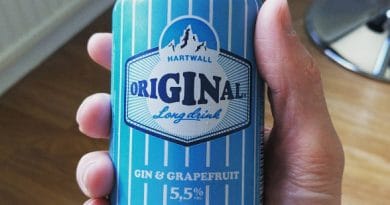
The Hartwall Original Long Drink remains the industry benchmark. Analytical tasting reveals a profile characterized by white grapefruit flesh on the nose, leading to a palate that is notably less saccharine than contemporary American fruit-flavored sodas. The mid-palate is defined by acidic grapefruit, which gives way to distinct gin notes—specifically crisp juniper and citrus depth. The finish is generally dry and crisp, mimicking the refreshing qualities of a traditional Gin and Tonic but with a more pronounced citrus backbone.
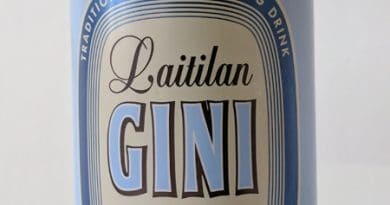
In contrast, competitors such as Laitilan Gini Long Drink offer variations that lean more heavily into the fruit profile. Reviews of the Laitilan variant suggest a "ruby red" grapefruit influence with a softer juniper presence, illustrating the diversity within the "lonkero" category as producers experiment with different gin-to-soda ratios and botanical infusions.
A Chronology of Lonkero: From Discontinuation to Global Revival
The history of the Long Drink is marked by periods of uncertainty and eventual resurgence. Following the 1952 Olympics, the drink remained popular, but by the 1970s, production was nearly discontinued as consumer tastes shifted. However, a wave of nostalgia in the late 20th century, combined with the liberalization of Finnish alcohol laws, led to a permanent reinstatement of the original Hartwall recipe.
The 21st century has seen the Long Drink move from a domestic favorite to an international export. The timeline of this expansion highlights a strategic push into diverse markets:
- 2015: Hartwall signed landmark distribution agreements to introduce the Long Drink to the Netherlands, Sweden, and Belgium. This move targeted Western European consumers who were already familiar with gin-based beverages.
- 2016: The brand expanded into Asian markets, including Japan and Hong Kong. The crisp, clean flavor profile of the Long Drink was identified as a strong match for Asian palate preferences, particularly in the high-growth RTD segment.
- 2018–Present: The "Finnish Long Drink" brand, supported by high-profile investors and celebrities, launched in the United States, targeting major metropolitan areas and capitalizing on the "hard seltzer" boom by offering a more premium, gin-based alternative.
Market Data and the RTD Revolution
The expansion of the Finnish Long Drink coincides with a massive global shift toward the Ready-to-Drink (RTD) category. According to industry data from IWSR Drinks Market Analysis, the RTD category has consistently outperformed other alcohol segments over the last decade. Consumers are increasingly seeking convenience without sacrificing the complexity of a cocktail.
In Finland, the Long Drink remains a dominant force. While beer remains the highest-volume alcoholic beverage, the lonkero category holds a significant share of the retail market. The drink’s cultural status is bolstered by its availability on draft in Finnish saunas and restaurants, where it is often one of only two or three options alongside a standard lager.
The "cult following" mentioned by international observers is supported by travel data and hospitality reviews. For instance, niche establishments in the United Kingdom, such as the Northern Lights bar in Brighton, have gained notoriety specifically for stocking the Finnish Long Drink, drawing in expatriates and enthusiasts who cannot find the product in mainstream supermarkets.
The Science of Replication: DIY Challenges and Findings
For consumers in regions where the Finnish Long Drink is not yet widely available, the "DIY Lonkero" movement has gained traction. However, recreating the specific flavor profile of the Finnish original is a complex task due to the unique characteristics of Finnish grapefruit soda, which is less sweet and more acidic than many international brands.
Experimental recreations have yielded the following insights into the beverage’s chemistry:
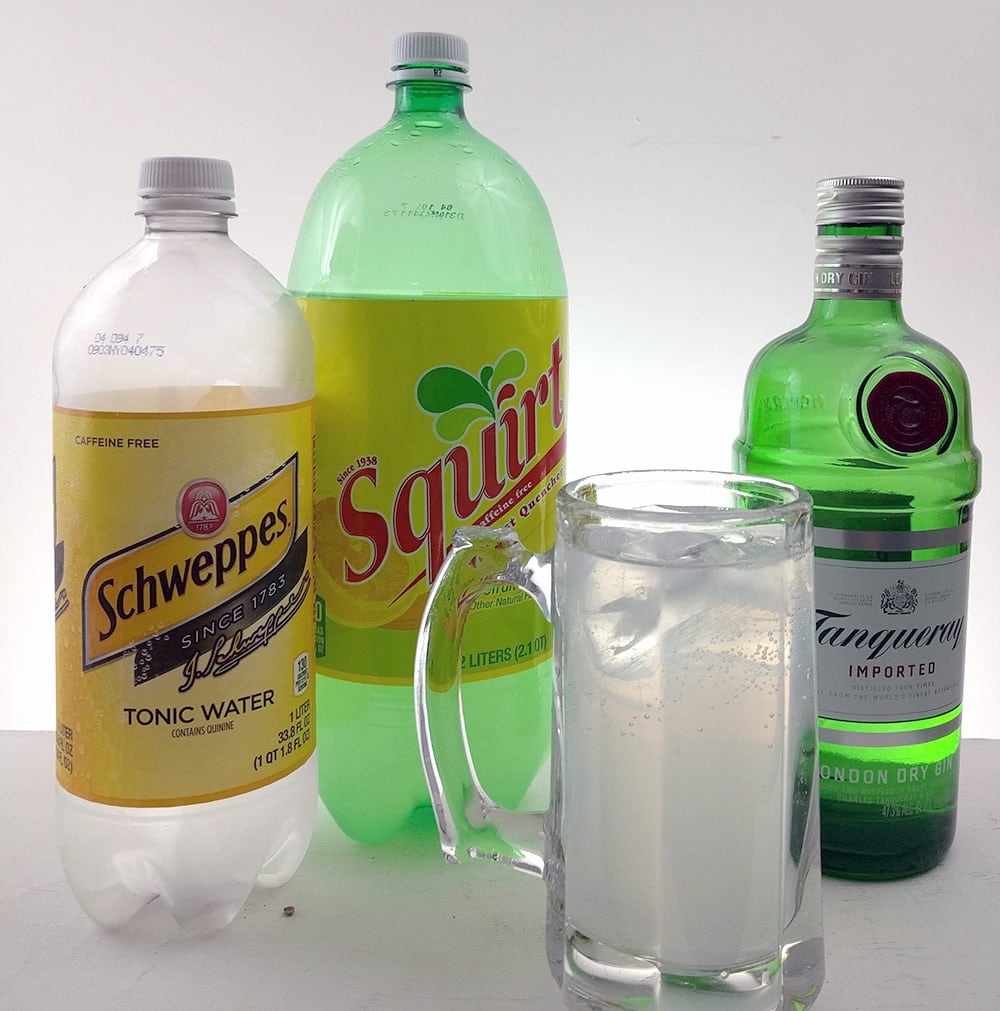
- The Sweetness Factor: Using common American grapefruit sodas often results in a drink that is too sugary. While these sodas provide the necessary carbonation, they lack the "bite" of the Finnish version.
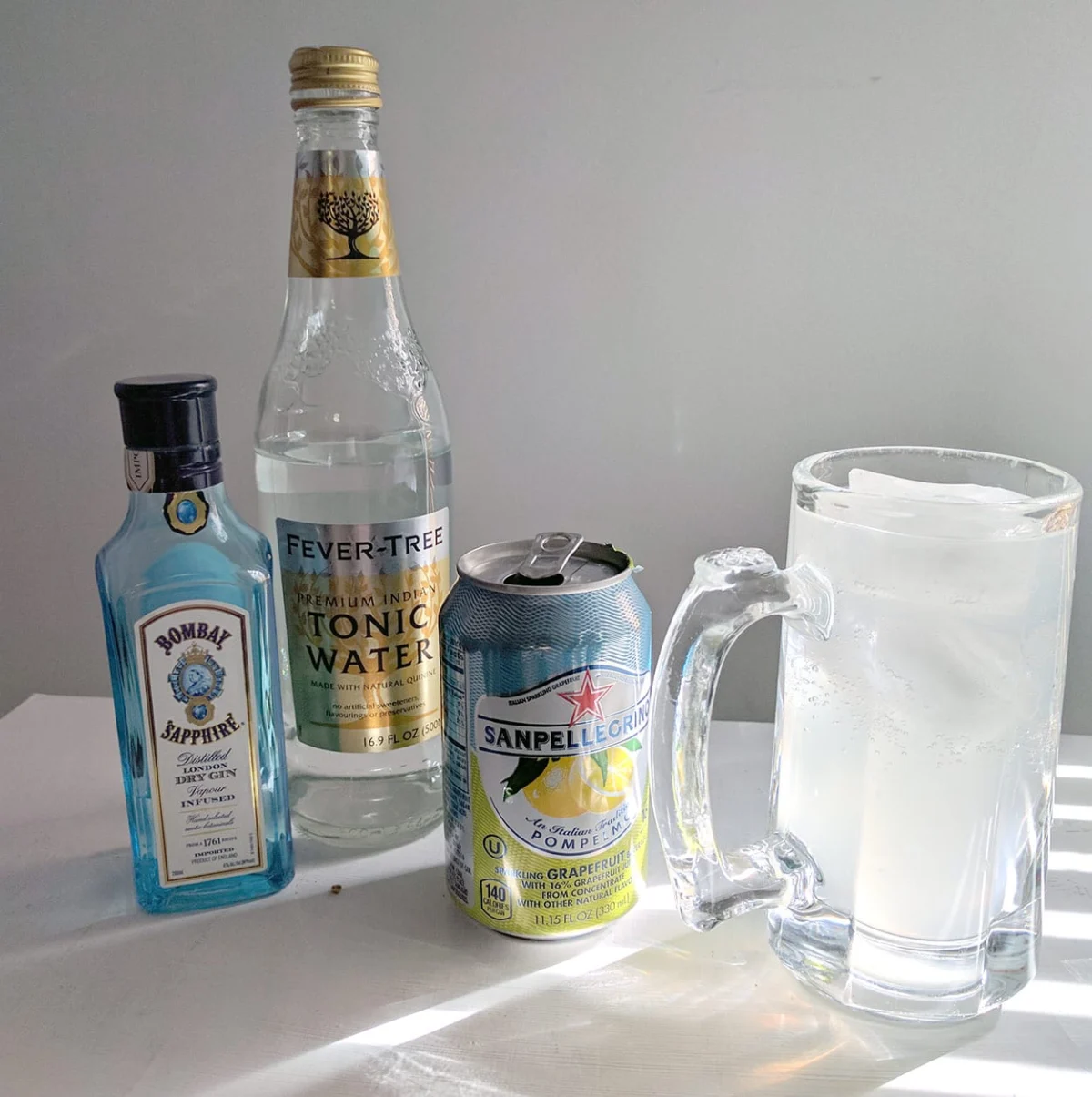
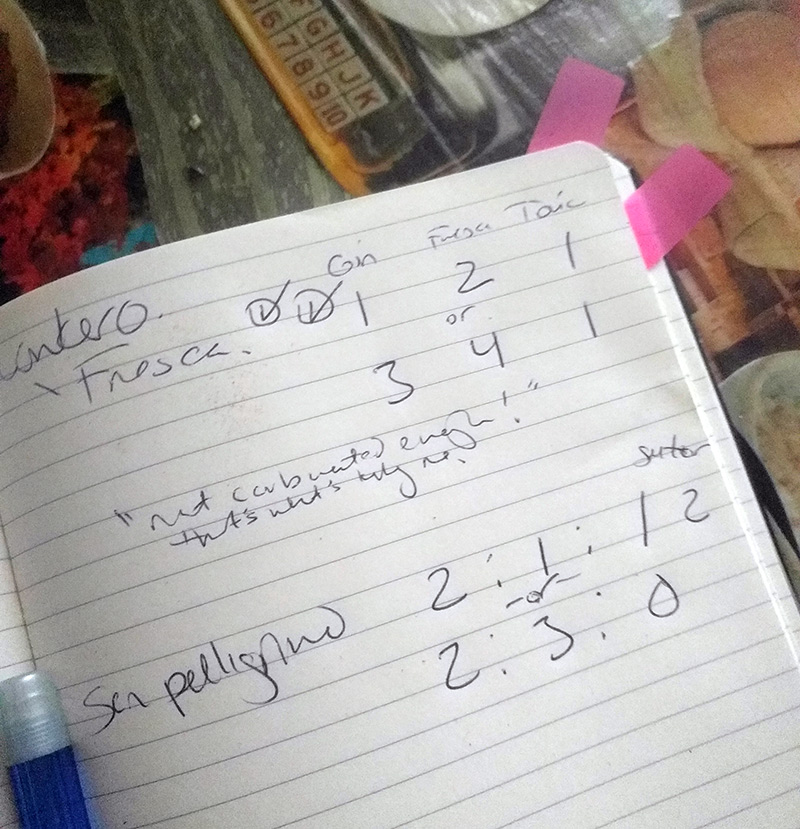
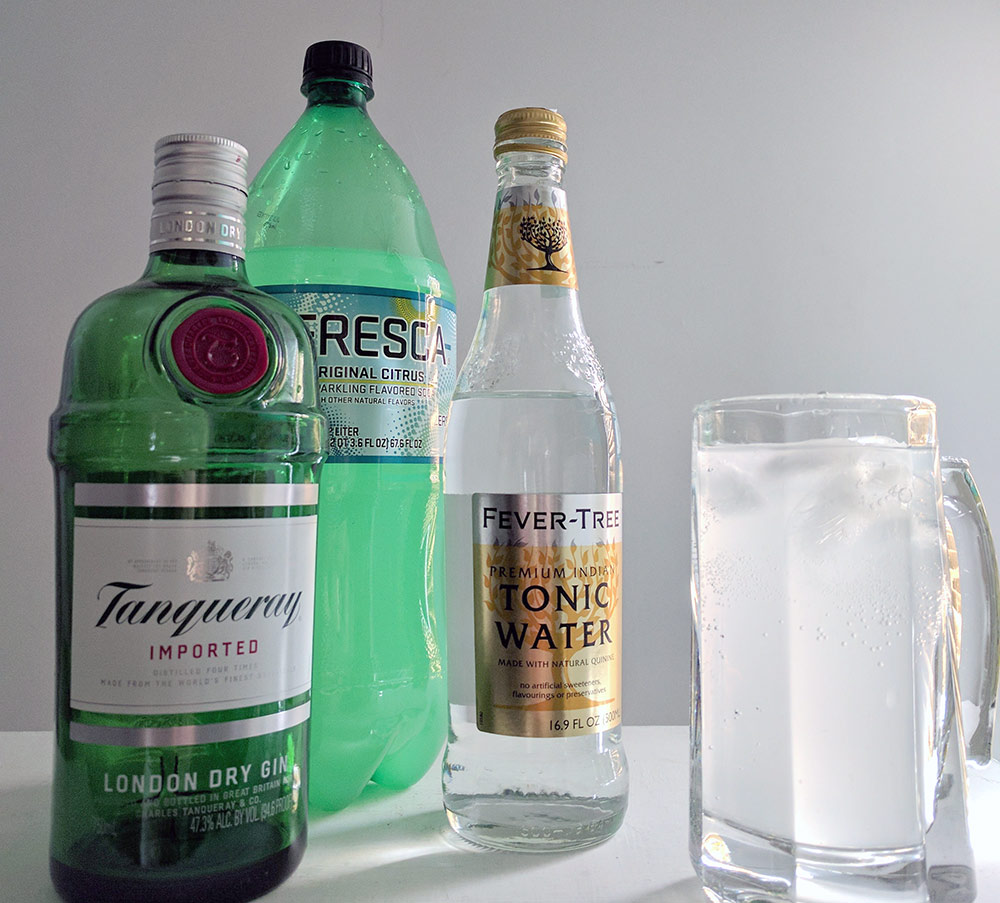
- The Fresca Alternative: Among commercially available sodas in North America, Fresca—a citrus-flavored, sugar-free soda—has been identified as the closest match to the canned Finnish product. When mixed with a juniper-forward gin like Tanqueray, the result approximates the dry, crisp finish of the original Hartwall.
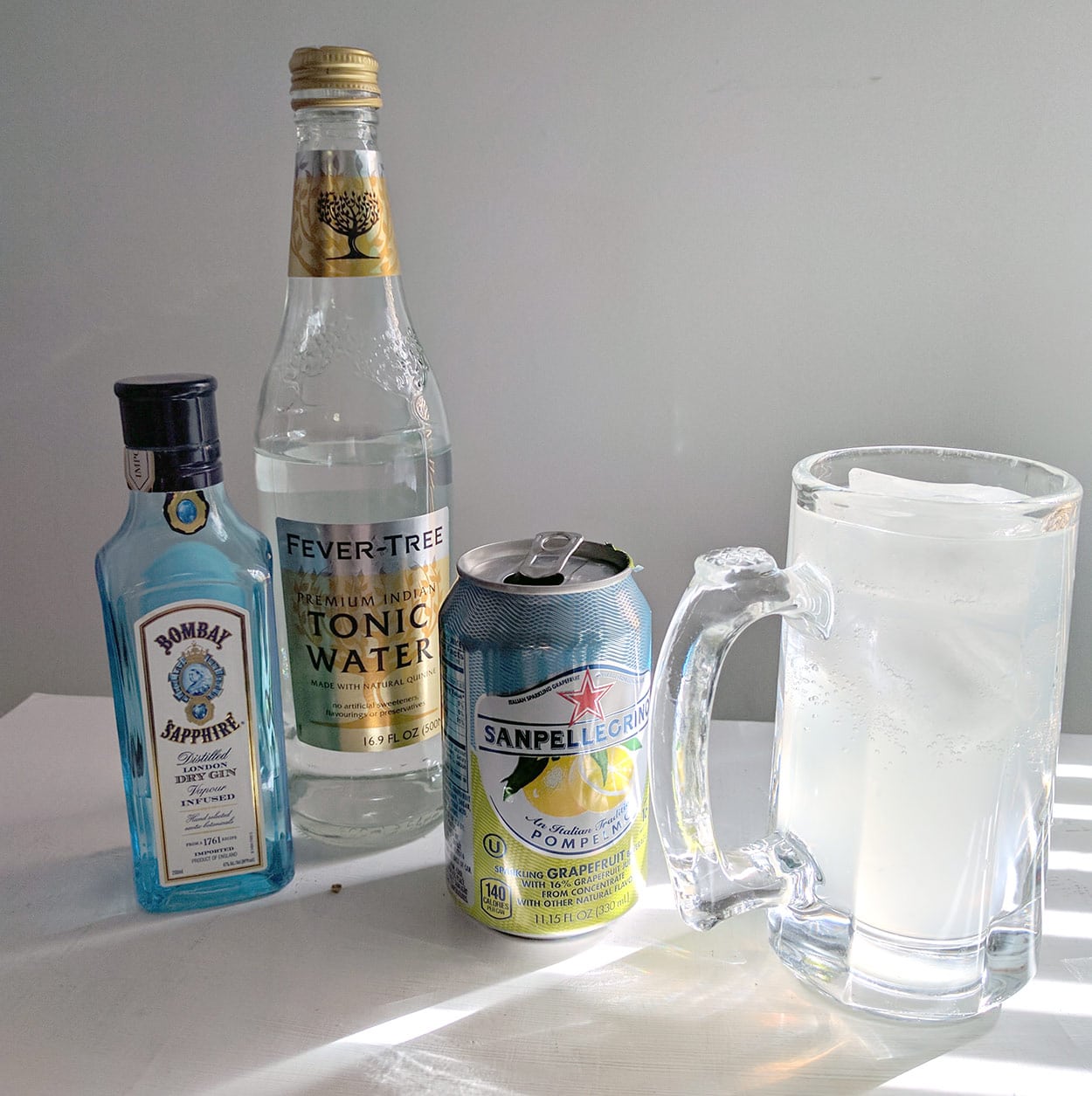
- The Botanical Balance: Achieving the correct ratio is critical. A 1:2 or 1:3 ratio of gin to soda is standard, but the addition of a splash of tonic water can help replicate the slight bitterness of the quinine and the botanical complexity that characterizes the Finnish palate.
- Fresh Ingredients vs. Synthetic Profiles: Interestingly, fresh-squeezed grapefruit juice often fails to replicate the lonkero experience. The Finnish drink relies on a specific "grapefruit soda" note that fresh juice lacks. To get closer with fresh ingredients, mixologists suggest a combination of grapefruit juice, a touch of lemon juice for acidity, and simple syrup, topped with high-quality tonic water.
Official Responses and Industry Implications
Industry analysts view the Long Drink as a bridge between the traditional spirits market and the modern "canned cocktail" craze. Hartwall and other Finnish producers have emphasized that their product is not a "seltzer" (which is typically malt-based or made with neutral grain spirit) but a true "Long Drink" made with authentic gin.
This distinction is vital for market positioning. As global consumers become more educated about spirit bases, the use of real gin provides a competitive advantage over lower-cost fermented alternatives. Finnish producers have expressed optimism that the "lonkero" will eventually achieve the same international recognition as other regional staples like the Italian Aperol Spritz or the Mexican Paloma.
Broader Cultural and Economic Impact
The Finnish Long Drink is more than a beverage; it is a symbol of Finnish ingenuity under constraint. Its birth during the 1952 Olympics represents a moment when the nation had to innovate to meet international standards while navigating domestic restrictions.
Today, the drink contributes significantly to the Finnish export economy. As it enters new markets, it carries with it a piece of Finnish culture—the concept of "kalsarikännit" (the Finnish tradition of drinking at home in comfortable clothes) and the ubiquitous sauna culture. The expansion of the Long Drink suggests a growing global appetite for Nordic products that emphasize simplicity, quality, and a unique historical narrative.
As the beverage continues its trajectory across continents, it remains a testament to the lasting impact of the 1952 Helsinki Olympics. While the art medals are a thing of the past, the "Long Drink" has secured its own place in the cultural pantheon, proving that a well-crafted solution to a logistical problem can, over time, become a beloved national treasure and a global success story.
