

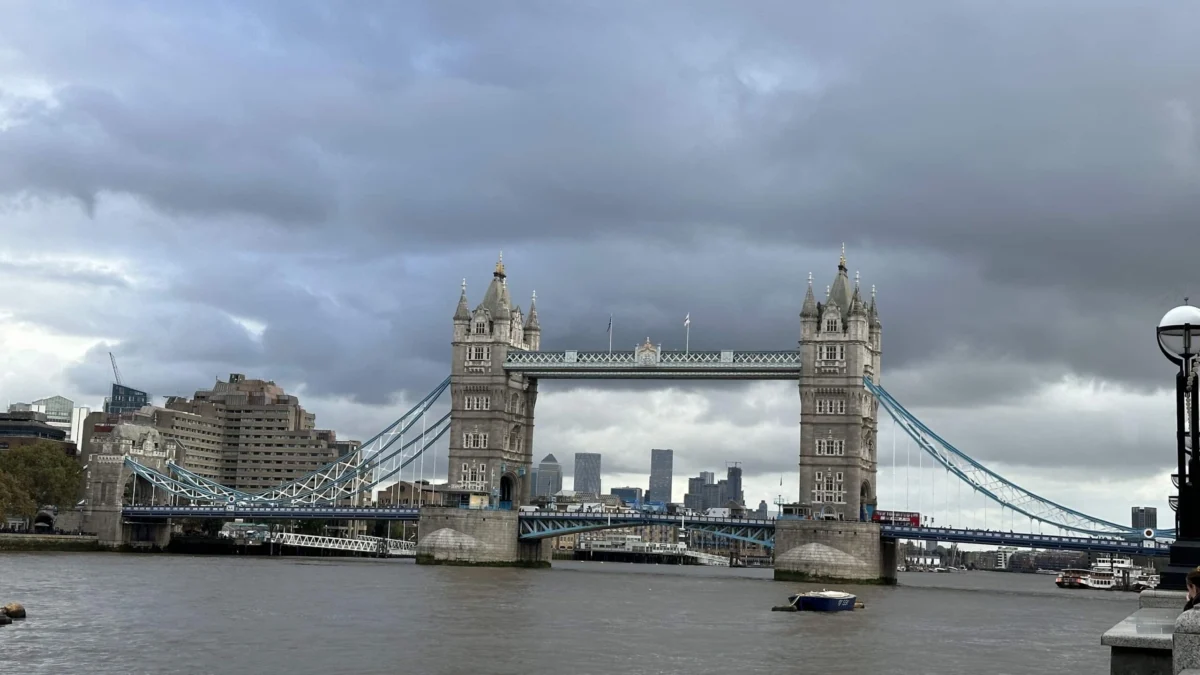
The term London Dry Gin is frequently misinterpreted by consumers as a protected geographical indication, similar to Champagne or Scotch Whisky. However, in the contemporary spirits industry, the designation refers strictly to a specific distillation process rather than a point of origin. While the name pays homage to the historical epicenter of gin production, London Dry Gin can be legally manufactured anywhere in the world, from the craft distilleries of the United States to the industrial facilities of Scotland and the emerging markets of South Africa and Australia. This designation serves as a hallmark of quality and a testament to a technological revolution that transformed a once-hazardous spirit into a refined, global commodity.
The Technological Genesis of Neutral Spirits
The transition of gin from a crude, often dangerous beverage to the sophisticated London Dry style was precipitated by a major engineering breakthrough in the early 19th century. In 1830, Aeneas Coffey, an Irish inventor and former Inspector General of Excise in Ireland, patented the "Coffey Still," also known as the continuous or patent still. This innovation allowed for the production of spirits with a significantly higher alcohol concentration and a far more neutral flavor profile than the traditional pot stills of the era.
Before the invention of the Coffey Still, distillers struggled to remove impurities and "off-flavors" from their grain spirits. To mask these unpleasant tastes, producers frequently added heavy amounts of sugar and botanical extracts after distillation. This resulted in "Old Tom" gin, a sweeter, more viscous style that dominated the 18th and early 19th centuries. The Coffey Still allowed for the creation of "neutral spirits"—alcohol so clean and pure that it did not require copious sweetening to be palatable. This purity enabled the emergence of the "dry" style, where the natural flavors of juniper and other botanicals could be showcased without the interference of residual sugars or fermentation byproducts.
A Chronology of the London Designation
The term "London Dry" did not appear overnight but evolved through a series of marketing shifts and quality-control efforts. While the dry style became technologically possible in the 1830s, the specific nomenclature began to gain traction in the late 19th century. Historical records indicate that the more general term "London Gin" was in use as early as the beginning of the 19th century. An 1801 advertisement for the book Every Man His Own Brewer and Distiller explicitly mentioned recipes for "London Gin," suggesting that the city had already established a reputation for a specific, desirable style of spirit.
By the late 1800s, "London Dry" began appearing in international print media as a marker of premium quality. In 1897, Australian newspapers featured advertisements for London-based brands using the term to distinguish their products from local or inferior imitations. Similar advertisements appeared in United States newspapers by 1903. During this period, London was the global hub of gin production, hosting major distilleries such as Booth’s, Tanqueray, and Beefeater. As these brands exported their products across the British Empire and to the Americas, "London Dry" became synonymous with the high-quality, clear, unsweetened spirit produced by these prestigious houses.

The Perils of Adulteration and the Push for Standards
The drive toward the London Dry standard was not merely a matter of taste but a critical public health necessity. In the 18th and early 19th centuries, the gin industry was largely unregulated, leading to the "Gin Craze" in London, characterized by mass intoxication and the sale of adulterated spirits. To maximize profits and mask the harshness of poorly distilled alcohol, some unscrupulous producers added toxic substances to their mixtures.
Historical manuals from the early 1800s reveal that some "recipes" for emulating London Gin involved adding turpentine, sulfuric acid, or lime to neutral spirits to mimic the pungent aroma of juniper or to provide a "kick" to the liquid. Turpentine, a volatile oil derived from pine resin, is highly toxic and can cause severe kidney damage or death if ingested. The emergence of the London Dry process, which required the botanicals to be distilled alongside the spirit rather than added as extracts later, provided a safeguard against such dangerous practices. The designation eventually became a signal to consumers that the product was "clean" and had been produced according to a rigorous, transparent method.
Codifying the Modern Standard
Today, the definition of London Dry Gin is enshrined in international law, most notably within the European Union (Regulation 2019/787) and the United Kingdom’s retained excise laws. These regulations ensure that any bottle labeled "London Dry" meets a specific set of criteria:

- Neutral Alcohol Base: The spirit must be made from high-quality neutral alcohol of agricultural origin, distilled to a minimum of 96% alcohol by volume (ABV).
- Botanical Integration: All flavor must be imparted through the distillation of natural plant materials (botanicals) in the presence of the neutral spirit.
- Post-Distillation Restrictions: No flavorings or colorings can be added after the distillation process. Only water (for dilution to bottling strength) and a minute amount of sugar may be added.
- Sugar Content: The final product must contain no more than 0.1 grams of sweetening per liter.
- Minimum Bottling Strength: The gin must be bottled at a minimum of 37.5% ABV (though many premium brands bottle at 40% to 47%).
This legal framework ensures that "London Dry" remains a process-driven category. Unlike "Plymouth Gin," which was historically a protected geographical indication (though that status has since lapsed), London Dry remains open to any distiller globally who adheres to these stringent production rules.
The Global Diaspora of London Dry Gin
The decoupling of the "London" name from the city’s geography has allowed the style to become the dominant form of gin worldwide. Many of the world’s most recognizable gin brands, while maintaining the "London Dry" label, are produced far from the streets of the United Kingdom’s capital.
- Tanqueray: Originally distilled in Bloomsbury, London, in 1830, Tanqueray production moved to the Cameronbridge Distillery in Scotland following the destruction of its London facilities during the Blitz in World War II. Despite its Scottish origins, it remains the quintessential example of the London Dry style.
- No. 3 Gin: Though owned by the historic London wine merchant Berry Bros. & Rudd, this London Dry Gin is actually produced in the Netherlands, the ancestral home of gin’s predecessor, genever.
- Astraea Meadow Gin: A modern American craft gin produced in the United States, Astraea utilizes the London Dry process to create a spirit that reflects local botanicals while adhering to traditional distillation standards.
- Australian and South African Spirits: Distilleries such as the Australian Distilling Co. and Belgravia in South Africa have adopted the London Dry designation to signal to international consumers that their products meet the highest global standards of purity and traditionalism.
Economic Impact and Market Significance
The London Dry category continues to lead the global gin market, which was valued at approximately $15.3 billion in 2023 and is projected to grow significantly over the next decade. The "Gin Renaissance" of the 21st century has seen a surge in consumer interest in transparency and artisanal methods. Because the London Dry process forbids the addition of artificial flavors or colors after distillation, it has become the preferred choice for purists and professional mixologists.

Market analysts suggest that the "London Dry" label provides a competitive advantage in emerging markets. For a new distillery in Canada or South America, using the term "London Dry" provides an immediate baseline of consumer trust, indicating that the product is a sophisticated, distilled spirit rather than a "compound gin" (which is made by simply mixing flavors with alcohol without a second distillation).
Implications for the Future of the Industry
As the spirits industry moves toward more localized and "terroir-driven" products, the London Dry designation faces a unique challenge. While the process remains the gold standard for quality, the rise of "Contemporary" or "New Western" gins—which often add flavors after distillation or focus on non-juniper botanicals—has expanded the category.
However, the resilience of the London Dry name suggests that it will remain the cornerstone of the industry. It represents a rare instance where a geographical name has successfully transitioned into a technical standard. For the consumer, the "London" in London Dry Gin is no longer a map coordinate; it is a promise of a specific historical lineage, a rigorous scientific process, and a commitment to a clean, juniper-forward profile that has defined the cocktail landscape for nearly two centuries. By maintaining these strict standards, the industry ensures that the spirit remains a safe, consistent, and high-quality product, regardless of which corner of the globe the distillery calls home.
