

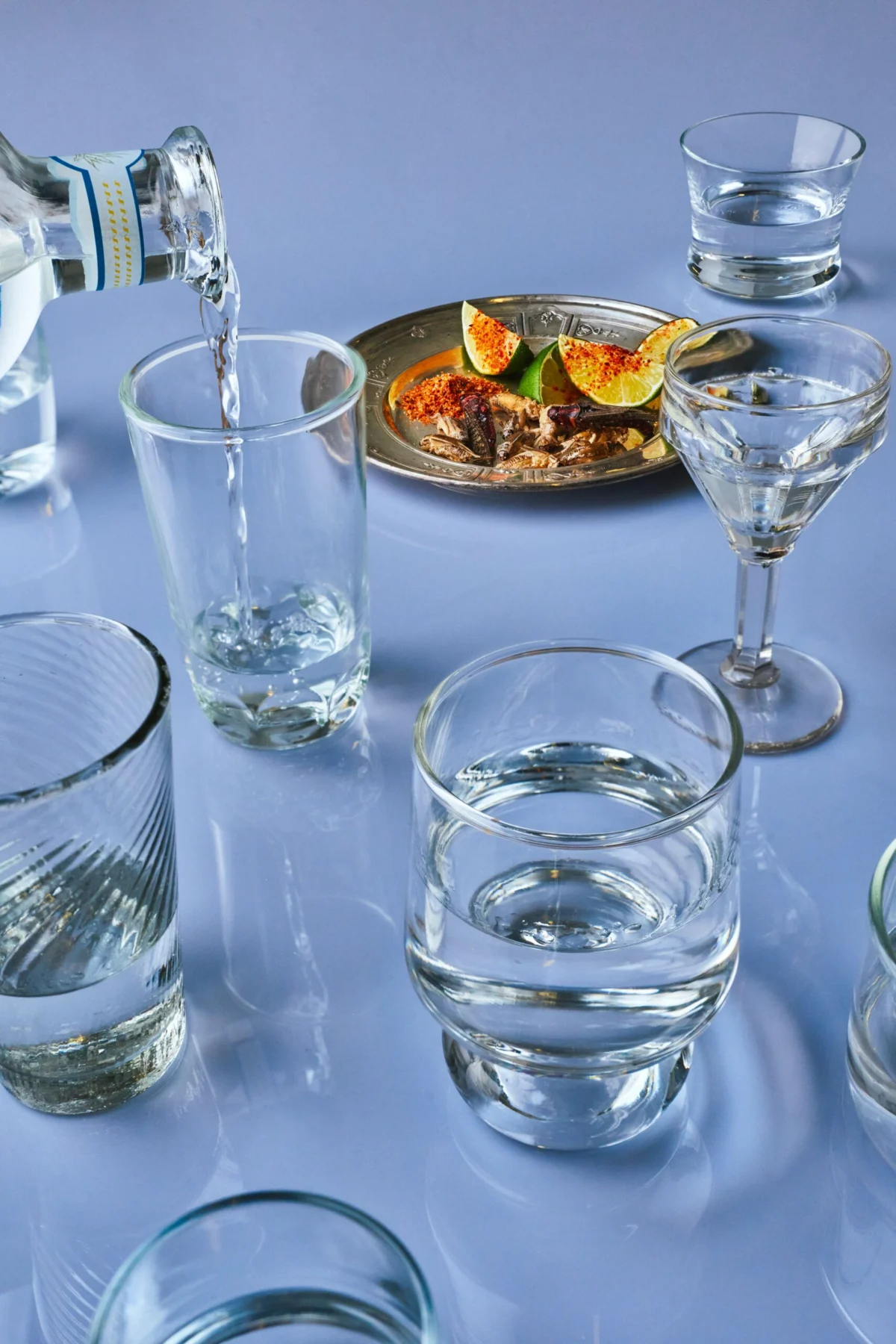
The global palate has undeniably shifted, embracing the complex, nuanced world of mezcal, a spirit with ancient roots now experiencing an unprecedented surge in popularity. While many are familiar with the ubiquitous "all tequila is mezcal, but not all mezcal is tequila" adage, truly understanding this diverse agave-based spirit requires delving deeper into its rich heritage, production intricacies, and the vast spectrum of flavors it offers. Mexico, the birthplace of mezcal, currently exports nearly 8 million liters annually, a testament to its burgeoning international appeal. However, this rapid ascent has also presented a challenge for consumers: distinguishing authentic, high-quality products from those merely capitalizing on the trend. To guide discerning drinkers, a rigorous, brand-concealed taste test was conducted on nine popular, nationally distributed mezcals, focusing on widely available joven Espadín varieties.
Understanding Mezcal: A Spirit Rooted in Agave Diversity
Mezcal is a broad category encompassing any distilled spirit made from the agave plant, a succulent native to the arid regions of Mexico. Unlike tequila, which is exclusively produced from the blue agave (Agave tequilana Weber var. azul), mezcal can be crafted from over 30 different agave species. The most common of these is Espadín (Agave angustifolia), accounting for an estimated 90% of all mezcal production due to its relatively fast growth cycle and high sugar content. Other prized varieties include wild agaves like Tobalá (Agave potatorum), Cuishe (Agave karwinskii), Tepeztate (Agave marmorata), and Arroqueño (Agave americana), each contributing distinct and often more complex flavor profiles. When a mezcal incorporates more than one agave variety, it is typically labeled as an "ensemble," showcasing a blend of characteristics.
The specific region of production also plays a critical role in defining mezcal. Under Mexico’s Denominación de Origen (DO) for mezcal, established in 1994, the spirit can only be legally produced in designated areas across nine states: Oaxaca, Guerrero, Durango, San Luis Potosí, Zacatecas, Michoacán, Puebla, Guanajuato, and Tamaulipas. More recently, the states of Aguascalientes, Morelos, Colima, Nayarit, and Estado de México have also been granted DO status for mezcal production. This geographical protection aims to safeguard traditional production methods and the unique terroir that influences the agave’s character.
A Journey Through Time: The Historical Evolution of Mezcal
The history of agave spirits in Mesoamerica stretches back millennia, long before the arrival of European colonizers. Indigenous cultures fermented the sap of the agave plant to produce pulque, a milky, low-alcohol beverage revered for its nutritional and ceremonial significance. Archaeological evidence, including ancient distillation apparatus unearthed in Oaxaca, suggests that rudimentary forms of distillation may have existed in pre-Hispanic Mexico. However, the modern form of mezcal, as we know it today, largely emerged during Mexico’s colonial era, specifically with the introduction of advanced distillation techniques.
Historians and anthropologists point to the influence of Filipino distilling practices, brought to Mexico by Spanish galleons during the Manila-Acapulco trade route. Filipino sailors, familiar with distilling palm sap, likely adapted their knowledge to the abundant agave plant. Early colonial stills, often made of clay pots with bamboo tubing, facilitated the creation of a higher-proof spirit, marking a pivotal moment in mezcal’s evolution. For centuries, mezcal remained largely a regional, artisanal spirit, produced by small, often family-owned palenques (mezcal distilleries) for local consumption. It was often viewed as a rustic, "peasant’s drink" compared to its more refined cousin, tequila, which began to gain broader recognition in the early 20th century. This perception, however, began to shift dramatically in the late 20th and early 21st centuries.
The Art and Science of Mezcal Production: From Earth Oven to Bottle
The defining characteristic of mezcal’s flavor profile, particularly its signature smokiness, stems directly from its traditional production process. Unlike tequila, where agave piñas (hearts) are typically steamed in industrial ovens, mezcal production involves roasting the piñas in conical earthen pits lined with volcanic rocks and heated by wood fires. This process, which can last for several days, slow-cooks the agave, caramelizing its sugars and imparting a distinctive smoky aroma and flavor that is central to mezcal’s identity.
Following roasting, the softened piñas are crushed to extract their juice and fibers. Historically, this was done using a large stone wheel called a tahona, pulled by a horse or donkey, or by hand with mallets. Today, some larger producers may use mechanical shredders, but the traditional methods are still prevalent, especially for artisanal and ancestral mezcals. The agave mash is then transferred to large wooden vats, where it undergoes natural fermentation, often relying on ambient wild yeasts. This fermentation process can last from a few days to several weeks, converting sugars into alcohol.
Finally, the fermented liquid is distilled, typically twice, in either copper pot stills or, for more traditional producers, clay pot stills (olla de barro). The type of still and the distillation process further refine the spirit, concentrating its flavors and increasing its alcohol content. The regulatory categories of mezcal—"Mezcal," "Mezcal Artesanal," and "Mezcal Ancestral"—reflect the degree of adherence to these traditional methods. "Ancestral" mezcal, for instance, mandates crushing by hand or tahona and distillation in clay pot stills, representing the most labor-intensive and traditionally aligned production. "Artesanal" allows for a broader range of crushing and distillation equipment, while "Mezcal" permits more industrialized processes. These distinctions are crucial for consumers seeking to understand the authenticity and craft behind their bottle.
Mezcal’s Ascent: Market Dynamics and Export Growth
The recent decade has witnessed an extraordinary surge in mezcal’s global popularity. Driven by evolving consumer preferences for authentic, artisanal, and unique spirits, as well as the flourishing craft cocktail movement, mezcal has transitioned from a niche spirit to a prominent player in the international liquor market. Data from the Consejo Mexicano Regulador de la Calidad del Mezcal (COMERCAM), the regulatory body for mezcal, indicates a consistent upward trend in production and export volumes. In 2022, Mexico produced over 14 million liters of mezcal, with exports reaching nearly 8 million liters, primarily to the United States, which accounts for the vast majority of international sales. This represents a significant increase from just a few million liters exported a decade prior.
The economic implications of this boom are substantial, particularly for the rural communities in Oaxaca and other mezcal-producing states. The industry supports thousands of jimadores (agave farmers), mezcaleros (producers), and their families, providing vital income in regions where economic opportunities can be scarce. Small-scale producers, who once struggled to compete, now find new markets for their traditionally crafted spirits. However, this rapid growth also brings challenges, including concerns about agave sustainability, fair compensation for producers, and the potential for industrialization to dilute traditional practices. Industry experts emphasize the importance of responsible growth, focusing on sustainable agave cultivation, fair trade practices, and consumer education to ensure the long-term health and integrity of the mezcal industry.
Navigating the Market: The Challenge of Choosing a Quality Mezcal
With mezcal’s explosive popularity, liquor store shelves are now stocked with an ever-increasing array of brands. This abundance, while exciting, can be overwhelming for consumers. The sheer volume of new labels makes it challenging to discern which products genuinely uphold the spirit’s quality and traditional character, and which are merely "smoke and mirrors," leveraging mezcal’s cachet without delivering on substance. Authenticity, transparency in sourcing, and adherence to production standards become paramount considerations for discerning buyers.
To address this challenge and provide clear, actionable recommendations for consumers, a comprehensive blind tasting was undertaken. The focus was specifically on joven (unaged) mezcals made from Espadín agave, as these represent the most common and widely available entry point into the category. By concentrating on this specific style and agave, the tasting aimed to provide a "like-with-like" comparison, allowing for a focused evaluation of foundational quality attributes.
Methodology for Discerning Quality: A Blind Tasting Approach
The selection process for the tasting panel emphasized accessibility and national distribution. While acknowledging and appreciating the exceptional quality of many small-batch, artisanally produced mezcals, these often have limited distribution, making them difficult for the average consumer to find. Therefore, the nine mezcals chosen for this evaluation were all popular, well-known brands that are readily available in most liquor stores and at a wide array of bars across the country. This practical approach ensures that the recommendations are relevant and useful to a broad audience.
The tasting was meticulously structured to ensure objectivity. All mezcals were poured into unmarked glasses, concealing brand identities from the tasters. Each taster received a sample and then transferred a portion into a tulip-shaped Glencairn glass. This particular glassware is favored by spirit connoisseurs for its design, which concentrates aromas, allowing for a more accurate and detailed assessment of the mezcal’s "bouquet." Tasters were instructed to take a couple of sips, allowing the spirit to coat the palate and reveal its full spectrum of flavors and textures.
How We Evaluated Each Mezcal: Beyond the Smoke
While mezcal is renowned for its characteristic smokiness, tasters emphasized that this note should be direct, pure, and integrated, never artificial or overwhelming. An ideal mezcal, according to the panel, achieves a harmonious balance where the smokiness complements, rather than dominates, the spirit’s other attributes. Crucially, this smokiness should be underpinned by the inherent vegetal and grassy notes of the agave itself. These foundational agave characteristics can then blossom into a diverse range of secondary aromas and flavors, including citric zest, delicate floral undertones, herbaceous freshness, or earthy minerality.
Beyond flavor, the tasting panel also focused on tactile sensations. A quality mezcal should exhibit a smooth, pleasant mouthfeel, avoiding any astringency or an overly harsh, burning sensation in the mouth and throat. The finish—how the flavors linger and evolve after swallowing—was also a key metric, with preference given to spirits that offered a clean, lingering, and complex aftertaste. The evaluation was holistic, considering aroma, initial palate impression, mid-palate development, texture, and finish to arrive at a comprehensive assessment of each mezcal’s quality and character.
Top Selections from the Tasting Panel
After extensive blind evaluation, two mezcals emerged as standout performers, each excelling in distinct applications.
Del Maguey Vida Clásico Mezcal: The Connoisseur’s Sip
Del Maguey Vida Clásico was recognized as the premier choice for sipping, a distinction well-earned by its balanced complexity and inviting flavor profile. This particular mezcal holds a significant place in the narrative of mezcal’s rise in the United States, being among the first brands to achieve widespread recognition and introduce many consumers to the category. The tasting panel consistently praised its herbal, grassy, and distinctly agave-forward character.
Why it won us over: Tasters noted that Del Maguey Vida Clásico presented a beautifully light and integrated smokiness. This subtle campfire essence was present but never overshadowed the spirit’s other rich notes. Beyond the prominent agave, tasters identified intriguing nuances of piney forest floor and a delicate hint of aromatic cinnamon. This complex, yet harmonious, bouquet of aromatics, subtle smoke, and diverse flavors created an exceptionally smooth and engaging experience, making it the unanimous choice for sipping neat. Its refined character allows for slow contemplation, revealing new layers with each taste.
We’d love it in: A classic lowball glass, perhaps with a single, large sphere of clear ice to gently chill without dilution, allowing its intricate flavors to shine. It would also perform admirably in a simple, refreshing "ranch water" (mezcal, lime juice, soda water), where its character is highlighted rather than masked by excessive ingredients.
Ilegal Mezcal: The Mixologist’s Choice
For those seeking a mezcal that seamlessly integrates into cocktails, Ilegal Mezcal stood out with its approachable yet complex profile. Its ability to complement other ingredients without being overwhelmed or overpowering was a key factor in its selection.
Why it won us over: Ilegal Mezcal distinguished itself with a pleasant, round body and a gentle, inviting smokiness. Unlike some mezcals that delivered an aggressive or acrid smoky hit, Ilegal’s waft of campfire smoke was beautifully tempered by its other elements. The tasting panel detected a diverse range of notes, with some tasters identifying hints of hay, others noting a subtle leatheriness, and still others perceiving a light, intriguing floral sweetness. These flavors, while captivating when sipped neat, were also recognized for their potential to be highlighted and enhanced within a well-crafted cocktail. Its balanced nature ensures it adds depth and character without dominating the overall drink.
We’d love it in: A vibrant paloma, where its smoky notes would add an intriguing counterpoint to grapefruit and lime, or an herbal rosemary mezcal fizz, where its subtle floral and vegetal qualities would beautifully intertwine with the aromatic herb. Its versatility makes it an excellent base for a wide range of innovative and classic mezcal cocktails.
Beyond the Bottle: Sustainability and the Future of Mezcal
The global embrace of mezcal, while a boon for many Mexican communities, also casts a spotlight on critical issues surrounding sustainability and ethical production. The rapid increase in demand, particularly for popular varieties like Espadín, puts pressure on agave cultivation. While Espadín is relatively fast-growing, wild agave species, which can take decades to mature, face significant risks of overharvesting. This raises concerns about biodiversity loss and the long-term viability of traditional mezcal production.
Many responsible producers and industry organizations are actively working to address these challenges. Initiatives include promoting sustainable agave farming practices, encouraging reforestation, establishing fair trade agreements with jimadores and mezcaleros, and educating consumers about the importance of choosing brands committed to ethical sourcing. The future of mezcal hinges on a delicate balance: honoring its rich historical and cultural traditions while adapting to modern market demands in a responsible and sustainable manner. Protecting the Denominación de Origen, supporting artisanal producers, and ensuring equitable practices across the supply chain will be paramount to preserving this extraordinary spirit for generations to come.
In conclusion, the journey to finding the "best" mezcal is deeply personal, often guided by individual taste and intended use. However, a rigorous, objective evaluation, such as this blind tasting, provides valuable insights into the quality and character of widely available options. As mezcal continues its global ascent, understanding its origins, production, and flavor nuances enriches the drinking experience, connecting consumers to a spirit that is truly a taste of Mexican heritage and craftsmanship.
