

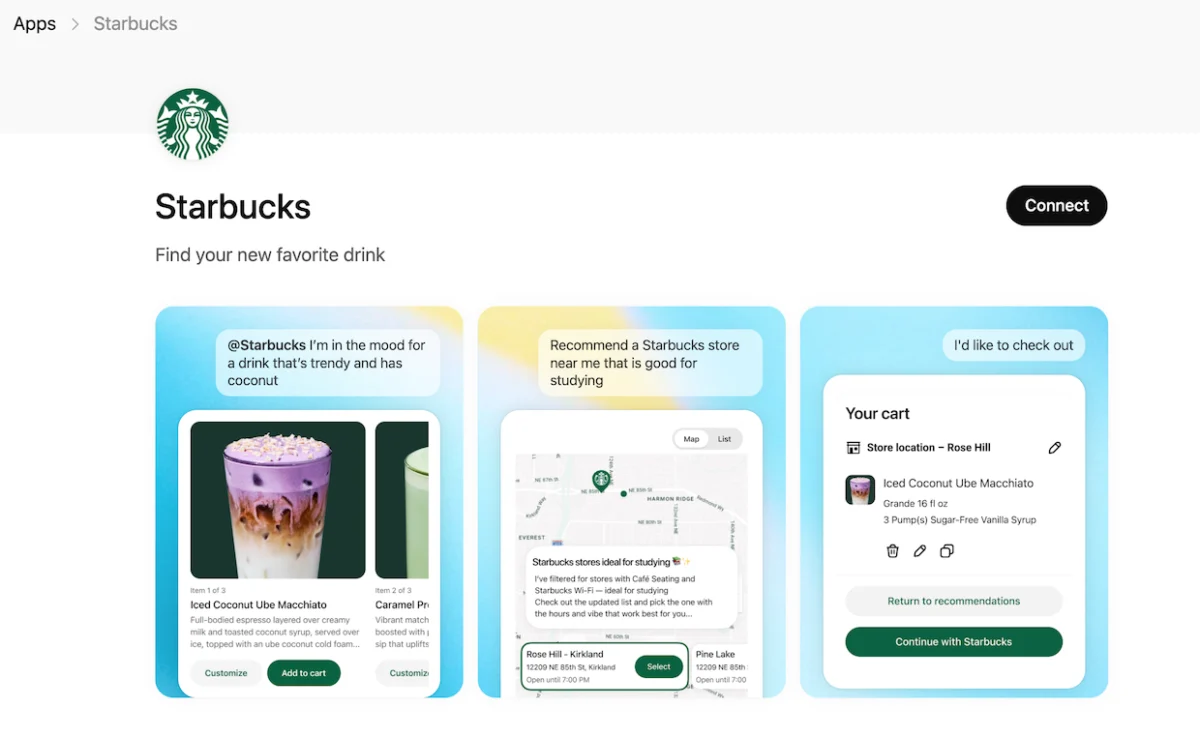
Seattle, WA – Starbucks is ushering in a new era of personalized beverage discovery with the beta launch of an integrated ChatGPT application, a move that fundamentally redefines how consumers interact with their favorite coffee chain. Unveiled on April 15, 2026, this groundbreaking initiative allows customers to articulate their current mood, specific cravings, or desired "vibe" – or even upload a photograph – to receive tailored drink recommendations. This innovative approach, described by Starbucks as a response to an increasing consumer trend of starting with a feeling rather than a fixed menu item, positions the global coffee giant at the forefront of generative AI integration within the food and beverage sector.
The Genesis of "Vibe Ordering"
The concept behind "vibe ordering" stems from Starbucks’ observation of evolving consumer behavior. For years, the company has meticulously refined its mobile ordering and loyalty platforms, responding to a competitive landscape that includes rivals like Dutch Bros, Dunkin’, and Luckin Coffee, all of whom have heavily invested in digital customer engagement. However, Starbucks’ latest foray into generative AI represents a significant leap beyond traditional algorithm-driven recommendation engines. By leveraging the conversational capabilities of ChatGPT, Starbucks aims to tap into a more intuitive and emotionally resonant way for customers to explore its extensive menu.
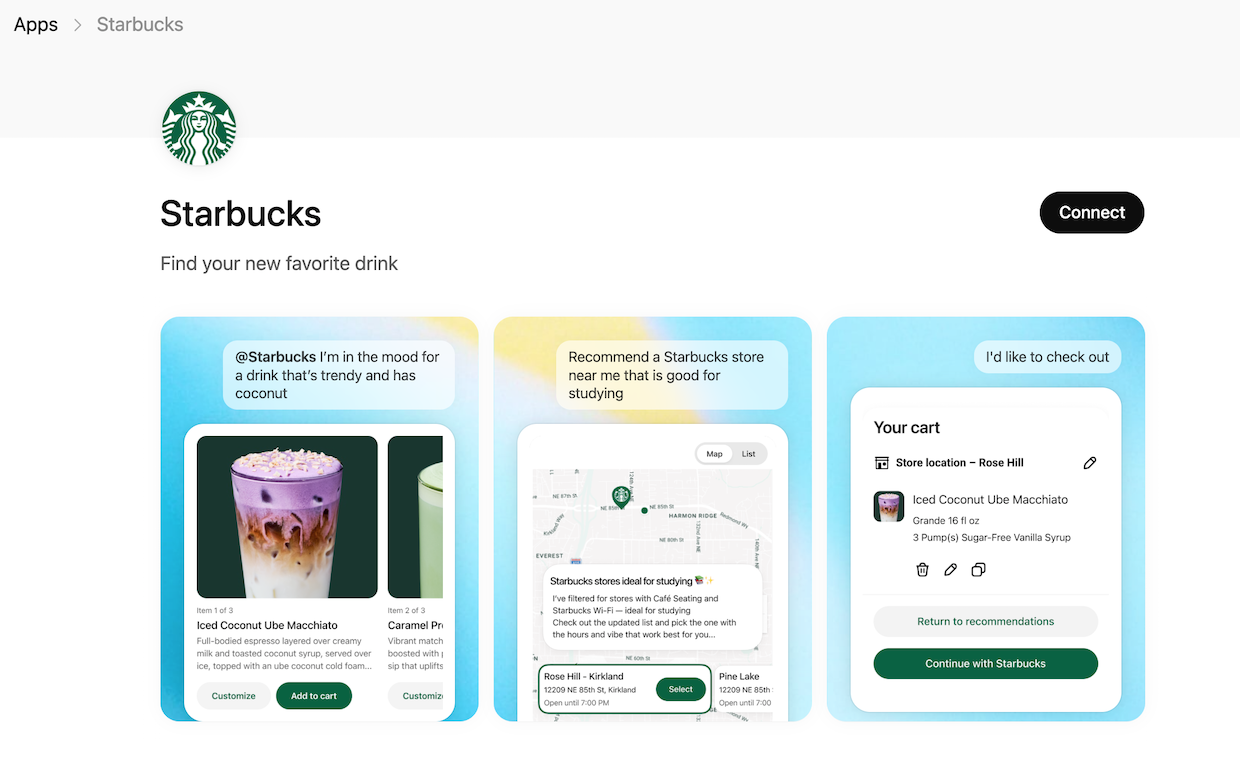
The beta program invites users to tag "@Starbucks" within a ChatGPT conversation. This interaction then triggers a sophisticated AI that analyzes the user’s prompt, whether it’s a descriptive phrase like "I need something comforting and warm for a rainy afternoon" or a visual cue like a picture of a serene landscape. The AI then generates personalized drink suggestions designed to match the expressed sentiment or aesthetic. While users can customize their selected orders and even set a pickup location directly within the ChatGPT interface, the final transaction must be completed through the official Starbucks app or website. This crucial step ensures that all purchases remain integrated within Starbucks’ robust loyalty ecosystem, preserving valuable customer data and engagement metrics.
A Pioneer in Generative AI for Coffee Retail
While competitors have focused on enhancing mobile ordering efficiency and loyalty programs, Starbucks appears to be the first major coffee chain to deploy a natural language AI tool specifically designed for mood-based ordering. This distinction is significant. Unlike the rules-based matching tools employed by online coffee retailers such as Trade Coffee and Atlas Coffee Club, which rely on predefined parameters and user preferences, Starbucks’ ChatGPT integration harnesses the generative capabilities of AI. This means the system can interpret nuanced language, understand context, and create novel suggestions that go beyond simply matching keywords to menu items. The potential for the AI to learn and adapt to individual user preferences over time further amplifies its innovative nature.
The implications of this move are far-reaching. By democratizing the process of drink discovery and making it more accessible and engaging, Starbucks could attract new customer segments and deepen loyalty among existing patrons. The ability to translate abstract feelings into concrete beverage choices simplifies the decision-making process for customers who may feel overwhelmed by the sheer variety of options or are simply looking for a novel experience.
Broader Retail Trends and AI Adoption
Starbucks’ adoption of generative AI is not an isolated event but rather a reflection of a broader trend sweeping across the retail landscape. Major players such as Walmart, Target, Etsy, and Booking.com are actively experimenting with and implementing similar AI-powered shopping and discovery integrations. This widespread adoption underscores a significant shift in how consumers interact with brands and make purchasing decisions.
Data from industry analysts further substantiates this trend. A report released by Salesforce in July 2025 indicated that a substantial 39% of consumers, including over half of Generation Z, were already utilizing AI for product discovery. This suggests a growing comfort level and reliance on AI technologies for everyday tasks, including shopping. Complementing this, Adobe’s research revealed that 39% of U.S. consumers had engaged with generative AI for online shopping, with millennials leading the charge at 46%. The impact of AI on retail traffic is equally dramatic, with Adobe reporting a staggering 1,200% surge in AI-driven traffic to U.S. retail websites between July 2024 and February 2025. These statistics highlight a clear consumer appetite for AI-enhanced shopping experiences, a trend that Starbucks is strategically capitalizing on.
Internal AI Applications: Empowering Baristas
Beyond customer-facing innovations, Starbucks is also leveraging AI to enhance operational efficiency and support its workforce. The company is currently piloting "Green Dot Assist," a Microsoft Azure-powered barista assistant designed to streamline in-store operations. This initiative, initially rolled out in 35 pilot stores with broader expansion anticipated, aims to empower Starbucks partners by providing them with immediate access to information and support.
Accessible via in-store iPads, Green Dot Assist allows baristas to pose questions in natural language regarding a wide range of operational aspects. This includes inquiries about how to craft seasonal beverages, troubleshoot equipment malfunctions, or manage scheduling complexities. The stated objective is to reduce the time baristas spend searching through manuals or seeking assistance, thereby freeing them up to focus on delivering exceptional customer service. This dual approach – enhancing customer engagement through generative AI and optimizing internal operations with AI-powered assistants – demonstrates Starbucks’ comprehensive strategy for integrating artificial intelligence across its business.
Strategic Implications and Future Outlook
The introduction of "vibe ordering" through ChatGPT integration is a bold move that carries significant strategic implications for Starbucks. Firstly, it reinforces the company’s image as an innovator and a leader in digital customer experience. By embracing cutting-edge technology, Starbucks can attract and retain a digitally savvy customer base, particularly younger demographics who are increasingly comfortable with AI-driven interactions.
Secondly, this initiative provides a unique opportunity to gather richer, more nuanced data about customer preferences. Understanding the emotional drivers behind beverage choices can inform future product development, marketing campaigns, and personalized promotions. The ability to move beyond transactional data to understand the "why" behind a customer’s order can unlock new levels of personalization and customer satisfaction.
Thirdly, by keeping the final purchase within its own ecosystem, Starbucks mitigates the risk of losing valuable customer relationships to third-party AI platforms. This ensures that the company retains direct control over its customer journey and data, crucial for maintaining its competitive edge.
However, the success of this venture will hinge on several factors. The AI’s ability to consistently interpret complex or ambiguous prompts accurately will be critical. Furthermore, the seamless integration between ChatGPT and the Starbucks app for order customization and checkout will need to be robust and user-friendly. Ensuring data privacy and security will also be paramount, especially as more personal information is shared through conversational AI.
Looking ahead, the "vibe ordering" system could evolve to incorporate more sophisticated features. Imagine an AI that learns a user’s daily routine and proactively suggests a morning pick-me-up or an afternoon treat based on past preferences and current weather conditions. The potential for predictive ordering and hyper-personalization is immense. Starbucks’ commitment to piloting and refining this technology suggests a long-term vision for AI integration, aiming to create a more intuitive, engaging, and personalized coffee experience for every customer, one "vibe" at a time. The company’s proactive stance in adopting generative AI positions it not just as a coffee retailer, but as a technology-forward brand shaping the future of consumer interaction.
