

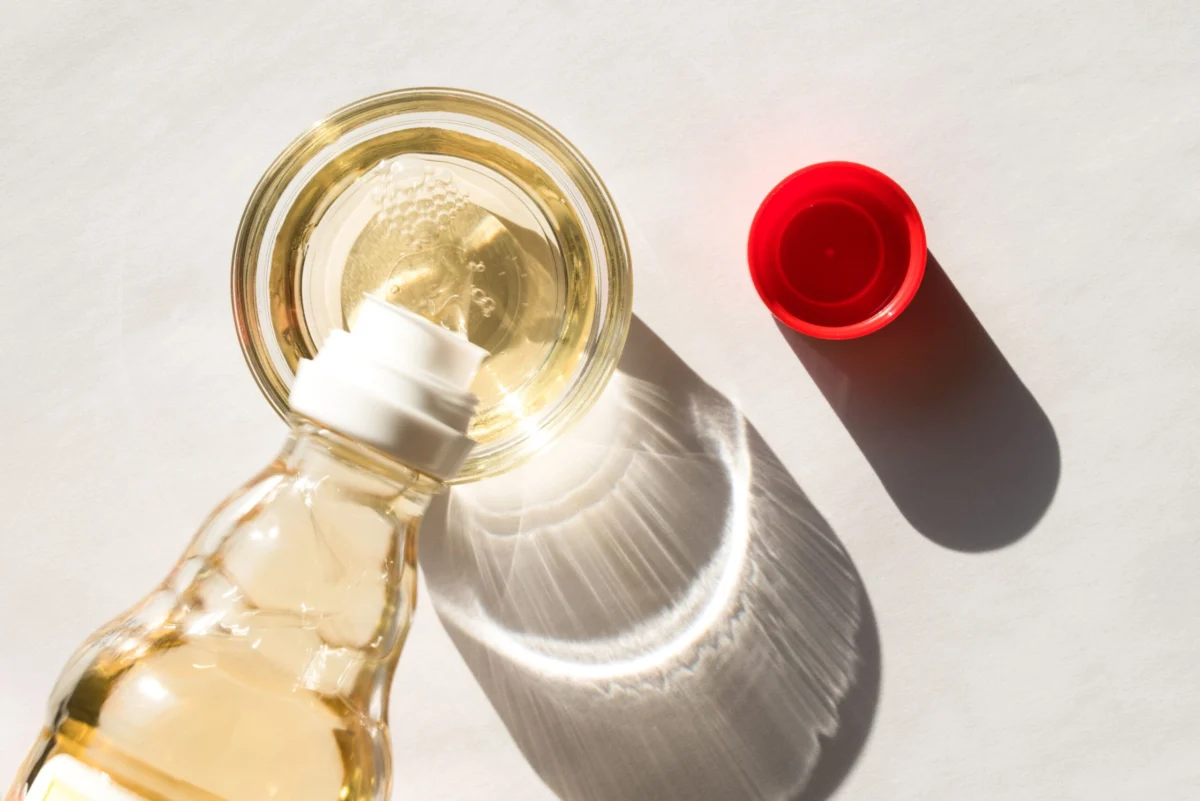
Mirin, the sweet rice wine, stands as an indispensable pillar of Japanese cuisine, its subtle yet profound presence enriching countless dishes. Often enjoyed without explicit recognition, its distinctive sweetness and nuanced umami are fundamental to the flavor profiles of beloved Japanese staples, from the delicate balance of miso soup to the glistening perfection of teriyaki. Alongside other foundational ingredients like miso, soy sauce, dashi, and rice vinegar, mirin contributes a layer of richness and complexity, imparting a characteristic glossy sheen to glazed preparations and depth to stocks, stews, marinades, and sauces.
The perception of mirin’s flavor, while commonly described as sweet with a hint of umami, takes on a more profound dimension through the term "koku," as preferred by Sonoko Sakai, author of Japanese Home Cooking. Sakai explains, "Koku is like umami, but it gives not just flavor but aroma; you feel it with your palate, and it gives depth." This descriptor transcends a simple taste sensation, encompassing a holistic sensory experience that includes mouthfeel, aroma, and a lingering sense of richness. However, achieving this elusive "koku" hinges critically on the type of mirin selected, with the readily available supermarket varieties often falling short of the traditional standard. Hon mirin, or "true" mirin, represents the authentic product, though its higher cost and limited availability in Western markets like the United States pose a challenge for many consumers. Understanding the distinctions between hon mirin and its commercial counterparts, alongside appropriate substitutions, is crucial for those aspiring to culinary authenticity.
The Genesis and Evolution of Mirin: A Historical Perspective
The origins of mirin trace back several centuries in Japan, initially conceived not as a cooking ingredient but as a sweet alcoholic beverage. Historical records suggest its consumption as early as the Sengoku period (15th-16th centuries), where it was enjoyed as a luxurious, low-alcohol drink, often spiced and consumed during celebratory occasions such as New Year’s (o-toso). Its development as a culinary staple gained prominence during the Edo period (17th-19th centuries), as Japanese cuisine began to evolve and formalize. Chefs discovered mirin’s unique ability to impart sweetness without the cloying intensity of refined sugar, while also contributing a desirable aroma and glaze. This transformative potential cemented its role, elevating it from a mere libation to a cornerstone seasoning that balanced and enhanced other flavors, particularly in conjunction with soy sauce. Its application became widespread in the preparation of simmered dishes (nimono), grilled items (teriyaki), and various sauces, fundamentally shaping the distinctive taste of traditional Japanese fare.
Hon Mirin: The Traditional Craft and Its Unparalleled Qualities
Traditional hon mirin is a product of meticulous craftsmanship, relying on a minimal yet potent trio of ingredients: glutinous rice (mochi gome), koji (rice inoculated with Aspergillus oryzae mold), and shochu (a Japanese distilled spirit, typically rice-based). The production process is a slow, natural fermentation, often extending over several months. During this period, the enzymes present in the koji mold meticulously break down the complex starches of the glutinous rice into simple sugars, predominantly glucose. This enzymatic saccharification is distinct from yeast fermentation, which primarily converts sugars into alcohol, explaining hon mirin’s characteristic sweetness.

Hiroko Shimbo, author of The Japanese Kitchen, highlights that this natural conversion yields a sweetness that is more subtle and "elegant" than that of common table sugar (sucrose). Chemically, glucose is approximately 70% as sweet as sucrose, contributing to mirin’s balanced flavor profile. Furthermore, Sonoko Sakai notes that mirin generally possesses a lower glycemic index compared to many other sweeteners, a benefit stemming from its complex carbohydrate breakdown and natural sugar composition.
Beyond its sweetness, hon mirin boasts an alcohol content of around 14% ABV, comparable to many sakes and grape wines. While rarely consumed as a beverage today (with o-toso being a notable exception), this alcohol content plays a crucial functional role in cooking. As Shimbo explains, "Alcohol denatures proteins… It helps them firm up slightly—it’s also hygroscopic, so it helps to retain moisture." This scientific principle translates into culinary benefits: foods cooked with hon mirin emerge tender, juicy, and infused with a rich, umami sweetness. The alcohol also aids in carrying aromas, contributes to the desirable sheen in glazes, and helps to suppress unwanted odors in ingredients like fish.
The intricate interplay of these factors—natural sugar conversion, alcohol content, and the complex byproducts of slow fermentation—culminates in the "koku" that true mirin connoisseurs seek. This depth of flavor, aroma, and mouthfeel is what distinguishes hon mirin as a premium ingredient. For those seeking authentic hon mirin, experts often recommend specific brands known for their traditional methods and quality. Sonoko Sakai endorses Fukuraijun hon mirin, while Hiroko Shimbo favors Mikawa hon mirin from Sumiya Bunjiro Brewery, both exemplifying the pinnacle of mirin craftsmanship.
The Commercial Landscape: Aji-Mirin and Its Widespread Accessibility
While hon mirin represents the artisanal ideal, the reality for many home cooks, particularly outside of Japan, is the widespread availability of aji-mirin, or "mirin-style seasoning." This product, whose name translates literally to "tastes like mirin," emerged as a more affordable and accessible alternative to the traditional, time-consuming hon mirin. Its production process is significantly streamlined, typically involving a blend of glucose or corn syrup, water, rice, salt, and alcohol, rather than the lengthy enzymatic breakdown of starches.
The alcohol content in aji-mirin varies considerably by brand, but it is generally lower than that of hon mirin. For instance, a common brand like Kikkoman’s aji-mirin contains approximately 8% alcohol. This reduced alcohol, coupled with a simpler sugar composition (often added sugars rather than naturally fermented ones), results in a flavor profile that is less nuanced and often more intensely sweet than hon mirin.

Both Hiroko Shimbo and Sonoko Sakai express reservations about aji-mirin, citing its comparatively flat flavor and heightened sweetness. Shimbo further points out that the lower alcohol content of aji-mirin can compromise its performance in culinary applications, reducing its ability to tenderize proteins, retain moisture, or develop a deep glaze as effectively as hon mirin.
However, pragmatism often dictates kitchen choices. J. Kenji López-Alt, author of The Food Lab, acknowledges the sensory gap between the two. He observes that "natural fermentation creates all these byproducts that give hon mirin better aroma." Yet, he also offers a balanced perspective for the everyday cook: mirin typically constitutes a small proportion of a dish and is often cooked alongside other robustly flavored ingredients. While he prefers naturally brewed mirin, he readily uses aji-mirin, concluding that "it’s not a problem. You’ll notice a difference, but even the cheapest stuff is still going to work just fine." This view reflects the reality of global ingredient accessibility and the adaptive nature of home cooking.
Distinguishing Mirin from Its Japanese Culinary Counterparts
To fully appreciate mirin’s unique role, it is essential to differentiate it from other common Japanese rice-based liquids: sake and rice vinegar. While all three are derived from rice, their production methods and resulting characteristics make them distinct and largely non-interchangeable.
Mirin vs. Sake: Both are rice wines, but their fundamental differences lie in their fermentation processes and intended uses. Hon mirin is made from glutinous rice, koji, and shochu. The koji enzymes primarily break starches into sugars in an alcohol-rich environment (from the shochu), resulting in a sweet liquid with moderate alcohol. Sake, conversely, is produced from sakamai (sake rice), water, koji, and yeast. Here, yeast is central to converting sugars into alcohol, leading to a much higher alcohol content (typically 15-20%) and a considerably drier, less sweet profile. Sake is primarily brewed for drinking, offering a vast array of styles and nuanced flavor profiles that would be largely lost or overpowered when used as a direct cooking substitute for mirin’s specific sweetness and functional properties.
Mirin vs. Rice Vinegar: Despite their shared rice origins, mirin and rice vinegar are poles apart in flavor and function. Mirin is sweet, viscous, and alcoholic, carrying a subtle umami depth. Rice vinegar, on the other hand, is distinctly acidic and tart, with minimal natural sweetness. Its production involves the acetic acid fermentation of rice wine, converting alcohol into acetic acid. The stark contrast in their pH levels and flavor profiles makes them incompatible as direct substitutes. Attempting to mimic mirin by combining rice vinegar with sugar, as Shimbo, Sakai, and López-Alt unanimously agree, would yield an excessively acidic result, fundamentally altering the intended flavor balance of a dish. Rice vinegar is reserved for applications requiring its sharp tang, such as sushi rice, dressings, and pickles, not for mirin’s rounded sweetness and body.

Navigating Substitutions: Practical Guidance for Culinary Adaptability
Given the challenges of sourcing authentic hon mirin, understanding effective substitutions becomes paramount for home cooks. Experts agree that the most suitable alternative for mirin is a blend of sake and a sweetener. This combination leverages the shared alcoholic base and rice origin of sake while reintroducing the essential sweetness that sake naturally lacks for cooking purposes.
Any sake on hand can be used, though Shimbo advises keeping a large bottle of seishu (clear sake) specifically for cooking. It is crucial to avoid "cooking sake," which often contains added salt, potentially disrupting the seasoning balance of a recipe. López-Alt typically recommends a ratio of two parts sake to one part sugar by volume. For the sweetener, Shimbo suggests brown rice syrup, which she finds closely replicates the subtle, complex sweetness of hon mirin. Both Shimbo and Sakai also propose maple syrup as a viable alternative, offering a different but complementary depth of flavor.
When sake is unavailable, other alcoholic options can be considered, though with caveats. Dry white wine or dry sherry, combined with a sweetener, can serve as a last resort. López-Alt notes that "dry white wine is closer than a sherry" due to sherry’s often stronger, nuttier profile. However, both will introduce distinct flavor notes that can significantly alter the final dish. Recipes calling for mirin frequently also include sake, so cooks may need to substitute both components, carefully balancing the flavors to achieve the desired outcome.
The Challenge of Nonalcoholic Alternatives
For those strictly avoiding alcohol, finding a truly interchangeable nonalcoholic substitute for mirin presents a significant challenge. While some mirin-style seasonings are marketed as having lower alcohol content or being entirely alcohol-free, they often lack the full spectrum of hon mirin’s flavor complexity and functional properties. These products are typically formulated with various syrups, flavorings, and sometimes salt to simulate mirin’s taste.
It is critical for consumers to meticulously check product labels. "Aji-mirin" can still contain alcohol, and "shio mirin" (salted mirin) is not inherently alcohol-free; its salt content merely renders it unpalatable for drinking, often allowing it to be sold without liquor licensing. Relying solely on cooking to "burn off" alcohol is also not a foolproof method, as complete evaporation is rarely guaranteed, especially in short cooking times. Therefore, for strict adherence to alcohol-free cooking, selecting a product explicitly labeled as such is the safest approach.

Furthermore, these alternative products frequently contain added salt, which is often used as a preservative or to deter beverage consumption. This necessitates careful adjustment of other sodium sources within a recipe to prevent over-salting, highlighting the need for vigilance when opting for these substitutes.
Optimal Storage and Maximizing Mirin’s Culinary Potential
Proper storage ensures the longevity and quality of mirin. Hon mirin, owing to its robust sugar and alcohol content, is remarkably shelf-stable. It should be stored tightly sealed in a cool, dark place, rather than refrigerated. Refrigeration can cause its natural sugars to crystallize, affecting its texture and appearance, though not necessarily its flavor. For aji-mirin and other mirin-style seasonings, storage recommendations may vary by brand and composition; consulting the product label after opening is advisable.
Mirin’s versatility in the kitchen is extensive, making it an invaluable asset for any cook exploring Japanese cuisine. Its role in crafting a silky tare (seasoning base) for ramen, when combined with soy sauce and sake, is iconic. Reduced until syrupy, it forms the basis of a lip-smacking teriyaki sauce, transforming dishes like salmon, steak, and vegetables with its characteristic sweet glaze.
Beyond glazes, mirin excels in both rapid and slow-cooking applications. It enhances quick-stir-fries like udon with pork and soboro don (ground meat over rice), imparting depth and a touch of sweetness. In slow braises, soups, and marinades, it tenderizes ingredients and infuses them with rich flavor. Its delicate sweetness beautifully complements seafood and tofu, as seen in brothy steamed bass, and effectively balances the tang in dressings like a miso-turmeric blend. Fundamentally, mirin can replace table sugar in many recipes, offering a more complex, nuanced sweetness and additional functional benefits. As Hiroko Shimbo aptly summarizes, "When you use real mirin, there are many good effects."
Broader Implications for Japanese Cuisine and Global Palates
The distinction between hon mirin and its substitutes carries significant implications for the authenticity and perception of Japanese cuisine globally. As Japanese food gains increasing popularity worldwide, the quality of foundational ingredients like mirin plays a pivotal role in accurately representing its delicate balance of flavors. The use of traditional hon mirin allows for a truer expression of Japanese culinary heritage, contributing to the "koku" that defines its depth.

For consumers, an informed choice empowers them to either seek out and appreciate the nuanced complexity of hon mirin or to understand the compromises inherent in more accessible alternatives. The growing availability of specialized Japanese grocery stores and online retailers in Western markets is gradually improving access to hon mirin, supporting both home cooks and professional chefs in their pursuit of culinary authenticity. Education on ingredients, their origins, and their impact on flavor remains crucial for fostering a deeper appreciation of Japanese culinary traditions and ensuring their faithful reproduction across diverse global palates.
