

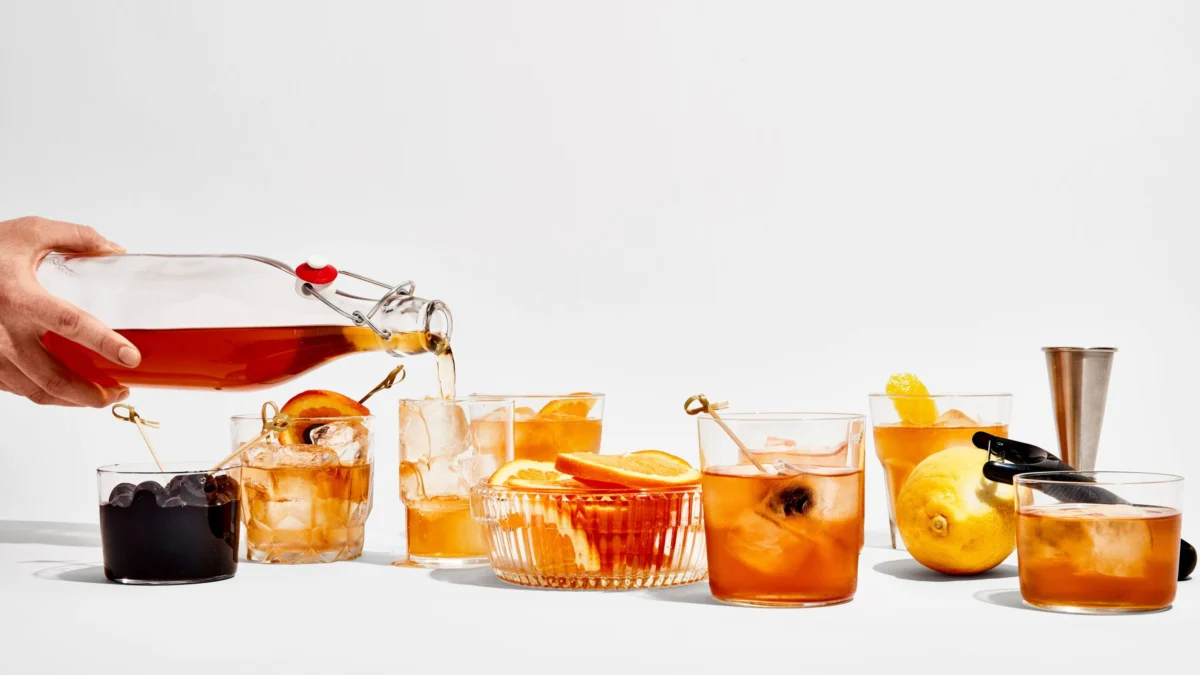
In an increasingly fast-paced world where efficiency and elegance are prized, the concept of batch cocktails has emerged as a quintessential solution for hosts seeking to elevate their entertaining game without sacrificing their presence at the party. Moving beyond the conventional last-minute pouring of wine, preparing a sophisticated, large-format cocktail like the classic Old Fashioned ahead of time represents a significant shift in home bar practices, granting hosts the coveted "party-hero" status. This method eliminates the need for individual shaking, stirring, or precise measuring once guests arrive, streamlining service to a simple pour over ice and a quick garnish.
The core appeal lies in the meticulous preparation of a batch Old Fashioned recipe, which typically combines a robust rye whiskey or smooth bourbon, a rich simple syrup, the aromatic complexity of Angostura bitters, and a carefully calculated amount of water. This measured addition of water is critical, serving to pre-dilute the mixture and mimic the natural dilution that occurs when a single cocktail is stirred over ice. The outcome is a consistently balanced and perfectly chilled drink, ready at a moment’s notice, ensuring every guest receives a cocktail of uniform excellence.
Beyond its immediate utility, mastering the technique of batching opens a world of possibilities for nearly any stirred cocktail. Enthusiasts can apply this principle to timeless concoctions such as Manhattans, Negronis, Martinis, Boulevardiers, and Rob Roys. Whether the occasion is a festive holiday gathering, a casual backyard barbecue, a spirited tailgate event, or an intimate dinner party, the presence of an entire bottle or pitcher of expertly pre-mixed cocktails in the refrigerator is undeniably a power move, projecting an aura of thoughtful preparation and effortless hospitality.
Understanding the Batched Old Fashioned: A Deep Dive
At its heart, a batch Old Fashioned is a scaled-up version of the iconic cocktail, prepared in advance within a larger vessel. This foundational drink, initially recognized as the "Whiskey Cocktail" – a moniker that underscores its once novel status – stands as one of America’s most venerable alcoholic concoctions. Its historical roots trace back to the rudimentary definition of a cocktail established in 1806: a harmonious blend of spirit, sugar, bitters, and water. This elegant simplicity is precisely what makes the Old Fashioned an ideal candidate for advance preparation.
Instead of the laborious process of crafting each drink individually, the batch method involves combining ingredients sufficient for multiple servings – be it two, four, eight, or more – chilling the mixture, and then dispensing it over fresh ice as required. This approach transforms the host from a beleaguered bartender into a relaxed participant, allowing them to fully engage with their guests while still providing a premium beverage experience.
The Crucial Role of Water in Batched Cocktails: A Scientific Perspective

The inclusion of water directly into a batched cocktail often strikes newcomers as counterintuitive, yet it is an absolutely essential component of the process. In traditional cocktail preparation, the act of stirring or shaking with ice serves a dual purpose: chilling the drink to its optimal temperature and simultaneously diluting it as the ice melts. This controlled dilution is not merely incidental; it is a fundamental aspect of achieving balance, softening the alcoholic edge, and allowing the nuanced flavors of the spirits and modifiers to shine through.
Since batched cocktails bypass the in-glass mixing over ice, the necessary dilution must be incorporated upfront. Adding the correct proportion of water beforehand ensures that each subsequent pour tastes exactly like a cocktail that has been perfectly stirred and chilled, rather than presenting as an unpleasantly potent, undiluted spirit. This foresight is what distinguishes a well-executed batch cocktail from a hastily assembled one, guaranteeing a consistent and enjoyable experience for every guest.
Beyond the Basics: The Nuances of Batched Cocktail Preparation
The success of a batched cocktail hinges on several key considerations, extending beyond the initial mixing.
Longevity and Flavor Integration:
One of the most appealing aspects of batched cocktails, particularly the Old Fashioned, is their remarkable shelf stability. Composed primarily of shelf-stable ingredients, a batched Old Fashioned not only keeps well but can actually improve with age. Refrigerating the mixture for at least 24 hours before a party allows the flavors to meld and integrate more deeply, resulting in a smoother, more harmonious sip. For those with foresight, aging the drink for up to two weeks can yield an even more integrated and refined profile, as the various components "marry" over time. Stored in an airtight container, these batched masterpieces can maintain their quality for up to three months in the refrigerator. Remarkably, they can also be stored in the freezer for at least six months; due to its high alcohol content, the liquid will not freeze solid but will instead develop a thick, syrupy consistency—a delightful texture when poured over ice, providing an instant, ultra-chilled serving.
Storage Vessels and Presentation:
The choice of storage vessel is important for both preservation and presentation. Airtight glass bottles, such as flip-top or swing-top bottles, are ideal for long-term storage in the refrigerator or freezer, preventing oxidation and maintaining freshness. For serving larger groups, a stylish glass beverage dispenser can be both practical and aesthetically pleasing, allowing guests to serve themselves with ease. The visual appeal of a beautifully prepared batch cocktail, perhaps with pre-cut garnishes nearby, adds to the overall guest experience.
Variations and Customization: Riffing on the Classics
Once the fundamental principles of batching are understood, the possibilities for customization are vast. The Old Fashioned, with its simple structure, serves as an excellent template for experimentation.

- Whiskey Choice: The primary spirit dictates much of the cocktail’s character. Rye whiskey imparts a drier, spicier profile, lending a sharper edge to the drink. Brands like Old Overholt offer a reliable and budget-friendly option, while Michter’s represents an excellent upgrade, often lauded in taste tests for its quality. Bourbon, conversely, creates a richer, sweeter, and often smoother cocktail. Popular choices such as Bulleit or Knob Creek 9-Year are widely celebrated for their depth and balance.
- Sweetener Adjustments: While rich simple syrup is standard, experimenting with other sweeteners can introduce new dimensions. Maple syrup, demerara syrup, or even a touch of honey syrup can subtly alter the flavor profile, adding layers of complexity.
- Bitters Exploration: Angostura bitters are the classic choice, but the world of bitters is expansive. Orange bitters can brighten the drink, while chocolate bitters can add a decadent, deeper note. A dash of a specialty bitters, such as walnut or cherry, can provide a unique twist.
- Flavor Infusions: Infusing the whiskey or simple syrup with spices like cinnamon sticks, star anise, or even dried fruits can create a bespoke batch cocktail that reflects personal taste or seasonal themes.
Tips for Crafting the Best Batch Old Fashioned:
- Quality Ingredients: The adage "garbage in, garbage out" applies emphatically to cocktails. Use high-quality spirits, fresh simple syrup, and reputable bitters.
- Precise Measurement: Accuracy is paramount in batching. Use kitchen scales for larger volumes or precise measuring cups to ensure the proportions are correct.
- Gradual Dilution: When calculating water, it’s often better to start with slightly less and add more to taste. The ideal dilution can vary slightly based on the alcohol content of the spirit and personal preference.
- Thorough Mixing: Ensure all ingredients are thoroughly combined before chilling. This can be achieved by stirring vigorously in a large container.
- Chilling is Key: Serve over fresh, large ice cubes to minimize further dilution and maintain the drink’s chill. Pre-chilling glasses can also enhance the experience.
- Garnish Freshness: Always add garnishes (orange peel, brandied cherry) just before serving. Pre-garnish will deteriorate and affect the cocktail’s appearance and taste over time.
Extending the Batching Principle to Other Stirred Cocktails
The methodology employed for batching an Old Fashioned is remarkably versatile and can be adapted to virtually any spirit-forward, stirred cocktail. As the batched Old Fashioneds chill, the host can reflect on the simplicity and effectiveness of the process, a technique that readily transfers to a wide array of classic drinks.
Consider the Manhattan, a sophisticated blend of rye whiskey, sweet vermouth, and bitters. Or the Negroni, an iconic Italian aperitif featuring gin, Campari, and sweet vermouth. Even a crisp Martini, with its delicate balance of gin or vodka and vermouth, can be batched, though the level of dilution might need more careful consideration due to its typically higher proof and often chilled-only serving. Relatives like the Boulevardier (bourbon, Campari, sweet vermouth) and the Rob Roy (scotch, sweet vermouth, bitters) also lend themselves perfectly to this preparation method.
The underlying formula remains straightforward: Multiply every ingredient in your chosen cocktail recipe by the desired number of servings, then critically, add the appropriate amount of dilution. A general guideline suggests approximately ¼ cup of water for every four cocktails, or ½ cup for eight cocktails, adjusting as needed based on taste and the specific drink’s composition. For recipes that include bitters, it is advisable to increase them gradually, tasting as you go to avoid over-bittering. Similarly, sweetness and water content should be adjusted teaspoon by teaspoon until the desired balance is achieved, reflecting the nuanced preferences of the discerning host.
Batched Cocktail FAQ: Addressing Common Inquiries
The growing popularity of batched cocktails has naturally led to a series of common questions from home entertainers and aspiring mixologists alike.
Bourbon or Rye for the Old Fashioned?
Both bourbon and rye whiskey are excellent choices, each imparting a distinct character. Rye whiskey typically results in a drier, spicier cocktail, offering a bolder, more assertive profile. For those exploring rye, Old Overholt is often cited as a reliable and accessible option, while Michter’s consistently ranks high in expert taste tests for its superior quality. Bourbon, conversely, creates a richer, sweeter, and often smoother drink, appealing to those who prefer a more mellow experience. Bulleit and Knob Creek 9-Year are frequently recommended bourbons, celebrated for their balance and depth of flavor. The choice ultimately depends on personal preference and the desired flavor profile.

Can a Batch of Old Fashioneds Be Frozen?
Absolutely. Due to its significant alcohol content, a batched Old Fashioned will not freeze solid. Instead, it achieves a viscous, syrupy consistency, making it ideal for storage in the freezer until it’s ready to be served. This method ensures an ultra-chilled drink that pours beautifully over ice, providing an immediate, perfectly cold cocktail.
What is the Shelf Life of a Batched Old Fashioned?
When stored in an airtight bottle, a batch of Old Fashioned cocktails boasts an impressive longevity. It can maintain its quality for up to three months when refrigerated. If stored in the freezer, its shelf life extends to at least six months, owing to the preservative qualities of the alcohol. It is crucial, however, to defer the addition of garnishes until the moment of serving, as citrus peels or cherries can degrade over time and affect the drink’s freshness and appearance.
Is Adding Water Truly Necessary?
Yes, the addition of water is indeed essential. Its purpose is to pre-dilute the cocktail, effectively replacing the dilution that would naturally occur if the drink were stirred over ice. Without this pre-dilution, the cocktail would taste significantly stronger and lack the balanced harmony that defines a well-made Old Fashioned. While experimentation with alternative mild diluents like apple juice is possible, such substitutions would necessitate careful adjustments to the sweetener content to maintain equilibrium.
Is it Possible to Double or Triple the Recipe?
Certainly. The beauty of a batched Old Fashioned recipe lies in its scalability. It doubles, triples, or even quadruples remarkably well, provided that the precise proportions of whiskey, simple syrup, bitters, and water are meticulously maintained. For hosting very large gatherings, a generously sized glass beverage dispenser or multiple individual bottles are excellent choices for efficient and elegant service.
Broader Impact and Implications
The rise of batch cocktails signifies more than just a convenience trend; it reflects a broader shift in how individuals approach entertaining and consumption. In an era where bespoke experiences are highly valued, batching allows hosts to offer handcrafted quality without the labor-intensive demands of individual preparation. This approach contributes to a more relaxed social atmosphere, enabling hosts to genuinely enjoy their own events.
From an economic perspective, batching can also offer efficiencies. Purchasing spirits and mixers in larger quantities can sometimes be more cost-effective. For the hospitality industry, the principles of batching have long been applied to optimize speed of service and ensure consistency across high-volume operations, lessons that are now translating to the home bar.
Furthermore, the practice encourages a deeper understanding of cocktail components and their interactions. By pre-mixing and allowing flavors to meld, enthusiasts gain appreciation for the subtle chemical and sensory changes that occur over time, moving beyond simple mixing to a more thoughtful craft. This evolution in home entertaining not only elevates the guest experience but also transforms the host into a confident curator of sophisticated beverages, embodying the strategic art of pre-mixed perfection.
