

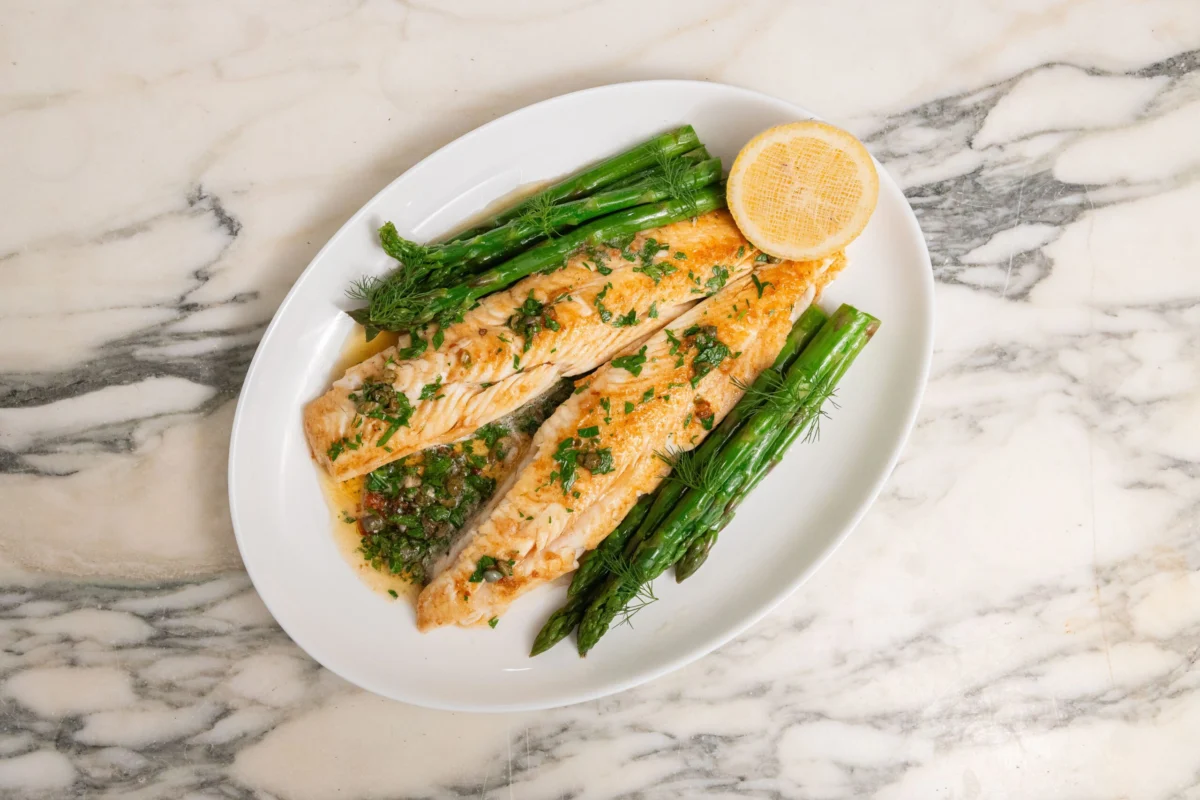
The delicate, flaky texture and subtle flavor of Dover sole have long cemented its status as a cornerstone of classic French gastronomy, particularly as the star of sole meunière. This iconic bistro favorite, traditionally celebrated for its elegant simplicity—pan-fried and served with a luscious brown butter and lemon sauce—is now experiencing a refined reinterpretation under the masterful hands of Chef Alexia Duchêne at Le Chêne in New York City. Duchêne’s approach not only honors the dish’s storied heritage but also elevates its presentation, offering a dramatic, whole-fish experience that is meticulously deboned tableside, concluding with a vibrant flourish of butter, lemon, capers, parsley, and dill, complemented by tender asparagus. This innovative presentation underscores the dish’s inherent sophistication while demonstrating its surprising attainability for the discerning home chef.
The Historical Pedigree of Sole Meunière: From Humble Origins to Culinary Icon
The history of sole meunière is deeply intertwined with the evolution of French culinary arts, a journey that spans centuries and reflects both rustic practicality and sophisticated refinement. The term "meunière" itself, translating to "miller’s wife," points to the dish’s humble origins, suggesting a preparation technique that involved simply dusting fresh fish with flour—a staple readily available to the miller’s spouse—before frying it. This simple method allowed the natural flavors of the fish to shine, enhanced by the crisp exterior provided by the flour and the richness of butter.
By the 19th and early 20th centuries, as French cuisine began to codify and gain international renown, sole meunière transitioned from a regional specialty to a staple on the menus of grand Parisian bistros and haute cuisine establishments. Its appeal lay in its deceptive simplicity: while requiring only a few ingredients, flawless execution was paramount. The browning of the butter to a nutty "beurre noisette," the precise cooking of the sole to achieve a golden crust and moist interior, and the judicious application of lemon for brightness became hallmarks of a truly exceptional rendition. Culinary historians often cite its popularity as a testament to the French culinary philosophy of elevating quality ingredients through precise, yet understated, techniques. The dish gained significant traction in the mid-20th century, particularly in the United States, largely through the advocacy of culinary figures like Julia Child, who championed its elegance and demystified its preparation for American home cooks, solidifying its place in the global gastronomic lexicon. Today, sole meunière remains a benchmark dish, a test of a chef’s finesse and a perennial favorite for diners seeking timeless elegance.
Dover Sole: The ‘Prince of the Sea’ and its Culinary Attributes
At the heart of sole meunière’s allure is the Dover sole (Solea solea), a flatfish highly esteemed for its superior culinary qualities. Indigenous to the North-East Atlantic and Mediterranean Sea, Dover sole is characterized by its firm, white flesh, which becomes incredibly tender and flaky when cooked. Its flavor profile is remarkably mild and sweet, making it an ideal canvas for delicate preparations that enhance rather than overpower its natural taste. This subtle sweetness and exquisite texture are precisely why it commands a premium price in markets worldwide and why chefs often refer to it as the "Prince of the Sea."
The unique physiological structure of the Dover sole also contributes to its desirability. Its bones are relatively easy to remove, especially after cooking, which allows for the dramatic tableside deboning practiced by Chef Duchêne. This not only adds a theatrical element to the dining experience but also ensures that diners receive perfectly boneless portions, maximizing enjoyment. From a sustainability perspective, sourcing Dover sole requires careful consideration. While not currently endangered, populations are monitored, and consumers are encouraged to choose fish from well-managed fisheries to ensure the long-term viability of this prized species. The demand for high-quality, responsibly sourced seafood continues to grow, and establishments like Le Chêne often prioritize suppliers who adhere to stringent sustainability standards.
Chef Alexia Duchêne’s Vision at Le Chêne: A Modern Homage
Chef Alexia Duchêne, a celebrated alumna of "Top Chef France" and a culinary force in her own right, brings a fresh perspective to classic French cuisine at her New York City establishment, Le Chêne. Her culinary philosophy centers on respecting traditional techniques while infusing them with contemporary sensibility and accessibility. Duchêne’s decision to feature Dover sole meunière as a signature dish at Le Chêne is a deliberate nod to French bistro culture, yet her execution is distinctly modern.
The theatrical element of cooking the fish whole and then deboning it tableside is a significant departure from typical restaurant presentations of sole fillets. This technique serves multiple purposes: it showcases the pristine quality of the whole fish, engages the diner in the culinary process, and ensures the fish retains maximum moisture and flavor during cooking. The act of deboning, performed with precision and grace, transforms a simple dish into an interactive, memorable event. This approach, according to restaurant critics, democratizes fine dining by making the intricate art of French cuisine approachable and exciting, inviting diners into the very heart of the kitchen’s craft. Duchêne’s choice of finishing elements—capers for briny bursts, fresh parsley and dill for herbaceous brightness—further elevates the dish, providing layers of flavor that complement the sole without overwhelming it. This thoughtful layering of textures and tastes exemplifies a chef who understands both the past and the present of French gastronomy.
The Craft of Sole Meunière: Achieving Perfection at Home
Despite its reputation as a fine dining staple, sole meunière is surprisingly achievable for the home cook, a fact that Chef Duchêne’s recipe aims to underscore. The perceived complexity often deters amateur chefs, but the fundamental techniques are straightforward and rely more on careful attention than intricate skill.
Key Considerations for Preparation:
- Dover Sole Selection: As Duchêne highlights, the choice of fish is paramount. When purchasing Dover sole, whether whole or filleted, look for clear eyes, bright red gills (if whole), and firm, moist flesh. The fish should smell fresh, like the ocean, not "fishy."
- Alternatives: While Dover sole is ideal, its availability and price point can be a barrier. Duchêne suggests excellent alternatives such as fluke or skate wing. Fluke offers a similar delicate texture, while skate wing, though different in structure, shares the mild flavor profile that pairs beautifully with the meunière sauce. Other flaky white fish fillets, such as turbot or even cod, can also be adapted, though the characteristic firmness of sole will be missed. The key is a lean, white fish that can be pan-fried without drying out.
- Whole Fish vs. Fillets: Cooking the fish whole, as Duchêne does, certainly makes for an impressive presentation and can help retain moisture. However, for convenience, using fillets is perfectly acceptable. A skilled fishmonger can fillet a whole sole for you, or pre-packaged fillets are widely available. The butter, lemon, and caper sauce is versatile and works equally well with both forms.
- The "Meunière" Technique: The process involves lightly dusting the fish with flour, which creates a protective crust that locks in moisture and browns beautifully. The pan-frying should be done in clarified butter or a neutral oil with a high smoke point, ensuring an even, golden-brown sear. The subsequent creation of the brown butter sauce in the same pan, incorporating the flavorful fond (caramelized bits from the fish), is crucial. The nutty aroma and complex flavor of beurre noisette are the soul of the dish.
- Equipment: While a specialized long, oval fish pan is ideal for a whole Dover sole, it is by no means essential. A large, wide skillet or even a medium Dutch oven can serve just as well, provided it is spacious enough for the fish to lay flat without overcrowding. Overcrowding can lower the pan temperature, leading to steaming rather than searing, which compromises the desired crispy texture.
- The Finishing Touches: The addition of capers, fresh parsley, and dill at the end is not merely decorative. Capers provide a briny, piquant counterpoint to the richness of the butter, while the fresh herbs introduce an aromatic lift and a touch of color, balancing the dish’s flavors and enhancing its visual appeal. Served alongside tender, seasonal asparagus, the meal becomes a complete, elegant experience.
The Broader Implications: French Cuisine in the Modern Culinary Landscape
The enduring popularity and continuous reinvention of dishes like sole meunière speak volumes about the timeless appeal and adaptability of French cuisine. In an era dominated by fusion concepts and rapid culinary trends, the steadfast presence of classics like sole meunière, croque monsieur, poulet rôti, and ratatouille (all referenced as other classic French recipes) underscores the foundational role French cooking plays in global gastronomy.
Chef Duchêne’s approach at Le Chêne is emblematic of a broader movement within the culinary world: a renewed appreciation for heritage dishes, presented with contemporary flair and an emphasis on quality ingredients. This trend has several implications:
- Preservation of Culinary Heritage: By focusing on classics, chefs like Duchêne contribute to the preservation of culinary traditions, ensuring that foundational techniques and flavors are not lost in the pursuit of novelty.
- Accessibility of Fine Dining: Her emphasis on making the dish "surprisingly achievable at home" empowers home cooks to explore gourmet cooking, demystifying the perceived complexities of French cuisine. This bridges the gap between professional kitchens and domestic ones, fostering a greater understanding and appreciation for the craft.
- Economic Impact: The demand for premium ingredients like Dover sole supports specialized fisheries and suppliers, contributing to a niche but significant segment of the food economy. Restaurants that champion these ingredients also attract a clientele seeking high-quality, authentic dining experiences, bolstering local economies and culinary tourism.
- Educational Value: Such presentations offer an educational experience for diners, illustrating the journey of food from its source to the plate, and highlighting the skill involved in preparing seemingly simple dishes. The tableside deboning, for example, is not just entertainment but a demonstration of classic culinary craftsmanship.
In conclusion, Chef Alexia Duchêne’s interpretation of Dover sole meunière at Le Chêne is more than just a dish; it is a culinary statement. It is a tribute to the enduring legacy of French bistro cuisine, a testament to the unparalleled quality of Dover sole, and a demonstration of how classic elegance can be reimagined for the modern palate and made accessible to a new generation of diners and home cooks. Through her meticulous preparation and engaging presentation, Duchêne ensures that this "Prince of the Sea" continues to reign supreme on the global culinary stage.
