

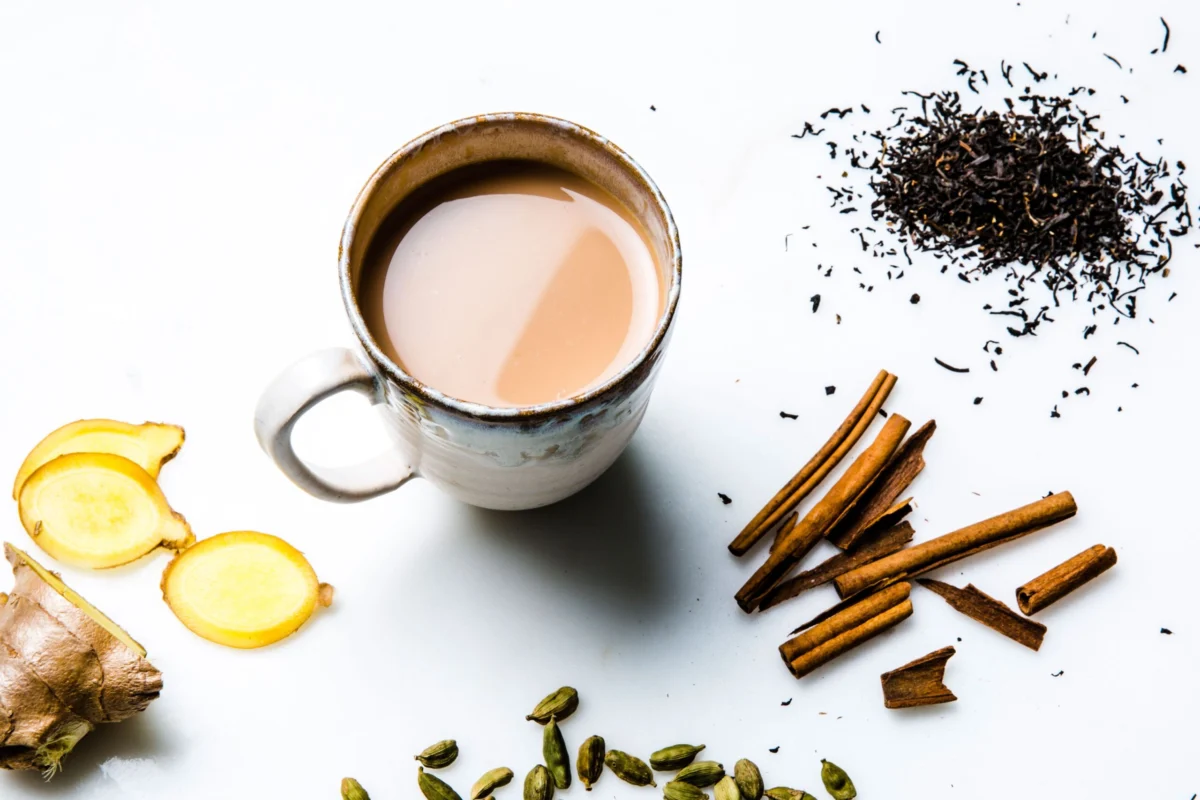
A distinctive masala chai recipe, characterized by its unapologetically potent ginger profile, warm embrace of cinnamon and cardamom, and subtle sweetness from maple syrup, has emerged as a refined adaptation of a traditional beverage. This particular rendition, which involves simmering ginger and cinnamon until intensely fragrant before the addition of strong black tea, ideally Assam or robust tea bags such as PG Tips, represents a compelling intersection of culinary tradition and modern efficiency. Its journey from an intuitive preparation in a New Mexico yoga studio to a precisely measured recipe highlights the dynamic process of culinary cultural exchange and the continuous evolution of global foodways.
The Historical Tapestry of Masala Chai
To fully appreciate the significance of this contemporary adaptation, it is essential to contextualize masala chai within its rich historical framework. Originating on the Indian subcontinent, masala chai, literally translating to "spiced tea," is more than just a beverage; it is a cultural institution. Its roots can be traced back thousands of years to ancient India, where early forms of tea were consumed for medicinal purposes within Ayurvedic traditions. These initial concoctions often included a diverse array of herbs and spices, such as ginger, cardamom, cloves, and black pepper, believed to possess therapeutic properties. The addition of milk and sugar, now hallmarks of modern chai, became more prevalent with the advent of the British tea trade in the 19th century. As the British East India Company began cultivating tea plantations in Assam, India, to compete with Chinese tea dominance, tea consumption rapidly expanded across the subcontinent.
The introduction of tea to the masses, often sold cheaply by vendors, led to the widespread adoption of adding spices, milk, and sugar to make the bitter black tea more palatable and economically viable. This gave rise to the ubiquitous "chai wallah" – a tea maker and vendor – who became an integral part of Indian daily life, serving hot, spiced, milky tea from street carts and railway stations across the country. Each chai wallah often boasts a unique blend of spices, reflecting regional preferences and personal interpretations, making the concept of a single, definitive masala chai recipe virtually non-existent. This historical context underscores the fluid nature of chai, a beverage constantly shaped by geography, culture, and individual craft.
The Genesis of a Modern Adaptation: From Taos to the Culinary Mainstream
The specific masala chai recipe in focus traces its lineage through a fascinating chain of culinary transmission, bridging traditional methods with contemporary precision. Its adaptation was spearheaded by Carla Lalli Music, a former food director renowned for her work in simplifying complex recipes and making sophisticated cuisine accessible. Music first encountered this particular chai at her former yoga studio, where it was prepared by her friend, Spiros Antonopoulos. Antonopoulos, in turn, had learned the intricate method from a traditional chai wallah he knew in Taos, New Mexico.
This geographical connection to Taos is particularly noteworthy. Taos, a town celebrated for its vibrant arts scene, spiritual retreats, and unique blend of Native American, Hispanic, and Anglo cultures, has historically been a nexus for diverse influences. The presence of a chai wallah in such a location speaks volumes about the global reach of culinary traditions and the organic ways in which authentic practices can take root in unexpected places. The chai wallah in Taos likely represented a fusion of Indian tradition adapted to the local palate and available ingredients, a testament to the adaptive nature of culinary arts.
Music, captivated by the depth and flavor of Antonopoulos’s chai, recognized its potential to be shared with a wider audience. Her initiative to persuade Antonopoulos to divulge his instinctive recipe and subsequently translate it into precise, measurable instructions was a pivotal step. This process of codifying an intuitive, often sight-and-feel-based, traditional recipe into a standardized format is a common practice in modern gastronomy, enabling wider replication and consistent results for home cooks and professional chefs alike. It transforms a personal craft into a publishable, teachable methodology.
Culinary Innovation: Streamlining Tradition for Modern Palates
One of the most distinguishing features of Antonopoulos’s original method, as relayed by Music, was its intensive brewing technique. It involved bringing the milky tea nearly to a boil three times, a process designed to achieve a deeper, caramelized flavor. This repeated heating and cooling cycle is known to encourage the Maillard reaction, a chemical process between amino acids and reducing sugars that gives browned food its distinctive flavor. In the context of chai, this would have imparted a rich, complex sweetness and depth, enhancing the natural sugars in the milk and any added sweetener.
Recognizing the demands of contemporary home cooking, Music’s adaptation skillfully streamlines this traditional, time-consuming process. Her version distills the essence of Antonopoulos’s technique into a more accessible method: allowing the chai to foam up once, pulling it from the heat, and then permitting it a five-minute rest before straining. This simplification retains a significant portion of the traditional flavor profile while considerably reducing preparation time and effort. The single foam-up initiates the crucial flavor development, while the subsequent rest period allows the spices and tea to steep further, ensuring a robust infusion of flavors without the need for repeated boiling cycles. This pragmatic approach reflects a broader trend in culinary arts: respecting traditional flavors while innovating for modern convenience.

A Deep Dive into the Flavor Profile and Ingredients
The distinctive character of this masala chai is largely attributed to its carefully selected and emphasized ingredients. The recipe unapologetically highlights fresh ginger, making it a dominant flavor note. Ginger (Zingiber officinale), widely used in both culinary and medicinal contexts, offers a pungent, spicy, and aromatic warmth. Its active compounds, such as gingerol, contribute to its characteristic flavor and are also associated with various health benefits, including anti-inflammatory and digestive properties. In chai, ginger provides a foundational warmth and a lively kick that invigorates the palate, balancing the sweetness and richness of the milk.
Accompanying the ginger are cinnamon and green cardamom, forming a streamlined yet potent spice blend. Cinnamon (Cinnamomum verum or Cinnamomum cassia) contributes a sweet, woody, and slightly peppery warmth. It is one of the oldest spices known to humankind, valued globally for its aroma and flavor, and also for its purported health benefits, including blood sugar regulation. Green cardamom (Elettaria cardamomum), often referred to as the "Queen of Spices," adds a complex, intensely aromatic, floral, and slightly citrusy note. Its small, green pods contain tiny black seeds that release a powerful, distinctive fragrance when bruised or crushed. Together, these three spices create a harmonious trio that provides warmth, depth, and aromatic complexity without overwhelming the palate.
The choice of maple syrup as a sweetener also distinguishes this recipe. While traditional chai often uses granulated sugar or jaggery, maple syrup offers a natural, unrefined sweetness with its own subtle caramel and woody undertones. This not only aligns with contemporary preferences for natural sweeteners but also contributes a unique flavor dimension that complements the spices. The ability to adjust the amount of maple syrup caters to individual preferences, allowing for a more ginger-forward profile with less syrup or a sweeter brew with more.
For the tea base, the recipe specifically recommends strong black tea, with Assam being ideal. Assam tea, grown in the state of Assam in northeastern India, is celebrated for its malty flavor, briskness, and robust character. Its strength is crucial for standing up to the potent spices and rich milk, ensuring the tea’s flavor is not lost. For those without loose-leaf Assam, sturdy tea bags like PG Tips are suggested, indicating the adaptability of the recipe to readily available ingredients while maintaining the core requirement for a strong, flavorful black tea foundation.
Masala Chai in the Global Culinary Landscape: Trends and Implications
The growing popularity of masala chai globally is undeniable. What was once primarily an Indian street beverage has transformed into a staple in cafes and homes worldwide, often appearing as "chai lattes" on coffee shop menus. This recipe’s journey from a Taos chai wallah to a widely published adaptation by a prominent food director exemplifies this global phenomenon. The average global tea market is projected to continue its growth trajectory, with specialty teas like masala chai carving out an increasingly significant niche. Data from market research firms consistently shows a rising consumer interest in beverages that offer both comfort and exotic flavor profiles, a demand perfectly met by masala chai.
The streamlining of traditional recipes, as demonstrated by Carla Lalli Music, has broader implications for culinary education and cultural exchange. It democratizes access to diverse global flavors, allowing home cooks to recreate authentic tastes without needing years of traditional training. However, it also sparks discussions around cultural appreciation versus appropriation. By meticulously tracing the recipe’s origins and crediting the original practitioners—the Taos chai wallah and Spiros Antonopoulos—Music’s adaptation demonstrates a respectful approach to cultural transmission, acknowledging the lineage while making it accessible to a new audience.
Furthermore, the recipe’s emphasis on fresh ginger and natural sweeteners aligns with contemporary health and wellness trends. Consumers are increasingly seeking beverages that offer functional benefits in addition to taste. Ginger’s well-documented digestive and anti-inflammatory properties, coupled with the choice of maple syrup, position this chai as a potentially healthier alternative to overly sugary, artificial beverages.
The mention of Zaynab Issa’s Karak Chai as another style of masala chai further illustrates the vast diversity within the "spiced tea" category. Karak Chai, popular in the Gulf region, typically features a stronger, more intense brew, often with evaporated milk, showcasing how regional preferences and available ingredients lead to distinct variations of a common theme. This diversity underscores that while this specific recipe offers a particular, refined experience, it is but one iteration within a rich global tapestry of masala chai traditions.
Conclusion: A Bridge Between Tradition and Modernity
Carla Lalli Music’s adaptation of this gingery masala chai stands as a testament to the enduring appeal of traditional flavors and the innovative spirit of modern culinary adaptation. By translating an intuitive, multi-generational recipe into precise measurements and streamlining its preparation, she has not only made a delicious beverage more accessible but also highlighted the fascinating journey of food across cultures and generations. From the bustling streets of India to the serene yoga studios of Taos, New Mexico, and finally into the kitchens of home cooks worldwide, this masala chai embodies a rich history, a nuanced flavor profile, and a promising future in the evolving global palate. Its success underscores the journalistic value of documenting and understanding the stories behind the food we consume, revealing not just ingredients and methods, but also the human connections and cultural exchanges that enrich our culinary world.
