

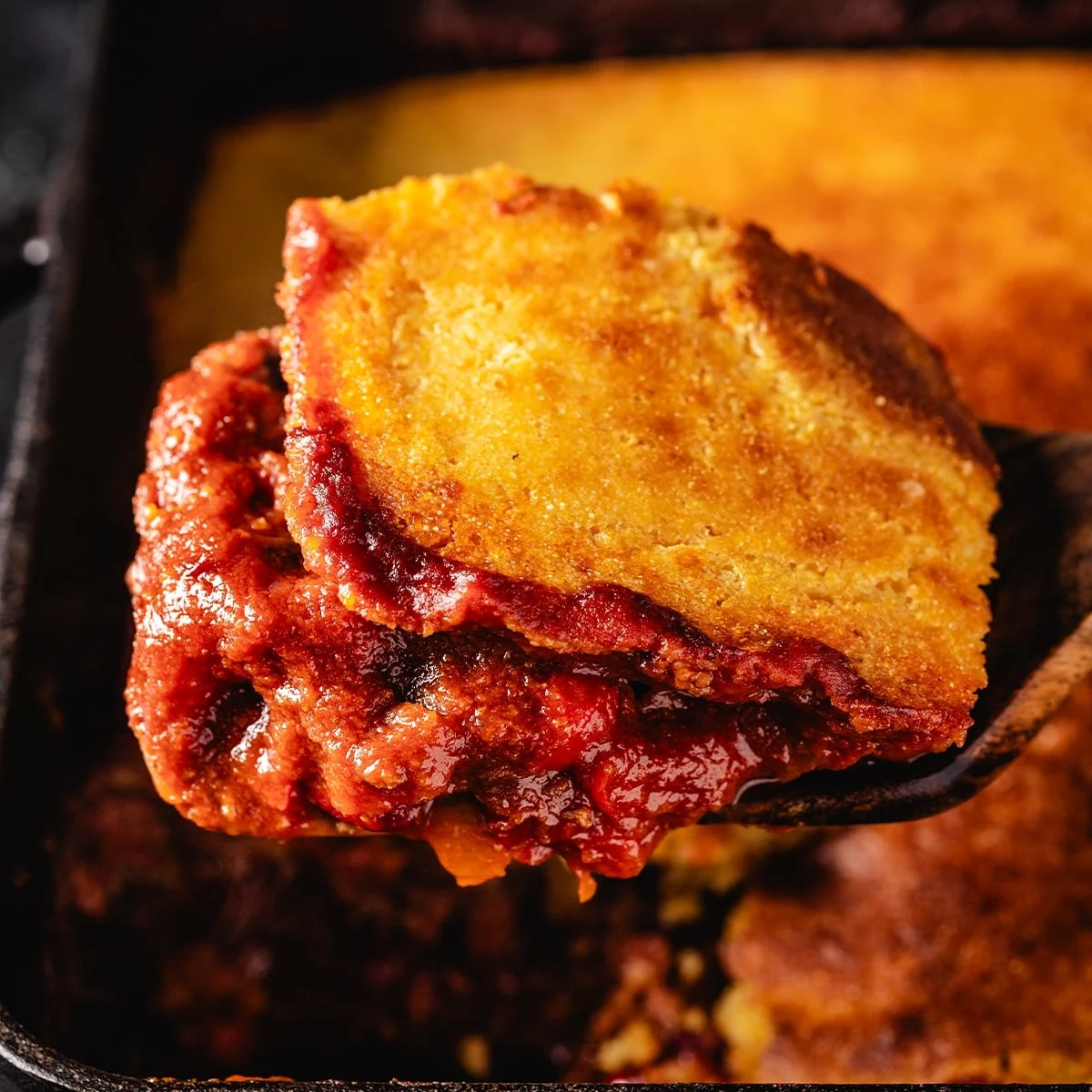
The integration of outdoor culinary techniques with traditional indoor comfort food has reached a new milestone with the formal introduction of the Smoked Cornbread Chili Casserole. This dish represents a sophisticated fusion of two staples of American cuisine: the savory, protein-dense chili con carne and the grain-based, leavened cornbread. By utilizing a smoker or pellet grill as the primary heat source, this recipe introduces a complex flavor profile characterized by hardwood smoke, which distinguishes it from conventional oven-baked versions. This development reflects a broader trend in the United States toward "backyard gourmet" cooking, where home chefs leverage professional-grade outdoor equipment to prepare multi-layered, one-pot meals.
Culinary Foundations and Historical Context
To understand the significance of the Smoked Cornbread Chili Casserole, one must examine the historical trajectories of its primary components. Chili, or chili con carne, has deep roots in the American Southwest and Northern Mexico. While legends vary, the dish gained national prominence in the late 19th century through the "Chili Queens" of San Antonio, Texas, who sold the spicy stew in public plazas. Traditionally composed of chili peppers, meat, and often beans or tomatoes, chili served as a durable and nutritious meal for frontier travelers.

Cornbread, conversely, finds its origins in Native American agricultural practices. The transformation of maize into meal provided a versatile base for various breads. Over centuries, European settlers adapted these methods, incorporating leavening agents like baking powder and fats such as butter or lard. The pairing of chili and cornbread became a cultural mainstay in the Midwest and Southern United States, valued for the contrast between the spicy, liquid-heavy chili and the sweet, crumbly texture of the bread.
The Smoked Cornbread Chili Casserole formalizes this pairing into a singular, layered entity. This architectural approach to cooking—placing a wet component beneath a dry, rising component—is reminiscent of the English shepherd’s pie or the American pot pie, yet it utilizes a uniquely American flavor palette.
Technical Specifications and Ingredient Analysis
The execution of this casserole requires a dual-phase preparation involving a protein-based base and a cereal-based topping. According to culinary data provided by the "Hey Grill Hey" platform, founded by BBQ expert Susie Bulloch, the dish is designed to serve approximately ten individuals, making it a high-yield option for social gatherings or communal dining.

The Chili Base
The foundation of the casserole consists of high-quality ground beef, which provides the essential lipids and proteins. The aromatic profile is established through the sautéing of yellow onions and green bell peppers. These vegetables undergo the Maillard reaction, a chemical process between amino acids and reducing sugars that gives browned food its distinctive flavor. The inclusion of pinto beans and kidney beans adds complex carbohydrates and fiber, while diced tomatoes and tomato sauce provide the acidity necessary to balance the richness of the beef. The seasoning profile is dominated by chili powder, cumin, and garlic salt, which are standard in the Tex-Mex tradition.
The Cornbread Composition
The upper layer is a scientifically balanced batter. The use of both yellow cornmeal and all-purpose flour ensures a texture that is sufficiently sturdy to sit atop the simmering chili without sinking, yet light enough to provide a "fluffy" mouthfeel. Chemical leavening is achieved through baking powder, which releases carbon dioxide when exposed to moisture and heat, causing the batter to rise. Granulated sugar is included to provide a slight sweetness, acting as a foil to the capsaicin-driven heat of the chili below.
Chronology of Preparation
The production of a Smoked Cornbread Chili Casserole follows a strict chronological sequence to ensure structural integrity and flavor development.

- Thermal Stabilization: The smoker or grill is preheated to a consistent temperature of 375°F (190°C). This temperature is critical; it is high enough to facilitate the leavening of the cornbread and the browning of the crust, yet moderate enough to prevent the bottom of the chili from scorching in a cast-iron environment.
- Base Preparation: In a 12-inch cast-iron skillet—chosen for its superior heat retention and distribution—the ground beef is browned. Excess fat is drained to prevent the casserole from becoming overly greasy. The onions and peppers are then integrated and softened.
- Simmering Phase: The beans, tomatoes, and spices are added to the skillet. The mixture is brought to a simmer. This stage allows the flavors to meld and the liquid to reduce slightly, creating a stable platform for the batter.
- Batter Integration: In a separate vessel, the dry ingredients (cornmeal, flour, sugar, baking powder, salt) are combined with the wet ingredients (melted butter, milk, eggs). The resulting batter is poured directly over the hot chili base.
- The Smoking Process: The skillet is placed in the smoker. Over a period of 30 to 40 minutes, the cornbread undergoes a transformation. The smoke from the hardwood (often oak, hickory, or fruitwood) permeates the porous surface of the bread and infuses the edges of the chili. The process is complete when a probe inserted into the center of the cornbread emerges clean, indicating full gelatinization of the starches.
Nutritional Data and Dietary Impact
A quantitative analysis of the Smoked Cornbread Chili Casserole reveals a calorie-dense profile suitable for high-energy requirements or cold-weather consumption. Based on a standard serving size (one-tenth of a 12-inch skillet), the nutritional breakdown is as follows:
- Total Calories: 488 kcal
- Protein: 23g
- Total Fat: 27g (Saturated Fat: 11g)
- Carbohydrates: 37g
- Dietary Fiber: 4g
- Sugars: 12g
- Sodium: 1260mg
- Cholesterol: 113mg
The dish is a significant source of Vitamin A (1185 IU) and Iron (4mg), largely attributed to the beef and tomato components. However, the sodium content is relatively high, representing approximately 52% of the recommended daily intake for an average adult. This suggests that while the casserole is a robust meal, it should be consumed as part of a balanced diet.
Market Trends and Consumer Response
The rise of the Smoked Cornbread Chili Casserole is indicative of the growing influence of digital culinary platforms. Susie Bulloch, the creator of the recipe, has established a significant presence in the outdoor cooking industry, contributing to the "Hey Grill Hey" website and appearing on various media outlets, including the Food Network. Her focus on accessible, "backyard hero" recipes has resonated with a demographic of home cooks who have transitioned away from traditional indoor ovens toward versatile pellet grills like those manufactured by Traeger, Camp Chef, and Weber.

Industry analysts note that the outdoor cooking market saw a significant surge between 2020 and 2023, with consumers investing heavily in equipment that allows for "low and slow" smoking as well as high-heat baking. The Smoked Cornbread Chili Casserole fits perfectly into this market niche, as it utilizes the grill for a task traditionally reserved for the kitchen range.
Inferred reactions from the culinary community highlight the dish’s versatility. Professional chefs have noted that the recipe allows for significant customization. For instance, the ground beef can be substituted with ground turkey or brisket crumbles to alter the fat content and flavor profile. The addition of jalapeños to the cornbread batter is a frequent modification for those seeking increased thermogenic heat.
Broader Implications for Modern Dining
The popularity of one-pot smoked casseroles reflects a shift in modern domestic logistics. As household schedules become increasingly compressed, the demand for "all-in-one" meals has grown. The Smoked Cornbread Chili Casserole eliminates the need for side dishes, as it provides protein, vegetables, and grains in a single serving. Furthermore, the use of a cast-iron skillet allows for a "farm-to-table" presentation style, where the cooking vessel serves as the centerpiece of the dining table, reducing cleanup time and emphasizing a rustic aesthetic.

From a sociological perspective, the act of outdoor smoking is often a communal event. By moving the preparation of a traditional "comfort food" like chili casserole to the backyard, the cooking process itself becomes a form of social entertainment. This reinforces the role of the "pitmaster" or "BBQ boss" as a central figure in family and community gatherings.
The Smoked Cornbread Chili Casserole is more than a mere recipe; it is a technical integration of historical American flavors and modern outdoor cooking technology. Its balance of savory and sweet, combined with the unique olfactory element of wood smoke, ensures its place as a significant development in contemporary American gastronomy. As outdoor cooking equipment continues to evolve, it is expected that more traditional oven-based recipes will be adapted for the smoker, further blurring the lines between the indoor kitchen and the outdoor patio.
