

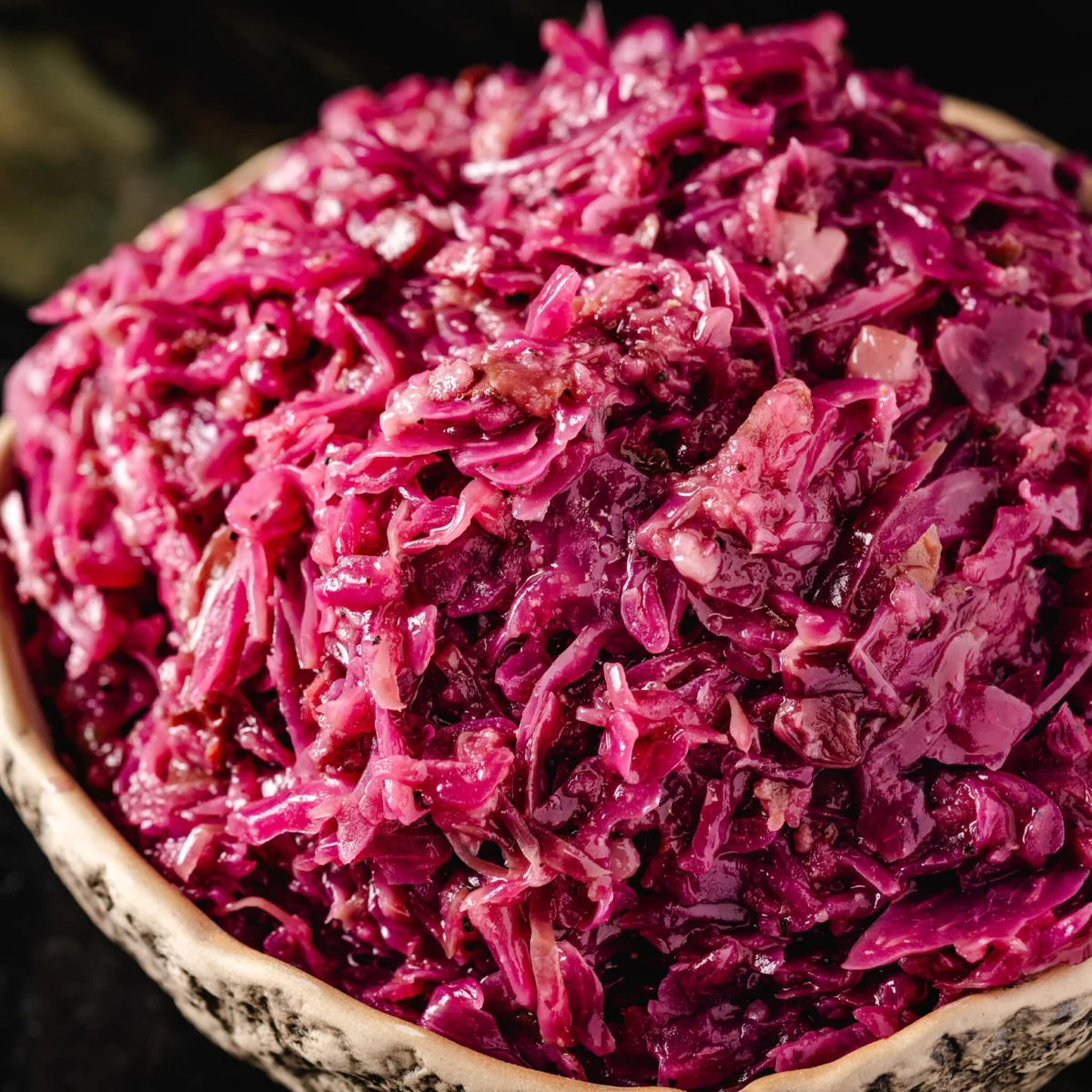
Rotkohl, a traditional German braised red cabbage dish, has emerged as a significant culinary bridge between European heritage cooking and contemporary American barbecue practices. Known for its distinct sweet, tart, and savory profile, this slow-simmered side dish—pronounced "wrote-coal"—offers a complex flavor palette that contrasts the heavy, smoky fats inherent in grilled meats such as bratwurst, schwenkbraten (German pork chops), and smoked brisket. As global culinary influences continue to permeate the American outdoor cooking scene, the inclusion of Rotkohl signifies a shift toward more diverse and balanced meal compositions in the competitive and recreational barbecue circuits.
The Gastronomic Origins and Cultural Context of Rotkohl
The history of Rotkohl is deeply rooted in the agricultural traditions of Central and Northern Europe, particularly in Germany, Austria, and Poland. Red cabbage has long been a staple in these regions due to its hardiness and ability to be stored throughout the winter months. Historically, the dish served as a vital source of Vitamin C and minerals during the colder seasons when fresh produce was scarce.

In German culinary geography, the preparation of red cabbage often dictates its name. In Northern Germany, where the dish is typically prepared with vinegar or wine to maintain a vibrant red hue, it is referred to as Rotkohl. Conversely, in Southern regions like Bavaria, where alkaline ingredients or different water compositions might shift the color toward a bluish tint, it is often called Blaukraut. The addition of acidic components—such as tart apples and red wine vinegar—is not merely for flavor but is a chemical necessity to stabilize the anthocyanins, the pigments responsible for the vegetable’s deep purple-red color. Without this acidity, the cabbage would take on an unappealing gray or blue tone during the long simmering process.
The Evolution of Barbecue Side Dishes
The integration of Rotkohl into the American barbecue repertoire, as highlighted by culinary experts like Susie Bulloch of "Hey Grill Hey," reflects a broader evolution in the industry. Traditionally, American BBQ sides were limited to coleslaw, potato salad, and baked beans. However, the modern "Pitmaster" era—fueled by television programming such as Food Network’s Pitmasters—has introduced a demand for sophisticated accompaniments that provide "acidic relief."
Acidic relief is a culinary term used to describe the use of vinegar or citrus-based dishes to cut through the richness of high-fat meats. Rotkohl, with its combination of red wine vinegar and tart apples, serves this purpose effectively. The inclusion of bacon grease as a cooking fat further bridges the gap between German tradition and American soul food, creating a flavor profile that is both exotic and familiar to the domestic palate.

Technical Analysis of the Simmering Process
The preparation of Rotkohl is a study in low-and-slow culinary technique, mirroring the philosophy of barbecue itself. The process begins with the rendering of fat—traditionally bacon grease—which provides a smoky, salty base. The addition of aromatics, specifically yellow onions and tart apples (such as Granny Smith), introduces layers of natural sugars and acidity.
The chronology of the cooking process is critical to achieving the desired "jammy" texture. Unlike a standard slaw, which relies on the crunch of raw vegetable matter, Rotkohl requires a prolonged simmering period, typically lasting approximately two hours.
- Initial Sauté: The onions and apples are softened in the fat to release their essential oils and sugars.
- Cabbage Integration: Shredded red cabbage is added, requiring immediate toss-coating in the acidic liquids (vinegar and fruit juices) to preserve its color.
- Flavor Fortification: Ingredients such as lingonberry jam provide a nuanced sweetness that is more complex than refined sugar, while cloves offer a warming spice note that characterizes European holiday cooking.
- The Simmer: The mixture is covered and kept at a low heat. This stage allows the tough cellular structure of the red cabbage to break down, absorbing the surrounding liquids until the texture transitions from crisp to tender.
According to culinary data, the transition from a "bitey" vegetable to a soft condiment occurs as the pectin in the cabbage cell walls dissolves. Maintaining low heat is essential; high temperatures can lead to the scorching of the sugars in the jam and apples, resulting in a bitter aftertaste.

Nutritional Profile and Health Implications
While Rotkohl is often viewed as a comfort food, its nutritional density is significant. Red cabbage is a member of the cruciferous vegetable family, which is widely studied for its health-promoting properties. Based on standard serving sizes, the nutritional breakdown of a typical Rotkohl preparation includes:
- Calories: 156 kcal per serving
- Carbohydrates: 30g (with 6g of dietary fiber)
- Vitamin C: 86mg (approximately 143% of the daily recommended intake)
- Vitamin A: 1728 IU
- Potassium: 480mg
The high Vitamin C content is particularly noteworthy, as it remains relatively stable when cooked in an acidic environment. Furthermore, the anthocyanins that provide the cabbage its color are powerful antioxidants associated with anti-inflammatory benefits. For the modern consumer, the addition of Rotkohl to a heavy meat meal adds a significant portion of daily fiber and essential vitamins, somewhat offsetting the caloric density of the proteins.
The "Pitmaster" Influence and Media Impact
The popularization of specific recipes like Rotkohl in the United States can be traced back to the influence of barbecue personalities and media appearances. Susie Bulloch, the founder of the "Hey Grill Hey" platform, has been a central figure in this movement. Her participation in high-stakes culinary competitions, such as Food Network’s Pitmasters, has provided a platform for showcasing how traditional international recipes can be adapted for the grill.

In Pitmasters Episode 7, the collaboration between Bulloch and Christie Vanover of "Girls Can Grill" showcased the versatility of these flavors under pressure. The media’s focus on these "secondary" dishes has encouraged home cooks to move beyond the grill grate and consider the entire plate’s composition. Industry analysts suggest that the "Hey Grill Hey" model—which combines digital accessibility via apps and social media with traditional television appearances—has fundamentally changed how American families approach weekend meal preparation.
Market Trends: The Rise of Global BBQ
The inclusion of German-inspired sides like Rotkohl is part of a larger trend identified by market researchers as "Global BBQ." This trend involves the fusion of traditional American smoking techniques with international flavor profiles. Data from the Hearth, Patio & Barbecue Association (HPBA) indicates that a growing percentage of grill owners are experimenting with international cuisines, with European and Asian influences leading the way.
The demand for ingredients like lingonberry jam and red cabbage has seen a localized uptick in regions with strong barbecue cultures, suggesting that consumers are increasingly seeking out authentic ingredients to replicate the results of professional pitmasters. This shift has also impacted the condiment market, as more consumers look for sweet-and-savory alternatives to standard tomato-based barbecue sauces.

Broader Impact on the Culinary Landscape
The resurgence of Rotkohl in the context of American barbecue represents a successful "re-homing" of a traditional dish. It demonstrates the fluidity of modern gastronomy, where a centuries-old German staple can find a new home alongside Texas brisket or Carolina pulled pork.
The implications of this trend are twofold. First, it preserves cultural heritage by introducing traditional recipes to new generations and demographics. Second, it elevates the standard of outdoor cooking from a simple utilitarian task to a sophisticated culinary art form. By focusing on the balance of texture, acidity, and sweetness, pitmasters are educating the public on the complexities of flavor science.
As the barbecue season continues to expand year-round, the role of hearty, simmered sides like Rotkohl is expected to grow. Its ability to be prepared in large batches, its long shelf life in the refrigerator, and its improving flavor profile over time make it an ideal candidate for both large-scale catering and family gatherings. In the final analysis, Rotkohl is more than a side dish; it is a testament to the enduring appeal of slow-cooked food and the global interconnectedness of modern culinary practices.
