

The Finnish Long Drink, known domestically as "lonkero," has evolved from a temporary logistical solution for the 1952 Summer Olympics into a cornerstone of Finnish beverage culture and a burgeoning contender in the global ready-to-drink (RTD) alcohol market. Originally conceived to alleviate the pressure on bartenders during Helsinki’s first post-war international event, the blend of gin and grapefruit soda has transcended its utilitarian origins. Today, the beverage is undergoing a significant international expansion, transitioning from a Nordic specialty to a sought-after product in European, Asian, and North American markets.
The Historical Genesis: The 1952 Helsinki Olympics
The history of the Finnish Long Drink is inextricably linked to the 1952 Summer Olympics in Helsinki. At the time, Finland was still recovering from the economic and social aftereffects of World War II. The nation’s alcohol distribution was—and remains—tightly regulated by the state-owned monopoly, Alko. Faced with an influx of international tourists and a limited number of trained service staff, the Finnish government commissioned the beverage company Hartwall to create a pre-mixed drink that could be served quickly and efficiently.
The 1952 Games were a turning point for Finland, marking its reintegration into the global community. While the games are historically noted for being the first since 1912 to exclude art competitions from the medal standings—a move that prevented local literary figures like Aale Tynni from defending previous accolades—the introduction of the Long Drink provided a different kind of cultural legacy. Hartwall’s concoction of gin and grapefruit soda was intended to be a seasonal product, but its popularity among locals led to its permanent inclusion in the Finnish market.
Chronology of Market Evolution and Revival
Following its debut, the Long Drink became a staple of Finnish social life, particularly in the unique environment of the Finnish sauna and the casual dining scene. However, the product faced a period of uncertainty in the 1970s. As consumer tastes shifted toward beer and wine, the original canned gin-and-grapefruit mixture was briefly discontinued.
The hiatus was short-lived. Driven by a wave of consumer nostalgia and a persistent demand for the specific flavor profile of the 1952 original, Hartwall reintroduced the product. This revival solidified the Long Drink’s status as a national icon. By the late 20th century, "lonkero" had become a genericized trademark in Finland, leading other manufacturers to produce their own variations, including fermented versions and different fruit-flavored iterations. Despite this competition, the original gin-based recipe remained the industry benchmark.
International Expansion and Global Reach
For decades, the Finnish Long Drink remained a localized phenomenon, a "hidden gem" discovered by tourists and remembered through travelogues. This isolation began to dissolve in the mid-2010s as Hartwall and other Finnish producers recognized the global potential of the RTD category.
In 2015, Hartwall initiated a strategic expansion into Western Europe, signing distribution agreements to place the beverage on shelves in the Netherlands, Sweden, and Belgium. The following year, the company pivoted toward the Asian market, launching in Japan, where the high demand for "chu-hi" (canned shochu cocktails) provided a receptive audience for a premium gin-based alternative.
The drink’s expansion has been bolstered by a grassroots cult following. In the United Kingdom, specifically in coastal hubs like Brighton, the presence of the Finnish Long Drink has become a primary draw for niche bars catering to expatriates and enthusiasts of "quirky" international spirits. This international momentum eventually reached North America, where several brands—both Finnish exports and domestic startups—have begun marketing "Finnish-style" long drinks to capitalize on the booming canned cocktail trend.
Technical Profile: The Chemistry of the Long Drink
The traditional Finnish Long Drink typically maintains an alcohol by volume (ABV) of between 5% and 8%. The flavor profile is characterized by a sophisticated balance of acidity, sweetness, and botanical depth.
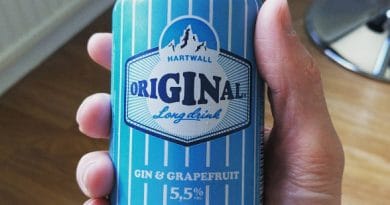
- Hartwall Original: This version is noted for a nose dominated by white grapefruit flesh. Unlike many contemporary RTD cocktails, it is characterized by a restrained sweetness. The palate features acidic grapefruit notes that transition into a mid-palate of crisp juniper and citrus. The finish is dry and clean, mimicking the refreshing qualities of a high-quality Gin and Tonic without the bitterness of quinine.
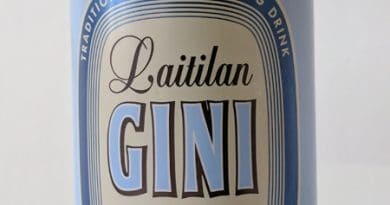
- Laitilan Gini: A prominent competitor in the Finnish market, Laitilan’s version offers a different sensory experience. It utilizes a profile closer to ruby red grapefruit, resulting in a fruitier, more "soda-forward" nose. Analysts note that while the grapefruit flavor is robust, the juniper notes of the gin are often less pronounced than in the Hartwall original, appealing to consumers who prefer a softer alcohol presence.
The Challenge of Domestic Replication
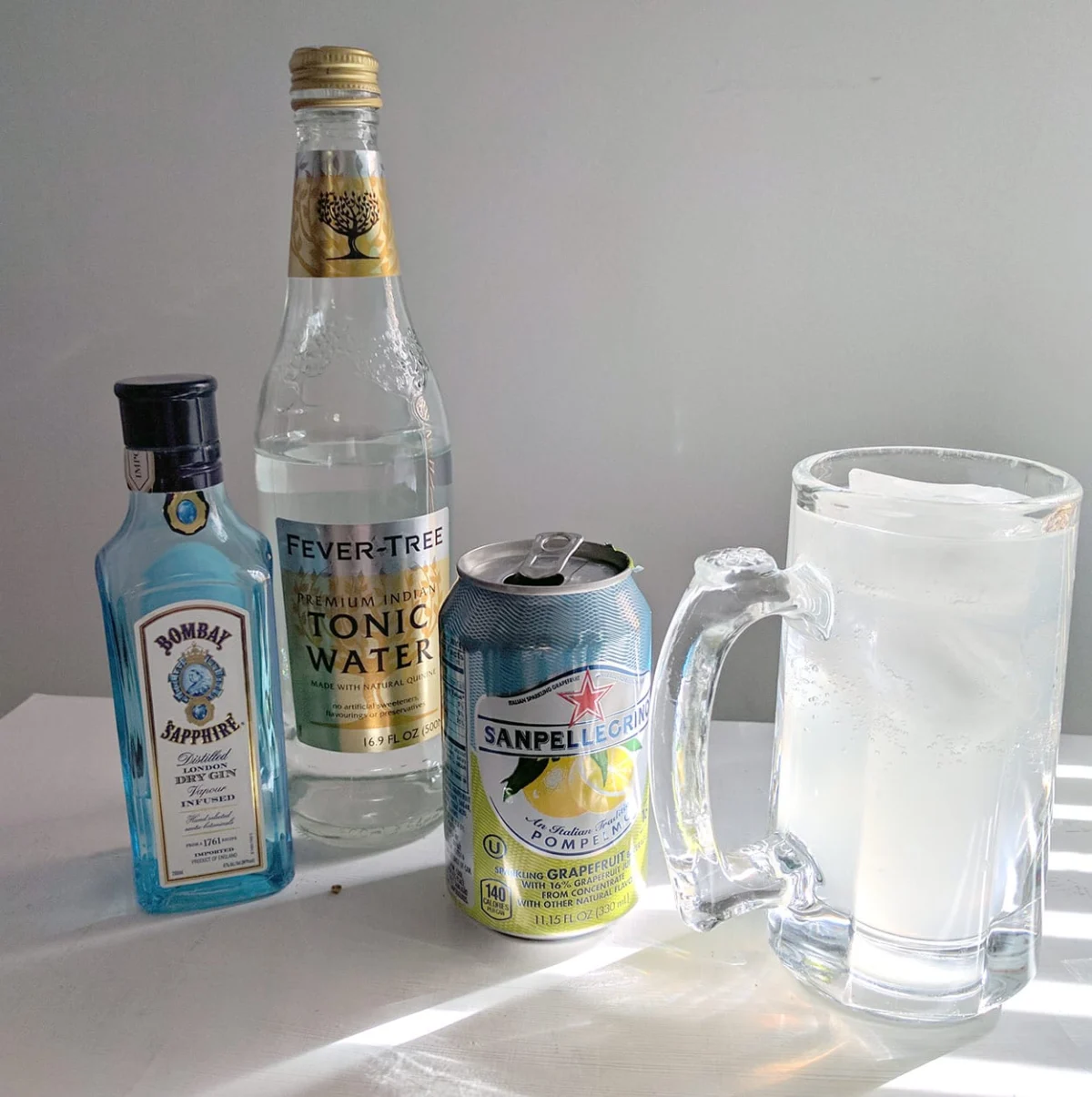
The difficulty of finding authentic Finnish Long Drinks in certain international markets has led to a surge in DIY (Do-It-Yourself) replication attempts among cocktail enthusiasts. However, the specific "lonkero" flavor has proven difficult to mimic using standard grocery store ingredients.
Technical analysis of replication attempts reveals several key findings:
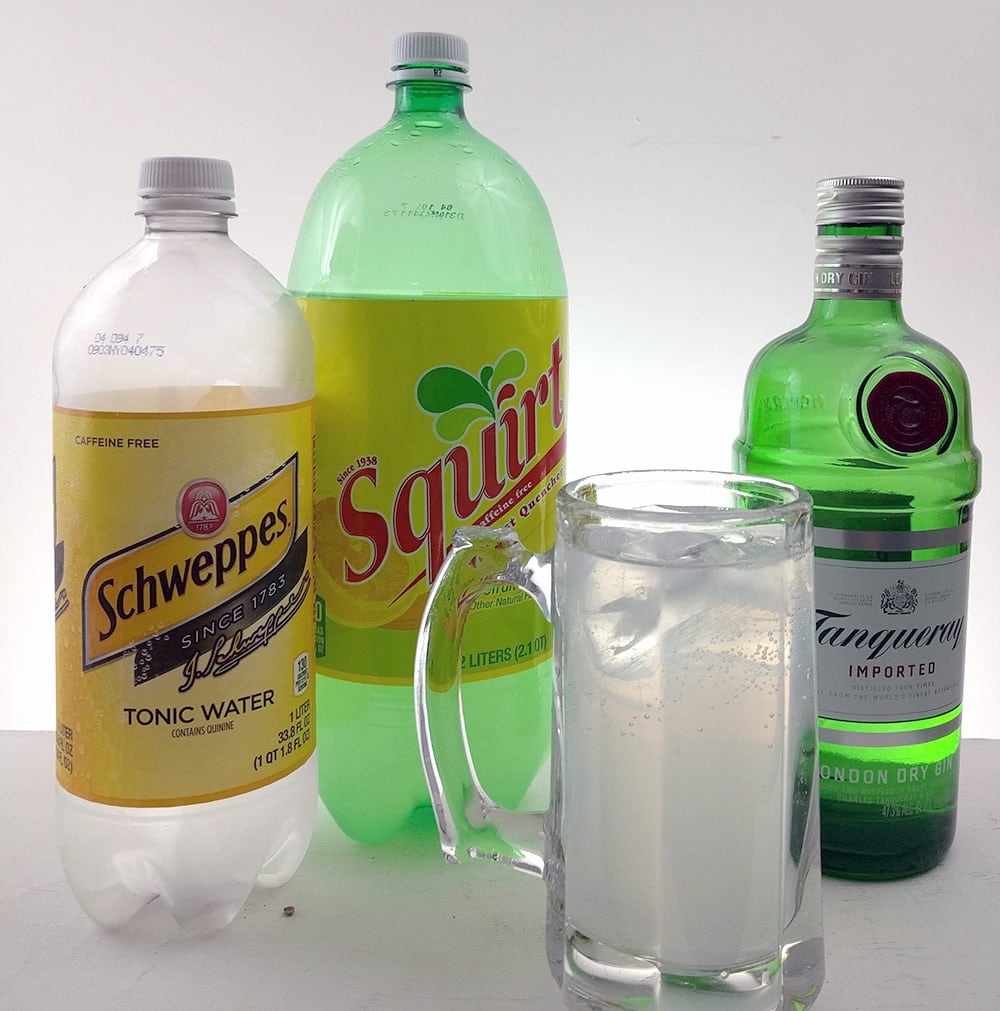
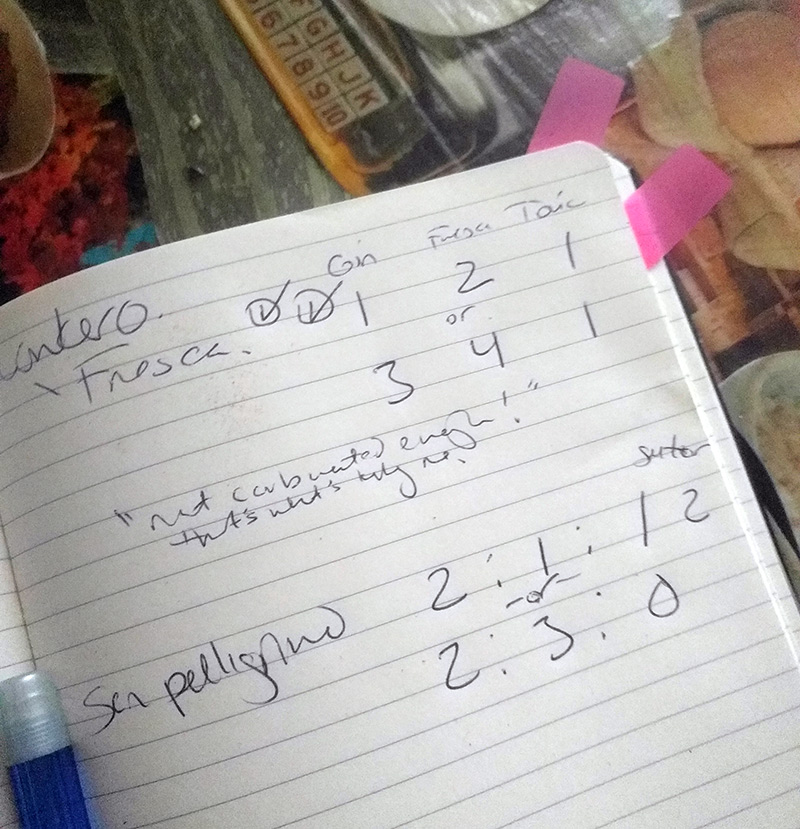
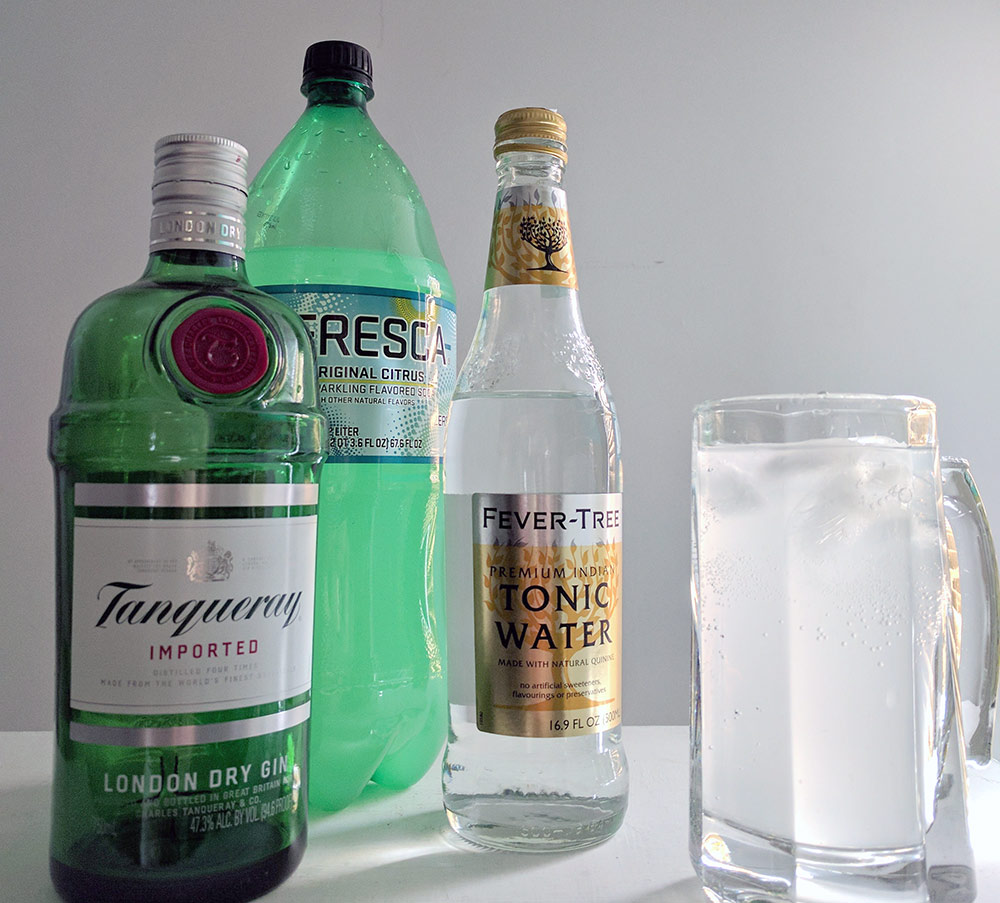
- Grapefruit Soda Variations: Using high-sugar sodas like Squirt often results in a beverage that is overly sweet and lacks the crispness of the original. Conversely, zero-calorie options like Fresca have been noted by tasting panels to come significantly closer to the dry, citrus-heavy profile of the canned Finnish product.
- The "Grape Tonic" Factor: In Finland, a specific mixer known as "Grape Tonic" is used. This product is virtually non-existent in North American and many European markets. It provides a unique bridge between the acidity of fruit and the bitterness of tonic water that standard grapefruit sodas cannot replicate.
- Fresh Ingredients vs. Commercial Sodas: While using fresh-squeezed white grapefruit and lemon juice with simple syrup and gin produces a high-quality cocktail, it often fails to capture the specific "metallic-crisp" nostalgia of the original Olympic drink. The "lonkero" experience is inherently tied to the carbonation levels and specific citric acid ratios found in Finnish commercial mixers.
Market Analysis and the RTD Revolution
The rise of the Finnish Long Drink coincides with a massive shift in global alcohol consumption patterns. The Ready-to-Drink (RTD) sector has seen double-digit growth annually since 2018. Consumers are increasingly moving away from malt-based hard seltzers toward spirit-based canned cocktails that offer more complex flavor profiles and perceived premium ingredients.
Industry analysts suggest that the Finnish Long Drink is uniquely positioned to capitalize on this trend for several reasons:
- Heritage and Authenticity: Unlike many modern RTD brands created in marketing boardrooms, the Long Drink has a 70-year history and a genuine connection to a major historical event.
- Versatility: The flavor profile appeals to both gin drinkers and those who prefer light, refreshing beverages, making it a viable alternative to beer in social settings.
- Cultural Export: As "Nordic Noir" and Scandinavian lifestyle concepts like hygge and lagom have gained global popularity, Finnish culinary and beverage exports have benefited from a halo effect of "cool, clean, and authentic" branding.
Official Responses and Economic Impact
Hartwall and other Finnish exporters have emphasized that the Long Drink is more than just a beverage; it is a component of Finland’s national identity. In statements regarding their international expansion, Hartwall representatives have highlighted the importance of maintaining the integrity of the 1952 recipe while adapting packaging and marketing for diverse global audiences.
The economic impact of this expansion is significant for the Finnish beverage industry. By diversifying away from a domestic market of only 5.5 million people, Finnish producers are tapping into billion-dollar markets in the U.S. and Asia. This has led to increased investment in production facilities within Finland and a boost in the export of Finnish gin, which has also been winning international awards for its quality and use of local botanicals like sea buckthorn and lingonberry.
Broader Implications for the Spirits Industry
The success of the Finnish Long Drink serves as a case study in how regional traditions can become global trends through a combination of historical storytelling and timely market entry. It also highlights a growing consumer preference for "sessionable" drinks—beverages that are low enough in alcohol to be consumed over a long period but high enough in quality to satisfy a sophisticated palate.
As the Finnish Long Drink continues its march across continents, it remains a symbol of 1952 Helsinki: a drink born of necessity, refined by tradition, and now celebrated by a global audience. Whether enjoyed in a traditional Finnish sauna or a trendy bar in Manhattan, the "lonkero" has secured its place in the permanent canon of international spirits. For the global consumer, it offers a taste of Finnish history in a convenient, carbonated format, proving that some Olympic legacies are measured not in gold medals, but in liters and cans.
