

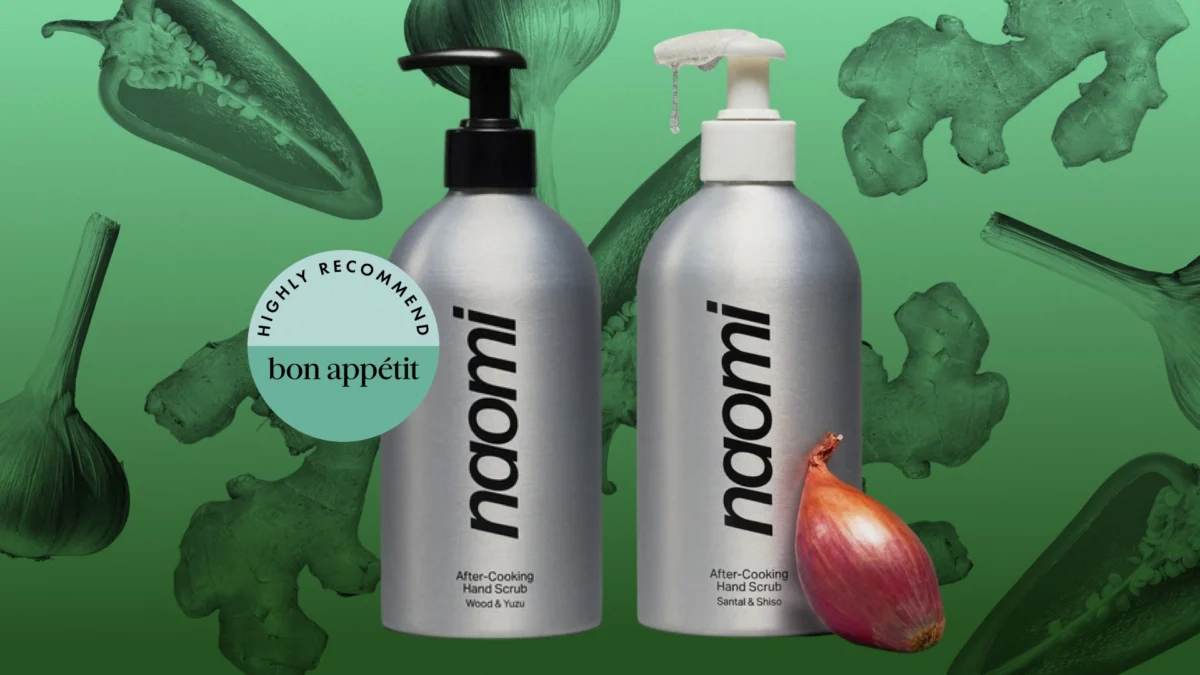
A new specialized hand care product, the Naomi After-Cooking Hand Scrub, is quickly gaining traction among home cooks and culinary enthusiasts, offering a sophisticated solution to a long-standing kitchen dilemma: persistent food odors. Developed to effectively neutralize the stubborn scents of ingredients like garlic and onions while simultaneously providing a luxurious skincare experience, the product signifies a growing trend in the premiumization of everyday household essentials. Its innovative formulation, combining enzymatic odor neutralization with exfoliating and moisturizing properties, positions it as a significant entrant in the burgeoning market for specialized personal care products designed for specific domestic environments.
The Genesis of a Specialized Solution
The concept for the Naomi After-Cooking Hand Scrub originated from a common household frustration. The brand’s founder, an avid home cook, was reportedly inspired by his girlfriend’s persistent complaints about the lingering scent of alliums on his hands after preparing meals. This personal anecdote highlights a universal challenge faced by many who enjoy cooking from scratch but struggle with the residual aromas that traditional hand soaps often fail to eliminate. Recognizing this unmet need, and sharing a personal appreciation for high-quality hand care products, the founder embarked on a mission to create a solution that would not compromise on efficacy or sensory appeal. The result is a product that aims to bridge the gap between industrial-strength odor removers and aesthetically pleasing, skin-friendly luxury soaps, thereby elevating the often-mundane act of hand washing in the kitchen into a moment of intentional self-care.
Scientific Innovation in Odor Neutralization
At the core of the Naomi After-Cooking Hand Scrub’s effectiveness lies its innovative scientific approach to odor neutralization. Unlike conventional soaps that merely attempt to mask unpleasant smells with strong fragrances, Naomi employs bread yeast enzymes to actively break down the odor-causing molecules. Alliums, such as garlic and onions, contain sulfur compounds like allicin, which are notoriously difficult to remove from skin. These volatile organic compounds bind to skin proteins and persist even after repeated washing with standard soaps. The enzymes in the Naomi scrub work biochemically to dismantle these sulfur compounds, converting them into odorless substances. This enzymatic action offers a more thorough and lasting elimination of kitchen odors, ensuring that hands are not just clean, but genuinely scent-neutralized.
Beyond its odor-fighting prowess, the scrub also integrates advanced skincare elements. It features finely milled volcanic rock particles, which provide gentle yet effective exfoliation. This physical exfoliation helps to remove dead skin cells and any surface residue that might harbor odors, contributing to cleaner, smoother skin. Crucially, the volcanic rock is chosen for its non-abrasive nature, ensuring that the scrubbing action does not irritate or damage the skin, even with frequent use. Complementing the exfoliation, the formula includes olive oil esters, powerful emollients known for their moisturizing properties. These esters help to replenish the skin’s natural lipid barrier, preventing dryness and leaving hands feeling soft and hydrated, a significant advantage over many harsh, purely functional kitchen soaps that can strip the skin of its natural oils. This multi-faceted approach addresses both the functional need for odor removal and the desire for a pleasant and beneficial skincare experience.
Market Trends: The Rise of "Little Luxuries" and Specialized Home Goods
The introduction and rapid adoption of products like the Naomi After-Cooking Hand Scrub are reflective of broader shifts in consumer behavior and market trends, particularly within the home and personal care sectors. The concept of "little luxuries" has gained considerable momentum, driven by a desire among consumers to enhance their daily routines and domestic environments with premium, aesthetically pleasing, and highly effective products. This trend is especially pronounced in an era where home serves as both a living and working space for many, prompting individuals to invest more in creating comfortable, functional, and enjoyable surroundings.
Data from market research firms indicate a steady growth in the luxury home goods and personal care segments. Consumers are increasingly willing to allocate discretionary income towards items that offer a perceived improvement in quality of life, sensory experience, or specialized functionality, even for seemingly mundane items like hand soap. This move away from purely utilitarian products towards those offering an elevated experience is part of a larger lifestyle shift emphasizing well-being, mindfulness, and the intentional curation of one’s personal space. The kitchen, often considered the heart of the home, has become a focal point for this trend, with consumers seeking out high-design appliances, gourmet ingredients, and now, specialized personal care items that align with their sophisticated culinary pursuits.
Moreover, the increasing popularity of home cooking, fueled by factors such as health consciousness, a desire for culinary exploration, and the lingering effects of pandemic-era lifestyle changes, has amplified the demand for kitchen-specific solutions. As more people spend time preparing meals, the practical challenges associated with cooking, including persistent food odors on hands, become more salient. The Naomi scrub directly addresses this niche, positioning itself as an essential tool for the modern home chef who values both culinary excellence and personal refinement.
Sensory Experience and Product Differentiation
A key differentiator for the Naomi After-Cooking Hand Scrub, beyond its technical efficacy, is its carefully curated sensory profile. The product is available in several fragrances, with the Bergamot, Sandalwood, and Black Pepper blend being particularly lauded. This specific combination offers a sophisticated and rich aroma that is subtle enough not to overwhelm but distinct enough to provide a luxurious olfactory experience. Bergamot contributes a fresh, citrusy top note; sandalwood provides a warm, woody depth; and black pepper adds a hint of invigorating spice. This complex fragrance is designed to complement, rather than compete with, the natural aromas of a kitchen, leaving hands with a refined, clean scent that enhances the overall atmosphere.
In a competitive market, Naomi directly challenges established luxury brands. For instance, the original article notes a preference for Naomi’s fragrance over the widely recognized Aesop’s Resurrection Hand Wash, and crucially, highlights that Naomi’s scrub is approximately half the price. This competitive pricing strategy, combined with a focus on specialized functionality, allows Naomi to capture consumers who desire luxury and efficacy without the premium cost often associated with high-end personal care. The brand also caters to a broader audience by offering a fragrance-free option, which substitutes volcanic rock with biodegradable jojoba wax for exfoliation, and a scrub-free hand wash for those who appreciate the scent but prefer a smoother texture. This range demonstrates an understanding of diverse consumer preferences and a commitment to inclusivity within the luxury market.

Expert Commentary and Industry Implications
Industry experts view the emergence of products like the Naomi After-Cooking Hand Scrub as a sign of maturity in the personal care market, indicating a move towards hyper-specialization and a greater emphasis on integrated solutions.
Dr. Anya Sharma, a dermatologist specializing in hand care, commented, "Frequent hand washing, especially after handling raw ingredients, can be very harsh on the skin. Products that combine effective cleansing with gentle exfoliation and significant moisturizing agents, like olive oil esters, are crucial. The volcanic rock in Naomi’s scrub provides physical exfoliation without the micro-tears that some harsher scrubs can cause, while the emollients ensure the skin’s barrier remains intact, reducing dryness and irritation."
A spokesperson for Naomi, who preferred to remain unnamed, articulated the brand’s vision: "We observed a clear gap in the market for a hand care product that genuinely addressed the unique challenges of the kitchen environment. Our aim was not just to clean hands, but to restore them, neutralizing stubborn odors and leaving them soft and pleasantly scented. We believe that everyday rituals, even something as simple as washing your hands after cooking, should be an enjoyable and luxurious experience."
Ms. Eleanor Vance, a retail analyst focusing on the luxury goods sector, added, "Naomi is strategically positioned within the ‘affordable luxury’ niche. They are offering a highly functional, sensory-rich product that addresses a specific pain point for discerning consumers. This kind of specialized innovation is what drives growth in mature markets, drawing consumers who are willing to trade up for tangible benefits and an enhanced lifestyle experience. The potential for this brand to expand into other kitchen-specific or home-centric personal care items is significant."
The implications for the broader market are substantial. Naomi’s success could inspire other brands to develop highly specialized solutions for various household activities, moving beyond generic personal care products. This could lead to a more diversified and innovative landscape in home hygiene, where functionality, luxury, and scientific efficacy are seamlessly integrated. Furthermore, the product’s appeal as a "dinner party host gift" underscores its role in the social economy of gifting, where thoughtful, practical, yet luxurious items are increasingly sought after.
Chronology of Innovation in Hand Hygiene
The evolution of hand hygiene products in the kitchen has seen a gradual progression from basic utilitarian soaps to sophisticated, specialized formulations. For centuries, basic lye soaps served the primary function of cleaning. The late 19th and early 20th centuries saw the mass production of bar soaps, and later, liquid hand soaps like Dial and SoftSoap, which focused on germ killing and basic cleansing. These products, while effective for general hygiene, often fell short in addressing specific issues like stubborn food odors, especially those derived from sulfur compounds in alliums.
The mid-to-late 20th century brought an increased awareness of skincare, leading to the development of soaps with added moisturizers. However, kitchen-specific needs largely remained unaddressed by the mainstream market. The early 21st century witnessed the rise of "premium" and "luxury" hand soaps, exemplified by brands like Aesop, which prioritized aesthetic design, sophisticated fragrances, and botanical ingredients. These products catered to a desire for elevated sensory experiences but often lacked the targeted odor-neutralizing power required for culinary tasks.
Naomi’s After-Cooking Hand Scrub represents a significant leap in this chronology, merging the luxury and sensory appeal of premium hand soaps with targeted, scientifically backed odor neutralization and advanced skincare. While the exact founding date of Naomi is not detailed in the original article, its recent emergence highlights a contemporary response to evolving consumer demands for products that are not only effective but also enhance daily rituals with a touch of luxury and specialized care. This product marks a pivotal point where efficacy meets elegance in the realm of kitchen hand hygiene.
Future Outlook and Broader Impact
The success of Naomi’s After-Cooking Hand Scrub suggests a promising future for highly specialized personal care items within the domestic sphere. The brand’s ability to effectively solve a common culinary problem while simultaneously delivering a premium, sensory-rich experience positions it well for continued growth. There is potential for Naomi to expand its product line to address other niche household needs, perhaps developing specialized cleaning products for different cooking tasks or extending its luxury hand care philosophy to other parts of the home.
The broader impact of such innovations could reshape consumer expectations, pushing manufacturers to invest more in research and development for targeted solutions rather than relying on one-size-fits-all products. This could foster a more dynamic and consumer-centric market, where product development is driven by specific pain points and a desire to elevate everyday experiences. As consumers continue to seek comfort, functionality, and moments of indulgence within their homes, brands like Naomi are poised to lead the charge in defining the next generation of essential household luxuries. The After-Cooking Hand Scrub is not merely a soap; it is a testament to the evolving understanding of domestic well-being and the increasing demand for products that truly enrich daily life.
