

The vibrant culinary landscape of Southern California has welcomed a new destination for specialty coffee enthusiasts, particularly those with an appreciation for the rich heritage and diverse flavors of Mexico. Casa Libre, a newly opened coffee shop and roastery, has established its roots within the expansive Mercado González, a 70,000-square-foot food hall and supermarket located in Costa Mesa, California. This strategic placement signifies a deliberate effort to integrate high-quality Mexican coffee into a broader celebration of Mexican food and culture.
Launched on September 24th, Casa Libre is strategically positioned among the bustling food stalls, traditional tortillerias, bakeries, restaurants, and fresh produce displays that define Mercado González. Occupying a compact yet impactful 500 square feet, the space is notably distinguished by its 200-square-foot onsite roastery, a testament to the brand’s commitment to freshness and quality control. The founders have ambitious plans for expansion, with three additional Casa Libre locations slated to open across Southern California in the near future, signaling a significant investment and belief in the market’s potential for specialty Mexican coffee.
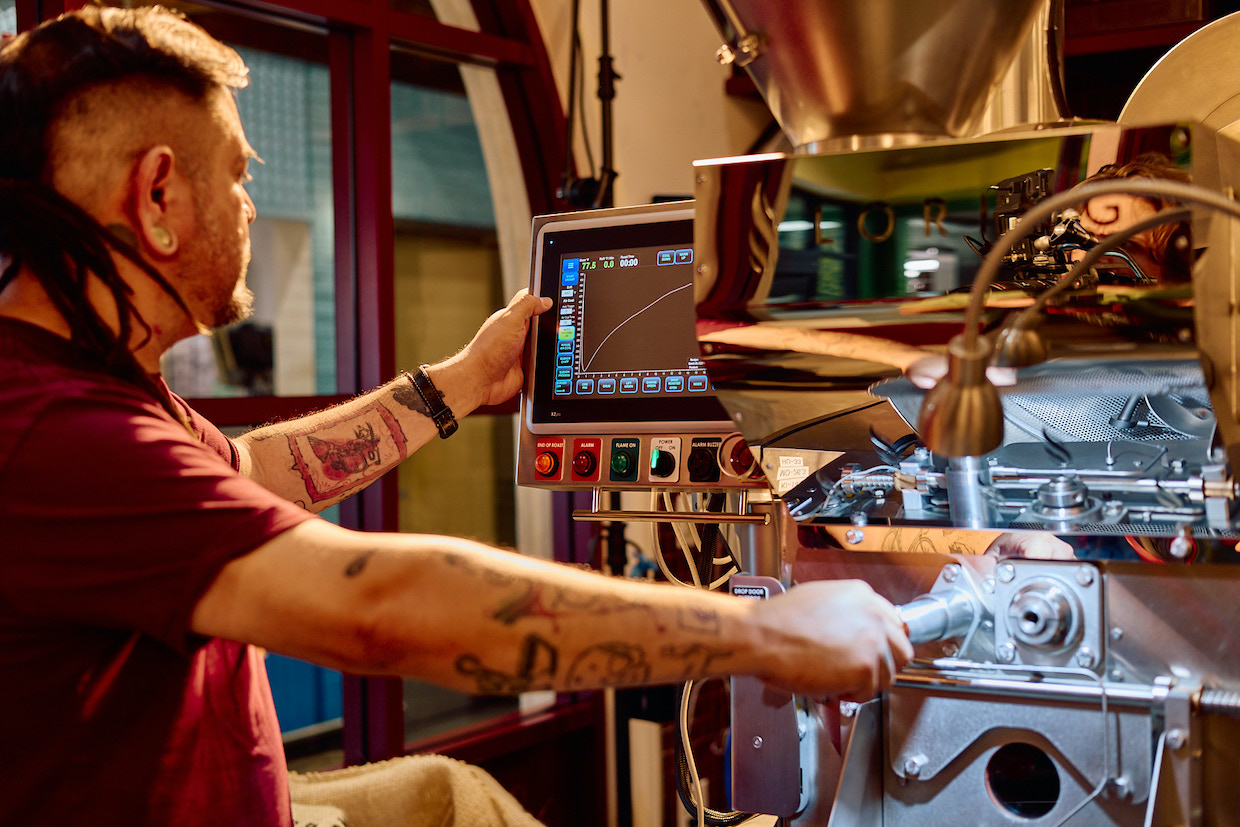
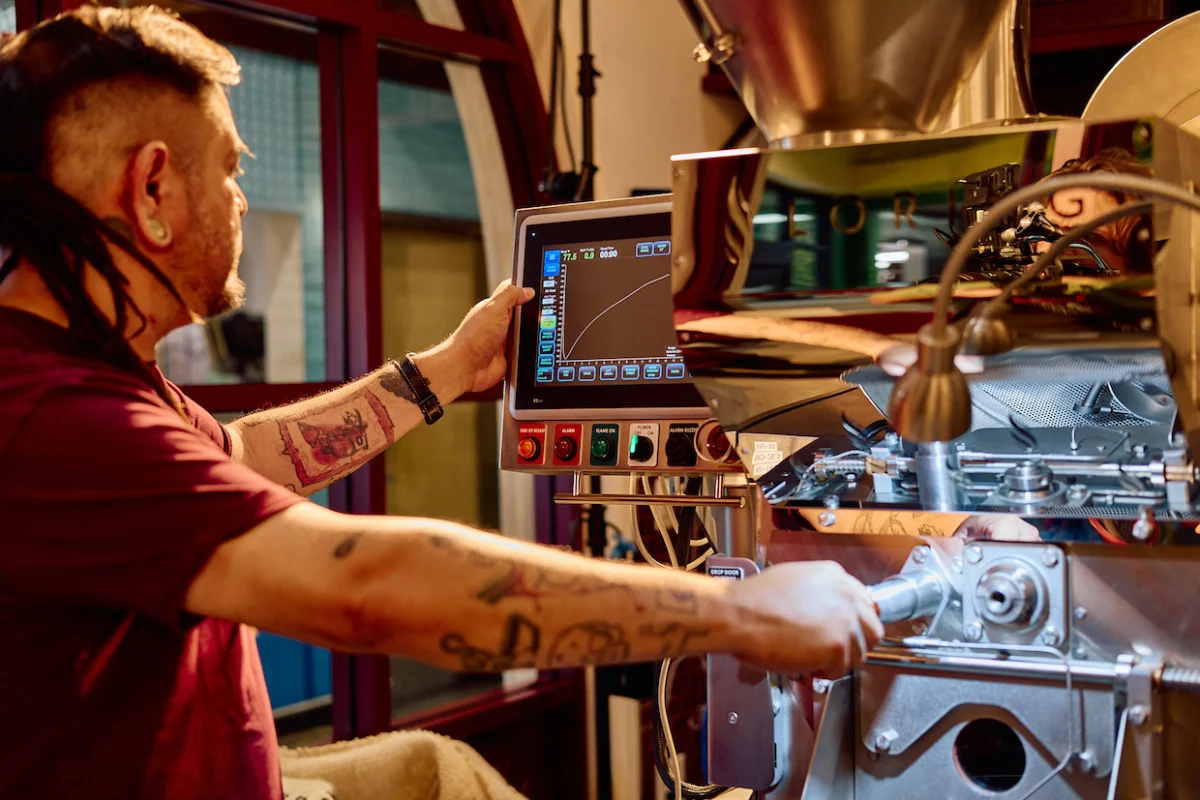
A central feature of Casa Libre’s operation is the visible roasting process. Customers can witness Director of Coffee and Head Roaster Steve Cuevas, a highly decorated professional in the coffee industry, meticulously transform exclusively Mexican-grown green coffees. Cuevas utilizes a Loring S15 Falcon roaster, a state-of-the-art machine known for its precision and efficiency. The sourcing of these green beans is managed through Covoya, a reputable coffee importer, and Casa Libre has launched with an initial offering of two distinct coffees from Chiapas and one from Veracruz, showcasing the regional diversity of Mexican coffee production.
One of the standout offerings is a coffee sourced from El Cielo in Villa Corzo, Chiapas, grown by Doña Douglas Molina and her family. This particular selection is part of Covoya’s Café Delas program, an initiative dedicated to supporting and uplifting businesses led by women in the coffee-producing sector. This partnership highlights Casa Libre’s commitment not only to quality but also to ethical sourcing and social impact, adding a layer of narrative and purpose to each cup.
Steve Cuevas articulated the philosophy behind Casa Libre’s sourcing strategy, stating, "Casa Libre looks for quality and consistency, but also coffees that demonstrate the diversity of Mexico’s growing regions rather than conforming to a single flavor profile. The team prioritizes distinctive coffees from producers they can identify and stand behind." This approach underscores a dedication to showcasing the nuanced and varied terroirs of Mexico, moving beyond a monolithic perception of its coffee output.
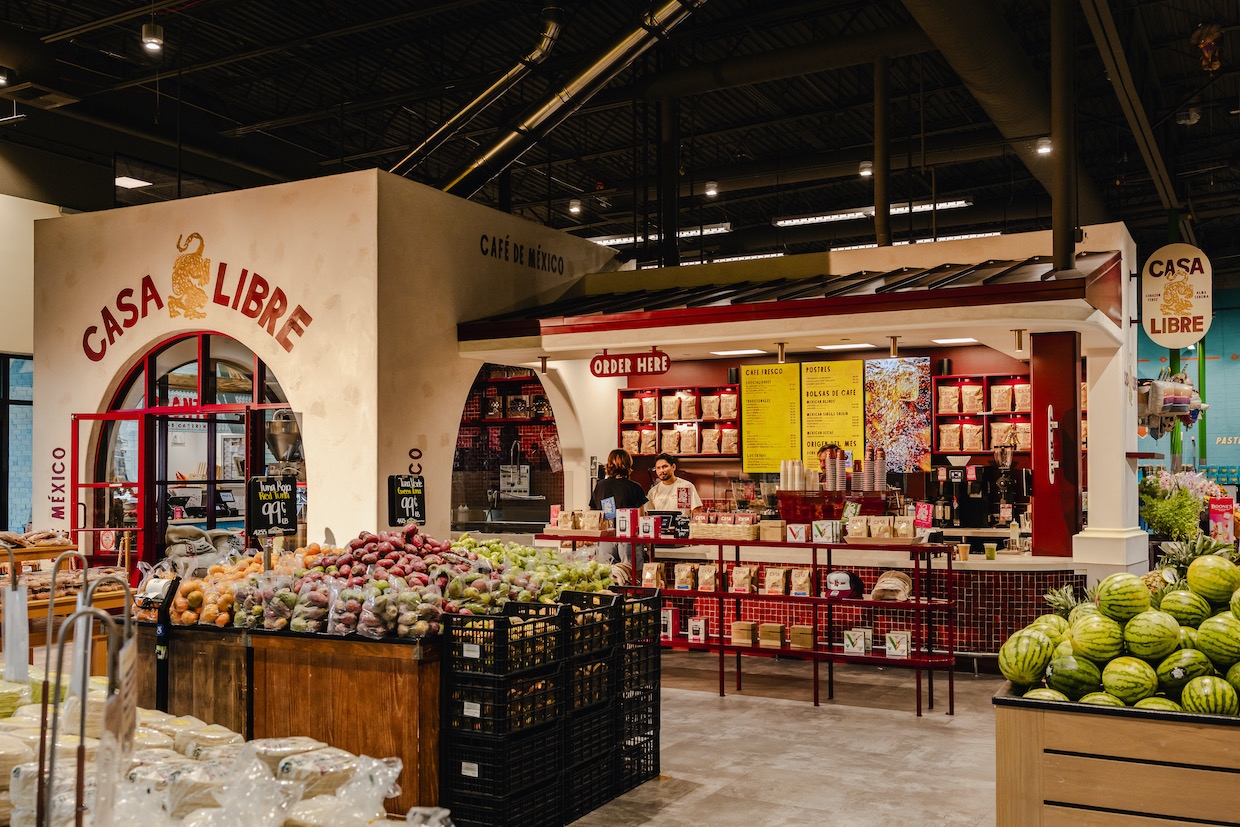
The physical design of the Casa Libre space itself is a carefully curated experience. The roasting operation is housed within a structure that evokes the architectural style of haciendas, complete with arched openings. Inside, metal shelving displays retail bags of freshly roasted coffee, while the espresso bar is fronted with warm, burgundy tiles. The ambiance is further enhanced by strategically placed gold-accent lighting and pendant spotlights, creating an inviting and homey atmosphere that complements the "mi casa es tu casa" (my house is your house) motto that underpins the brand’s identity.
Co-Founder Natalie Taormina elaborated on the design vision: "Our vision was to create a space that felt both elevated and welcoming… a space that feels inviting and familiar, yet intentionally designed to showcase the quality, culture and experience behind specialty Mexican coffee within a mercado." This dual focus on comfort and education is crucial in positioning specialty coffee within a bustling marketplace environment.
The genesis of Casa Libre is a collaboration between Taormina and co-founder Jeremy Creighton, and members of the González family, the proprietors of the Northgate Market chain. Leveraging their combined expertise in specialty coffee, branding, and retail operations, the partnership aims to bridge the gap between Mexican coffee producers and American consumers. Taormina, who grew up in Orange County, and Creighton, originally from Melbourne, Australia, bring a wealth of experience to the venture. Previously, they were instrumental in co-founding Long Beach-based Common Room Roasters and played a key role in the U.S. operations of the Melbourne-based branding agency Passport Brand Design. Following this, they launched another successful coffee venture, Freelance Coffee Project, a single-origin focused roastery cafe affiliated with their branding agency in Newport Beach.
This combined experience in both the technical aspects of coffee and the strategic elements of brand building has been pivotal in shaping Casa Libre’s identity. The collaboration with the González family, who have deep roots in the grocery and hospitality sectors, provides a unique synergy, allowing Casa Libre to seamlessly integrate into the vibrant ecosystem of Mercado González.
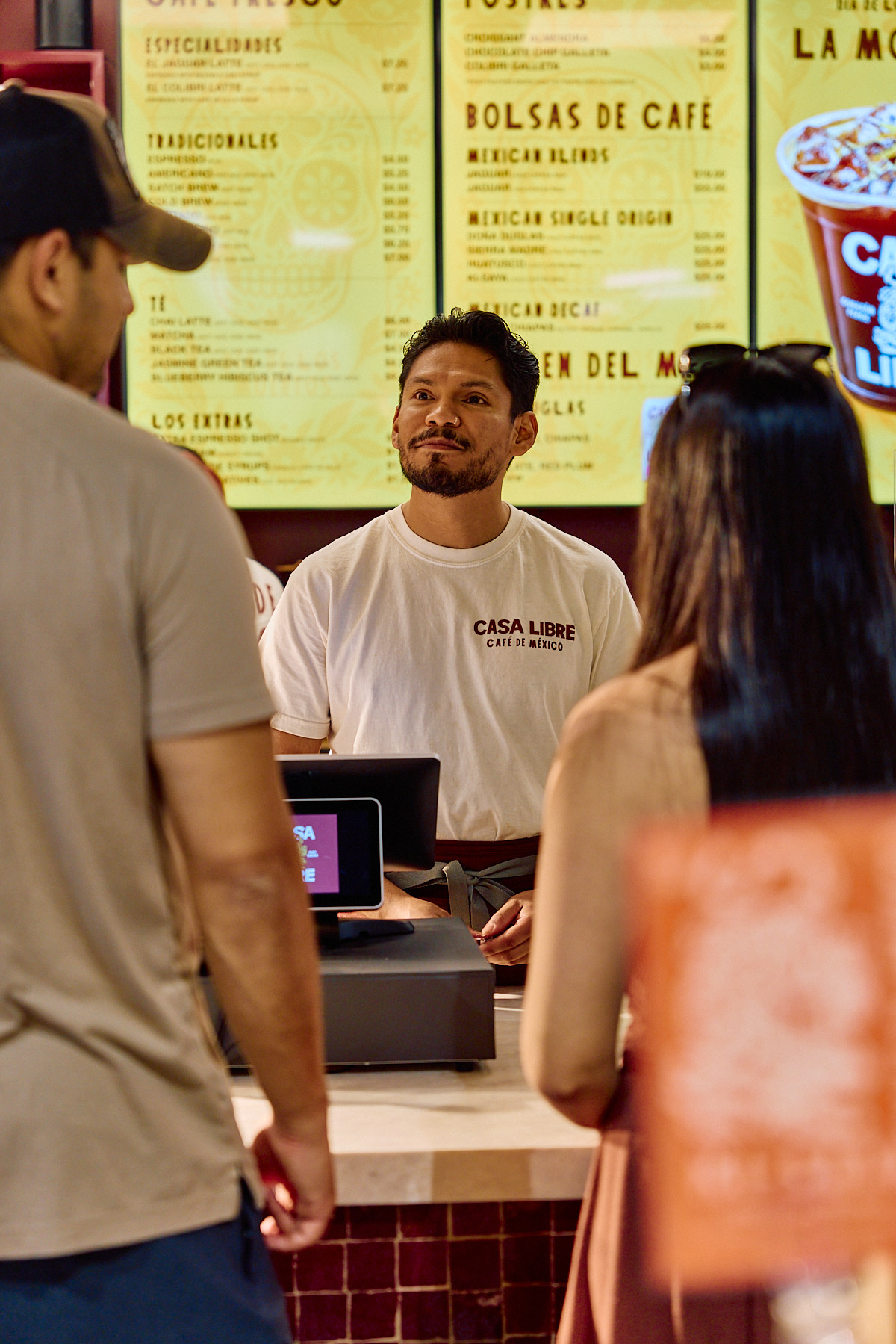
The operational heart of the coffee bar features a three-group La Marzocco Linea PB espresso machine, a benchmark in professional espresso preparation. This is complemented by Mahlkönig E80 and EK43 grinders, ensuring precision in coffee grinding for optimal extraction.
To further highlight the distinct flavors of Mexican coffee, Casa Libre has developed signature drinks that incorporate traditional Mexican ingredients. Among these are the El Jaguar latte, infused with corn, cacao, and chile syrup, and the El Colibrí, featuring a cafè de olla syrup. These creative concoctions not only offer unique taste experiences but also serve as an accessible entry point for consumers to explore the rich culinary heritage of Mexico through coffee.
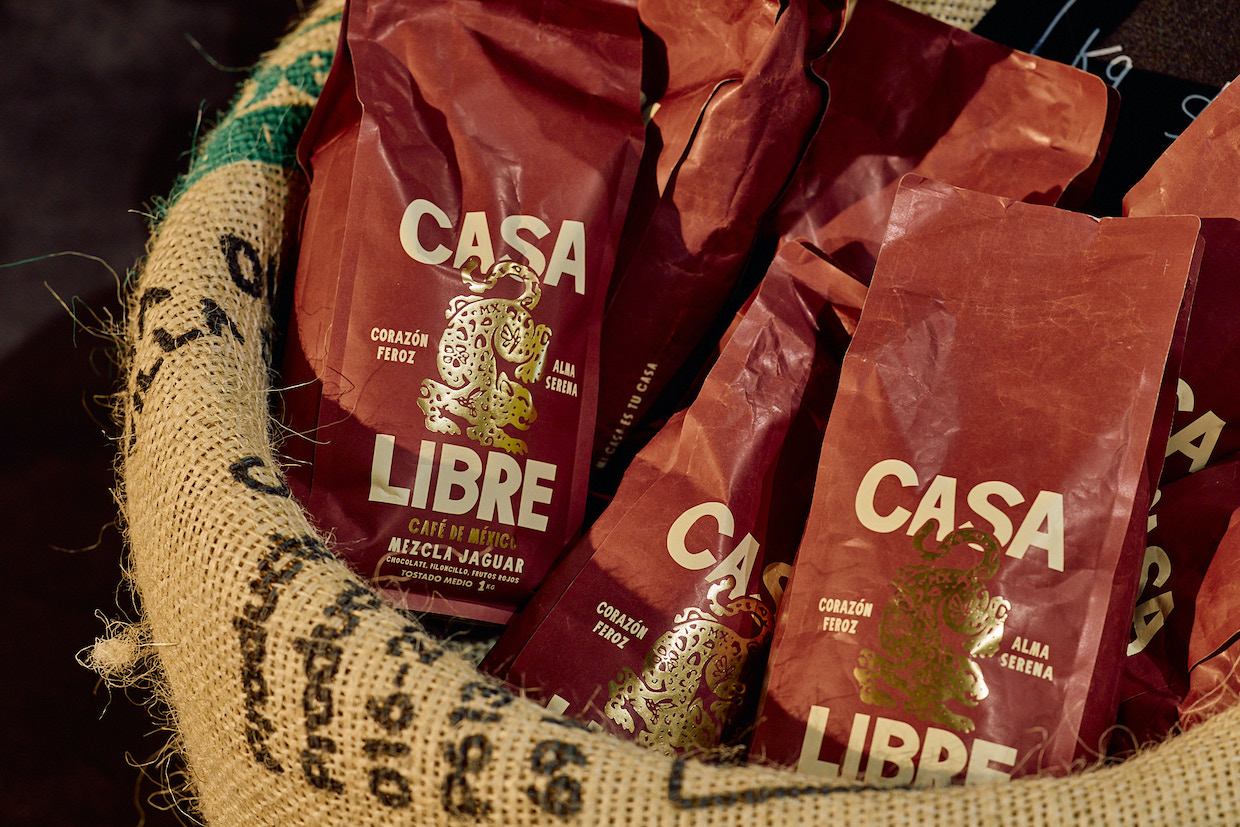
The onsite roastery at the Costa Mesa location currently serves as the primary supplier for the cafe and its burgeoning online shop. The strategic intent is to expand the availability of whole-bean coffee sales directly into the grocery aisles of Mercado González, further embedding Casa Libre within the larger retail environment. This integrated approach aims to capture impulse buys and provide customers with the opportunity to enjoy Casa Libre coffee at home, reinforcing the brand’s presence beyond the immediate cafe counter.
Taormina further emphasized the collaborative spirit and overarching mission: "Casa Libre was created by bringing together the González family’s experience in grocery and hospitality with our experience in coffee and brand building. Casa Libre grew from that relationship and a shared belief that the quality, diversity and regionality of Mexican coffee deserved greater attention within the U.S. specialty coffee conversation." This statement underscores a commitment to elevating Mexican coffee on the national stage, positioning it as a significant player in the specialty coffee market.
The Costa Mesa roastery is designed to be the operational hub for Casa Libre’s planned growth. The expansion strategy includes the opening of another Casa Libre cafe in Stanton later this fall. Looking ahead to 2027, further locations are slated for Bellflower and Inglewood, indicating a robust expansion plan that will significantly increase the brand’s footprint across Southern California. This phased rollout suggests a well-thought-out strategy to test and refine operations before entering new markets.
The journey of Casa Libre from concept to reality represents a significant development in the specialty coffee scene, particularly for Mexican-origin coffees. By embedding itself within a popular and culturally rich marketplace, Casa Libre is not only providing a platform for high-quality coffee but also fostering a deeper connection between consumers and the origins of their daily brew. The success of this model could pave the way for similar ventures that champion specific regional coffee traditions within diverse community hubs. The implications extend beyond just coffee sales; it’s about cultural exchange, economic empowerment for producers, and the enrichment of the consumer’s sensory experience.
The initial offerings from Chiapas and Veracruz are just the beginning, with the potential for Casa Libre to explore and introduce coffees from other significant Mexican growing regions like Oaxaca, Puebla, and Jalisco as its sourcing network matures. The emphasis on distinct regional profiles, as highlighted by Cuevas, suggests a commitment to diversity that could lead to a dynamic and evolving menu, keeping customers engaged and curious about the vast possibilities within Mexican coffee cultivation.
The partnership between established coffee professionals and a family with deep retail expertise provides a strong foundation for Casa Libre. This blend of industry knowledge and market access is a powerful combination, enabling the brand to navigate the complexities of both specialty coffee production and consumer engagement effectively. The meticulous attention to detail, from the sourcing of beans to the ambiance of the cafe, suggests a long-term vision focused on building a sustainable and influential brand within the specialty coffee sector. As Casa Libre expands, its impact on the perception and appreciation of Mexican coffee in the United States is poised to grow significantly.
