

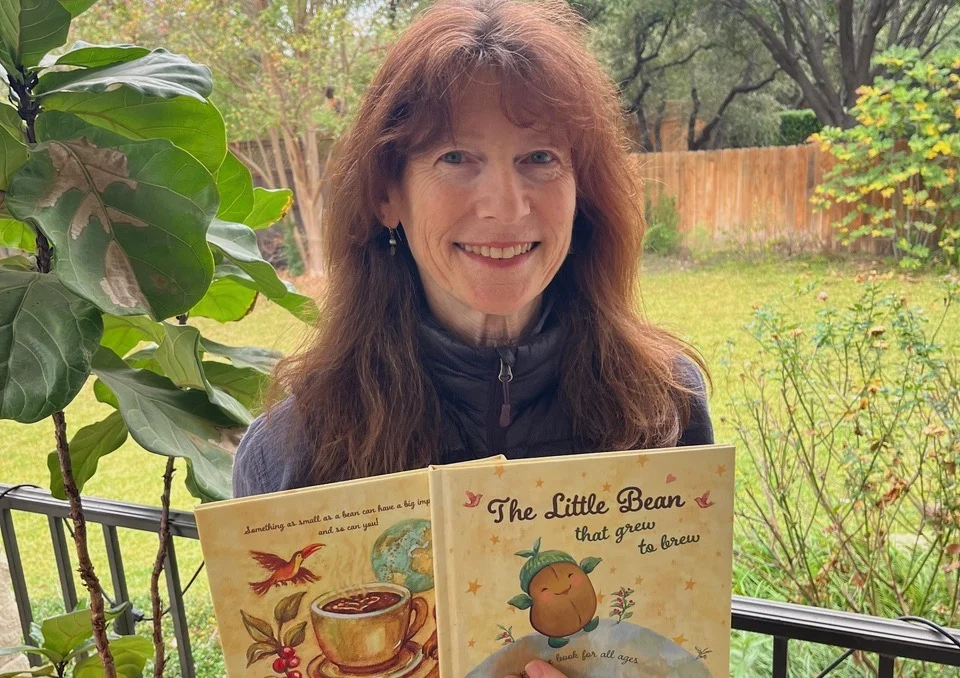
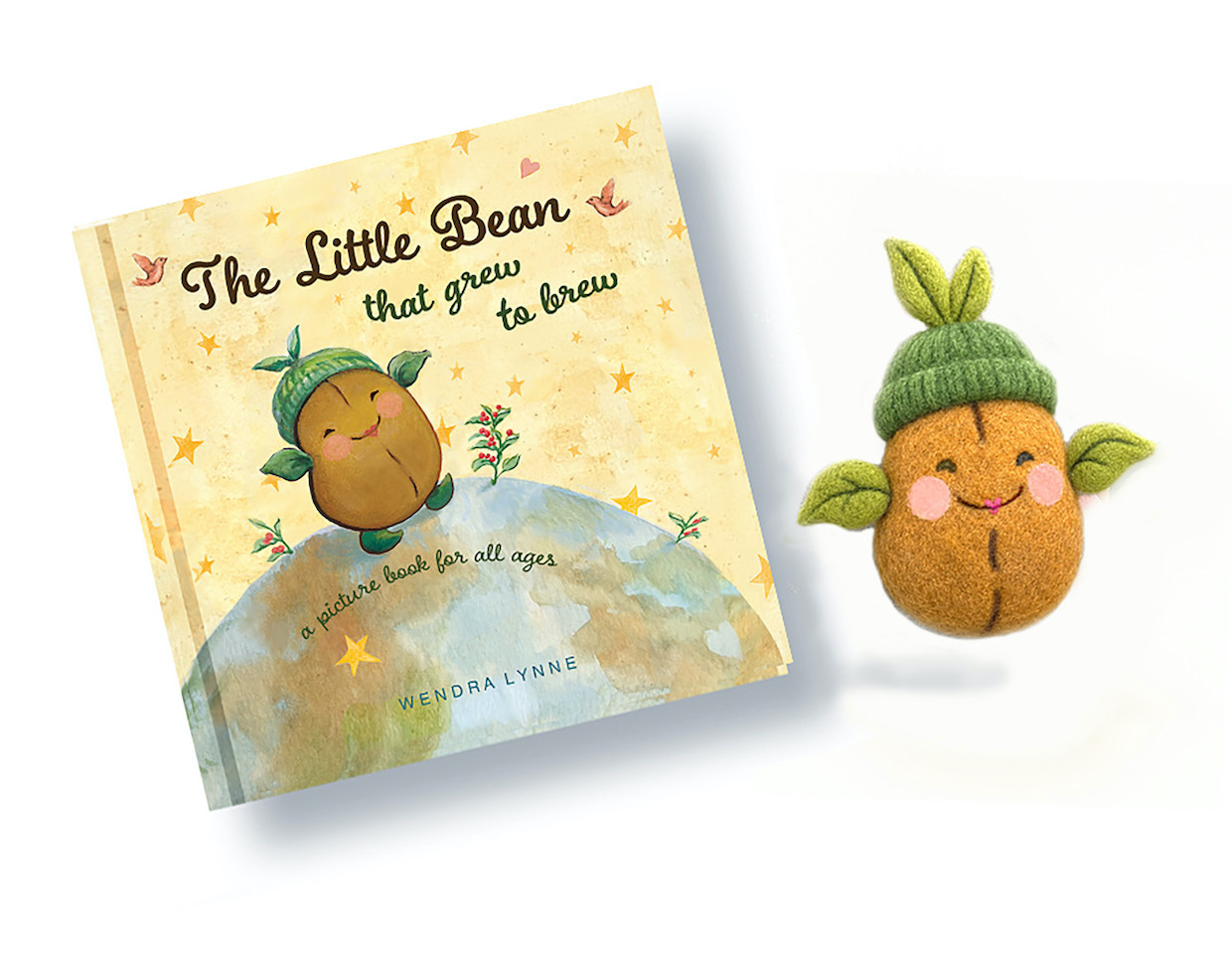
Author and illustrator Wendra Lynne has unveiled her latest creation, "The Little Bean That Grew to Brew," a picture book that embarks on the remarkable journey of a single coffee bean from its nascent stage as a seed to its final destination as a brewed beverage. This independently published work, brought to life through a successful Kickstarter campaign that exceeded its funding goals by a significant margin, aims to educate young readers about the intricate web of connections surrounding coffee production, encompassing agricultural communities, the preservation of wildlife, and the vital importance of environmental stewardship.
The narrative of "The Little Bean That Grew to Brew" is intentionally crafted to serve as a powerful allegory for resilience and perseverance. Lynne, speaking with Daily Coffee News, articulated the core message of the book: "At its heart, the book is about resilience, perseverance and purpose. It reminds readers that even when you’re small, or feel small in the face of big challenges, you can still make a big difference. Thoughtful everyday choices, especially when made by many people, can have a surprisingly powerful impact." This sentiment underscores the book’s broader objective: to foster a deeper understanding of how individual actions, particularly consumer choices, can ripple outwards and contribute to substantial positive change.
Lynne’s artistic journey, which spans a considerable portion of her life, has provided her with a unique perspective on the impact of messaging and product promotion. With a professional background that includes significant experience in advertising, production design, and art direction, she was a long-standing member of the Art Directors Guild, contributing to national advertising campaigns for numerous prominent corporations. This extensive career, however, also offered her critical insights into the disconnect that can sometimes exist between the values promoted by products and her own personal convictions. "Along the way, I sometimes found that the values behind the products I was helping promote didn’t always align with my own," Lynne explained. "I think that experience helped inspire my desire to create books that encourage consumers to see how the everyday choices they make can have a meaningful impact."
The incorporation of coffee into Lynne’s artistic repertoire was, by her own account, a serendipitous occurrence. While primarily working with watercolors, an accidental coffee spill in her studio proved to be a pivotal moment. She observed how the rich, warm tones of the coffee beautifully complemented her existing medium, sparking an experimental phase that led to the blending of the two. This innovative technique became the visual foundation for her debut children’s book, "The Wondrous Cloud Forest."
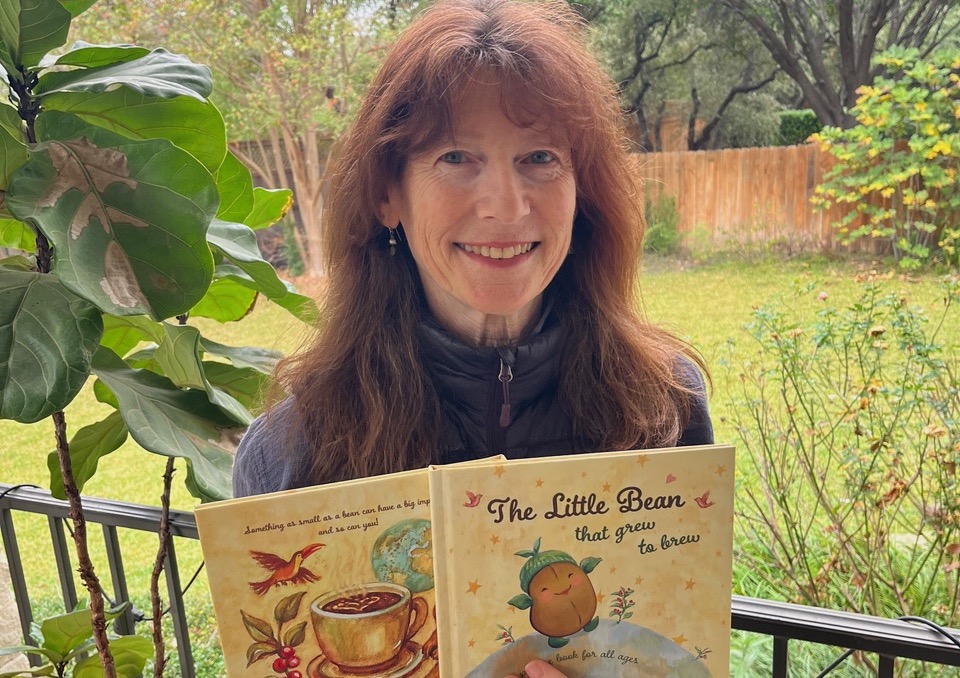
"The Wondrous Cloud Forest," published prior to "The Little Bean That Grew to Brew," delves into themes of conservation within Papua New Guinea, drawing inspiration from the vital work of the Tree Kangaroo Conservation Program. This earlier project, along with other coffee-related conservation initiatives, significantly influenced the thematic underpinnings of her latest book. Lynne highlighted the ecological significance of coffee cultivation, particularly shade-grown varieties: "The forest floor provides habitat for countless smaller creatures, while the tree canopy offers nesting places for migrating birds. Trees also help store carbon, protect soil, and support the broader ecosystem. In short, shade-grown coffee can do much more than produce a delicious cup – it can help keep forests alive and thriving." This assertion aligns with growing scientific consensus on the environmental benefits of agroforestry systems, which can help mitigate deforestation and biodiversity loss in coffee-producing regions.
The Journey from Seed to Cup: A Narrative of Interconnectedness
"The Little Bean That Grew to Brew" meticulously traces the lifecycle of a coffee bean, employing it as a narrative vehicle to illuminate the multifaceted nature of coffee production. The book’s progression from a humble seed to a universally enjoyed beverage serves as a powerful metaphor for growth, transformation, and the interconnectedness of global supply chains. Lynne’s narrative skillfully weaves together the agricultural realities faced by coffee farmers, the ecological systems that support coffee cultivation, and the ultimate impact on the consumer.
The story implicitly addresses the economic realities of coffee farming, often characterized by volatile market prices and the reliance on favorable weather conditions. By focusing on the bean’s journey, the book subtly introduces the concept that each stage of production—from planting and harvesting to processing and transportation—is undertaken by individuals and communities whose livelihoods are intrinsically linked to the success of the coffee crop. The Kickstarter campaign’s success, which saw over 500 backers contribute, demonstrates a clear public appetite for content that explores these deeper narratives within the coffee industry.
Furthermore, the book emphasizes the critical role of biodiversity in coffee-growing regions. The inclusion of elements related to wildlife conservation highlights how sustainable farming practices, such as shade-grown coffee, can preserve natural habitats for a wide array of flora and fauna. This aspect of the narrative is particularly relevant given the increasing pressures faced by many coffee-producing ecosystems due to climate change and agricultural expansion. Data from organizations like the Rainforest Alliance consistently show that certified sustainable coffee farms can harbor significantly higher levels of biodiversity compared to conventionally farmed areas.
An Artist’s Evolution: From Advertising to Advocacy Through Art
Wendra Lynne’s transition from a career in commercial art to children’s book author and illustrator is a testament to her evolving artistic and personal philosophy. Her extensive experience in advertising, while honing her visual communication skills, also exposed her to the power of marketing and its potential to influence consumer perception. This background likely informed her deliberate choice to leverage her artistic talents for a purpose that aligns more closely with her values.
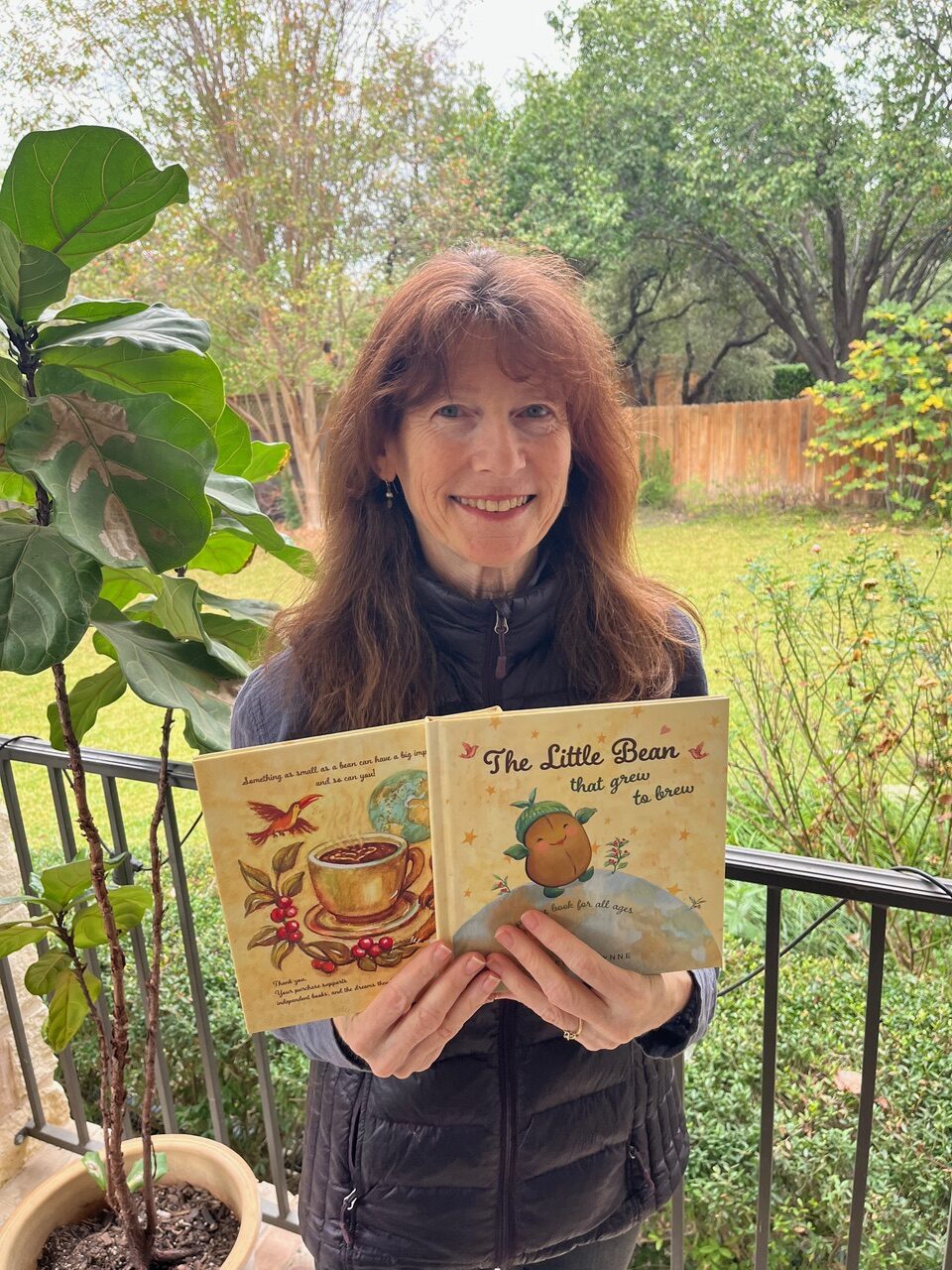
Her current residence, split between Seattle and Austin, Texas, reflects a dynamic engagement with different cultural and artistic landscapes. Lynne’s artistic endeavors extend beyond her books; she also teaches watercolor painting as a therapeutic practice, aiming to foster creativity and self-confidence in her students. Additionally, she designs magnifying necklaces featuring natural crystals, a venture that blends aesthetic appeal with functional design. This diverse artistic output underscores her commitment to engaging with the world through creativity and a desire to broaden perspectives.
The coffee community itself has become a significant source of inspiration for Lynne. She observes a shared appreciation for nature, connection, and hospitality among those involved in the coffee industry. This shared ethos is what fuels her passion for creating literature that celebrates and helps preserve the legacy of thoughtfully grown coffee. Her desire to connect with independent coffee shops for book sales further solidifies this engagement, positioning her work within the very community it seeks to inform and celebrate.
Deeper Reflections on Coffee’s Role: A Conversation with Wendra Lynne
In a more in-depth conversation with Daily Coffee News, Wendra Lynne shared further insights into her relationship with coffee and her motivations for creating "The Little Bean That Grew to Brew."
What about coffee excites you most?
Lynne’s excitement for coffee extends beyond its sensory appeal. She highlighted its profound ability to foster human connection: "I’ve always loved the smell and taste of coffee. But what excites me even more is coffee’s ability to connect us. It brings individuals together, and even creates connections across cultures and continents. It’s wonderful that something that begins with a little bean can bring so many people together and bring joy." This perspective positions coffee as a social lubricant and a catalyst for shared experiences, a theme subtly woven into the fabric of her book.
What about coffee troubles you most?
Addressing the complexities and challenges within the coffee industry, Lynne expressed concern over consumer awareness and the environmental implications of coffee production. "I’m troubled by how little many consumers know about the impact of their coffee choices, and by the complicated relationship between coffee and climate change," she stated. "Coffee is both affected by a changing climate and, depending on how it is grown, can contribute to either environmental harm or positive change. I wish more consumers understood that the way coffee is cultivated matters, not just for the quality of what’s in their cup, but for the future of the communities and ecosystems that sustain it." This sentiment reflects a growing concern within the specialty coffee sector about the long-term sustainability of coffee farming in the face of climate change and the need for greater transparency and consumer education.
What would you be doing if it weren’t for coffee?
Lynne’s response to this hypothetical question reinforces her identity as a multidisciplinary artist driven by a desire to broaden perspectives and foster compassion. "As a multidisciplinary artist, I’m fortunate to already wear many creative hats!" she enthused. Her work in teaching watercolor and designing crystal necklaces are extensions of this core artistic drive. She reiterated her overarching goal: "Underlying much of what I create is a desire to broaden our perspectives and help people see the world, themselves, and one another with a little more curiosity and compassion." This philosophy is undeniably at the heart of "The Little Bean That Grew to Brew," which seeks to cultivate curiosity and compassion for the global coffee ecosystem.
Broader Implications and Availability
"The Little Bean That Grew to Brew" is more than just a children’s story; it is a tool for fostering environmental literacy and promoting conscious consumerism. By presenting complex issues in an accessible and engaging format, Lynne’s book has the potential to influence the next generation of coffee drinkers and advocates for sustainable practices. The book’s availability directly through TheLittleBean.org, along with preview options via a digital flipbook, provides readers with direct access to the author’s work and vision. The fact that Lynne is also selling the book through independent coffee shops demonstrates a strategic approach to reaching her target audience within their natural environment, a move that has already yielded repeat orders, indicating a positive reception from the coffee community.
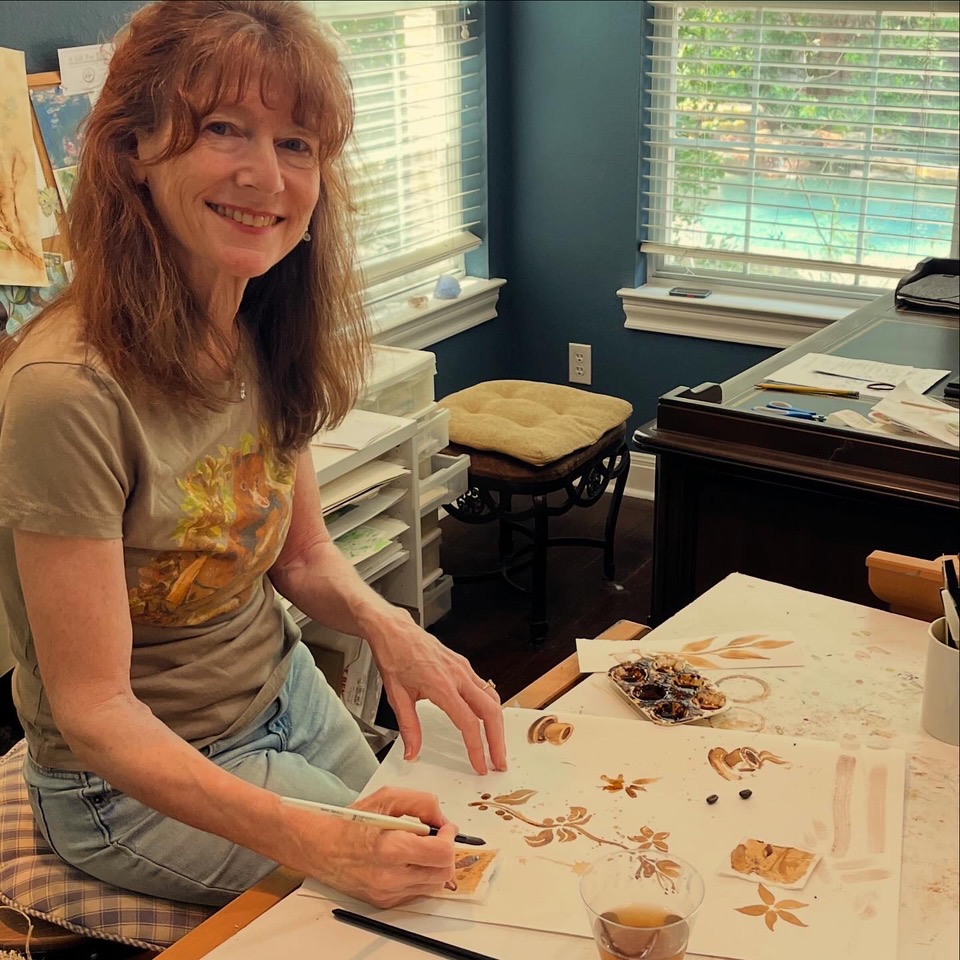
The book’s 7-inch-square hardcover format is designed for durability and ease of handling by young readers, making it an ideal addition to home and school libraries. The visual appeal, driven by Lynne’s unique coffee-and-watercolor technique, promises to captivate children while subtly educating them about the origins and impact of their daily beverage. As the global coffee industry continues to grapple with challenges related to climate change, fair trade, and sustainability, books like "The Little Bean That Grew to Brew" play a crucial role in cultivating a more informed and engaged consumer base, ultimately contributing to a more sustainable future for coffee and the communities that depend on it.
