

The digital media landscape for long-term travel and culinary journalism has seen a significant transition as Jodi Ettenberg, the founder of Legal Nomads, announced a comprehensive restructuring of her platform and personal living arrangements. Following a prolonged hiatus from long-form publishing since April 2021, Ettenberg has confirmed a move to Gatineau, Quebec, to pursue a semi-independent lifestyle while managing a chronic spinal cerebrospinal fluid (CSF) leak. This move marks a pivotal shift for the former lawyer and world-renowned travel blogger, who is now refocusing her professional efforts toward chronic pain resources, community-supported content, and disability advocacy.
Ettenberg’s transition reflects a broader trend within the creator economy where influencers are forced to pivot due to personal health crises or changing global circumstances. For Ettenberg, the change is necessitated by a medical condition that began with a botched lumbar puncture in 2017, which resulted in a persistent CSF leak. This condition, characterized by an inability to remain upright for extended periods without severe neurological symptoms, has fundamentally altered the trajectory of Legal Nomads, moving it away from its original focus on global street food and nomadic life toward a new mission centered on intellectual curiosity and navigating life with disability.
A Chronology of Transition and Medical Discovery
The timeline of Ettenberg’s recent updates indicates a period of significant logistical and physiological adjustment. In May 2021, she relocated to Gatineau, Quebec, situated across the Ottawa River from Canada’s capital. This move was strategic, placing her in proximity to family members who provide essential physical support for tasks that her condition precludes, such as grocery shopping and household maintenance.

Throughout the summer of 2021, Ettenberg focused on adapting her living environment to accommodate her limited physical bandwidth. This included the installation of specialized equipment—such as a rolling kitchen cart, elevated mattress pads, and lightweight cookware—designed to mitigate the physical strain that exacerbates CSF leak symptoms. By October 2021, Ettenberg reported a slight increase in "uptime," a term used by the CSF leak community to describe the duration a patient can remain vertical before symptoms become debilitating.
Parallel to these lifestyle adjustments, Ettenberg underwent extensive diagnostic testing that revealed new insights into her underlying health. The discovery of mast cell issues has provided a unifying framework for her history of chronic pain. Mast cells are resident immune cells found in connective tissues throughout the body, including the brain and epithelial cells. When these cells become overactive or dysfunctional, they can cause systemic inflammation and complicate the recovery process for connective tissue injuries, such as those involved in spinal leaks. This medical context has become a cornerstone of her new content strategy, as she seeks to connect disparate "dots" in the patient experience for her audience.
Supporting Medical and Economic Data
The challenges faced by Ettenberg are representative of a larger, often overlooked demographic of patients with spontaneous or iatrogenic CSF leaks. Medical data suggests that spinal CSF leaks occur in approximately 5 per 100,000 people annually, though many experts believe the condition is underdiagnosed due to its symptomatic overlap with migraines and other neurological disorders. The primary symptom, orthostatic headache, is caused by low intracranial pressure, which results in the brain "sagging" within the skull when the patient is upright.
Furthermore, Ettenberg’s integration of mast cell activation syndrome (MCAS) into her public narrative aligns with emerging research into the comorbidities of connective tissue disorders. Experts in the field of Ehlers-Danlos Syndrome (EDS) and hypermobility often note a "trifecta" of conditions including EDS, MCAS, and Postural Orthostatic Tachycardia Syndrome (POTS). By documenting her journey through these diagnoses, Ettenberg is providing a case study for the estimated 1 in 5,000 people diagnosed with systemic mastocytosis and the much larger population suspected of having mast cell activation issues.

From an economic perspective, Ettenberg’s shift to a community-supported model via Patreon highlights the evolving revenue streams for digital creators. As of late 2021, Patreon hosts over 200,000 creators supported by millions of patrons. Ettenberg was recently selected as a Patreon Ambassador, a role reserved for a small percentage of high-engagement creators. This ambassadorship involves participating in product focus groups and sharing strategies for sustainable community building, indicating a move away from traditional ad-supported travel media toward a more resilient, direct-to-audience financial model.
Strategic Platform Redesign and Branding
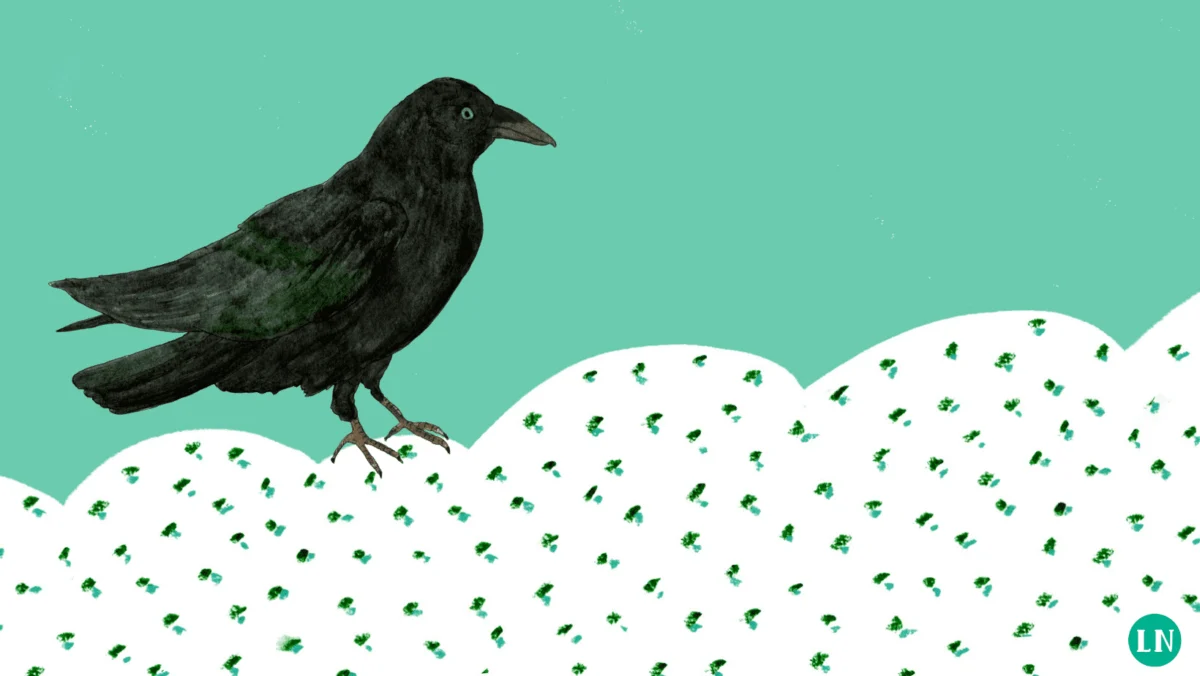
The rebranding of Legal Nomads is perhaps the most visible sign of Ettenberg’s professional evolution. The platform’s previous slogan, which emphasized storytelling through food, has been replaced with "Curious About Everything." This new direction is embodied by the introduction of a new mascot, Arthur the Raven. Ettenberg selected the raven for its associations with intelligence and curiosity, symbolizing a commitment to learning and exploration that does not require physical mobility.
The technical overhaul of the site also reflects modern shifts in digital distribution. Following Google’s decision to deprecate the Feedburner RSS-to-email service in July 2021, Ettenberg migrated her subscriber base to ConvertKit, a creator-centric email marketing platform. This transition ensures the continuity of her "Curious About Everything" newsletter, which remains a free resource focused on long-form journalism and photo essays, separate from the paid tiers of her Patreon community.
Additionally, the website now features dedicated categories for health and chronic pain. This structural change facilitates easier access to resources for readers who are either experiencing similar medical challenges or supporting someone who is. Ettenberg’s "Ask Me Anything" (AMA) sessions on Patreon have increasingly focused on the logistics of accessibility and the psychological toll of transitioning from an active to a disabled life.

Broader Implications for the Media Industry
The evolution of Legal Nomads serves as a significant indicator of the changing priorities within the travel and lifestyle media sector. For over a decade, Ettenberg was a leading voice in the "digital nomad" movement, a lifestyle that has come under scrutiny during the COVID-19 pandemic and in the face of rising awareness regarding long-term health and sustainability. Her move to a localized, health-focused content strategy reflects a broader maturation of the industry, where personal narrative is increasingly used to address systemic issues such as healthcare navigation and disability rights.
The partnership with other creators, such as artist Ella F. Sanders and fellow blogger Mike of Reggio Digital, underscores the collaborative nature of the modern web. The pro bono support provided by industry peers to help Ettenberg maintain her platform during her health crisis highlights the social capital built within the blogging community over the last fifteen years.
Furthermore, Ettenberg’s focus on "mental mindset" and "getting through terrible times" provides a framework for resilience that resonates beyond the chronic pain community. In a global climate characterized by uncertainty, the transition from travel-based exploration to internal, intellectual exploration offers a model for adaptation.
Future Outlook and Institutional Reactions
While Ettenberg remains unable to travel or maintain a standard vertical schedule, her professional output has remained consistent through her newsletter and community updates. The medical community often looks to high-profile patient advocates to bring attention to rare or misunderstood conditions. Ettenberg’s detailed documentation of her CSF leak and subsequent immune issues has been cited by various patient advocacy groups as a vital resource for increasing awareness among general practitioners who may not be familiar with the nuances of intracranial hypotension.

The "one-time support" option recently introduced on her site addresses a common request from readers who wish to contribute to her work without committing to a monthly subscription. This move, combined with her Patreon ambassadorship, suggests a diversified financial strategy that prioritizes stability over the volatile traffic-based revenue typical of the travel industry.
As Ettenberg continues to navigate her new environment in Gatineau, the focus remains on the utility of her work. By leveraging her background in law and her experience as a communicator, she has transitioned from a guide to the world’s kitchens to a guide for the complexities of the human condition. The success of this pivot will likely be measured not by the number of countries visited, but by the depth of the resources provided to a community that is increasingly in need of advocacy and clarity in the face of chronic illness.
