

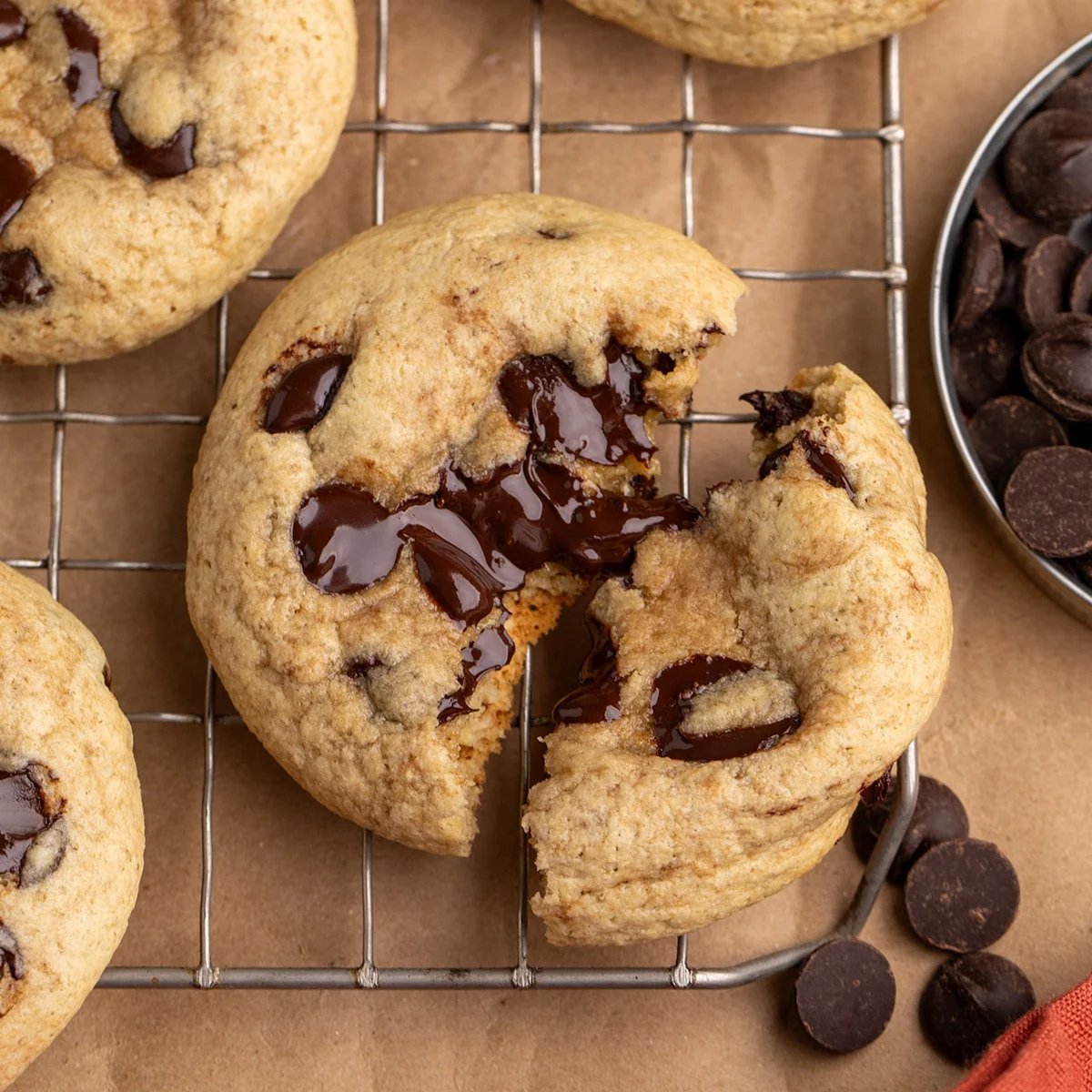
The culinary landscape is continuously evolving, with a growing demand for both health-conscious and indulgent treats. Among the most sought-after innovations are protein-enhanced baked goods, which promise to deliver satisfying flavors alongside nutritional benefits. A particularly appealing option gaining traction is the chocolate chip protein cookie, a creation that aims to strike a delicate balance between the comforting familiarity of a classic cookie and the functional advantages of added protein. This guide delves into the intricacies of crafting these delectable treats, exploring the science behind their unique texture, the key ingredients that ensure their success, and the adaptable strategies for various dietary needs.
The Science Behind the Soft and Chewy Protein Cookie
Many protein cookie recipes often lean heavily on nut butters to provide both structure and a protein boost. While effective, this approach can sometimes lead to a distinct nutty flavor that overshadows the quintessential taste of a chocolate chip cookie. The innovation presented here tackles this challenge by utilizing protein powder as the primary protein source, allowing the classic cookie flavors to shine through.
The inherent challenge with protein powder in baking is its tendency to create a dry, chalky texture. To counteract this, the recipe emphasizes the use of finely ground oat flour, which contributes a tender crumb and absorbs moisture effectively. Melted butter and eggs work in tandem to bind the ingredients and provide richness, while a carefully balanced amount of sugar ensures the cookies remain soft and chewy, not brittle.

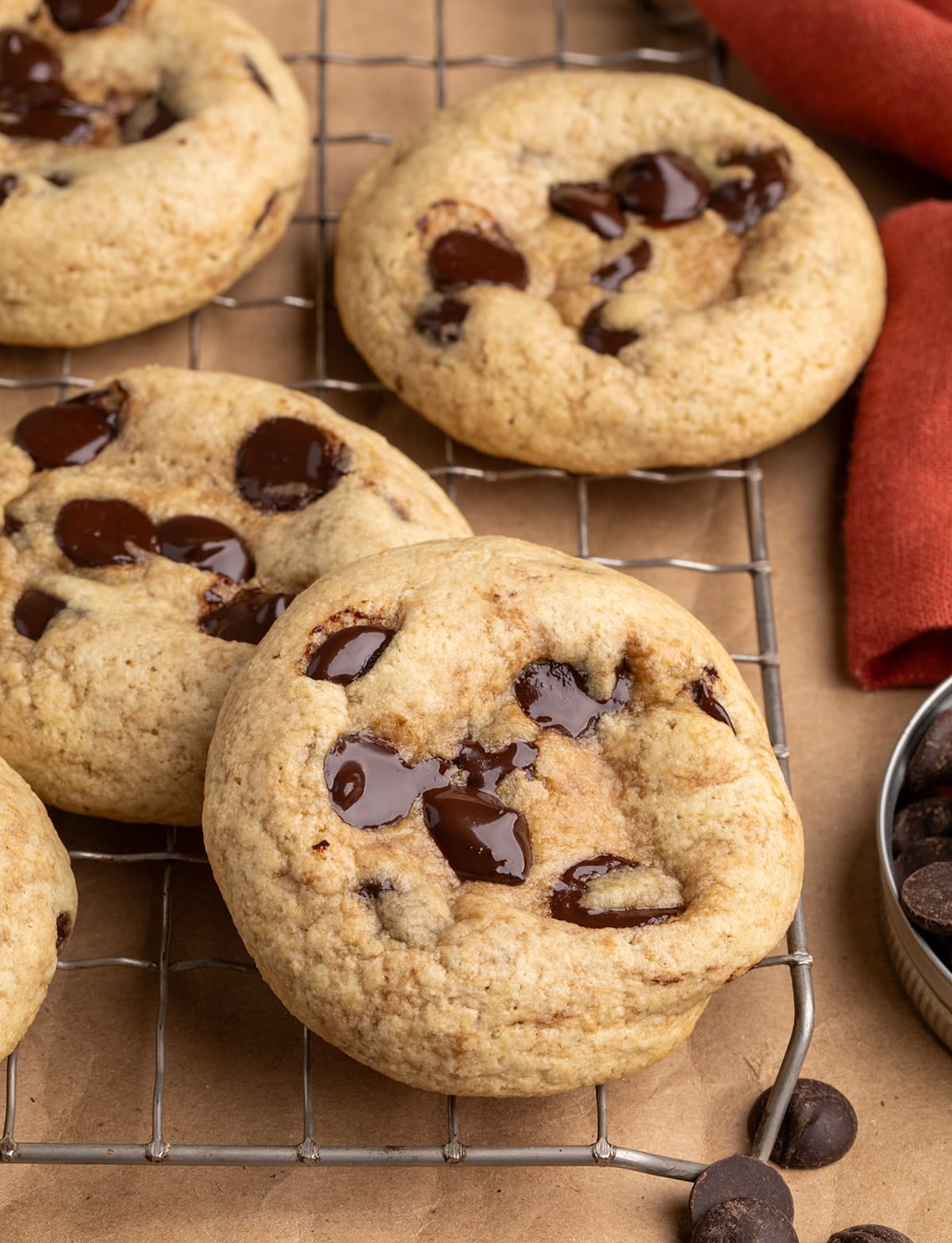
A crucial technique highlighted in this recipe is the precise baking time. Protein cookies are best removed from the oven when they appear slightly underbaked. The tops should still be pale, with only the edges showing a hint of browning. This visual cue indicates that the cookies will continue to set as they cool, achieving a perfect chewy consistency without becoming dry or overcooked. This method is paramount to replicating the texture of a traditional soft-baked cookie.
Essential Ingredients for Perfect Protein Cookies
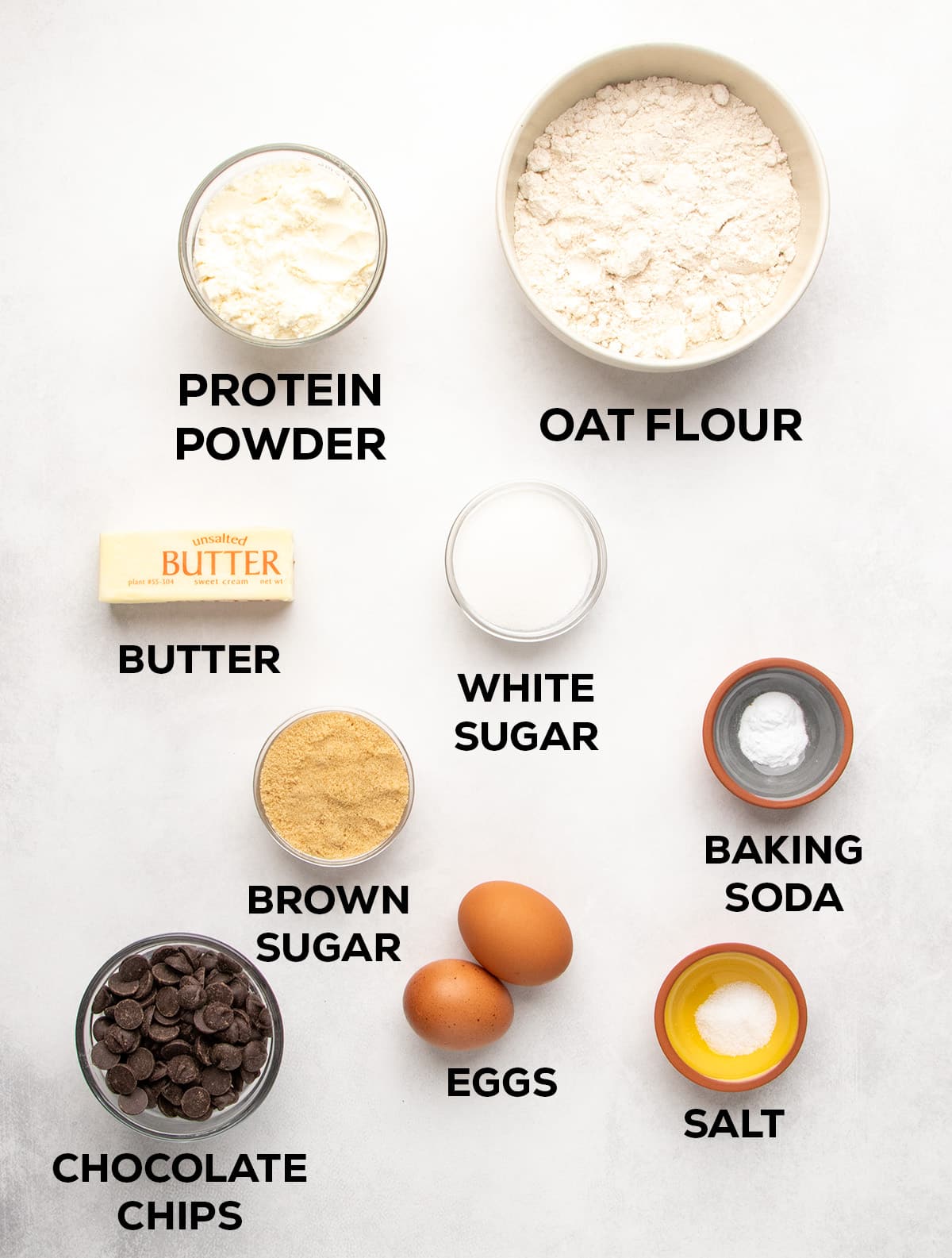
To achieve the desired balance of flavor and texture in these chocolate chip protein cookies, a specific set of ingredients is recommended. While the exact quantities are detailed in the accompanying recipe card, understanding the role of each component is key to success.
The foundation of the cookie’s structure and protein content relies on protein powder and oat flour. The choice of protein powder can significantly influence the final taste and texture, with unflavored or vanilla-flavored whey protein isolate often being a popular choice. Oat flour, when finely ground, provides a gluten-free alternative to traditional wheat flour, contributing to the cookie’s tender crumb.
Fat is essential for richness and moisture, with melted butter being a preferred option for its flavor and ability to create a tender texture. Eggs act as binders and contribute to the cookie’s structure and leavening. The combination of white and brown sugar not only sweetens the cookies but also plays a vital role in their chewiness. Brown sugar, in particular, contains molasses, which adds moisture and a subtle caramel note.
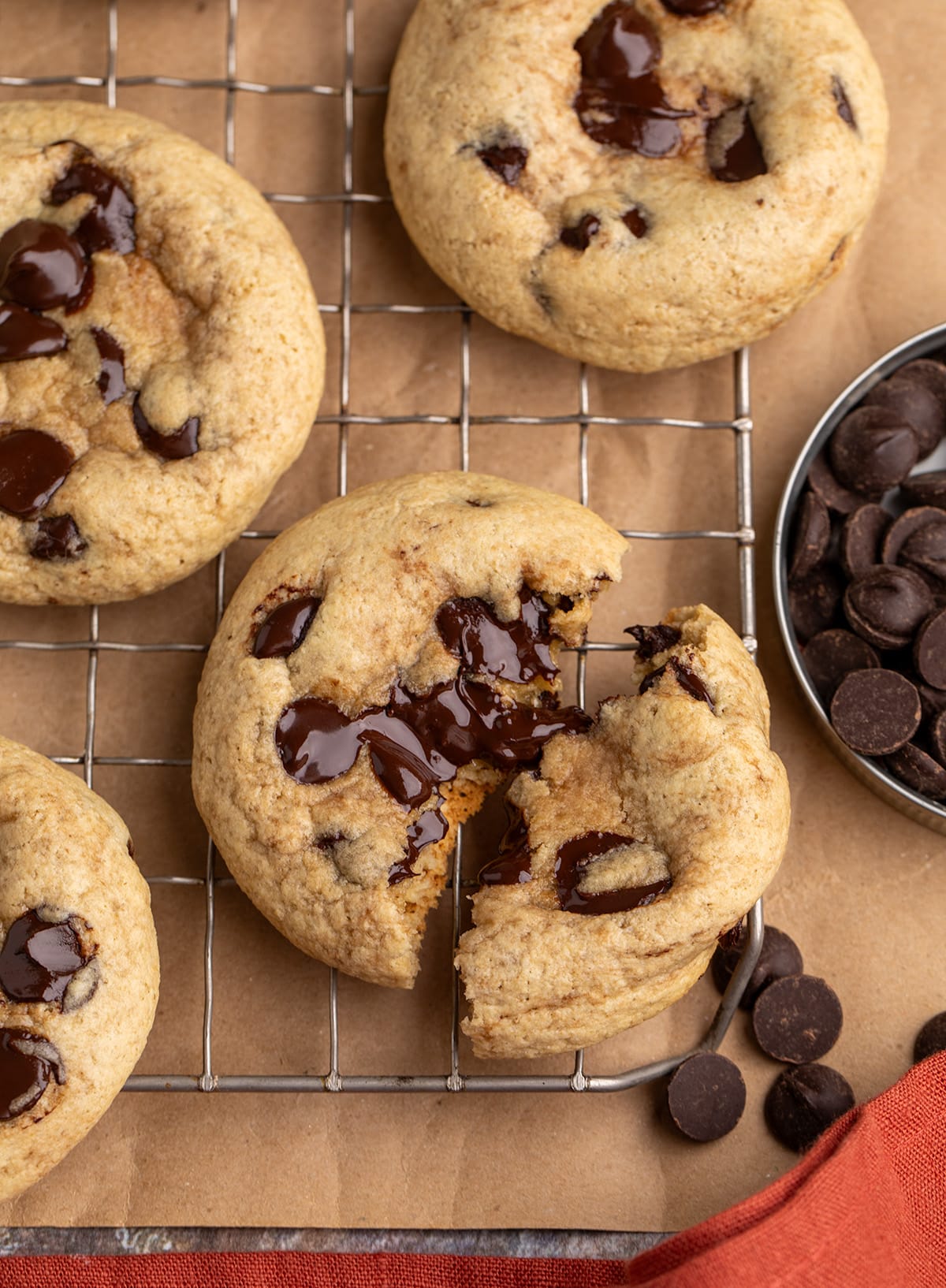
Leavening agents, such as baking soda, are critical for the cookies’ rise and spread. Salt is included to enhance the overall flavor profile, balancing the sweetness and bringing out the chocolate notes. And, of course, no chocolate chip cookie is complete without chocolate chips, which add pockets of melted chocolatey goodness throughout.
For those seeking to explore variations, the recipe also references a complementary peanut butter protein cookie option, demonstrating the versatility of protein powder in baking.
A Step-by-Step Guide to Crafting Your Cookies
The process of making these chocolate chip protein cookies is designed to be straightforward, with each step serving a specific purpose in achieving the ideal outcome.
-
Mixing Dry Ingredients: The initial step involves whisking together the dry ingredients: oat flour, protein powder, white sugar, brown sugar, baking soda, and salt. This thorough mixing ensures that the leavening agents and salt are evenly distributed, preventing pockets of intense flavor or uneven rising. It also helps to break up any clumps in the brown sugar, ensuring a smooth dough.
-
Incorporating Wet Ingredients: A well is created in the center of the dry ingredients. Melted butter and beaten eggs are then added to this well. Mixing until a thick dough forms is crucial. This method helps to contain the liquids, minimizing mess, and efficiently brings the ingredients together without overmixing, which can lead to a tough or stringy batter.
-
Adding Chocolate Chips: The majority of the chocolate chips are folded into the dough at this stage, ensuring they are evenly dispersed. A small portion is reserved to be pressed onto the tops of the cookies before baking, enhancing their visual appeal and providing immediate chocolatey gratification upon the first bite.
-
Portioning the Dough: Using a spring-loaded ice cream scoop or two spoons, create uniform portions of dough, approximately 1.5 tablespoons each, weighing around 2.25 ounces. Consistent sizing is vital for even baking, ensuring all cookies are done simultaneously.
-
Shaping the Cookies: Each dough portion is rolled into a ball between the palms of your hands. This step promotes smooth tops and helps the cookies bake into nicely rounded shapes. Pressing a few reserved chocolate chips onto the surface of each ball ensures they are visible after baking.
-
Baking to Perfection: The cookies are baked at 325°F (163°C) for approximately 9 minutes. The key here is to pull them from the oven when the centers are just beginning to set but the edges are only lightly browned. Overbaking will lead to moisture loss, resulting in a dry cookie. The residual heat will continue to cook the cookies as they cool.
Navigating Ingredient Substitutions for Diverse Dietary Needs
Recognizing that dietary restrictions and preferences vary, this recipe offers adaptable substitution options for common allergens and dietary choices. While direct testing of all substitutions may not have been conducted, these suggestions provide a starting point for experimentation.
Dairy-Free Adaptations
For those avoiding dairy, block-style vegan butter, such as Melt or Miyoko’s Kitchen, can effectively replace traditional butter. For the protein component, collagen peptides, like those from Vital Proteins or Perfect, can serve as a substitute for whey protein isolate, though the texture and flavor may vary slightly. Alternatively, a favorite flavored plant-based protein powder, like Vega Essentials chocolate flavor, can be used, but it’s important to note that additional ingredients in flavored powders may alter the final outcome. For a dairy-free, protein-rich snack without protein powder, consider exploring protein balls, which typically offer around 6 grams of protein per serving.
Oat-Free Alternatives
Individuals with oat sensitivities can explore alternative flours. Finely ground quinoa flakes can be used as a substitute, or other gluten-free oat substitutes as recommended in specialized resources. Super-finely ground and sifted almond flour, such as from Blue Diamond or Wellbee’s, is another potential option.

Egg-Free Baking
To replace the two eggs in the recipe, several alternatives can be employed. "Chia eggs," made by mixing 2 tablespoons of ground white chia seeds with 4 tablespoons of lukewarm water and allowing them to gel, are a popular choice. Commercially available egg replacers, like Bob’s Red Mill egg replacer or JustEgg liquid refrigerated egg replacer, are also viable options.
Considerations for Sugar Alternatives
While sugar alternatives like those from Lakanto can be used, it is important to anticipate a change in texture. Sugar plays a crucial role in locking in moisture in baked goods. Sugar alternatives tend to draw out moisture, potentially leading to a drier cookie.
Storage and Preservation
Proper storage is essential to maintain the freshness and quality of these chocolate chip protein cookies. When stored in an airtight container at room temperature, they can remain fresh for approximately five days. For longer-term preservation, they can be frozen in a freezer-safe zip-top bag for up to three months. It is recommended to allow frozen cookies to defrost briefly before consuming, particularly to soften the chocolate chips for a more pleasant bite.
These chocolate chip protein cookies represent a thoughtful fusion of indulgence and nutrition, offering a satisfying treat that caters to a modern palate. By understanding the science behind their texture, utilizing key ingredients effectively, and embracing adaptable substitution strategies, bakers can consistently achieve delicious and guilt-free results.
