

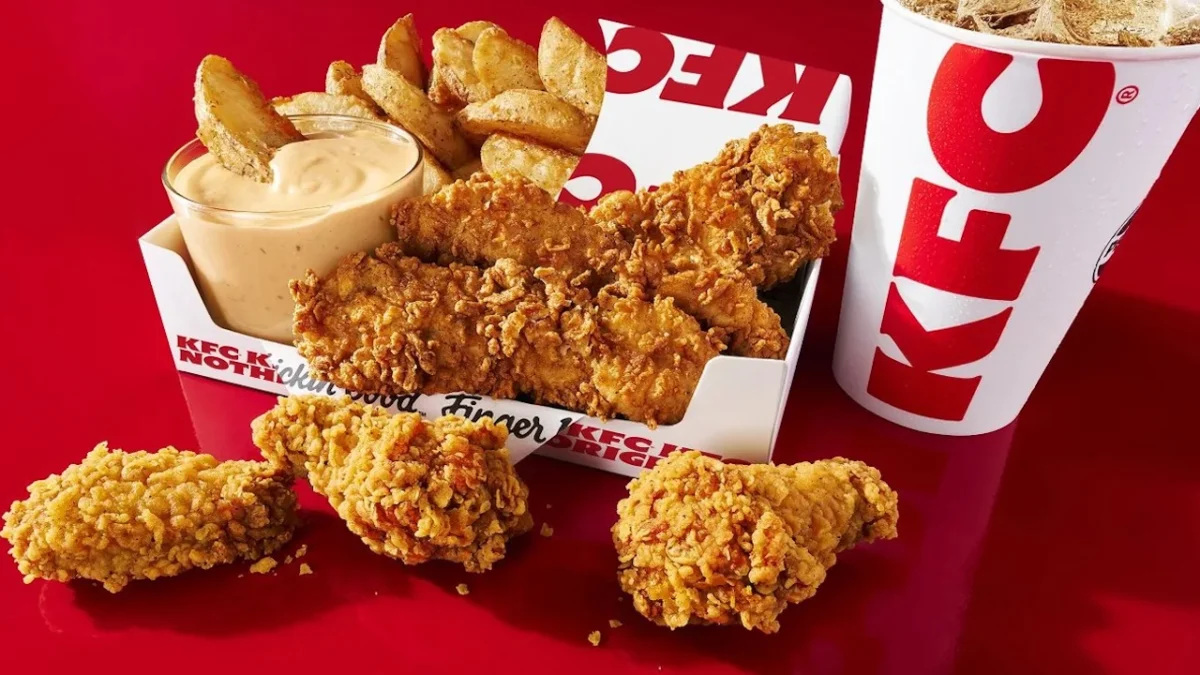
Sauce innovation has emerged as a significant strategy for restaurants aiming to differentiate themselves in a competitive landscape, offering unique flavor profiles without complicating operational procedures. This trend is underscored by robust data from Technomic Ignite, which reveals a substantial surge in sauce introductions. Following a remarkable 66.5% year-over-year growth in 2023, sauce introductions saw an additional 27.7% increase in both 2024 and 2025. Kentucky Fried Chicken (KFC) is a prominent participant in this flavor-driven movement, actively leveraging new sauce offerings as part of its broader initiative to regain traction with American consumers.
A Strategic Shift Towards Flavor Exploration
KFC’s recent product development strategy highlights a deliberate pivot towards expanding its flavor portfolio, particularly through its sauce and condiment options. Melissa Cash, the chain’s chief marketing officer, elaborated on this strategy, stating, "Earlier this year, we introduced Honey Chili Crisp, which balances sweetness and heat, and Jalapeño Ranch, a creamy ranch with cilantro and jalapeño." These introductions represent a calculated effort to cater to evolving consumer palates that increasingly seek bold and complex taste experiences.
The brand further amplified this focus in August with the launch of its Hot Ranch Big Dip. Described as a spicy ranch infused with chiles, garlic, and herbs, this offering was presented in an oversized cup, explicitly designed "giving fans plenty for dipping, dunking, and drizzling," according to Cash, who joined KFC in September of the previous year. This emphasis on generous portioning for sauces signals a recognition of their growing importance in the overall dining experience.
Cash articulated the underlying philosophy behind this approach: "Our iconic chicken will always be at the center of the menu, but sauces give fans new ways to enjoy it and make each meal their own." This statement underscores a dual strategy: maintaining the core appeal of KFC’s fried chicken while simultaneously enhancing its versatility and appeal through innovative accompaniments.
Addressing Sales Challenges with Flavor Innovation
The strategic deployment of dynamic sauces by KFC is particularly pertinent given the brand’s recent sales performance in the United States. The Yum Brands subsidiary experienced a 4.6% decline in U.S. sales in 2025, a challenging period that necessitated a renewed focus on revitalizing the brand. Catherine Tan-Gillespie, who assumed the role of KFC U.S. president in April 2025, characterized the brand as "loved but latent," acknowledging the need for renewed energy and consumer engagement.
The introduction of flavor-forward sauces is seen as a direct response to this imperative. Cash emphasized the critical synergy between new sauces and KFC’s core product: "Of course, the sauces have to go with the food, and fried chicken certainly takes well to sweet heat and spicy ranch." This pragmatic approach ensures that the innovative flavors are not merely novelties but are designed to enhance the fundamental appeal of KFC’s menu items.
Consumer Reception and Data-Driven Insights
The brand has reported a positive reception to its recent sauce innovations. "We’ve seen a positive response to [these] bold, flavor-forward sauces," Cash stated. "We saw that enthusiasm both in our restaurants and across social media, with guests sharing how much they enjoyed pairing the sauces with their favorite KFC menu items. It’s a great reminder that dipping is becoming an increasingly important part of the eating experience, and guests are eager to try new flavors with the foods they already love." This enthusiastic consumer feedback, amplified on social media platforms, indicates a strong market appetite for these flavor extensions.
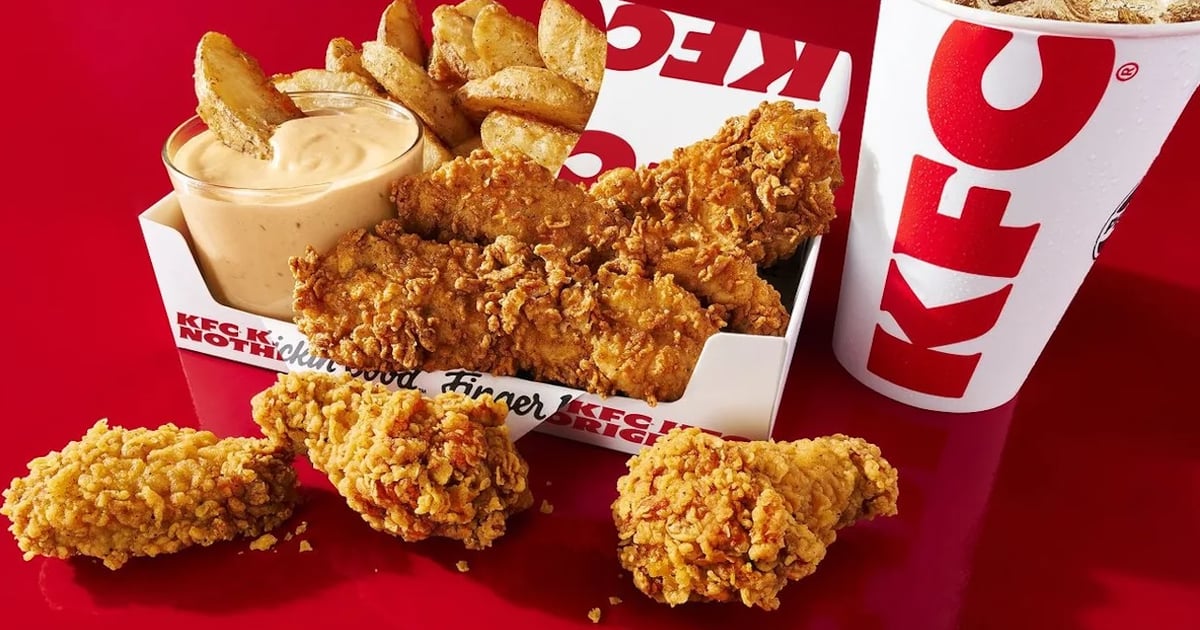
Cash further elaborated on the significance of the Hot Ranch Big Dip, calling it "an exciting step for us. The larger cup gives fans even more freedom to dip, dunk, and drizzle." This sentiment aligns with broader industry trends, as Datassential data reveals that a significant 60% of consumers consider a restaurant’s sauces and condiments when making their dining choices. This statistic highlights the crucial role that these elements play in consumer decision-making and brand perception.
The "Ranch Moment" and Strategic Timing
The timing of KFC’s Hot Ranch Big Dip launch appears to have been strategically astute, coinciding with a notable cultural surge in the popularity of ranch dressing. Cash pointed to this phenomenon, stating, "Sauces give brands an opportunity to introduce something new through a format that already feels familiar. The challenge is not simply to chase what is popular, but to identify flavors that have broad appeal and make sense with the food. Ranch had a major cultural moment this summer thanks to the World Cup, and Hot Ranch Big Dip gave KFC an opportunity to take that enthusiasm to the next level by pairing the creamy, tangy flavor fans already love with a kick of heat."
This "ranch moment" was particularly evident during the global soccer tournament, where European visitors to the United States expressed a notable fascination with ranch dressing, with some even attempting to bring it back to their home countries. This widespread public interest provided KFC with a fertile ground to introduce a spicy, chili-infused variation, effectively capitalizing on an existing trend and infusing it with the brand’s signature flavor profile.
Broader Implications for the Fast-Food Landscape
The success of KFC’s sauce strategy has broader implications for the fast-food industry. It demonstrates that innovation doesn’t always require radical menu overhauls. By focusing on accessible and popular items like sauces, brands can achieve significant market impact with relatively lower investment and operational complexity. This approach allows for agility in responding to emerging food trends and consumer preferences.
Furthermore, the emphasis on customization and personalized flavor experiences through sauces resonates with a younger demographic that values individuality in their dining choices. As consumers become more adventurous in their culinary explorations, restaurants that can offer a diverse and engaging array of flavor options are likely to gain a competitive edge.
The continued growth in sauce introductions, as evidenced by Technomic data, suggests that this trend is far from peaking. Brands that can effectively leverage this strategy, like KFC with its recent Hot Ranch Big Dip, are well-positioned to enhance customer loyalty, drive incremental sales, and strengthen their brand identity in an increasingly crowded marketplace. The humble sauce, once a mere accompaniment, has ascended to a pivotal role in restaurant innovation and consumer engagement.
Bret Thorn is Senior Food Editor at Nation’s Restaurant News.
