

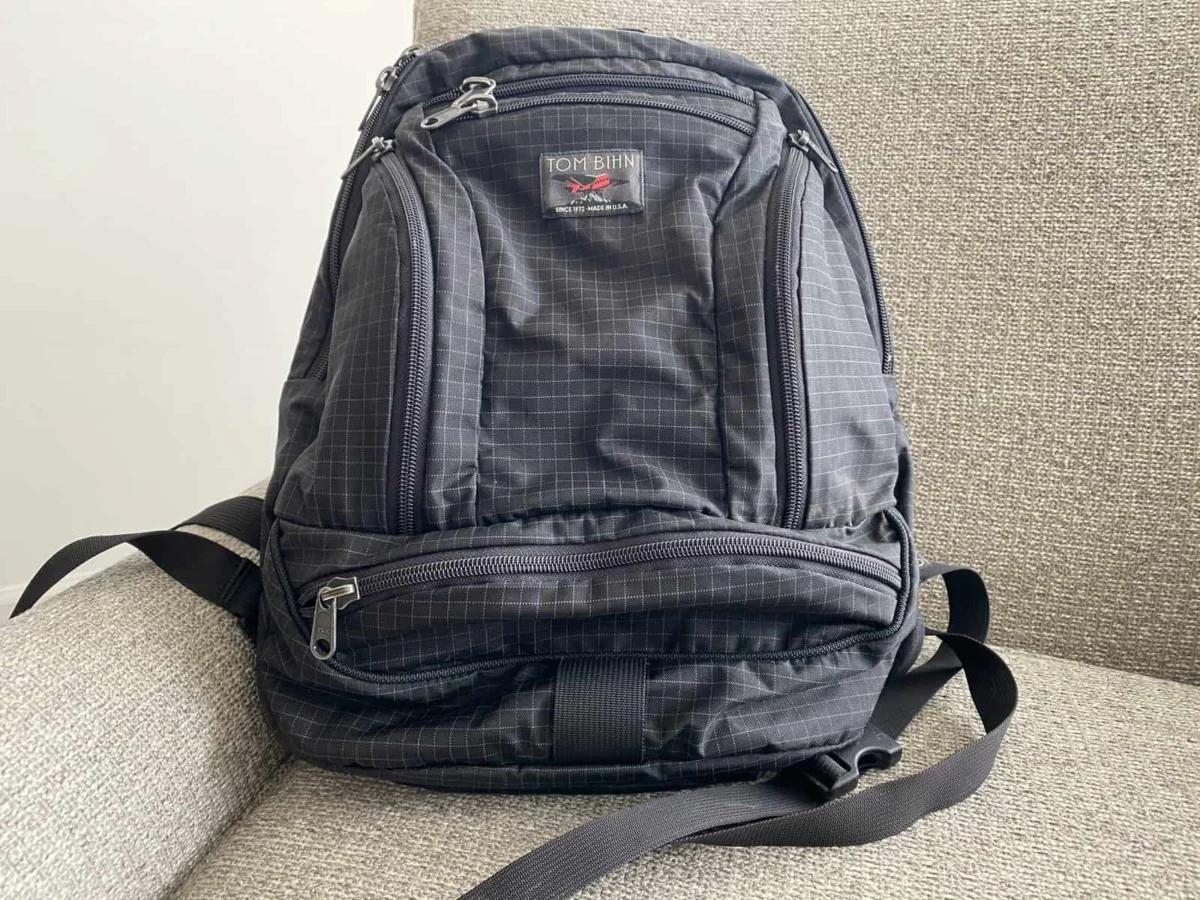
In an unusual intersection of urban happenstance and digital connectivity, a high-end travel backpack stolen during a 2017 residential burglary in Brooklyn has been recovered and returned to its owner more than three years after the incident. The recovery, facilitated by a routine maintenance check and a social media outreach effort, provides a rare window into the long-term aftermath of property crime and the enduring impact such events have on victims. The item, identified as a Tom Bihn Synapse daybag belonging to travel author and former attorney Jodi Ettenberg, was discovered by a chimney sweep on the roof of a residence in the Park Slope neighborhood, only a few doors down from where the original crime occurred.
The Recovery Incident and Initial Discovery
The recovery process began in December 2020 when a resident of Park Slope, Brooklyn, contracted a professional chimney cleaner to service a home that had not been maintained in several years. During the inspection of the roof’s ventilation system, the technician discovered a weathered backpack tucked into the side of a chimney vent. Despite years of exposure to the elements, the bag contained several identifying items, including expired credit cards, business cards, and prescription eyewear.
The homeowner, attempting to locate the owner of the property, utilized Facebook’s messaging platform. Due to the platform’s filtering algorithms, the message remained in a "Requests" folder—often referred to as "Facebook purgatory"—for several weeks before being discovered by Ettenberg in January 2021. The message inquired whether Ettenberg had lost a bag in the area several years prior, noting that while the credit cards were no longer valid, other personal effects remained intact.
Upon confirming the contents, it was revealed that the bag had been missing since August 2017. The discovery sparked a reflective analysis of the events surrounding the original theft, which occurred during a pivotal and traumatic period in the owner’s life.
A Chronology of Events: From Burglary to Discovery
The timeline of this incident spans over three years, beginning with a coordinated burglary and ending with a gesture of community support.

- August 2017: While Jodi Ettenberg was undergoing a lumbar puncture (spinal tap) at a New York City hospital, the apartment she was occupying in Park Slope was burgled. Security footage from the residence indicated the perpetrator entered the home at the exact moment the medical procedure began.
- August 2017 – Late 2020: The stolen backpack, used by the thief to transport various items from the home, was abandoned on a nearby roof. It remained wedged against a chimney vent, exposed to New York’s seasonal weather fluctuations for approximately 40 months.
- December 2020: A chimney sweep discovered the bag during a routine maintenance call. The homeowner initiated contact with the owner via social media.
- January 2021: Ettenberg discovered the message and coordinated the retrieval of the bag through a local associate.
- Spring 2021: The bag was cleaned, refurbished, and ultimately gifted to a new owner, signifying a symbolic closing of the case.
The Intersection of Crime and Medical Crisis
The 2017 burglary was not an isolated event of property loss but was inextricably linked to a medical crisis that resulted in long-term disability for the victim. At the time of the theft, Ettenberg was receiving a spinal tap intended to diagnose a health issue; however, the procedure resulted in a cerebrospinal fluid (CSF) leak, a condition that can lead to debilitating "positional headaches" and neurological complications.
The "creepy confluence" of the burglary and the medical procedure—occurring simultaneously according to time stamps—has been noted by observers as a significant psychological burden. While the thief stole a laptop, jewelry, and the Tom Bihn backpack, they notably left behind Ettenberg’s Canadian passport and a small amount of cash on a couch. This selective theft suggests the perpetrator was seeking high-value, easily transportable electronics and bags, discarding the rest of the contents once they reached a "safe" location on a nearby rooftop.
Statistical Context: Burglary and Property Recovery in New York City
The recovery of stolen property years after a crime is statistically improbable in major metropolitan areas. According to data from the New York City Police Department (NYPD) regarding the 78th Precinct, which covers Park Slope, burglary rates have seen various fluctuations over the last decade. In 2017, the year of the initial theft, New York City reported a significant number of residential burglaries, yet the clearance rate—the rate at which police "solve" the crime—often remains below 15% for property crimes where no immediate suspect is identified.
Furthermore, the recovery of physical goods, particularly soft goods like nylon backpacks, is even rarer. Most stolen electronics are quickly "fenced" or sold for parts, while bags and clothing are often discarded in trash receptacles or alleyways. The fact that this specific bag was placed in a secluded, elevated location (a roof) contributed to its preservation and its eventual discovery.
| Category | Statistic/Detail |
|---|---|
| Location of Theft | Park Slope, Brooklyn (78th Precinct) |
| Time Elapsed | Approx. 40 Months |
| Recovery Rate for Property | Historically < 20% in NYC |
| Primary Items Recovered | Backpack, prescription glasses, expired cards |
| Primary Items Lost | Laptop, currency, jewelry |
The Role of Digital Intermediaries in Cold Case Resolutions
This case highlights the evolving role of social media in resolving "cold" property crimes. In previous decades, a chimney sweep finding a bag would have had few options beyond turning it over to a police evidence locker, where it likely would have remained unclaimed.
The ability for a private citizen to cross-reference a name from an expired credit card with a social media profile allows for a direct, peer-to-peer return of goods. However, the incident also underscores the flaws in digital communication, specifically the "Message Request" feature on platforms like Facebook, which can delay the resolution of such matters by weeks or months. For victims of crime, these digital platforms serve as a double-edged sword: they provide a path to closure while also potentially resurfacing traumatic memories without warning.

Community Response and the Psychology of Reclaiming Stolen Goods
The return of the backpack prompted a significant emotional response, described by the owner as "kicking up sediment from the bottom of a lake." Psychologists noting the impact of burglary often point out that the violation of a personal space, combined with the loss of "trusted" items like a daily-use bag, can create a lasting sense of insecurity.
The resolution of this case involved a high degree of community and social support. A long-time associate of Ettenberg, identified as a former law school colleague, facilitated the physical pickup of the bag. To mitigate the trauma associated with the item, the associate performed a "restorative" act: cleaning the bag and filling it with thematic gifts (specifically llama-themed items) to transform the object from a symbol of theft into a symbol of friendship.
Ultimately, Ettenberg chose to gift the bag to another individual. This act of "transmuting the bad into something useful" is a recognized coping mechanism in trauma recovery, allowing the victim to reclaim agency over the narrative of the crime.
Broader Implications for Urban Safety and Victim Recovery
The recovery of the Tom Bihn backpack serves as a case study in the "liminal weight" of objects. For the victim, the bag represented the period immediately preceding a life-altering disability. Its return three years later acted as a physical marker of the time that had passed and the resilience required to navigate a post-crime, post-disability life.
From a journalistic and sociological perspective, the event offers three primary takeaways:
- Durability of Quality Goods: The fact that a nylon backpack (specifically a Tom Bihn Synapse) survived three years of New York winters and summers on a rooftop speaks to the industrial quality of certain consumer goods, which can inadvertently preserve evidence or personal history.
- The Persistence of the "Urban Ghost": Stolen items often remain within a very small radius of the crime scene. In this instance, the bag moved less than a block away, remaining hidden in plain sight for years.
- The Importance of Community Vigilance: The proactive effort of the Park Slope homeowner to track down a stranger via social media demonstrates the vital role of "neighborly" intervention in urban environments.
While the laptop and jewelry were never recovered, the return of the "miracle bag" provides a sense of restorative justice that is often missing from the standard police report. It underscores the reality that while the legal system may fail to close a case, the combination of time, chance discovery, and human kindness can occasionally provide a different form of resolution.
