

The National Capital Region, encompassing Ottawa and Gatineau, has witnessed a significant transformation in its culinary landscape, specifically regarding the accessibility and safety of gluten-free dining for those with Celiac disease. As the prevalence of gluten-related disorders rises—affecting approximately 1 in 100 Canadians according to the Canadian Celiac Association—the demand for rigorous cross-contamination protocols has shifted from a niche dietary preference to a critical public health requirement. While larger metropolitan areas like Montreal and Toronto have historically led the Canadian market in allergen-safe dining, Ottawa has recently developed a robust ecosystem of dedicated bakeries, ethnic eateries, and specialized food trucks that prioritize medical-grade safety over mere "gluten-friendly" labeling.

The Critical Distinction Between Gluten-Friendly and Celiac-Safe
In the professional culinary industry, a sharp divide exists between establishments offering gluten-free options and those maintaining celiac-safe environments. For individuals with Celiac disease, an autoimmune condition where the ingestion of gluten leads to damage in the small intestine, even microscopic cross-contact can trigger a systemic immune response. Industry experts note that "gluten-friendly" menus often utilize shared fryers, common preparation surfaces, and uncleaned utensils, which are insufficient for medical safety.
In Ottawa, the movement toward safer dining is characterized by two distinct categories: 100% dedicated gluten-free facilities and knowledgeable non-dedicated establishments that implement strict isolation protocols. This evolution reflects a broader global trend seen in regions like the United Kingdom, where stringent food regulations require clear allergen marking. While Canada continues to refine its regulatory framework, local entrepreneurs in the National Capital Region are increasingly adopting voluntary certifications, such as the Gluten-Free Food Program (GFFP), to signal their commitment to consumer safety.

Dedicated Gluten-Free Facilities: The Foundation of Local Safety
The cornerstone of the region’s gluten-free infrastructure lies in its dedicated facilities, where the risk of cross-contamination is non-existent. Leading this sector is Strawberry Blonde Bakery, located in Westboro. Operating as a vegan, nut-free, kosher, and 100% gluten-free facility, the bakery has expanded to multiple locations, providing a template for allergen-safe scalability. Their business model includes nationwide shipping and local delivery, addressing the logistical challenges faced by the immunocompromised population.

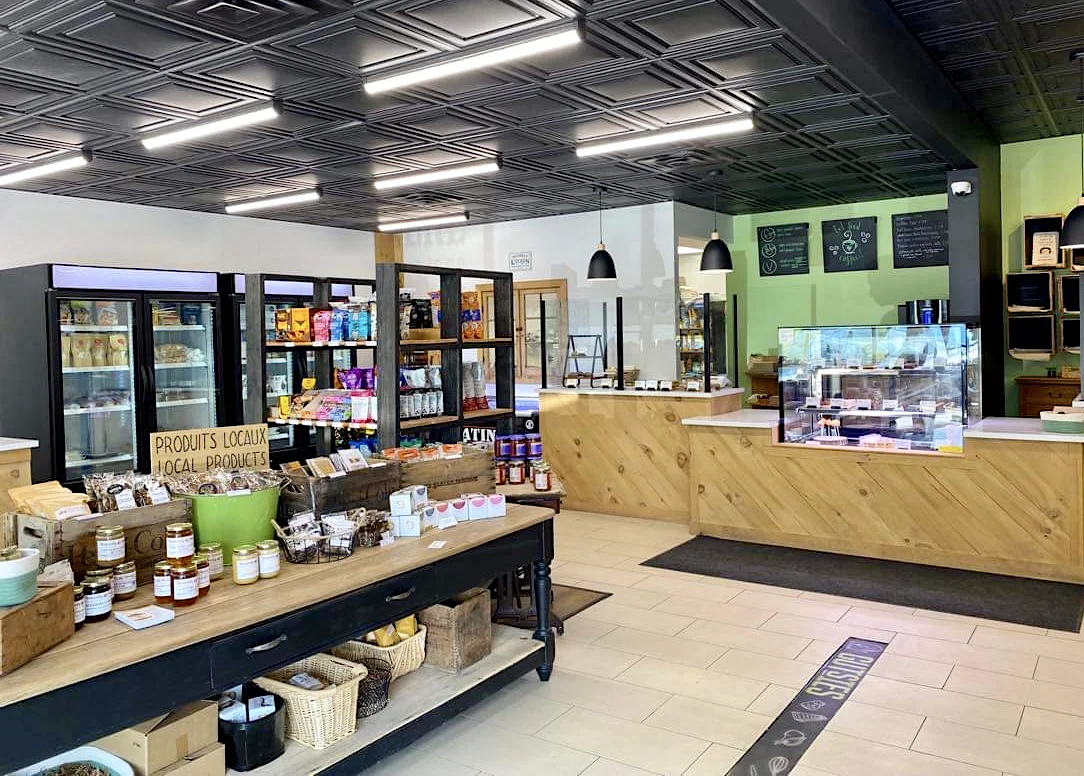
In the eastern suburb of Orléans, Gutsies has emerged as a specialized retail and bakery hub. Founded by Natasha [Last Name Inferred: local entrepreneur], following her daughter’s Celiac diagnosis, the establishment serves as a curator for high-quality gluten-free goods from Montreal and Toronto. This "living tree" model of business provides the local community with access to hard-to-find items, such as the pain au chocolat from Montreal’s La Marquise Sans Gluten, alongside in-house produced meals designed for those with additional sensitivities, such as Mast Cell Activation Syndrome (MCAS).

The market for specialized baked goods has also seen the rise of 2 Sprinkles (formerly 5 Cupcakes), which operates through online orders and farmers’ markets, such as the Lansdowne Market. Their focus on baked, rather than fried, donuts and artisan breads like herb garlic and onion cheese, highlights the increasing sophistication of gluten-free chemistry in local baking.

Global Cuisines and Naturally Gluten-Free Paradigms
A significant portion of Ottawa’s celiac-safe dining options stems from international cuisines that traditionally rely on rice, corn, or cassava rather than wheat. Latin American and Southeast Asian restaurants have become vital pillars for the gluten-free community due to their inherent culinary structures.

Latin American Innovations
The National Capital Region has seen a surge in authentic Latin American establishments. The Tortilla Maker of Canada in Orléans, founded by Miguel Angel Jiménez Reyes, focuses on 100% masa harina (corn flour) products. Similarly, the Venezuelan arepa—a naturally gluten-free corn pocket—has become a staple in the city through vendors like Gooneys Sandwichworks and Arepas Place. These establishments often utilize dedicated preparation areas to ensure that fillings remain uncontaminated. In Merivale, La Cabana specializes in Salvadoran pupusas, offering both corn and rice flour options, further diversifying the carbohydrate choices available to the gluten-avoidant public.

Southeast Asian and African Expertise
In the realm of Thai cuisine, Social Thai and Siam Bistro have established reputations for their understanding of cross-contact risks, specifically regarding soy sauce substitutions and wok-cleaning protocols. Khao Thai in the Byward Market continues to serve traditional dishes like tom kha gai, emphasizing the use of galangal and coconut milk over thickened agents.
West African cuisine is represented by YKO Chicken BBQ on Dalhousie Street. The establishment reports a menu that is nearly 100% gluten-free, relying on starches such as plantains, cassava, and rice. The management has noted that their fried items, including fries, are safe due to the absence of flour-dusted products in their fryers, with the sole exception being the dessert beignets, which are processed separately.

High-Risk Categories: Pizza, Poutine, and Fried Foods
Pizza and poutine represent the highest risk for celiac diners due to the ubiquitous presence of flour in traditional kitchens. However, several Ottawa establishments have implemented rigorous isolation techniques to capture this market segment.

The Pizza Protocol
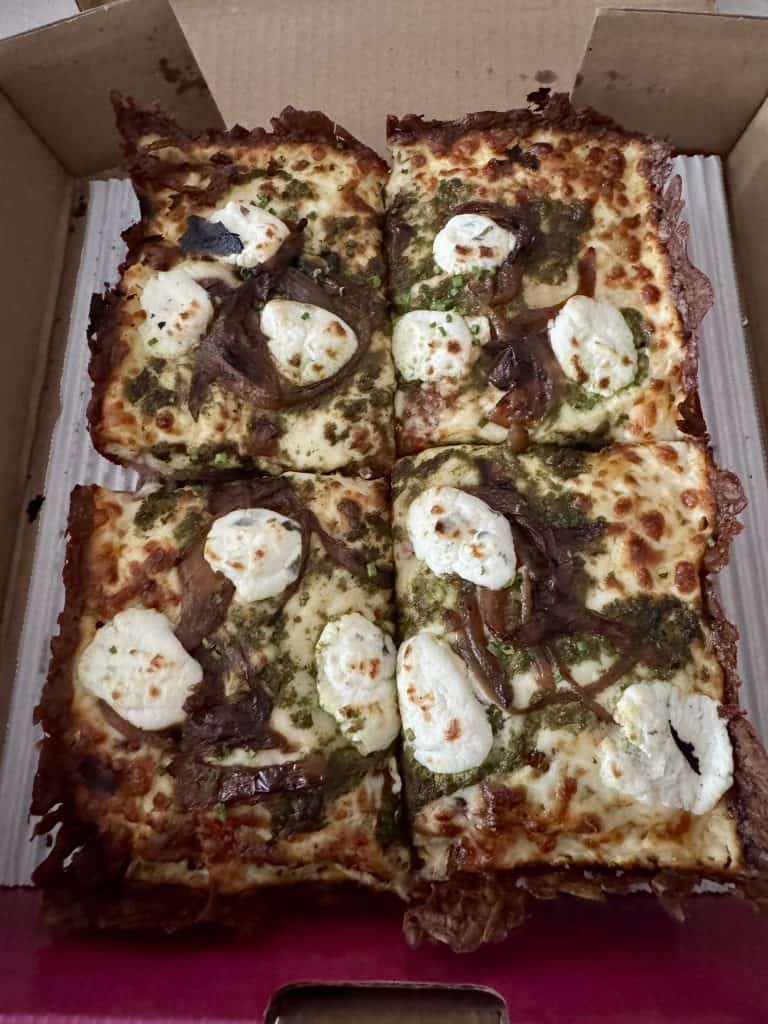
Establishments such as Pizza Nerds and Pizza Stay Gold have adopted specific hardware to prevent contamination. Pizza Nerds utilizes separate pans to ensure dough does not touch the oven floor, while Pizza Stay Gold—which specializes in Detroit-style deep dish—uses dedicated cutting boards, utensils, and pans for their gluten-free orders. These pizzas are often marked with stickers to verify their handling practices to the end consumer.

The Poutine Standard
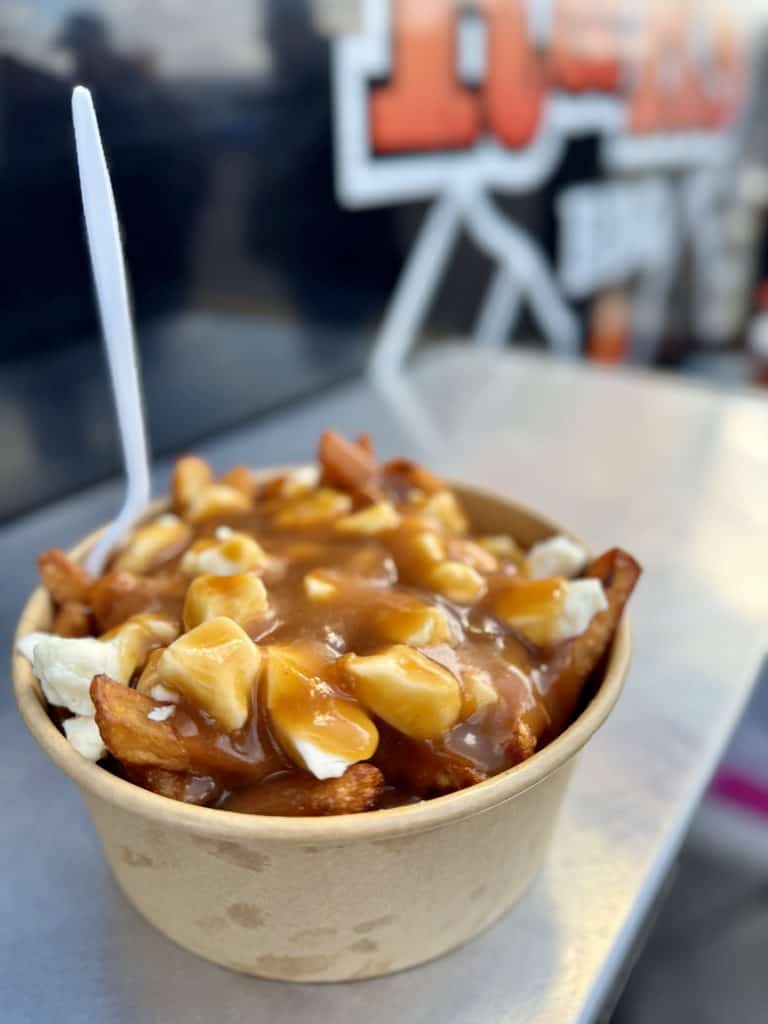
As a quintessential regional dish, poutine requires both gluten-free gravy and dedicated fryers. Smokin’ RR’s in Stittsville has gained acclaim for its entirely gluten-free poutine menu, utilizing dedicated fryers for all potato products. Across the river in Gatineau, Patate Lou Lou offers a gluten-free gravy option combined with St. Albert’s cheese curds, maintaining a dedicated fryer to ensure celiac safety. This level of specialization is a direct response to the "poutine purist" demand within the allergen-sensitive community.
Specialized Confections and Seasonal Markets
The dairy and frozen treat sector in Ottawa has also adapted to celiac requirements. The Merry Dairy and Moo Shu Ice Cream both offer house-made gluten-free waffle cones, a rarity in the industry. The Merry Dairy’s protocol includes opening fresh tubs of ice cream and using sanitized scoops upon a customer’s disclosure of Celiac disease. This "clean-break" service model is increasingly recognized as the gold standard for allergen-safe scooping shops.

The rise of seasonal pop-ups and farmers’ markets has allowed specialized businesses from other regions to penetrate the Ottawa market. The Bean Sprout GF, a Toronto-based business, conducts regular pop-ups in the capital to provide frozen, nut-free, and gluten-free Chinese dim sum, such as dumplings and spring rolls. This indicates a growing inter-city network of gluten-free supply chains.

Regulatory Context and Future Outlook
The current state of gluten-free dining in Ottawa is largely driven by entrepreneurial initiative rather than legislative mandate. Unlike the European Union, where 14 major allergens must be highlighted on all food labels (including restaurant menus), Canadian restaurants operate under a more flexible system. This places the burden of due diligence on the consumer.

However, the growth of the National Capital Region’s gluten-free sector suggests a shift toward a more formalized "Safe Dining" economy. The integration of local farms—as seen in the practices of Wilf & Ada’s—with allergen-safe preparation highlights a move toward sustainable, inclusive gastronomy. As the market for gluten-free products in Canada is projected to continue its upward trajectory, the National Capital Region is positioned to become a secondary hub for celiac-safe tourism, trailing only behind Montreal in its density of specialized offerings.

Chronology of Key Developments in Ottawa’s GF Scene
- 2008-2015: Initial emergence of dedicated bakeries like Strawberry Blonde; limited restaurant options.
- 2017-2019: Expansion of ethnic-specific GF options (Arepas Place, Wolf Down) and the rise of the "dedicated fryer" movement in poutine trucks.
- 2020-2022: Pandemic-era pivot leads to increased frozen-meal availability and the opening of specialized spots like Pizza Stay Gold and Sona Indian Kitchen.
- 2023-2024: Launch of hyper-specialized retail such as Gutsies and The Tortilla Maker; formalization of "celiac-safe" stickers and delivery protocols.
Broader Economic and Social Implications
The availability of safe dining options has a direct impact on the quality of life and social inclusion for the disabled and immunocompromised populations. In the National Capital Region, the collaboration between celiac advocates and local restaurateurs has fostered a community of "food angels"—individuals and businesses that bridge the gap for those unable to access traditional dining spaces. As the region continues to expand its "living tree" of gluten-free resources, it sets a precedent for how mid-sized North American cities can successfully integrate medical necessity with culinary excellence. The economic viability of these establishments, many of which are family-owned, proves that celiac safety is not just a moral imperative but a sustainable business strategy in the modern food economy.
