

The seasonal influx of zucchini, readily available from local farmers’ markets, grocery aisles, and burgeoning home gardens, highlights a period of significant agricultural bounty and culinary opportunity. This unassuming green squash, botanically classified as Cucurbita pepo, is currently at its peak, prompting widespread interest in diverse preparation methods that span the entire meal spectrum, from breakfast to dessert. Its remarkable adaptability in both sweet and savory applications underscores its status as a highly valued, if sometimes underestimated, ingredient in contemporary cuisine.

The Zucchini Phenomenon: A Botanical and Historical Overview

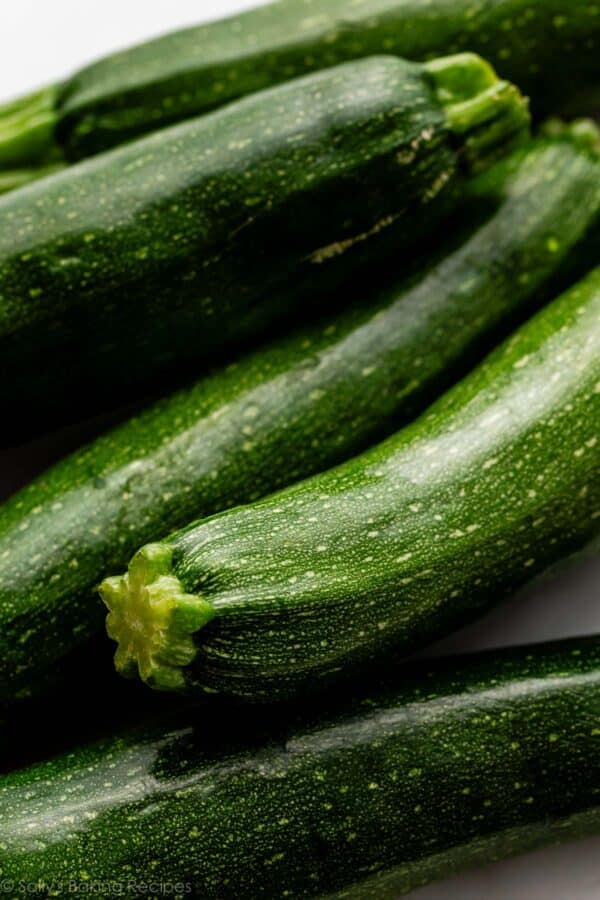
Zucchini, often referred to as courgette in many parts of the world, is a summer squash that originated in the Americas, though the specific cultivars we recognize today were developed in Italy in the late 19th century. Belonging to the gourd family (Cucurbitaceae), it is a close relative of cucumbers and melons. Its rapid growth and prolific yield are characteristic, contributing to the annual "zucchini surplus" many gardeners and farmers experience during the warmer months. Historically, squash has been a staple in indigenous American diets for thousands of years, forming part of the "Three Sisters" agricultural system alongside corn and beans. The Italian development of the zucchini as a distinct, tender fruit harvested young, rather than a mature, hard-shelled squash, revolutionized its culinary application, allowing it to be consumed entirely, skin and all. Its introduction to the United States occurred in the early 20th century, primarily brought by Italian immigrants, and it has since become a ubiquitous summer vegetable across North America and Europe.
Nutritional Profile and Health Benefits
Beyond its culinary flexibility, zucchini offers a notable nutritional profile that contributes to its widespread appeal. Composed of over 90% water, it is exceptionally low in calories, making it a valuable component of weight-management diets. A single medium zucchini provides a good source of Vitamin C, an essential antioxidant, and a decent amount of Vitamin B6, crucial for metabolic function. Furthermore, it contains significant levels of potassium, which supports heart health and blood pressure regulation, and manganese, vital for bone health and metabolism. The presence of various antioxidants, including lutein and zeaxanthin, contributes to eye health, while its fiber content aids digestion and promotes gut health. Agricultural studies consistently show that consuming a variety of colorful vegetables, including zucchini, contributes to a reduced risk of chronic diseases. Nutritionists frequently advocate for incorporating such hydrating and nutrient-dense vegetables into daily meals, highlighting zucchini’s mild flavor as an advantage for integrating it into dishes where stronger flavors might be unwelcome, particularly for children or those with discerning palates.
Agricultural Significance and Economic Impact

The cultivation of zucchini plays a vital role in local and national agricultural economies. Major producing regions globally include China, India, Russia, and the United States, with California and Florida being significant domestic producers. The ease of cultivation and high yield make it an attractive crop for both large-scale commercial farms and small-scale market gardeners. During peak season, typically from late spring through early autumn, the sheer volume of zucchini harvested can lead to market saturation, driving down prices and presenting both challenges and opportunities for growers and consumers alike. For farmers, managing a zucchini surplus involves careful planning regarding distribution channels, potential processing into value-added products, and engagement with food banks or community support initiatives. The economic implications extend to related industries, including transportation, packaging, and the retail sector, all of which see increased activity during the zucchini season. This annual abundance also stimulates local economies by boosting sales at farmers’ markets and encouraging community-supported agriculture (CSA) programs.

Culinary Adaptability: A Spectrum of Sweet and Savory Creations

The defining characteristic of zucchini in the kitchen is its unparalleled versatility. Its mild flavor and high water content make it an excellent ingredient for adding moisture and tender texture without overpowering other components of a dish. This attribute is particularly evident in baked goods, where shredded zucchini can perform a similar function to carrots in carrot cake, providing a subtle sweetness and remarkable moistness that often goes undetected by tasters.

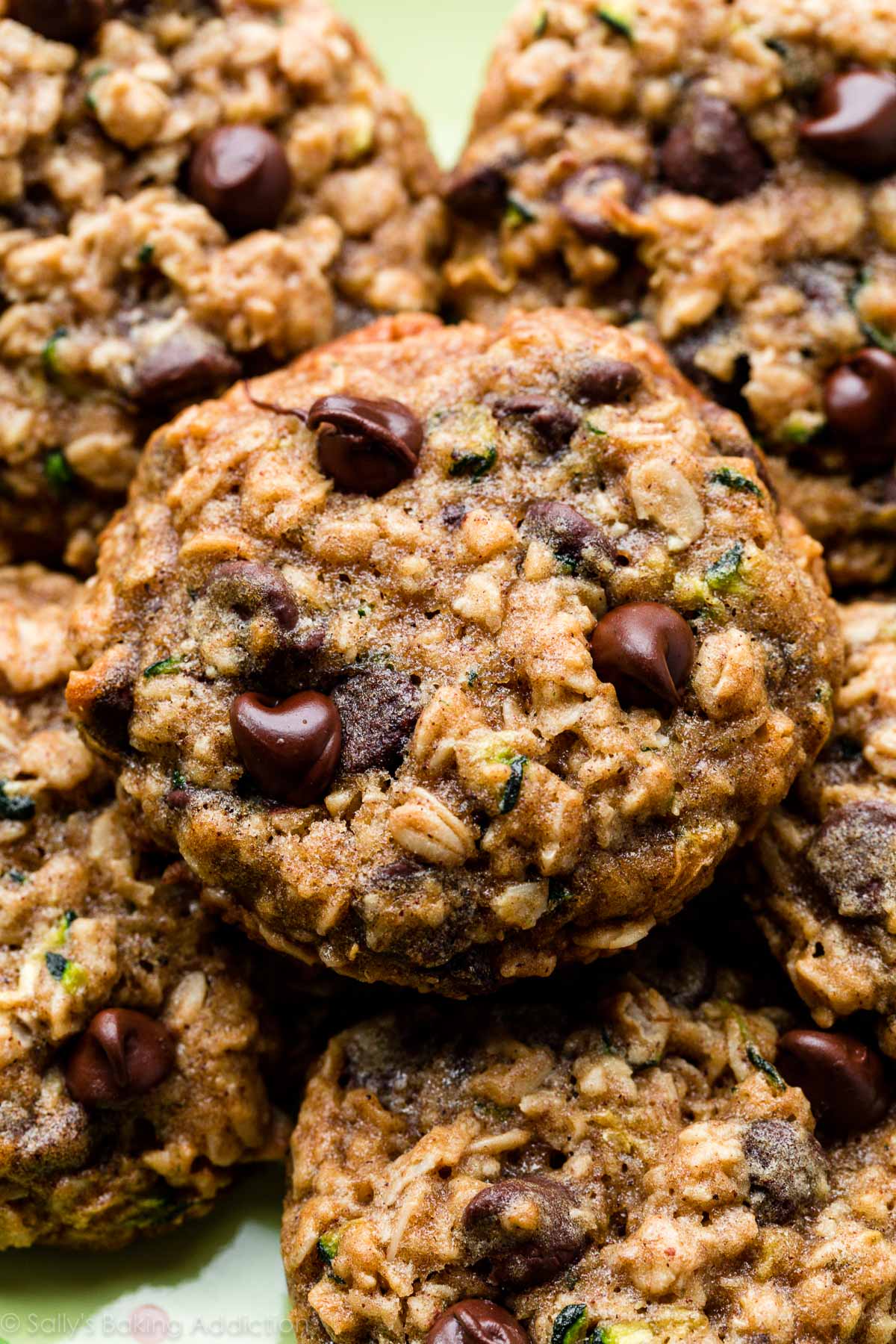
For sweet applications, zucchini has found a beloved place in a variety of desserts and breakfast items. Classic zucchini bread, often spiced with cinnamon and nutmeg, benefits immensely from the vegetable’s moisture, resulting in a tender crumb that freezes exceptionally well for future enjoyment. The same principle applies to zucchini muffins, which can be enhanced with cream cheese fillings or chocolate chips for added indulgence. Beyond these staples, zucchini has been ingeniously incorporated into more elaborate confections. A prime example is chocolate zucchini cake, a consistently popular choice during summer months, which can utilize a substantial quantity of zucchini (e.g., three cups) to create an undeniably rich and decadent dessert. Even cookies, such as zucchini oatmeal chocolate chip cookies, benefit from the addition, yielding a soft, chewy texture and a boost of hidden nutrition. The mildness of zucchini allows it to blend seamlessly into these recipes, often enriching the texture without imparting a distinct "vegetable" flavor, making it an ideal candidate for those looking to subtly increase their vegetable intake. Zucchini crumb cake, crowned with a buttery brown sugar topping and vanilla icing, further exemplifies how this vegetable elevates traditional baked goods.

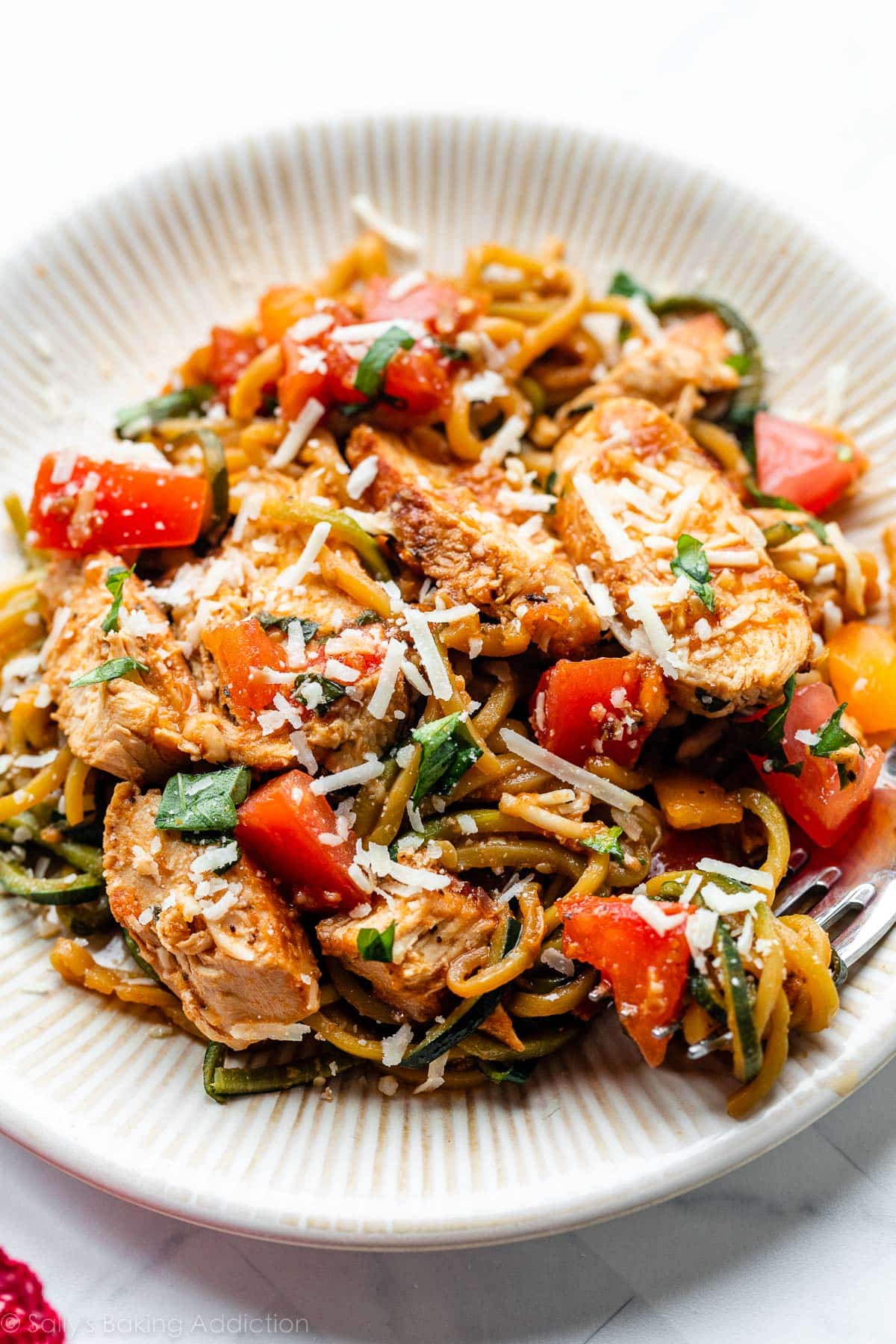
In the realm of savory cuisine, zucchini’s applications are virtually endless, offering healthful alternatives and textural enhancements across numerous meal categories. Its ability to be spiralized into "zoodles" provides a low-carb, gluten-free substitute for pasta, pairing effectively with dishes such as chicken meatballs in a lemony garlic herb butter sauce or bruschetta chicken, offering a fresh counterpoint to rich flavors. Sliced and baked, zucchini forms the backbone of cheesy casseroles, often infused with aromatic herbs like oregano, thyme, basil, and garlic, requiring minimal pre-cooking and baking to a tender finish. Shredded zucchini also stars in stovetop preparations like zucchini fritters, which, when seasoned with garlic and fresh herbs, make for a quick and flavorful side dish suitable for any meal. The addition of sweet potato to these fritters further diversifies the flavor and nutritional profile. Even in unexpected formats, such as savory zucchini biscuits, the vegetable contributes moisture and a delicate texture. Culinary professionals frequently advise the use of a simple box grater for many of these recipes, highlighting the ease of preparation.
Addressing the Zucchini Surplus: Preservation and Innovation

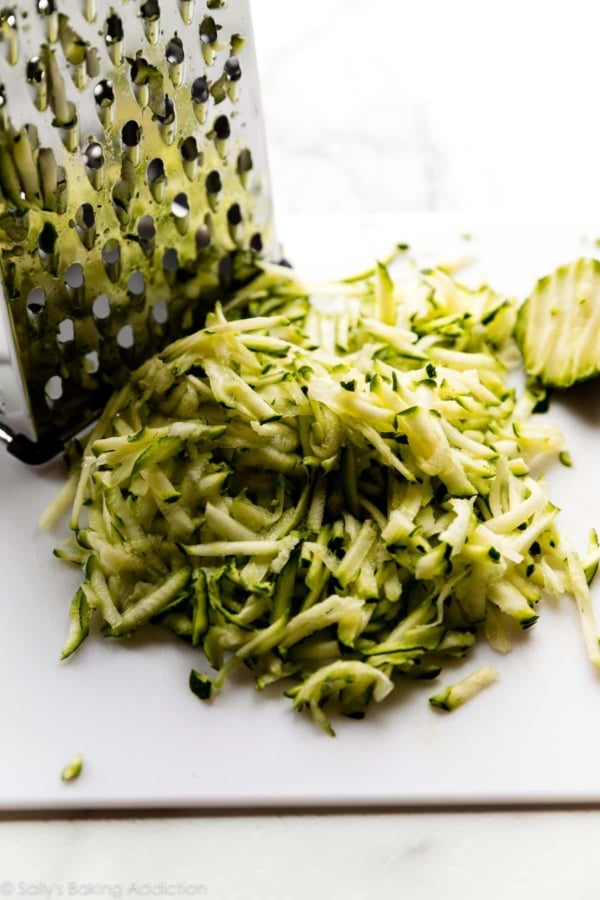
The annual abundance of zucchini often leads to a surplus that challenges home cooks and commercial kitchens alike. Effective preservation techniques become crucial to extend its usability beyond peak season. Freezing shredded zucchini is a widely adopted method; the process involves grating the zucchini, thoroughly squeezing out excess moisture using paper towels or a clean kitchen towel, and then storing it in flattened, zipped-top bags. This method allows for quicker thawing and maintains the zucchini’s integrity for use in baked goods and savory recipes for up to three to four months. Upon thawing, a final blotting to remove any residual liquid is often recommended.

Beyond freezing, other preservation methods include pickling zucchini, dehydrating slices for vegetable chips, or transforming it into canned relishes and chutneys. These approaches not only reduce potential food waste but also create unique culinary products that can be enjoyed year-round. The "problem" of a zucchini surplus has, in fact, spurred significant culinary innovation, with chefs and home cooks constantly experimenting with new ways to incorporate this versatile vegetable. Community initiatives, such as gleaning programs and farmers’ market donation schemes, also play a role in redistributing excess produce to those in need, transforming potential waste into valuable nourishment.
Expert Perspectives and Broader Implications

Agricultural economists emphasize that the seasonal availability of crops like zucchini drives consumer behavior and necessitates adaptive strategies within the food supply chain. "The high yield of zucchini, while a blessing for food security, demands creative marketing and processing solutions to prevent market gluts and ensure fair returns for farmers," states Dr. Eleanor Vance, an agricultural policy analyst. From a nutritional standpoint, registered dietitians frequently highlight zucchini as an accessible means to boost vegetable intake. "Its mild flavor allows it to be ‘hidden’ in dishes, making it an excellent vehicle for increasing nutrient density without altering the taste profile dramatically, especially for families with picky eaters," notes Sarah Chen, a leading dietitian.

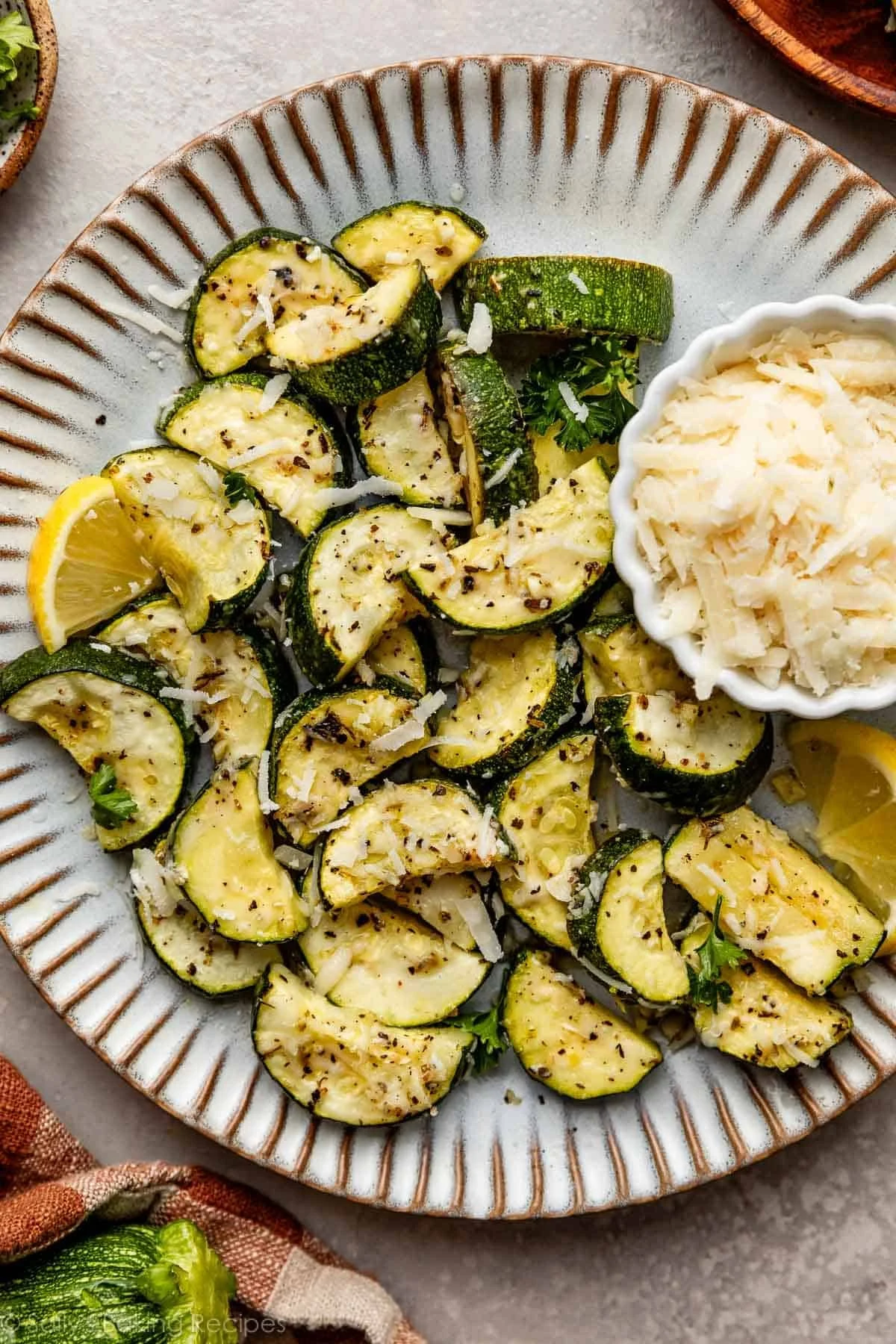
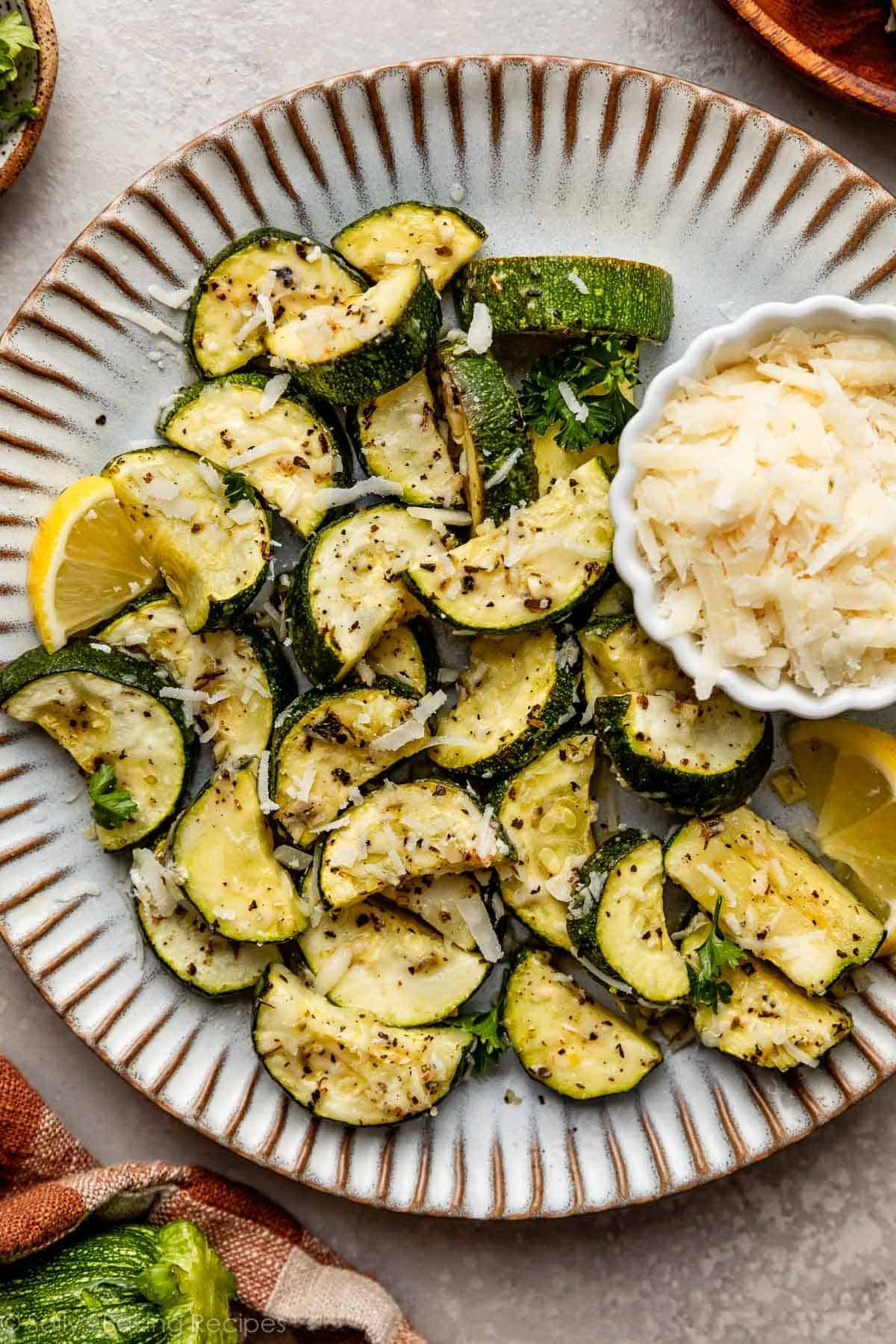
The trend towards vegetable-forward dining, driven by increasing health consciousness and environmental concerns, further solidifies zucchini’s place in modern gastronomy. Restaurants and home cooks are increasingly exploring plant-based dishes, and zucchini, with its textural versatility and neutral flavor, is a natural fit. Its role in popular dishes like minestrone soup, crustless veggie quiches, and various roasted vegetable preparations, including roasted lemon garlic zucchini finished with parmesan, demonstrates its broad appeal across different culinary traditions and meal occasions. The preparation of roasted zucchini, a method requiring approximately 20 minutes in the oven and minimal preparation, exemplifies the vegetable’s capacity to deliver significant flavor with little effort, making it a favored side dish.

In conclusion, zucchini’s journey from an ancient American squash to a modern culinary staple showcases its remarkable adaptability and enduring appeal. Its seasonal abundance is not merely a fleeting phenomenon but a recurring invitation to explore a vast array of sweet and savory dishes, supported by its beneficial nutritional profile and significant agricultural footprint. From providing undetectable moisture in beloved baked goods to forming the healthy base of innovative main courses, zucchini consistently proves its worth as a Most Valuable Veggie (MVV) in kitchens worldwide, continually inspiring creativity and sustainable food practices.
