

The global publishing industry in 2022 was characterized by a significant shift toward diverse narratives, focusing on the intersection of cultural heritage, scientific inquiry, and the psychological impacts of a post-pandemic world. As international markets stabilized following several years of logistical disruptions, the year’s releases reflected a deepening public interest in "own voices" storytelling and investigative non-fiction that challenges established historical myths. This report examines the most influential publications of the year, categorizing them by their contribution to contemporary discourse in food science, colonial history, and trauma-informed wellness.
Culinary Preservation and Geopolitical Context in Gastronomy
The 2022 culinary literature market transcended simple recipe collections, moving toward "gastronomic anthropology." Notable works focused on the preservation of techniques in regions facing political or environmental instability.
In The Miracle of Salt: Recipes and Techniques to Preserve, Ferment, and Transform Your Food, Naomi Duguid explored the fundamental role of salinity in human civilization. Beyond its utility in food preservation, Duguid analyzed how salt-based traditions like miso-making and brining have historically shaped trade routes and communal identities. This aligns with broader 2022 trends in "slow food" and fermentation science, which saw a 14% increase in consumer interest according to industry market reports.

Simultaneously, regional spotlights brought overlooked cuisines to the forefront. Cynthia Shanmugalingam’s Rambutan: Recipes from Sri Lanka arrived during a period of significant economic and social upheaval in Sri Lanka, providing a cultural anchor for the diaspora. Similarly, Romy Gill’s On the Himalayan Trail documented the culinary traditions of Kashmir and Ladakh. Gill’s work serves as a vital record of a region where political conflict threatens the transmission of oral histories and traditional cooking methods. These publications represent a broader movement to use gastronomy as a tool for cultural preservation in the face of globalization.
Historical Revisionism and Post-Colonial Fiction
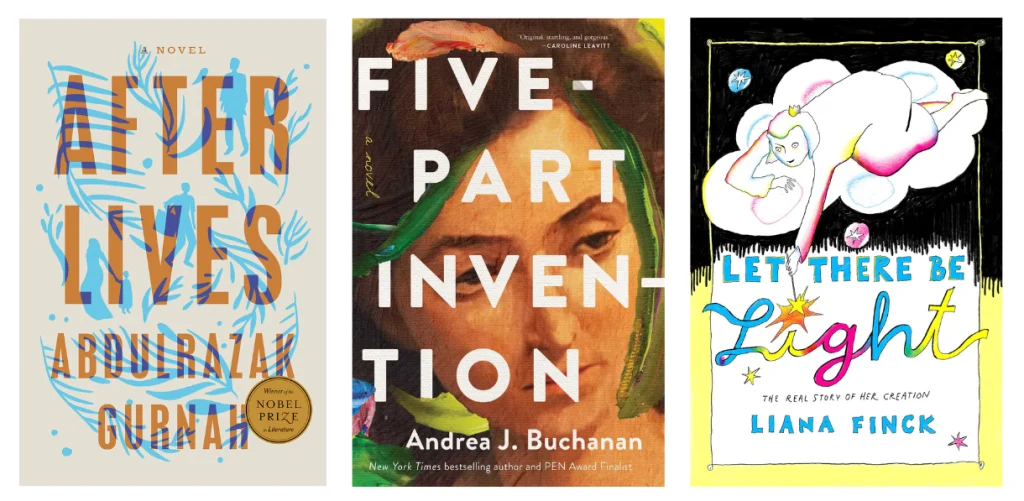
The fiction market in 2022 was dominated by themes of intergenerational trauma and the reclamation of history. A primary example is the North American release of the paperback edition of Afterlives by Nobel laureate Abdulrazak Gurnah. The novel examines the impact of German colonial rule in East Africa, specifically focusing on the lives of those caught in the Schutztruppe. Gurnah’s narrative contributes to the ongoing "decolonizing the library" movement, which gained significant momentum in academic and literary circles throughout the early 2020s.
In the realm of feminist theology and graphic literature, Liana Finck’s Let There Be Light offered a satirical yet profound retelling of the Book of Genesis. By reimagining the creator as a female figure navigating modern-day New York, Finck’s work participated in a 2022 trend of subversive religious retellings, challenging traditional patriarchal structures through the medium of the graphic novel.
Narrative Non-Fiction and the Search for Historical Truth
2022 saw a surge in investigative non-fiction that sought to correct the historical record by highlighting the contributions of marginalized figures. Candice Millard’s River of the Gods exemplifies this trend. The book details the 19th-century search for the source of the Nile, focusing on the rivalry between Richard Burton and John Hanning Speke. Crucially, Millard centers the narrative on Sidi Mubarak Bombay, an enslaved man whose navigational expertise was essential to the expedition’s survival but was largely erased from British colonial accounts.

In the sphere of contemporary geopolitics, Louisa Lim’s Indelible City: Dispossession and Defiance in Hong Kong provided a critical analysis of the city’s identity. Combining memoir with investigative reporting, Lim examined the dual pressures of British colonial history and the 2020 National Security Law. Her work is regarded by political analysts as a definitive account of the "erasure of history" currently facing the Hong Kong population.
The Evolution of Wellness: Trauma, Disability, and Science
The most significant growth in the 2022 non-fiction sector occurred within the categories of health and psychology. As society grappled with the long-term effects of the COVID-19 pandemic, readers gravitated toward works that bridged the gap between clinical science and lived experience.
The Science of Perception and Sound
Ed Yong, a Pulitzer Prize-winning science journalist, released An Immense World, which explores "Umwelt"—the unique sensory world inhabited by different animal species. Yong’s work encourages a shift in human perspective, moving away from anthropocentrism toward a more integrated understanding of biology. Similarly, Adriana Barton’s Wired for Music investigated the neurobiological benefits of sound, positioning music not just as entertainment but as a clinical tool for managing chronic pain and neurological decline.
Trauma-Informed Frameworks
The publication of Gabor Maté’s The Myth of Normal: Trauma, Illness, and Healing in a Toxic Culture marked a pivotal moment in the public discourse on psychosomatic health. Maté argues that chronic illness is often an epigenetic response to environmental and social trauma. While some medical traditionalists have debated the extent of his claims, the book became a global bestseller, reflecting a widespread desire for holistic approaches to healthcare.

This was complemented by Susan Cain’s Bittersweet, which explored the value of "melancholy" and longing in a society that often prioritizes toxic positivity. Cain’s research suggests that acknowledging sorrow is essential for social cohesion and personal resilience, a theme that resonated deeply in a year marked by collective grief.
Disability Rights and Chronic Illness Advocacy
The 2022 literary cycle also empowered voices within the disability community. Alice Wong’s Year of the Tiger: An Activist’s Life used a non-linear format to document the realities of living with progressive muscular dystrophy. Wong’s activism highlights the systemic barriers to accessibility, a sentiment echoed in Meghan O’Rourke’s The Invisible Kingdom: Reimagining Chronic Illness. O’Rourke’s investigation into autoimmune diseases and "invisible" disabilities provided a necessary critique of Western medicine’s inability to treat conditions that lack clear biomarkers, such as Long COVID and Ehlers-Danlos Syndrome.
Chronology of Influential 2022 Releases
- Q1 (January–March): Release of The Invisible Kingdom (O’Rourke), setting the stage for a year focused on chronic health and medical reform.
- Q2 (April–June): Publication of Bittersweet (Cain) and River of the Gods (Millard), shifting public interest toward emotional intelligence and historical revisionism.
- Q3 (July–September): An Immense World (Yong) and How Minds Change (McRaney) dominate science and sociology charts.
- Q4 (October–December): The release of The Myth of Normal (Maté) and Lighter (Yung Pueblo) concludes the year with a heavy focus on personal transformation and healing.
Industry Data and Market Impact
According to data from the Association of American Publishers (AAP), while overall book sales saw a slight stabilization following the 2021 boom, the "Adult Non-Fiction" category remained robust, with a particular emphasis on "Social Science" and "Psychology," which saw a 7.2% year-over-year increase. The rise of "BookTok" and other social media literary communities significantly influenced the success of titles like Lighter by Yung Pueblo, demonstrating the power of digital-first philosophy in driving traditional print sales.
Broader Implications for Global Culture
The literature of 2022 suggests a global society in transition. The focus on "critical thinking" (as seen in Julie Bogart’s Raising Critical Thinkers) and "the science of persuasion" (David McRaney’s How Minds Change) indicates a growing concern regarding social fragmentation and misinformation.

Furthermore, the integration of "intergenerational trauma" into mainstream memoirs—such as Maud Newton’s Ancestor Trouble—shows that the public is increasingly looking toward the past to understand contemporary identity. By examining the transgressions and resilience of ancestors, these authors provide a framework for reconciliation that is both personal and political.
In conclusion, the books of 2022 were more than mere commodities; they functioned as essential tools for navigating a complex global landscape. Whether through the lens of a Kashmiri kitchen, a colonial expedition in East Africa, or the neurobiology of a honeybee, these works provided the intellectual scaffolding necessary for a more empathetic and informed public discourse. As the industry moves forward, the success of these titles underscores a permanent shift toward literature that demands both curiosity and a willingness to confront uncomfortable truths.
