

The intersection of digital entrepreneurship, patient advocacy, and medical research was highlighted in 2025 through the professional output of Jodi Ettenberg, the founder of Legal Nomads. Despite enduring severe physical limitations caused by a chronic spinal cerebrospinal fluid (CSF) leak, Ettenberg reached significant milestones in both the medical and gluten-free travel sectors. Her work during the 2025 calendar year transitioned from personal narrative to institutional leadership, culminating in her appointment as Board President of the Spinal CSF Leak Foundation and the co-authorship of a peer-reviewed medical paper. This period marked a critical evolution for the Legal Nomads brand, which has shifted from a travel-centric blog to a platform for disability advocacy and specialized medical resources.
The Medical Context of Spontaneous Intracranial Hypotension
To understand the scope of Ettenberg’s 2025 achievements, it is necessary to examine the clinical nature of her condition. Spontaneous Intracranial Hypotension (SIH) is a condition typically caused by a hole or tear in the dura mater, the outermost layer of the meninges surrounding the brain and spinal cord. This results in the leakage of CSF, which is essential for cushioning the brain. When the volume of this fluid decreases, the brain loses its buoyancy and "sags" within the skull, leading to debilitating orthostatic headaches that worsen when the patient is upright.
Ettenberg’s case, which began following a lumbar puncture in 2017, has resulted in a permanent state of physical disability. In her 2025 reporting, she noted that her "uptime"—the amount of time she can remain standing or sitting—is strictly measured in increments. A significant setback occurred on December 25, 2024, when a fall in the shower further compromised her baseline health, necessitating a year of work conducted primarily from a supine position. This physical constraint serves as the backdrop for her professional productivity in the subsequent twelve months.
Institutional Leadership and Executive Oversight
In 2025, Ettenberg’s role within the medical advocacy community reached an apex with her appointment as the Board President of the Spinal CSF Leak Foundation, a 501(c)(3) non-profit organization dedicated to improving the lives of those affected by SIH. This transition into a leadership role required the application of her previous professional background as a corporate lawyer.
One of the primary institutional achievements of the year was the successful execution of a national search and hiring process for a new Executive Director. Ettenberg managed a recruitment pipeline that exceeded 130 applicants. The process involved the development of standardized scoring metrics, the coordination of multi-stage interviews, and the navigation of complex employment law considerations, supported by pro bono counsel.
Beyond personnel management, Ettenberg’s presidency involved overseeing the organization’s annual medical conference and the launch of the first international patient registry for spinal CSF leaks. These initiatives are designed to bridge the data gap between patient experiences and clinical research, a common hurdle in the study of rare or underdiagnosed neurological conditions.
Contributions to Medical Literature and Clinical Reporting
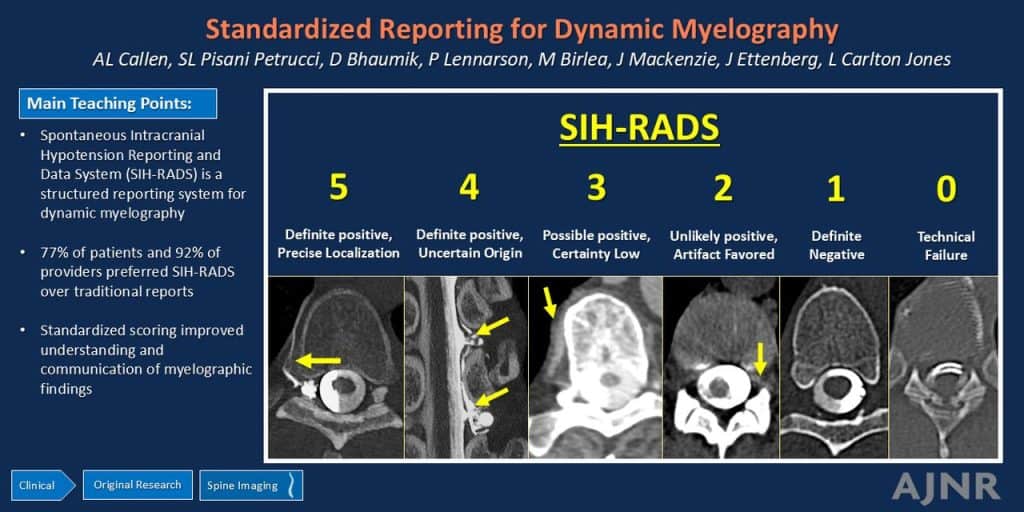
A landmark achievement in Ettenberg’s 2025 portfolio was her contribution to a peer-reviewed research paper published in the American Journal of Neuroradiology (AJNR). The paper, titled "Enhancing Clarity in Dynamic Myelography Reporting: Results of a Survey of Patients and Referring Providers Evaluating a Standardized Reporting System in the Myelographic Work-Up of Patients with Suspected Spontaneous Intracranial Hypotension," proposed a new system known as SIH-RADS.

The SIH-RADS system aims to standardize how radiologists report the findings of dynamic myelograms—a specialized imaging technique where contrast dye is injected into the spinal canal and monitored in real-time to locate leaks. Historically, the lack of standardized reporting has led to diagnostic delays and miscommunication between radiologists and neurosurgeons. As a patient author, Ettenberg provided a unique perspective on how standardized data can improve patient understanding and clinical outcomes. The study indicated that both physicians and patients preferred the SIH-RADS system over traditional, non-standardized reporting methods.
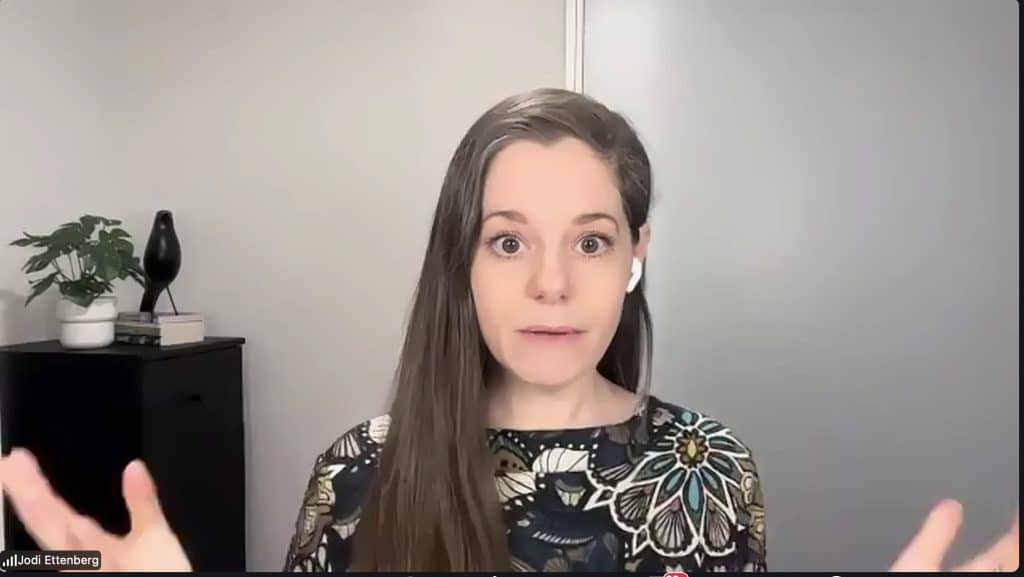
Following the publication, Ettenberg was invited to speak at a medical conference in a "fireside chat" format with Dr. Andrew Callen, a neuroradiologist at the University of Colorado. The discussion focused on identifying and removing barriers to care for SIH patients, marking one of the few instances where Ettenberg was able to present in person during the year.

Expansion of Global Celiac Resources and Digital Commerce
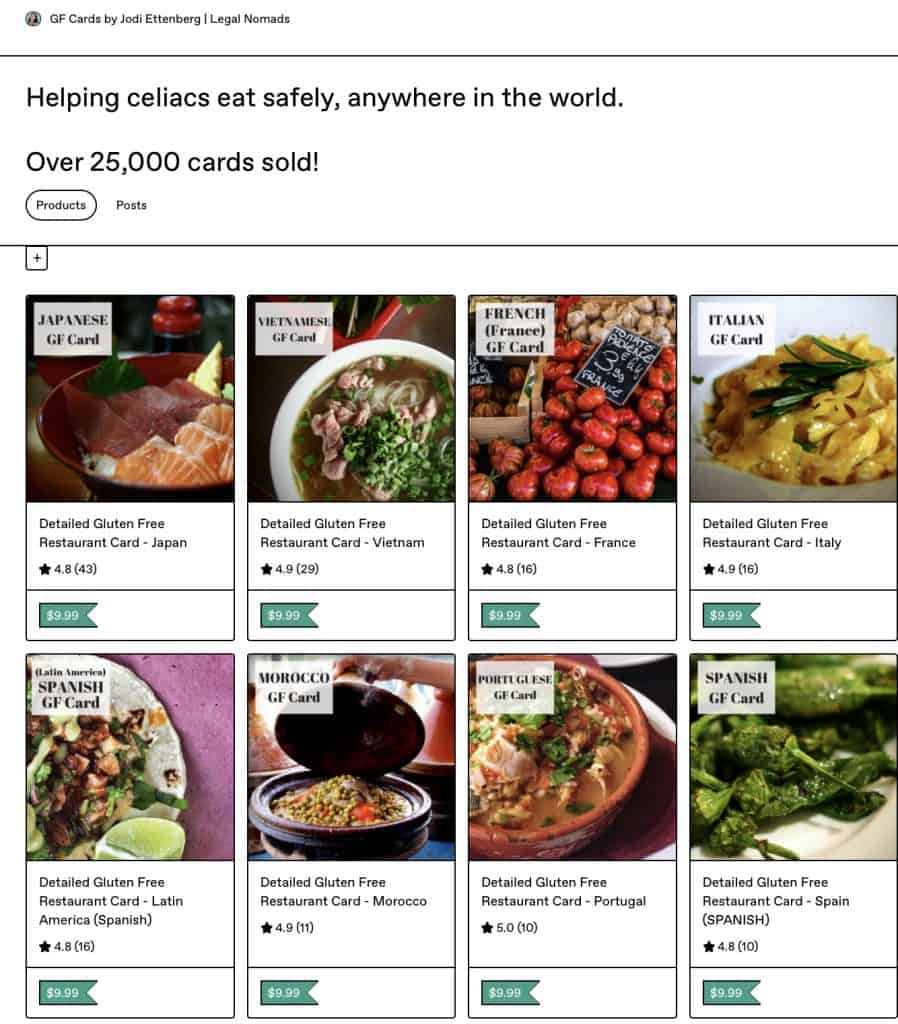
Parallel to her medical advocacy, Ettenberg continued to expand her digital business, which serves the global celiac community. Since being diagnosed with celiac disease, an autoimmune disorder where the ingestion of gluten leads to damage in the small intestine, Ettenberg has developed a suite of translation tools designed to facilitate safe travel.
In 2025, the business reached a significant commercial milestone with the sale of the 25,000th celiac translation card. These cards are professionally translated documents that explain the medical necessity of a gluten-free diet, including cross-contamination risks, in local languages. The year saw the addition of three new languages: Croatian, Korean, and Khmer, bringing the total offering to 21 languages.
Furthermore, Ettenberg published two comprehensive "Essential Gluten-Free Guides" for Cambodia and South Korea. These guides, ranging from 3,000 to 5,000 words, provide a detailed analysis of local cuisines, identifying naturally safe dishes and high-risk ingredients. This data-driven approach to food safety has become a benchmark in the travel industry for travelers with restrictive medical diets.
Digital Content Strategy and Community Engagement
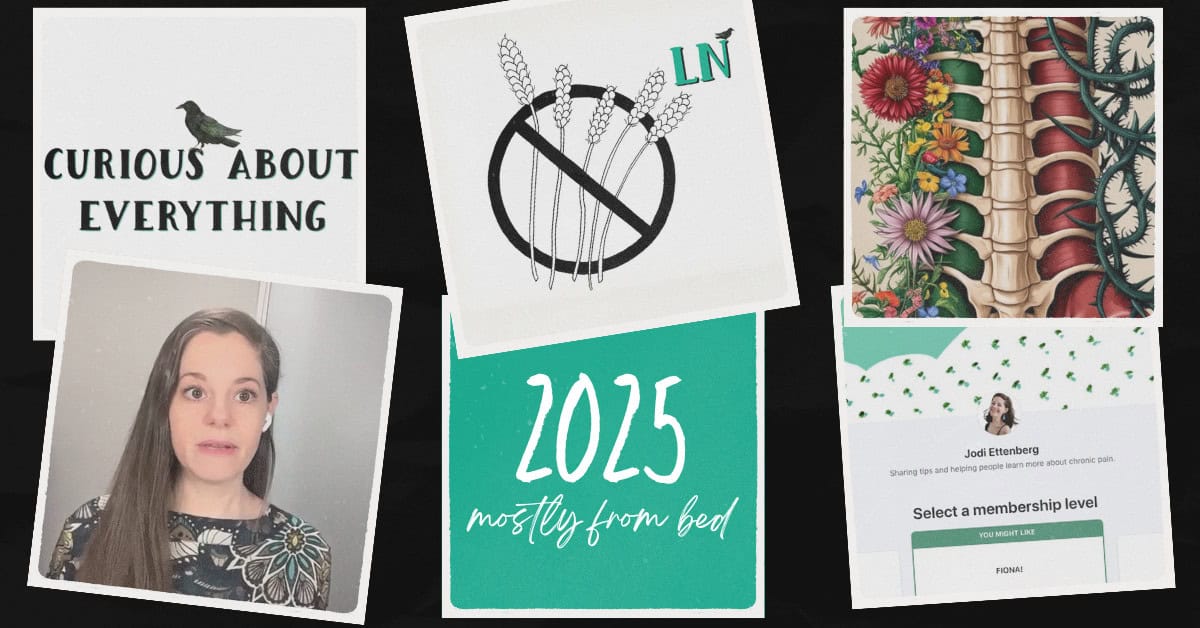
Despite the decline of her physical mobility, Ettenberg maintained a robust digital presence through a multi-tiered content strategy. This strategy is anchored by the "Curious About Everything" (CAE) newsletter and a Patreon-supported membership community.
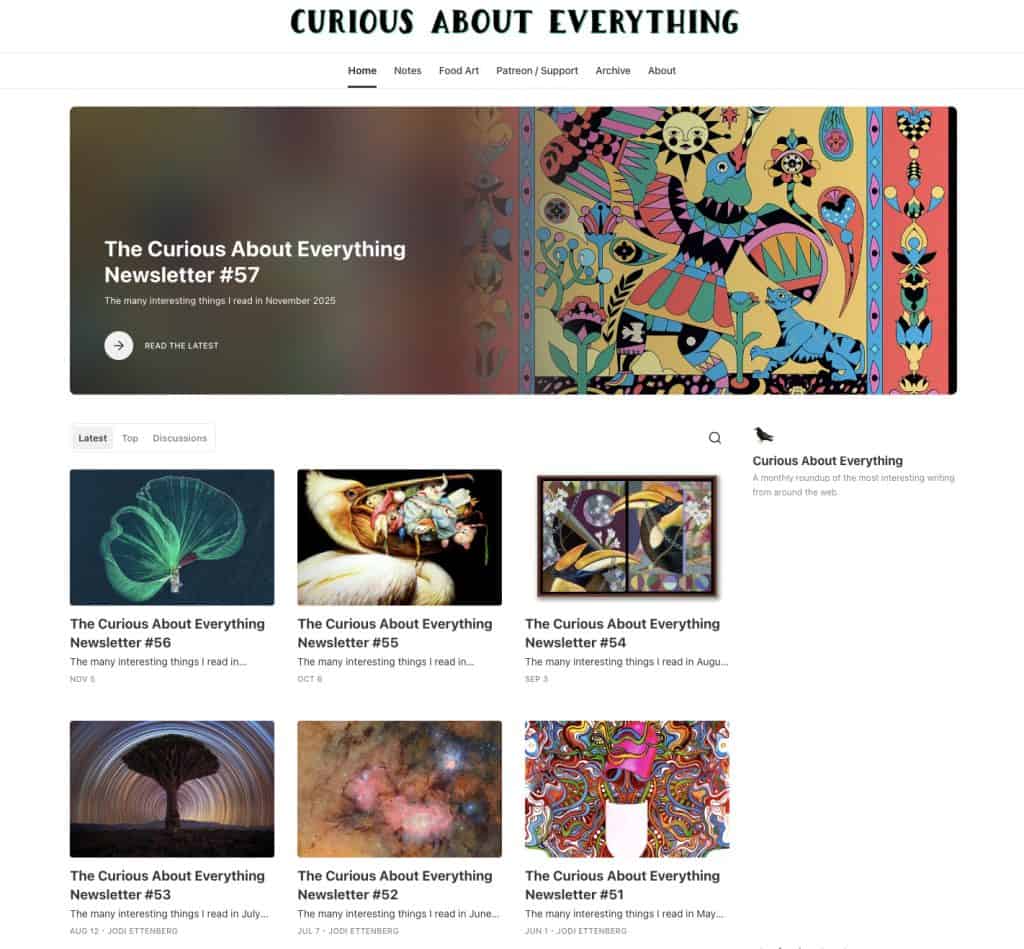
- Curious About Everything Newsletter: In 2025, the newsletter reached its 57th edition. The publication serves as a curated digest of science, technology, and humanities, maintaining a monthly cadence. This product serves as a top-of-funnel engagement tool, keeping the Legal Nomads brand relevant in a competitive digital landscape.
- Patreon and Membership Model: Ettenberg utilized a "Support Only" model for her Patreon, which allows for a consistent revenue stream that is not tied to a rigid delivery schedule. This model is particularly effective for creators with chronic illnesses, as it decouples income from daily physical output. In late 2025, she reported that the Patreon community provided the financial stability necessary for her to continue her pro bono work for the Spinal CSF Leak Foundation.
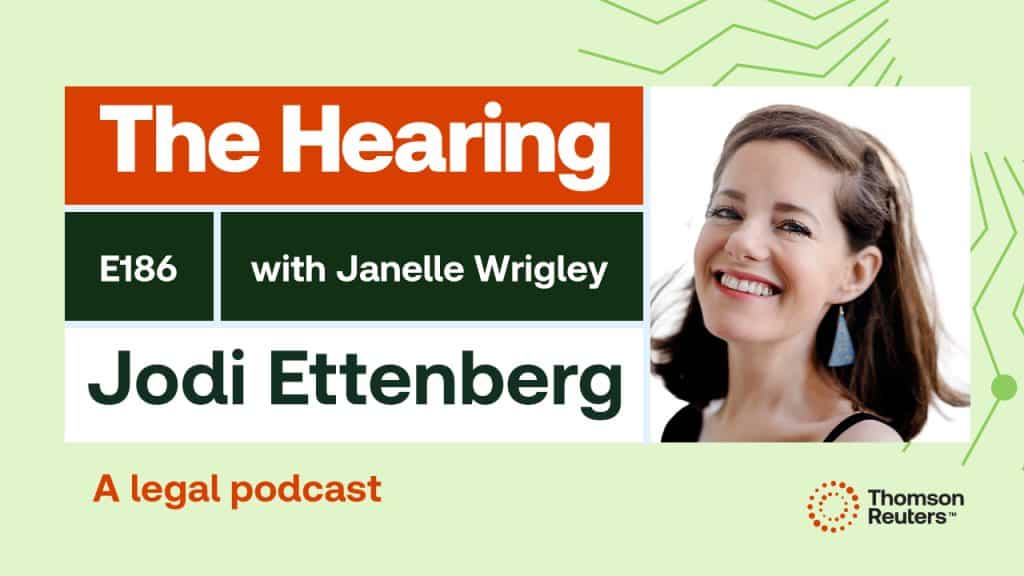
- Podcast and Media Appearances: Ettenberg was featured on "The Hearing," a legal podcast by Thomson Reuters. The 53-minute interview explored her transition from a career in law to a life of digital entrepreneurship and advocacy, providing a case study for professionals seeking non-traditional career paths.
Fundraising and Public Awareness
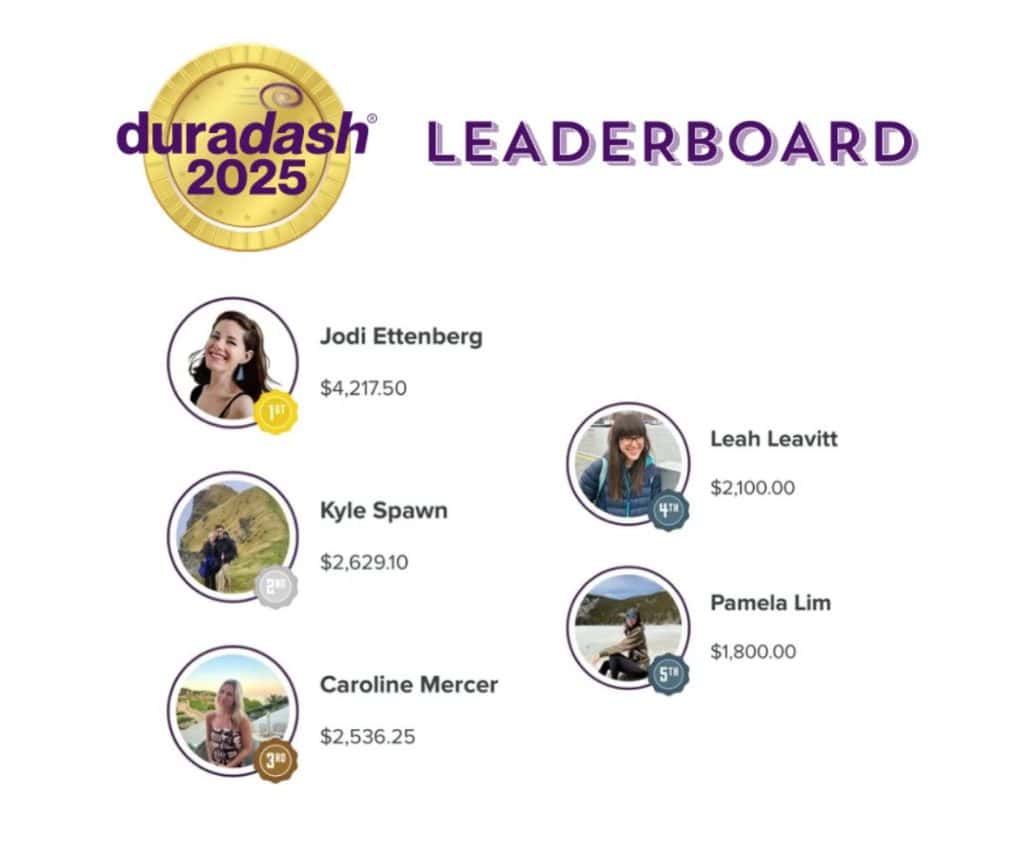
The 2025 fiscal year also saw a successful community-driven fundraising effort. During "Leakweek," the annual awareness campaign for spinal CSF leaks, Ettenberg’s community raised $4,217 USD. These funds were directed toward research initiatives and patient support programs. The success of this campaign underscores the high level of trust and engagement Ettenberg has cultivated within her niche audience over the past decade.
Chronology of Evolution: From Law to Advocacy
The trajectory of Ettenberg’s career can be divided into three distinct phases, each contributing to her current capacity as an advocate:
- 2003–2008: The Legal Phase. Ettenberg worked as a corporate lawyer, honing the analytical and administrative skills that would later facilitate her work with medical foundations and research papers.
- 2008–2017: The Travel and Entrepreneurship Phase. Following her departure from law, she founded Legal Nomads. This period was defined by global travel, the establishment of a massive digital audience, and the creation of the celiac translation card business.
- 2017–Present: The Advocacy and Disability Phase. Since the onset of her spinal CSF leak, her work has focused on the "granularity" of living with a chronic condition. This phase has seen the integration of her legal expertise with her personal medical experience to drive systemic change in how SIH is diagnosed and treated.
Broader Impact and Implications for Patient-Led Research
The achievements of Jodi Ettenberg in 2025 reflect a broader trend in modern medicine: the rise of the "expert patient." In rare disease communities, patients often possess a level of lived experience that, when combined with professional skills—such as legal or research training—can significantly accelerate clinical progress.
Ettenberg’s involvement in the SIH-RADS paper and her leadership at the Spinal CSF Leak Foundation suggest that the future of rare disease advocacy lies in formal partnerships between patients and clinicians. Furthermore, her ability to maintain a profitable digital business while bed-bound provides a blueprint for the "creator economy" as a viable path for individuals with severe physical disabilities.
As 2025 concludes, the Legal Nomads platform has solidified its position not merely as a travel resource, but as a vital hub for medical education and advocacy. The integration of high-level administrative oversight, medical research, and digital commerce demonstrates a resilient model of professional output in the face of chronic illness.
