

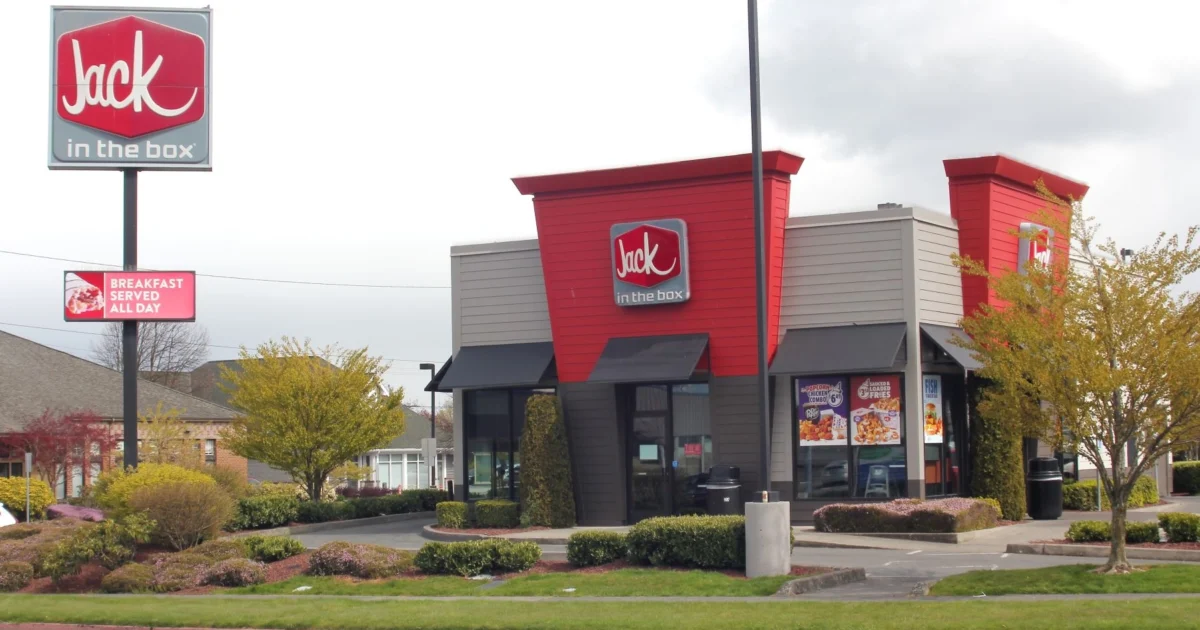
Jack in the Box, the iconic fast-food chain known for its distinctive mascot and diverse menu, has announced a significant shift in its leadership structure with the appointment of Eduardo Luz, a seasoned executive with extensive experience in the restaurant industry, to its board of directors. This strategic move coincides with the planned retirement of two long-serving directors, David Goebel and Madeleine Kleiner, signaling a period of transition and potential strategic recalibration for the San Diego-based company. The changes come at a critical juncture for Jack in the Box, as it grapples with a prolonged period of declining same-store sales and seeks to revitalize its brand and operational performance.
A New Era of Leadership: Eduardo Luz Joins the Board
Eduardo Luz brings a wealth of experience to the Jack in the Box board, having previously served as the Chief Executive Officer of P.F. Chang’s and held executive positions at Panera Bread. His appointment is viewed as a strategic infusion of operational expertise and brand-building acumen, critical for navigating the current competitive landscape of the quick-service restaurant sector. Luz’s background suggests a deep understanding of multi-unit restaurant operations, strategic growth initiatives, and the challenges associated with brand repositioning and customer engagement in a rapidly evolving market. His tenure at P.F. Chang’s, a casual dining brand that underwent significant transformation, and his time at Panera Bread, a brand known for its emphasis on quality and customer experience, provide a valuable perspective for Jack in the Box as it seeks to reverse its sales trajectory.
Boardroom Departures and a Shifting Power Dynamic
The departure of David Goebel, the former chairman of the Jack in the Box board, marks the end of a significant chapter for the company. Goebel’s tenure on the board, which began in 2008, spanned a period of both growth and significant challenges for the fast-food giant. His exit follows a contentious proxy fight initiated by activist investor Sardar Biglari, whose attempts to influence the company’s direction highlighted internal governance discussions and shareholder activism within Jack in the Box. While Jack in the Box ultimately prevailed in that proxy battle, the subsequent appointment of Mark King, former CEO of Taco Bell, as chairman, and now Goebel’s planned retirement, underscores a deliberate effort to reshape the board’s composition and strategic oversight. It is important to note that Goebel was not slated for re-election in the upcoming year, suggesting this transition was part of a longer-term succession plan, albeit accelerated by recent events.
Madeleine Kleiner, another director set to retire, has been a member of the board since 2011. Her background as a former executive with Hilton Hotels provided a different, yet valuable, perspective on operational efficiency, customer service, and brand management, which she contributed during her tenure. Her departure, alongside Goebel’s, creates two openings that have now been filled by a combination of new strategic appointments and internal adjustments.
The Context: A Sales Slide and Strategic Imperatives
The board changes are unfolding against a backdrop of significant financial and operational headwinds for Jack in the Box. The company has been experiencing a persistent decline in same-store sales, a key metric for evaluating the health of established restaurant locations. For seven of the past eight quarters, Jack in the Box has reported negative comparable store sales growth. The most recently concluded reporting period saw a notable decline of 6.7%. This trend extends to overall system sales, which decreased by 4.3% in the previous year, according to data from Technomic, a sister company of Restaurant Business.
This sales slump necessitates a comprehensive strategic response. Jack in the Box is actively engaged in efforts to manage its debt obligations and is encouraging franchisees to consider closing underperforming locations. These are crucial steps aimed at optimizing the company’s financial structure and improving the overall performance of its store base. However, the company recognizes that operational and financial adjustments must be complemented by strategic leadership and a clear vision for future growth, hence the focus on board composition.
A Pattern of Strategic Board Additions
The appointment of Eduardo Luz is not an isolated event but part of a broader pattern of strategic additions to the Jack in the Box board. Prior to this announcement, the company had already welcomed Mark King as chairman, bringing his extensive experience from his successful leadership at Taco Bell, a brand renowned for its innovation and market penetration. Additionally, investor Alan Smokinsky has joined the board, likely bringing a financial perspective and strategic guidance on capital allocation and shareholder value. These appointments collectively suggest a concerted effort to assemble a board with diverse yet complementary skill sets, aimed at driving operational improvements and strategic growth.
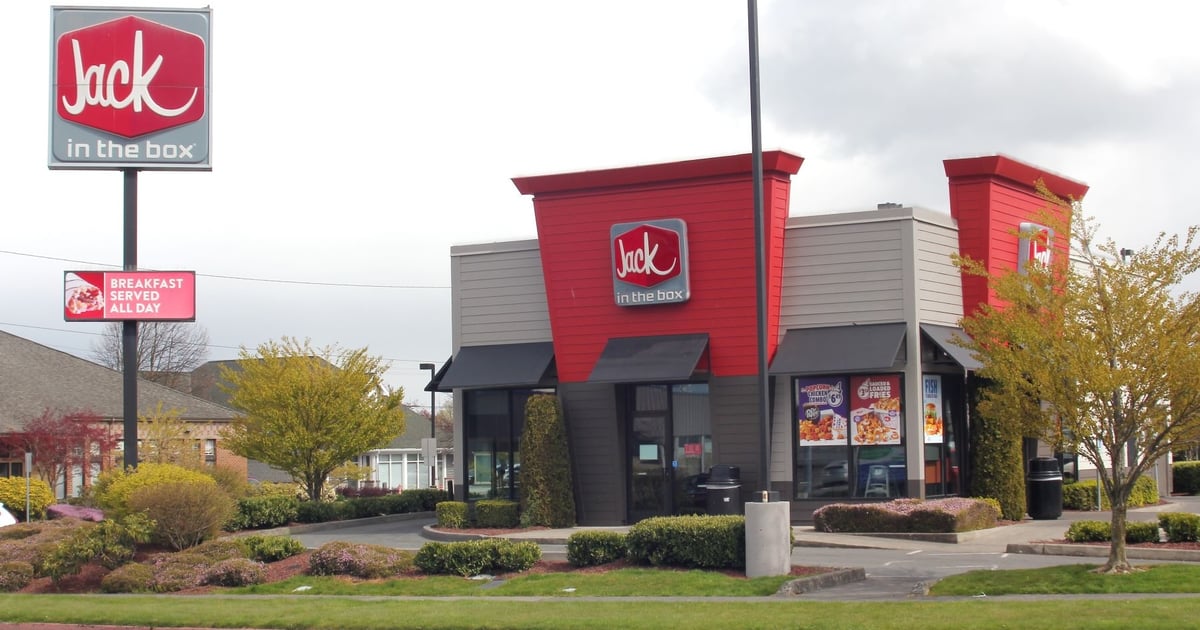
Executive Commentary and Future Outlook
Mark King, in a statement, expressed his confidence in Eduardo Luz’s capabilities, stating, "Eduardo is an accomplished restaurant industry executive with significant leadership and brand-building experience that will be an important asset as we continue to advance Jack in the Box’s transformation." This endorsement highlights the board’s strategic vision and its belief that Luz’s expertise will be instrumental in guiding the company through its current challenges and toward future success. The term "transformation" suggests a deep-seated intent to fundamentally alter and improve the company’s trajectory, encompassing menu innovation, operational efficiency, marketing strategies, and potentially, brand repositioning.
The implications of these board changes are multifaceted. Firstly, they signal a commitment from the company’s leadership and its major stakeholders to address the ongoing sales decline with experienced leadership. The addition of executives with proven track records in brand revitalization and operational excellence is a positive indicator for investors and franchisees alike. Secondly, the departure of long-serving directors, particularly the former chairman, may pave the way for new perspectives and a potentially more agile decision-making process. This could lead to a re-evaluation of existing strategies and the exploration of new growth avenues.
Broader Industry Context and Potential Impact
The challenges faced by Jack in the Box are not unique. The fast-food industry is intensely competitive, with evolving consumer preferences, increasing labor costs, and the persistent demand for digital integration and convenience. Companies across the sector are continually seeking ways to differentiate themselves, optimize their supply chains, and enhance the customer experience. In this environment, strong board governance and strategic leadership are paramount.
The successful integration of new board members and the effective implementation of their strategies will be crucial for Jack in the Box. Investors will be watching closely for signs of a turnaround, particularly in the form of improving same-store sales figures and overall profitability. Franchisees, who are on the front lines of customer interaction and bear a significant portion of the operational burden, will likely be looking for clear direction and support from corporate leadership.
A Look Back: Chronology of Key Events
To understand the current board dynamics, it is helpful to consider a brief timeline of recent significant events:
- 2008: David Goebel joins the Jack in the Box board of directors.
- 2011: Madeleine Kleiner joins the Jack in the Box board of directors.
- Recent Past: Activist investor Sardar Biglari launches a proxy fight, challenging the existing board and management.
- Following Proxy Fight: Jack in the Box wins the proxy fight. Mark King, former CEO of Taco Bell, is appointed to the board.
- One Month Later: David Goebel announces his intention to retire from the board, and it is noted he was not planning to seek re-election next year.
- Present: Jack in the Box announces the appointment of Eduardo Luz to the board of directors, effective immediately, and confirms the retirement of David Goebel and Madeleine Kleiner, effective May 8.
This timeline illustrates a deliberate, albeit sometimes reactive, process of board refreshment and strategic repositioning. The company’s leadership appears to be actively seeking to bolster its governance and operational capabilities in response to market pressures and shareholder engagement.
The Road Ahead: Challenges and Opportunities
The appointment of Eduardo Luz and the changes to the board of directors represent a significant step in Jack in the Box’s ongoing efforts to navigate a challenging market. The company’s ability to leverage the expertise of its new and existing board members, coupled with its own operational initiatives, will determine its success in reversing sales declines and achieving sustainable growth. The coming months will be critical in observing how these leadership changes translate into tangible improvements for the Jack in the Box brand and its stakeholders. The company faces the dual challenge of addressing its immediate financial concerns while simultaneously laying the groundwork for a more robust and competitive future in the dynamic fast-food landscape.
