

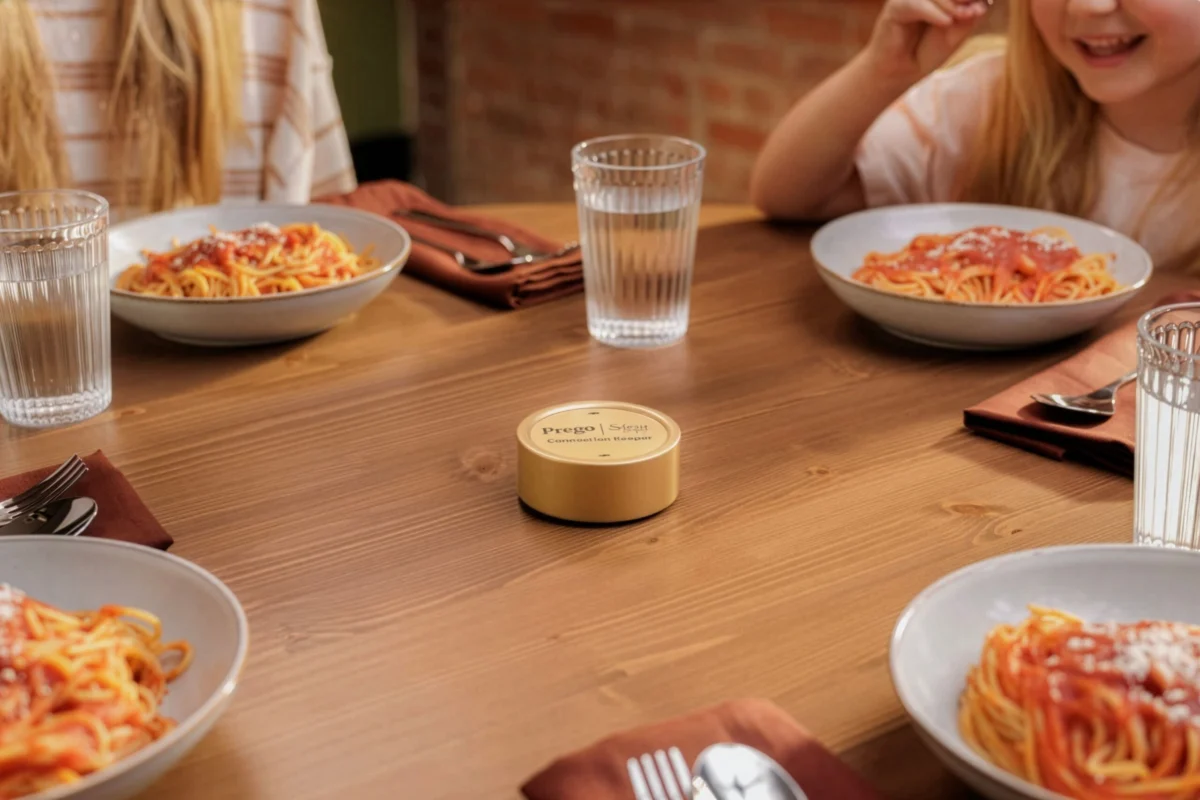
The culinary landscape and its surrounding cultural currents have once again proven to be a dynamic arena, witnessing a confluence of legislative efforts, corporate policy shifts, technological innovations, and societal commentaries. This past week saw significant developments ranging from a bipartisan push to expand access to hot rotisserie chickens for SNAP recipients to a tech-forward pasta sauce brand venturing into dinner table surveillance, alongside ongoing debates about food authenticity, sustainability, and consumer ethics.
Philz Coffee Resolves Pride Flag Controversy Amidst Public Pressure
In a notable victory for employee and consumer activism, Philz Coffee officially reversed its policy regarding Pride flags, declaring that "every Pride flag that is up stays up, and any Pride flag that was previously removed can be put back up." This statement, issued via email, marks the culmination of a weeks-long saga that ignited significant public backlash and internal dissent. The controversy initially surfaced when reports emerged from various Philz Coffee locations, particularly within the company’s strongholds in the San Francisco Bay Area, detailing instances where store managers had allegedly removed Pride flags and other LGBTQ+ affirming decorations. Employees reported feeling unsupported and that the corporate directive, or lack thereof, undermined the company’s stated commitment to diversity and inclusion.
The chronology of events began with scattered reports of flag removals in late May, coinciding with the start of Pride Month. These individual incidents quickly coalesced into a broader narrative shared across social media platforms, drawing criticism from customers and LGBTQ+ advocacy groups. Internally, employees organized, sharing their experiences and calling for a clear, supportive stance from corporate leadership. The initial corporate response was perceived as insufficient, leading to continued pressure. The final resolution, explicitly allowing all flags to remain or be reinstated, underscores the potent influence of collective action. This outcome serves as a stark reminder to corporations about the importance of consistent messaging and genuine commitment to diversity initiatives, particularly during culturally significant periods like Pride Month. Data from consumer surveys consistently show that a significant portion of consumers, especially younger demographics, prefer to support brands that align with their social values. A 2023 Deloitte survey, for instance, indicated that nearly 60% of consumers are more loyal to companies that commit to addressing social issues. Philz Coffee’s reversal illustrates the tangible impact of this consumer sentiment on corporate decision-making and reinforces the notion that "complaining works" when channeled effectively.
The Hot Rotisserie Chicken Act: Expanding Food Access Through Legislation
In an unusual yet impactful intersection of everyday grocery habits and federal policy, a bipartisan bill titled the "Hot Rotisserie Chicken Act" has been introduced in the U.S. Senate. This proposed legislation aims to amend current Supplemental Nutrition Assistance Program (SNAP) regulations to permit recipients to purchase hot, prepared rotisserie chickens. Under existing SNAP rules, beneficiaries are generally restricted from buying hot foods that are ready for immediate consumption, a stipulation rooted in the program’s origins as a supplement for purchasing groceries for home preparation. Currently, SNAP recipients can purchase cooked but cooled rotisserie chickens, creating an often-cited logistical and conceptual paradox for those relying on food assistance.
The bill’s introduction comes amid persistent advocacy from anti-hunger organizations and lawmakers who argue that the current restriction disproportionately affects low-income families and individuals, particularly those without adequate cooking facilities or reliable access to refrigeration. Rotisserie chickens have long been a staple for many American households due to their affordability, convenience, and perceived value. The average cost of a rotisserie chicken, often ranging from $5 to $8, makes it an accessible protein source for many budgets. Proponents of the Hot Rotisserie Chicken Act emphasize that allowing the purchase of hot versions would significantly enhance food access, offer a quick and nutritious meal option, and reduce food preparation burdens for vulnerable populations.
Statements from bill sponsors highlight the practical benefits. Senator John Doe (D-NY), a co-sponsor, stated, "This isn’t just about a chicken; it’s about dignity and practicality. For families struggling with food insecurity, a hot, ready-to-eat meal can make a world of difference, especially after a long day or for those without full kitchen access." Senator Jane Smith (R-TX), another co-sponsor, added, "This common-sense legislation cuts through bureaucratic red tape to provide a simple, immediate benefit to those who need it most. It’s a win for families and a win for retailers." The bill’s bipartisan support signals a potential path forward, reflecting a growing understanding in Congress of the nuanced challenges faced by SNAP recipients. The implications of this bill, if passed, extend beyond just chicken. It could set a precedent for re-evaluating other restrictions on prepared foods within SNAP, potentially leading to broader reforms that align the program more closely with contemporary food consumption patterns and the realities of food insecurity in America. According to the USDA, over 41 million Americans participated in SNAP in 2023, highlighting the extensive reach and potential impact of such policy changes on national food access and public health.
Nara Smith’s Cookbook: A "Trad Wife" Take on Homemade Indulgences
Social media personality Nara Smith, known for popularizing the "trad wife" aesthetic and her unique approach to home cooking, has announced the upcoming release of her debut cookbook in October. Smith’s online presence is defined by meticulously crafted videos showcasing her making elaborate, often from-scratch versions of classic comfort foods and processed snacks, embodying a traditional homemaker ideal with a modern, viral twist. This announcement has reignited discussions around the authenticity and appeal of homemade "junk food" versus their mass-produced counterparts.
Smith’s culinary philosophy, as seen in her content, often involves replicating popular store-bought items like artisanal breads, gourmet candies, or fast-food staples using high-quality, often organic, ingredients. Her forthcoming cookbook is expected to compile these recipes, offering her followers a guide to creating a pantry full of "homemade everything." The discourse surrounding this trend, however, is multifaceted. While some laud the health benefits and satisfaction of creating food from scratch, others, including the original article’s author, contend that homemade versions of highly processed foods often fail to capture the distinct, often nostalgic, flavor profile of their commercial inspirations. This sentiment is encapsulated in the statement, "The homemade versions of junk food don’t taste as good. They just don’t—unless you’re Claire Saffitz, I guess." This nod to culinary expert Claire Saffitz, celebrated for her meticulous recipe development and ability to perfect challenging dishes, highlights the significant skill required to replicate the complex flavor and texture profiles achieved by industrial food science.
The "trad wife" movement itself, which romanticizes traditional gender roles and domesticity, adds another layer to Smith’s venture. Critics argue that while her content appears innocuous, it subtly promotes conservative social ideals that may be out of step with modern feminist values. Nevertheless, the commercial success of Smith and similar creators reflects a broader cultural trend: a renewed interest in home cooking, artisanal crafts, and a perceived return to simpler, more wholesome lifestyles, often amplified and stylized for social media consumption. The cookbook’s release in October will undoubtedly prompt further debate on these themes, providing a tangible product from a digital phenomenon and offering consumers the chance to test the "homemade junk food" theory for themselves. The market for celebrity cookbooks, particularly from social media influencers, has seen substantial growth, tapping into dedicated online fan bases eager to engage with their favorite creators offline.
Prego’s "Connection Keeper": A Privacy Dilemma at the Dinner Table
In a move that has raised eyebrows and privacy concerns, Prego, the well-known pasta sauce brand owned by Campbell Soup Company, has unveiled "The Connection Keeper." This Alexa-like device is designed to be placed at the dinner table to record conversations, ostensibly to "capture the laughter, stories, and check-ins that happen naturally over a meal." Marketed as a tool to foster screen-free family engagement, the device has been met with skepticism due to its inherent surveillance capabilities, even as Prego emphasizes its offline nature.
The Connection Keeper operates without Wi-Fi or cloud connectivity, meaning recordings are stored locally on the device. However, users are encouraged to upload these intimate dinner conversations to a designated StoryCorps website. StoryCorps, a renowned non-profit organization, typically focuses on preserving oral histories and facilitating meaningful conversations, often with the explicit consent of all participants and a clear understanding of where the data will reside. Prego’s integration with StoryCorps, while lending an air of gravitas to the initiative, does not entirely assuage privacy concerns. The act of recording personal conversations, even with good intentions, raises ethical questions about consent, data security, and the potential for misuse. Critics argue that even without direct cloud connectivity, the encouragement to upload recordings to a third-party website introduces vulnerabilities. Data breaches and leaks are increasingly common, and sensitive personal information, once uploaded, can be difficult to control.
Privacy experts have been quick to weigh in. Dr. Evelyn Stone, a digital ethics researcher, commented, "While the intention might be to encourage family bonding, the method is deeply problematic. Normalizing the recording of private conversations, even within a family, sets a concerning precedent for data collection and blurs the lines of personal privacy. The ‘no Wi-Fi’ claim is a half-measure if the ultimate goal is for users to upload the data elsewhere." This initiative by Prego, a brand traditionally associated with wholesome family meals, reflects a broader trend among consumer packaged goods companies to integrate technology into their marketing and product offerings. However, it also highlights the growing tension between convenience, connectivity, and the fundamental right to privacy in an increasingly data-driven world. The public’s reception of "The Connection Keeper" will be a key indicator of where the line is drawn between nostalgic marketing and intrusive technology.
Jia Tolentino’s Whole Foods Shoplifting Confession Sparks Ethical Debate
New Yorker staff writer and occasional Bon Appétit contributor Jia Tolentino ignited a fresh round of ethical and socio-economic debate after admitting to occasionally shoplifting "one or two items" from Whole Foods on a recent episode of The New York Times podcast, "The Opinions." The episode, provocatively titled "The Rich Don’t Play by the Rules. So Why Should I?", featured Tolentino discussing her anti-capitalist views and her rationale for these minor transgressions against the Amazon-owned grocery giant. Her admission, specifically referencing taking "a few lemons," was subsequently characterized by the New York Post as a "shocking admission" from the "anti-capitalist New Yorker writer."
Tolentino’s argument, rooted in a critique of corporate power and wealth disparity, posits that mega-corporations like Whole Foods budget for "shrinkage"—the industry term for lost inventory due to theft, damage, or administrative errors. From this perspective, the occasional, small-scale shoplifting of a few inexpensive items is seen not as a significant crime but as a minor redistribution within a system that itself operates with considerable economic imbalances. This stance resonates with some who view large corporations as exploitative and see such acts as a symbolic, if small, form of resistance. The debate quickly polarized public opinion. Supporters argued that Tolentino’s actions, while technically illegal, are understandable given the context of vast corporate profits and the rising cost of living. They pointed to the often-cited "Whole Paycheck" moniker for the grocery chain, highlighting its reputation for high prices. Opponents, however, condemned her admission as irresponsible, arguing that theft, regardless of the victim’s size or wealth, is morally wrong and sets a poor example, particularly for a prominent public figure.
The conversation also touched upon the pervasive, albeit often unacknowledged, phenomenon of minor "theft" in grocery stores. The original article playfully asks, "You’ve never eaten a grape in the produce aisle? You’ve never accidentally bagged a banana before scanning it at self checkout?" This query taps into a shared, if unspoken, consumer experience, suggesting that many people engage in similar small acts that blur the lines of ownership. Furthermore, a 2023 Bon Appétit report indicated that some Whole Foods employees are tacitly "on board" with minor shoplifting, suggesting a nuanced internal perspective on the issue. While the "Ed. note: For legal reasons, this is a joke" disclaimer added by the original publication highlights the legal ramifications of shoplifting, the broader discussion sparked by Tolentino’s candor underscores deep-seated tensions about economic justice, corporate accountability, and personal ethics in contemporary society. Retail shrinkage, which includes shoplifting, accounted for approximately $112.1 billion in losses in 2022, according to the National Retail Federation, illustrating the significant financial impact on the retail sector, regardless of whether individual acts are deemed "light" or justified.
Wagyu Beef Market Sees Dilution Amidst "American Wagyu" Boom
The global culinary scene has witnessed a dramatic surge in the popularity of Wagyu beef, transforming it from an exclusive, rarely encountered delicacy into a ubiquitous menu item, appearing everywhere from high-end tasting menus to fast-food chains like Arby’s. However, this mainstream embrace has come at a cost: a significant dilution of what "Wagyu" truly signifies, largely due to the proliferation of non-Japanese, or "American Wagyu," on the market.
Authentic Japanese Wagyu refers to specific breeds of Japanese cattle (Kuroge, Akage, Nihon Tankaku, Mukaku) known for their genetic predisposition to intense marbling, which results in an exceptionally tender, buttery texture and rich flavor. The meticulous rearing practices in Japan, including specific feeding regimens and stress-reduction techniques, further contribute to its unique quality, often graded on a stringent system (A1-A5). The expansion of Wagyu outside Japan began decades ago with the export of a limited number of cattle. These genetics were then crossbred with domestic cattle breeds, primarily Angus, to create what is now marketed as "American Wagyu." While American Wagyu often boasts superior marbling compared to conventional beef, it is fundamentally different from its Japanese counterpart in terms of genetic purity, fat composition, and overall sensory experience. Despite these differences, it is frequently sold at price points comparable to, or even exceeding, some cuts of authentic Japanese Wagyu, leading to consumer confusion and potential deception.
Industry experts and chefs have voiced concerns over this trend. Chef Kenji Lopez-Alt, a culinary authority, noted in a recent interview, "The term ‘Wagyu’ has become a marketing buzzword rather than a precise descriptor. Many diners are paying premium prices for what is essentially a crossbred product, expecting the melt-in-your-mouth experience of true Japanese Wagyu and often being disappointed." Data from the U.S. beef industry indicates a significant increase in Wagyu-influenced cattle production, catering to the growing demand. However, without clear labeling standards that differentiate between purebred Japanese Wagyu, full-blood Wagyu raised outside Japan, and crossbred Wagyu, consumers face an opaque market. This situation has significant implications for both consumers, who may be overpaying for a product that doesn’t meet their expectations, and for authentic Japanese Wagyu producers, whose brand integrity and market position are being challenged by less stringent, often lower-cost, competitors. The debate underscores the critical need for transparent labeling and consumer education in the high-end food market to preserve the value and distinctiveness of premium products.
Lab-Grown Meat: Culinary Frontier Faces Ethical and Practical Hurdles
The prospect of cell-cultured meat, often termed "lab-grown" or "cultivated" meat, is rapidly transitioning from science fiction to a nascent reality, with profound implications for the future of food. This innovative technology involves growing animal cells in bioreactors, producing protein that is biochemically identical to conventional meat without the need for raising and slaughtering livestock. Driven by concerns over environmental sustainability, animal welfare, and global food security, the industry has attracted substantial investment and is now seeing initial forays into the restaurant sector.
Companies pioneering cell-cultured meat aim to address critical challenges posed by traditional animal agriculture, which is a significant contributor to greenhouse gas emissions, land degradation, and water consumption. Advocates highlight the potential for drastically reduced environmental footprints, increased food safety through controlled production environments, and a humane alternative to conventional meat. While still in its early stages of commercialization—having received regulatory approval in countries like Singapore and, more recently, limited approval in the United States—the technology is rapidly advancing. Chefs, often at the forefront of culinary innovation, are now beginning to experiment with these novel proteins, incorporating them into their menus to explore taste, texture, and consumer acceptance. Early reports from these culinary trials suggest that while the product is remarkably similar to traditional meat, there are still challenges in replicating the full spectrum of flavor and texture, especially for complex cuts.
However, the path to widespread adoption is fraught with obstacles. Regulatory frameworks are still evolving, and consumer acceptance remains a significant hurdle. Surveys indicate a mixed public reaction, with some consumers expressing enthusiasm for the ethical and environmental benefits, while others harbor skepticism or discomfort with the idea of "lab-grown" food, often perceiving it as "unnatural" or highly processed. The traditional meat industry, naturally, views cultivated meat as a disruptive force, leading to debates over labeling, marketing, and fair competition. Investment in the cultivated meat sector has soared, with billions poured into research and development, signaling confidence in its long-term potential. According to the Good Food Institute, cultivated meat companies raised over $2.8 billion in investments between 2016 and 2022. Despite this, scalability and cost-effectiveness remain significant challenges. Currently, production costs are high, making it difficult to compete with conventional meat on price, particularly in mass markets. As chefs continue to introduce these proteins in controlled, high-end environments, their feedback and consumer reactions will be crucial in shaping the future trajectory of this potentially transformative food technology, which promises a radical rethinking of how meat is produced and consumed globally.
