

The culinary landscape of Canada’s National Capital Region (NCR) has undergone a significant transformation over the last decade, transitioning from a traditional government town to a sophisticated gastronomic hub. For the estimated one percent of the Canadian population diagnosed with celiac disease—an autoimmune condition triggered by the ingestion of gluten—navigating this landscape requires more than just a list of restaurants. It demands a rigorous understanding of cross-contamination protocols, dedicated kitchen facilities, and the evolving standards of food safety in both Ontario and Quebec. While major metropolises like Toronto and Montreal have historically led the way in dietary inclusivity, Ottawa and Gatineau have developed a robust ecosystem of dedicated gluten-free bakeries, celiac-aware international eateries, and innovative food trucks that cater to the strict medical requirements of the gluten-free community.

The Scientific and Regulatory Context of Gluten-Free Dining in Canada
According to data from Celiac Canada, formerly the Canadian Celiac Association, approximately 1 in 114 Canadians is affected by celiac disease, though many remain undiagnosed. For these individuals, the presence of even trace amounts of gluten—measured in parts per million (ppm)—can cause significant intestinal damage and long-term health complications. This medical reality creates a sharp distinction in the hospitality industry between "gluten-friendly" options, which are often intended for lifestyle dieters, and "celiac-safe" meals, which require dedicated equipment such as fryers, prep surfaces, and ovens.

In the NCR, the standard for safety is increasingly defined by the Gluten-Free Food Program (GFFP), a certification body that audits restaurants to ensure strict adherence to non-contamination protocols. Establishments that achieve this certification or maintain 100% dedicated gluten-free facilities provide the highest level of security for consumers. As the region continues to expand its culinary offerings, the distinction between these categories remains a critical factor for public health and consumer confidence.

Dedicated Gluten-Free Facilities: The Gold Standard of Safety
The backbone of the Ottawa gluten-free scene consists of 100% dedicated facilities. These establishments eliminate the risk of cross-contamination at the source, as no wheat, barley, or rye products enter the premises.

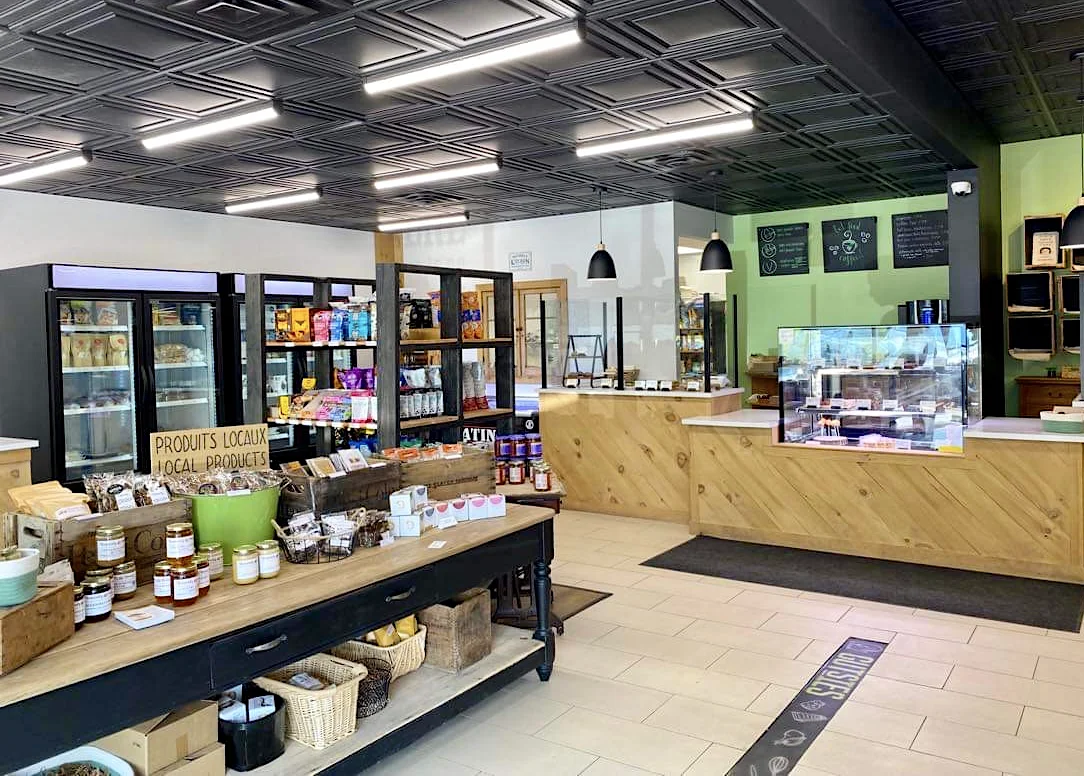
Leading this sector is Strawberry Blonde Bakery, located in the Westboro neighborhood. Operating as a vegan, nut-free, and kosher-certified facility, Strawberry Blonde has set a high bar for inclusive baking. Their expansion into multiple locations and nationwide shipping reflects the growing demand for specialty baked goods that do not compromise on texture or flavor. Similarly, Gutsies, located in Orleans, represents a hybrid model of retail and fresh production. Founded by families directly impacted by celiac disease, the shop serves as a vital distribution point for high-quality gluten-free products from larger markets like Montreal and Toronto, while producing in-house meals such as additive-free soups and specialized frozen pizza dough.

The innovation extends to the city’s market culture. 2 Sprinkles, formerly known as 5 Cupcakes, has successfully transitioned through a rebranding phase to offer baked donuts and artisanal breads at the Lansdowne Farmers Market. In Kanata, Voila Gluten-Free Bakeree focuses on a multi-allergen approach, catering to those who must also avoid dairy, eggs, and peanuts, utilizing natural sweeteners and low-sodium formulations to align with broader health trends.

International Cuisines and Naturally Gluten-Free Traditions
A significant portion of the NCR’s gluten-free success stems from international cuisines that rely on corn, rice, or tubers rather than wheat. Latin American and Southeast Asian restaurants, in particular, have become staples for the celiac community due to the inherent nature of their traditional ingredients.

Latin American and Mexican Influence
The emergence of specialized corn-based eateries has provided safe havens for diners. The Tortilla Maker of Canada in Orleans, founded by Mexican-Canadian entrepreneur Miguel Angel Jiménez Reyes, specializes in fresh masa-based products, including tamales and tortillas that are naturally devoid of wheat.

The "arepa" and "pupusa" categories have also seen substantial growth. Arepas Place Ottawa recently moved from a market stall to a brick-and-mortar location on Bank Street, offering Venezuelan corn pockets filled with shredded meats and signature sauces. In the Merivale corridor, La Cabana serves El Salvador’s national dish, the pupusa, utilizing traditional masa and offering rice flour alternatives for those with specific preferences. These establishments are generally viewed as low-risk due to the dominance of corn flour in their kitchens, though staff awareness of hidden gluten in seasonings remains a critical component of their service.

Southeast Asian and Indian Culinary Integration
The NCR’s Thai and Indian sectors have shown a high degree of celiac awareness. Establishments like Social Thai and Siam Bistro on Wellington Street are recognized for their understanding of soy sauce substitutions and cross-contact prevention. However, the use of shared woks for noodle dishes remains a point of caution for diners, necessitating clear communication with kitchen staff.

In the Indian dining sector, Thali and Coconut Lagoon, led by acclaimed Chef Joe Thottungal, have implemented menu labeling systems that clearly identify gluten-containing items. While many Indian dishes are naturally gluten-free, the use of shared fryers for items like poppadoms or pakoras is a frequent industry challenge. Sona Indian Kitchen, a 2023 addition to the Hunt Club area, has garnered attention for its "celiac-safe" labeling on delivery platforms, though it maintains a shared fryer, highlighting the ongoing need for consumer vigilance.

The Evolution of Casual Dining: Pizza, Poutine, and Pubs
Casual dining presents the most significant challenges regarding cross-contamination, yet several NCR establishments have implemented rigorous protocols to accommodate celiac diners.

Specialized Pizza Protocols
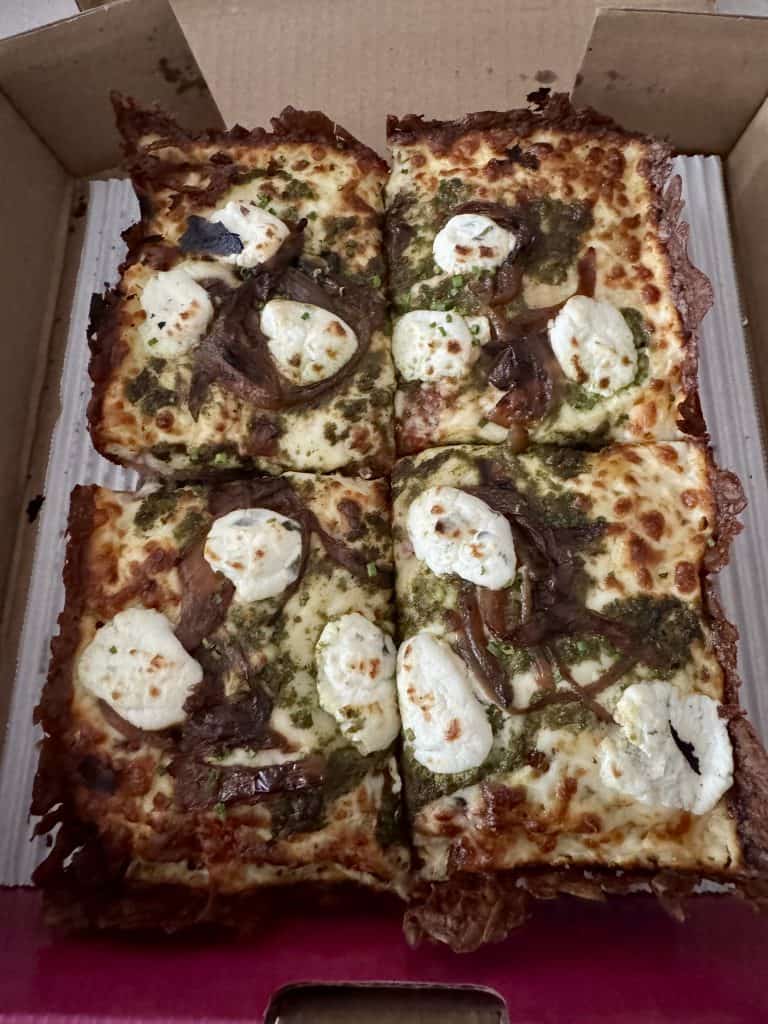
In the pizza sector, the risk of airborne flour is a primary concern. Pizza Nerds has addressed this by using cauliflower crusts and cooking pizzas in dedicated pans to prevent contact with oven surfaces. Conversely, Pizza Stay Gold offers Detroit-style deep-dish gluten-free options, utilizing separate cutting boards and utensils. While these are not dedicated facilities, the implementation of "sticker-verified" handling practices indicates a professional commitment to food safety. La Dolce Vita on Preston Street remains a standout, holding a Gluten-Free Food Program certification, which allows it to offer an expansive menu of pastas, gnocchi, and desserts with a verified safety profile.
The Poutine Industry and the "Dedicated Fryer" Requirement
For many diners in the NCR, poutine is a cultural staple. However, the requirement for gluten-free gravy and dedicated fryers excludes most traditional "chip trucks." The closure of T.F.T. (That Food Truck) in 2024 left a notable void in the Ottawa-side market. Currently, Patate Lou Lou in Gatineau remains a premier destination for celiac-safe poutine, offering a gluten-free gravy and dedicated frying equipment. The Great Canadian Poutinerie also provides gluten-free options across multiple locations, catering to those seeking non-traditional toppings.

Specialized Niches: Döner and Southern Comfort Food
Innovative entries into the market, such as Wolf Down on Bank Street, have redefined fast-casual dining for celiacs. Inspired by Berlin-style döner, the establishment offers rice-based bowls and salads where all sauces are gluten-free. Their protocol of pulling fresh vegetables from the back to avoid "crumb contamination" from flatbreads is a model for cross-contact management in mixed-use kitchens.

In the realm of comfort food, Little Mac’s in Wellington West operates an almost entirely gluten-free menu, featuring fried chicken, waffles, and ribs. By utilizing a gluten-free batter for their flagship items and maintaining a separate griddle for the few wheat buns they serve, they have created a "cholesterol paradise" for those typically excluded from Southern-style cuisine.

Economic and Social Implications of Dietary Inclusivity
The growth of the gluten-free market in the National Capital Region is not merely a culinary trend but a significant economic driver. As more consumers prioritize health-conscious and allergy-aware dining, restaurants that invest in dedicated equipment and staff training see increased customer loyalty and a broader market reach.

However, the industry faces headwinds. The 2024 closure of several beloved spots underscores the thin margins and high operating costs associated with maintaining specialty kitchens. Furthermore, the reliance on community-driven research—often facilitated by local advocates and organizations like the Ottawa Celiac Association—highlights a gap in official regulatory oversight. While the United Kingdom and parts of Europe have moved toward mandatory allergen labeling, Canada largely relies on voluntary disclosure and certification programs.

Conclusion: A Living Culinary Map
The National Capital Region has proven that even with a smaller population than Canada’s largest cities, it can sustain a sophisticated and safe environment for gluten-free residents and visitors. From the mochi cupcakes of Kokoro Bake Shop to the certified Italian excellence of La Dolce Vita, the region offers a diverse array of options that prioritize medical safety without sacrificing gastronomic quality.
As the region continues to recover from the economic shifts of the early 2020s, the persistence of these specialized businesses will depend on continued community support and a rigorous commitment to the standards of the celiac-safe kitchen. For the diner, the message remains clear: while the NCR is increasingly accommodating, the foundation of a safe experience is built on clear communication, an understanding of kitchen mechanics, and the support of establishments that treat dietary restrictions as a medical necessity rather than a culinary preference.
