

In an era where consumers are increasingly prioritizing both health and budget-conscious meal solutions, the Chicken Harvest Bowl has emerged as a standout culinary creation. This dish, reminiscent of popular restaurant offerings but achievable in any home kitchen, combines nutrient-dense ingredients like kale, wild rice, chicken, and sweet potatoes, all brought together with a tangy balsamic vinaigrette. Its appeal lies not only in its robust flavor profile but also in its practicality, making it an ideal candidate for meal prepping and a cost-effective alternative to store-bought counterparts.
The Rise of the Harvest Bowl: A Culinary Phenomenon
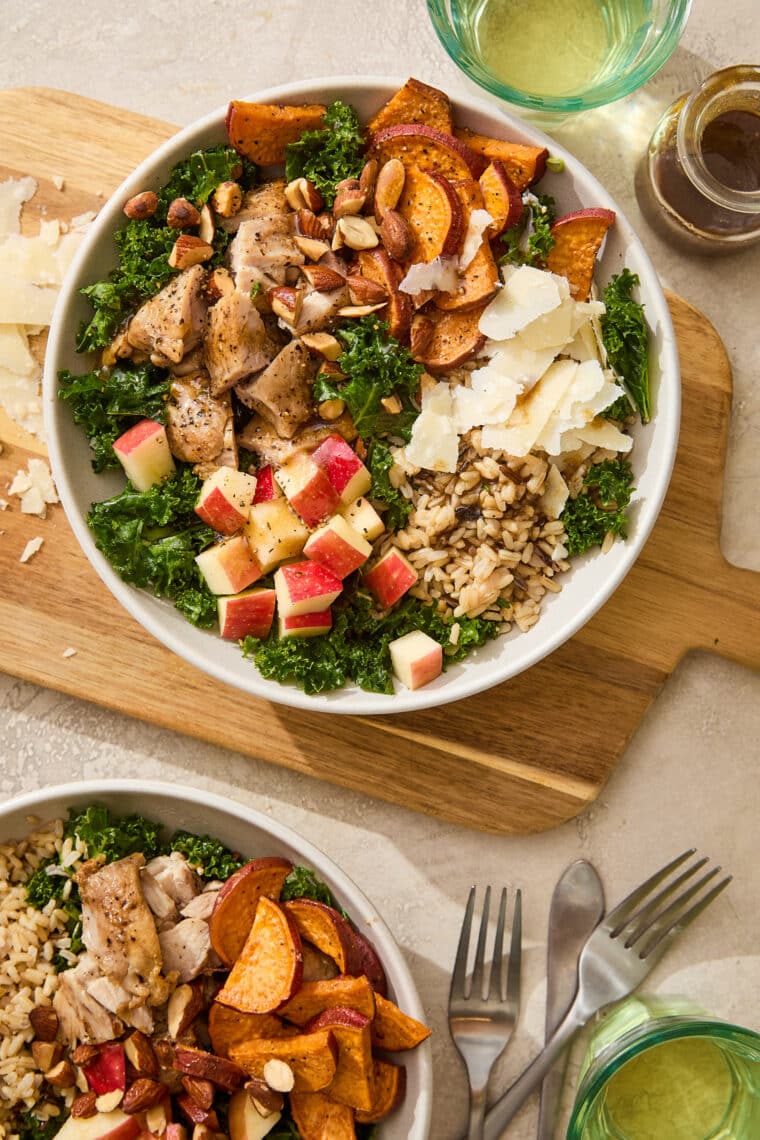
The concept of the "bowl" meal has steadily gained traction in recent years, reflecting a broader shift in dietary habits. These customizable, all-in-one meals offer a convenient and balanced approach to eating, catering to diverse dietary needs and preferences. The Chicken Harvest Bowl, specifically, taps into this trend by featuring a harmonious blend of textures and tastes: the earthy bitterness of kale, the chewy heartiness of wild rice, the savory succulence of chicken, and the natural sweetness of roasted sweet potatoes.
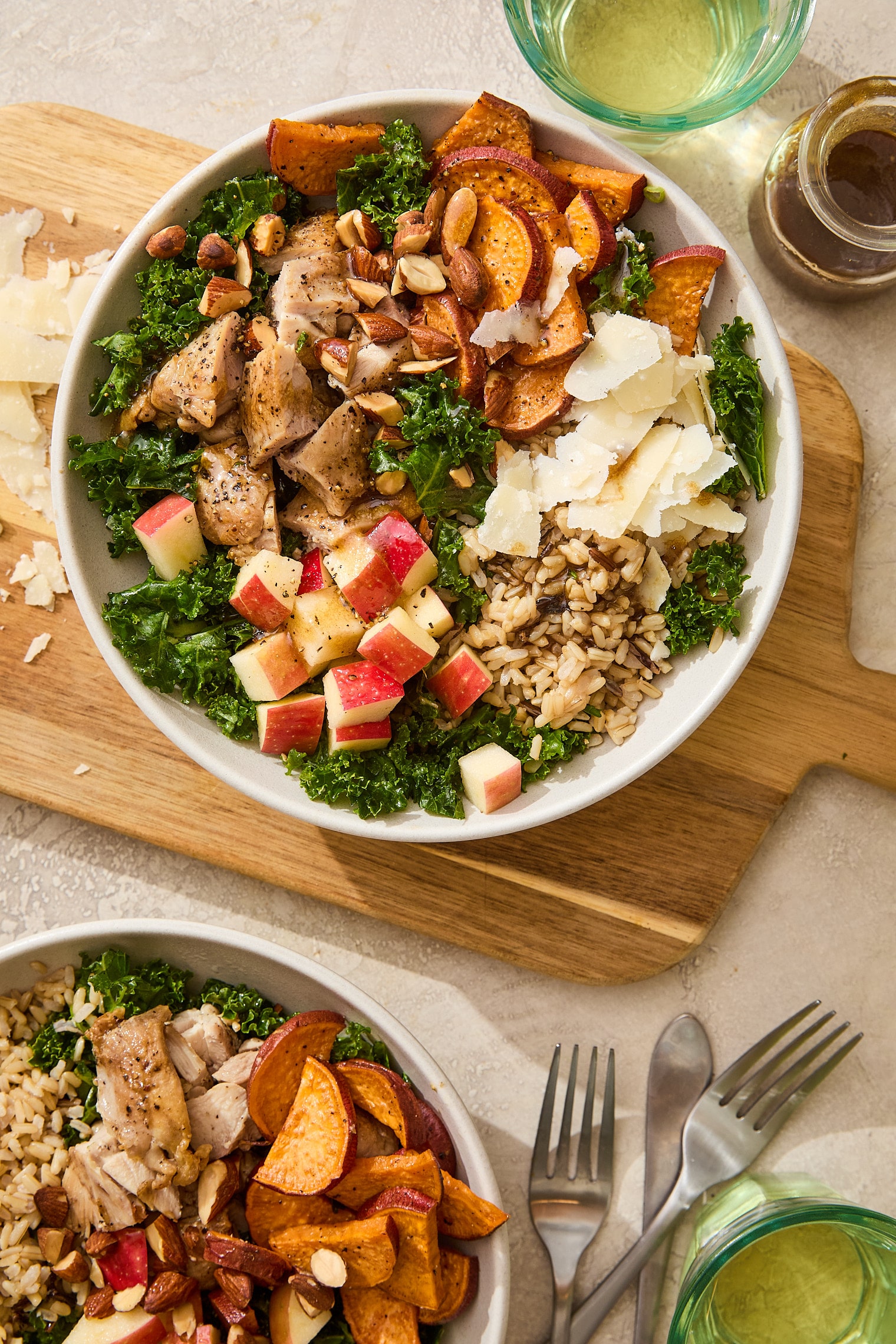
This particular iteration of the harvest bowl draws inspiration from popular fast-casual salad chains, aiming to replicate their appealing combinations at a fraction of the cost. The homemade balsamic vinaigrette, a critical component, elevates the dish, offering a fresher, more vibrant flavor than many pre-packaged dressings. This focus on homemade elements underscores a growing consumer desire for transparency and control over ingredients, particularly in a market often dominated by processed foods.
Core Components and Culinary Versatility
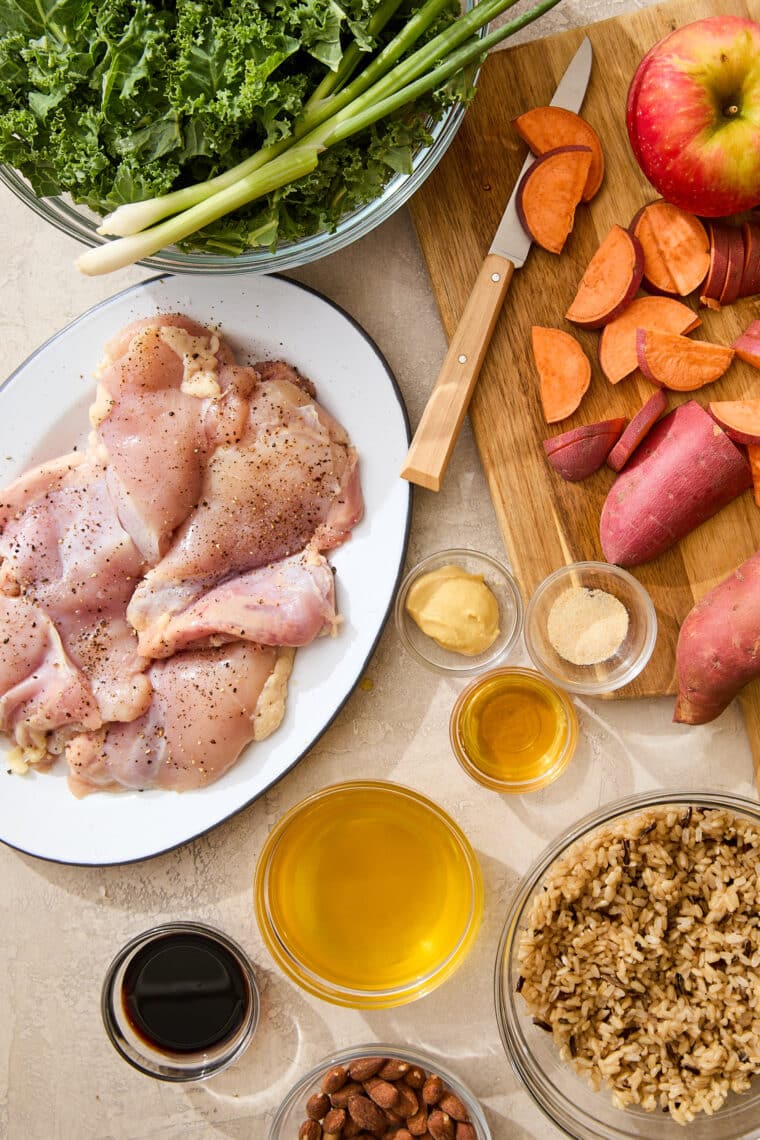
The foundation of the Chicken Harvest Bowl is built upon a thoughtful selection of ingredients, each contributing to its overall nutritional value and appeal:
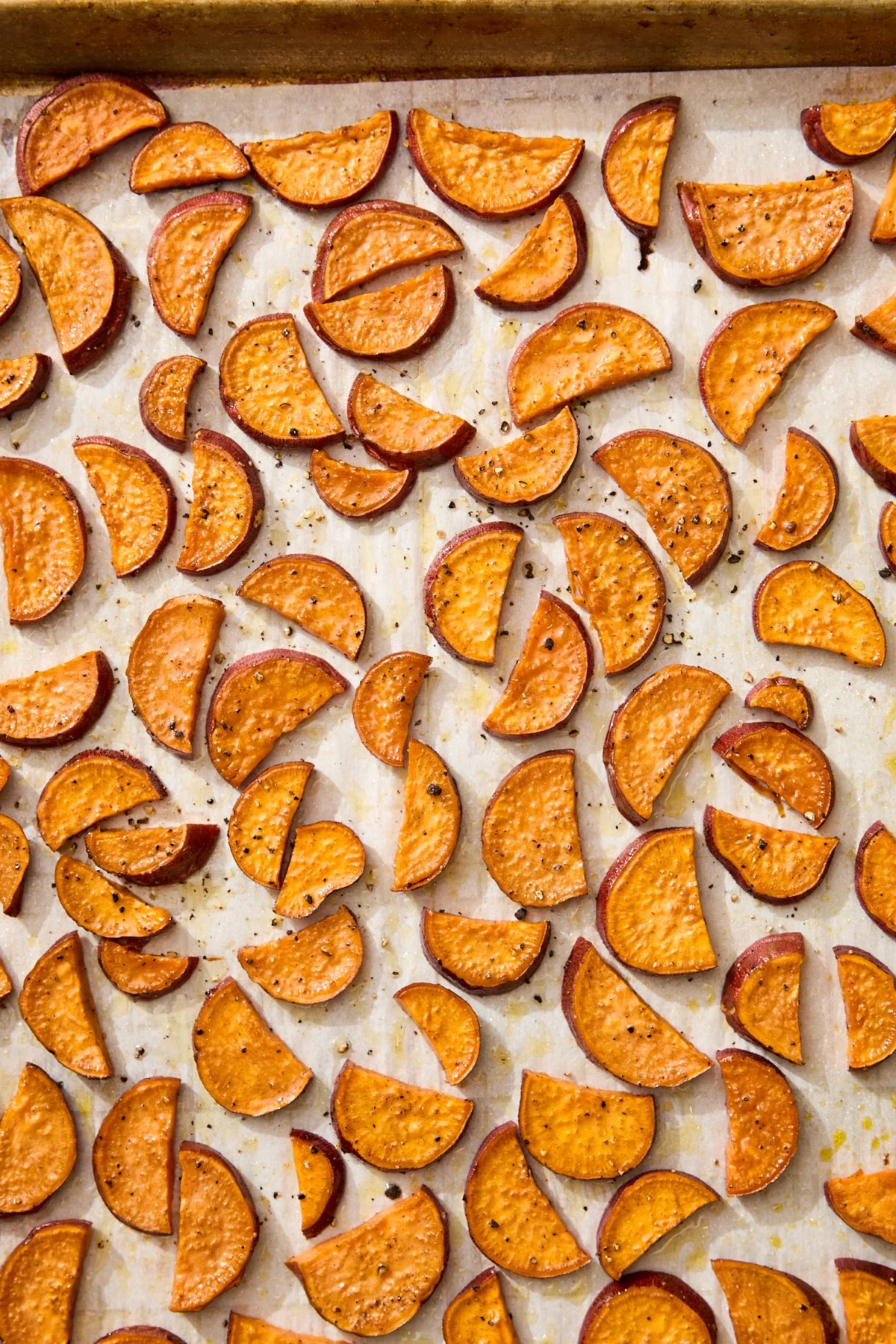
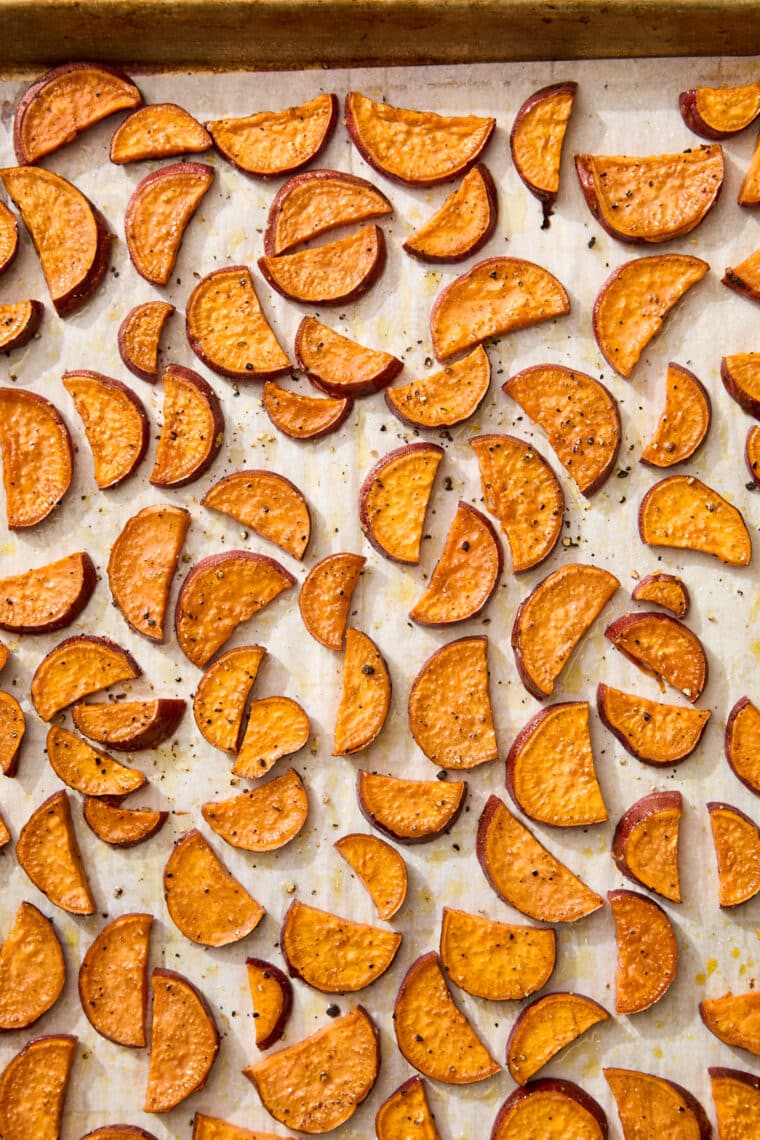
- Sweet Potatoes: These vibrant root vegetables are not only a source of natural sweetness but also a powerhouse of vitamins, minerals, and dietary fiber. Roasting them to a tender, slightly caramelized state enhances their flavor. The recipe notes that leaving the skin on, after thorough washing, maximizes nutrient intake, as the skin is rich in essential compounds.
- Chicken: The choice of chicken protein offers flexibility. While both boneless, skinless chicken breasts and thighs can be used, thighs are often recommended for their higher fat content, which translates to a juicier and more flavorful end product. The inclusion of leftover rotisserie chicken as a convenient shortcut further highlights the recipe’s adaptability.
- Kale: As a cruciferous vegetable, kale is renowned for its impressive nutritional profile, packed with vitamins A, C, and K, as well as antioxidants. Its sturdy texture makes it an excellent base for salads and bowls, particularly for meal prepping, as it resists wilting and maintains its integrity over several days. Pre-washed and pre-chopped kale options provide an additional layer of convenience for busy individuals.
- Wild Rice: This ancient grain offers a distinct nutty flavor and a satisfying chew, providing complex carbohydrates for sustained energy. The recipe emphasizes that any cooked grain or rice can be substituted, allowing for personalization based on availability and preference.
- Apple: The inclusion of apple, such as the Honeycrisp variety, introduces a refreshing sweetness and a crisp textural contrast. Alternative apple varietals like Fuji, Pink Lady, and Gala are suggested, further broadening the customization possibilities.
- Parmesan Cheese: Shaved Parmesan adds a salty, umami depth to the bowl. For those who prefer different flavor profiles or have dairy restrictions, alternatives like goat cheese, feta, or cheddar are viable options, showcasing the dish’s inherent adaptability.
- Almonds: Roasted and salted almonds, or raw chopped nuts like pecans or walnuts, provide a delightful crunch and healthy fats. This element adds another layer of texture and flavor complexity.
- Balsamic Vinaigrette: The homemade dressing is a cornerstone of the bowl’s flavor. Composed of balsamic vinegar, olive oil, and potentially a touch of sweetener and seasonings, it can be prepared in advance, further enhancing the meal prep aspect of this dish. The recipe suggests it can be stored in the refrigerator for up to a week.
Meal Prep Potential and Economic Advantage
One of the most significant advantages of the Chicken Harvest Bowl is its inherent suitability for meal preparation. The robust nature of kale, combined with the ability to roast vegetables and cook grains ahead of time, makes it an efficient option for weekly meal planning. By preparing components in advance and assembling bowls just before consumption, individuals can ensure they have healthy, satisfying meals readily available throughout the week.
The economic benefit is also a crucial factor in its popularity. Recreating restaurant-quality meals at home often results in substantial cost savings. By sourcing ingredients like chicken, kale, and sweet potatoes in bulk or during seasonal promotions, consumers can significantly reduce their grocery bills compared to purchasing similar pre-made meals from fast-casual establishments. This cost-effectiveness aligns with a growing consumer awareness of personal finance and a desire to maximize value from their food expenditures. Data from consumer trend reports often indicate that value and affordability remain key drivers in food purchasing decisions, even among health-conscious demographics.
Crafting the Perfect Harvest Bowl: A Step-by-Step Approach
While the provided content does not detail the precise recipe instructions, the framework suggests a straightforward preparation process:
- Roast the Sweet Potatoes: Cubed sweet potatoes, seasoned and roasted until tender and slightly browned.
- Prepare the Chicken: Cooked chicken, either pan-seared, baked, or utilizing pre-cooked options.
- Cook the Wild Rice: Prepare wild rice according to package directions.
- Assemble the Base: A generous portion of kale forms the leafy foundation.
- Incorporate Other Elements: Add roasted sweet potatoes, cooked chicken, sliced apple, and toasted almonds.
- Dress and Serve: Drizzle with the homemade balsamic vinaigrette and top with shaved Parmesan cheese.
The process emphasizes simple cooking techniques that can be executed with minimal culinary expertise, further contributing to its accessibility.
Addressing Common Inquiries: FAQs and Expert Insights
The frequently asked questions section addresses key concerns and offers practical advice for preparing and enjoying the Chicken Harvest Bowl:
- Meal Prep: The consensus is overwhelmingly positive, with the caveat of storing dressing separately to maintain optimal texture. This aligns with best practices for storing prepped meals.
- Chicken Substitutions: The flexibility to use chicken breasts is confirmed, though the richer flavor of thighs is highlighted.
- Cooking Methods: Grilling the chicken is presented as a flavorful alternative, suggesting the integration of smoky notes.
- Vegetable Additions: The suggestion of roasted Brussels sprouts underscores the dish’s potential for further nutritional enhancement.
- Leafy Green Alternatives: While spinach and arugula are viable substitutes, their faster wilting rate is noted, making kale the superior choice for extended freshness.
- Grain Variety: The adaptability to various grains like farro broadens the recipe’s appeal to a wider audience.
- Dressing Preparation: The ability to prepare the vinaigrette up to a week in advance is a significant convenience factor, reinforcing the meal prep advantages.
Broader Implications and Culinary Trends
The popularity of the Chicken Harvest Bowl is indicative of larger shifts in the food landscape. The demand for convenient, healthy, and affordable meals continues to grow, driven by busy lifestyles and increasing health consciousness. This trend also highlights the power of social media and food blogs in disseminating and popularizing recipes. Platforms like Damn Delicious have become invaluable resources for home cooks seeking inspiration and practical solutions.
Furthermore, the "copycat" aspect of this recipe taps into a consumer desire to recreate beloved restaurant experiences at home. This trend not only offers economic benefits but also empowers individuals to customize dishes to their specific tastes and dietary needs. The emphasis on fresh, whole ingredients and homemade dressings reflects a broader movement towards more mindful eating and a greater appreciation for the culinary arts within the domestic sphere.
As consumers continue to seek out meals that offer a trifecta of health, affordability, and flavor, the Chicken Harvest Bowl stands as a testament to the enduring appeal of well-balanced, adaptable, and delicious food that can be enjoyed by all. Its success lies in its simplicity, its nutritional density, and its ability to cater to the modern diner’s multifaceted needs.
