

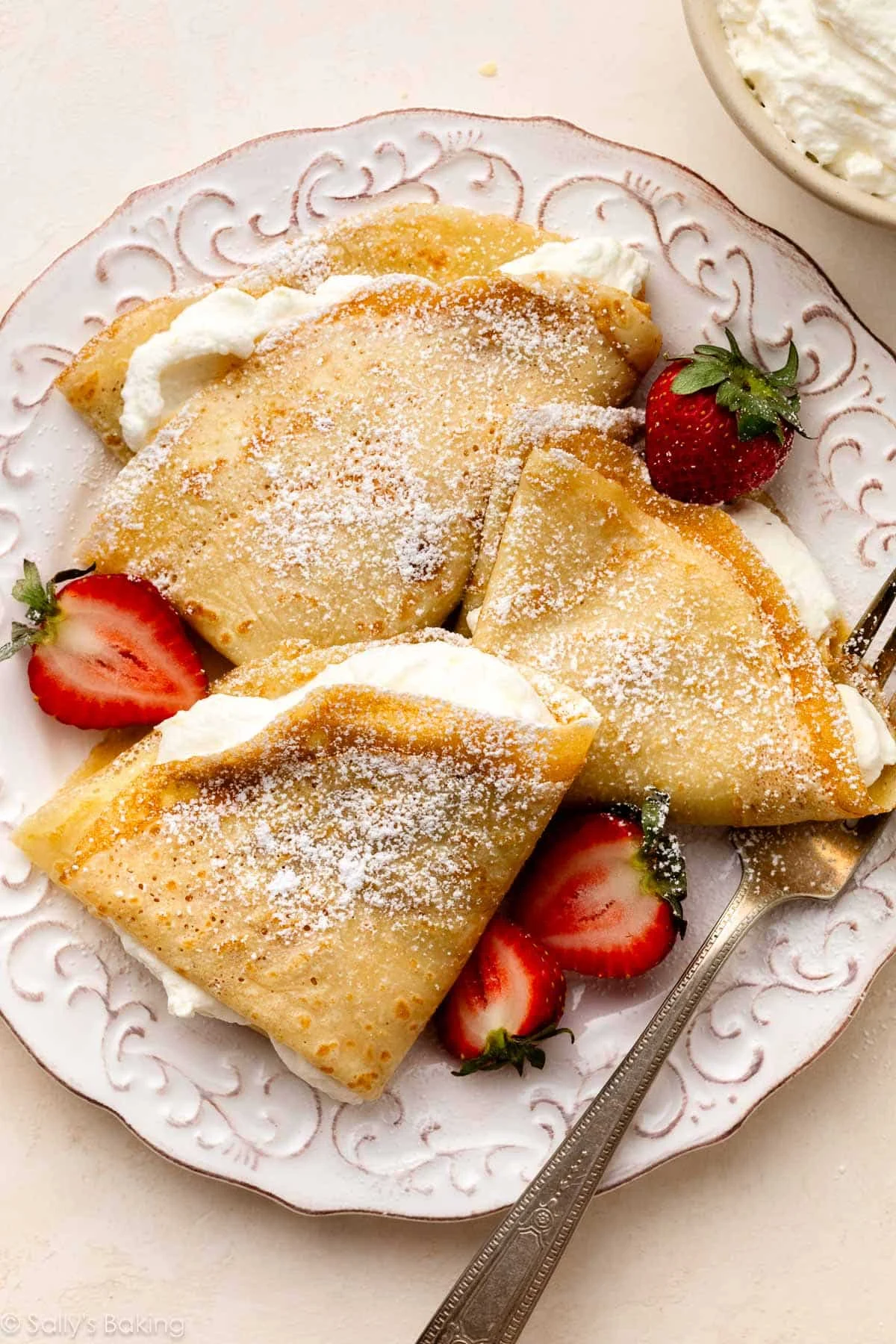
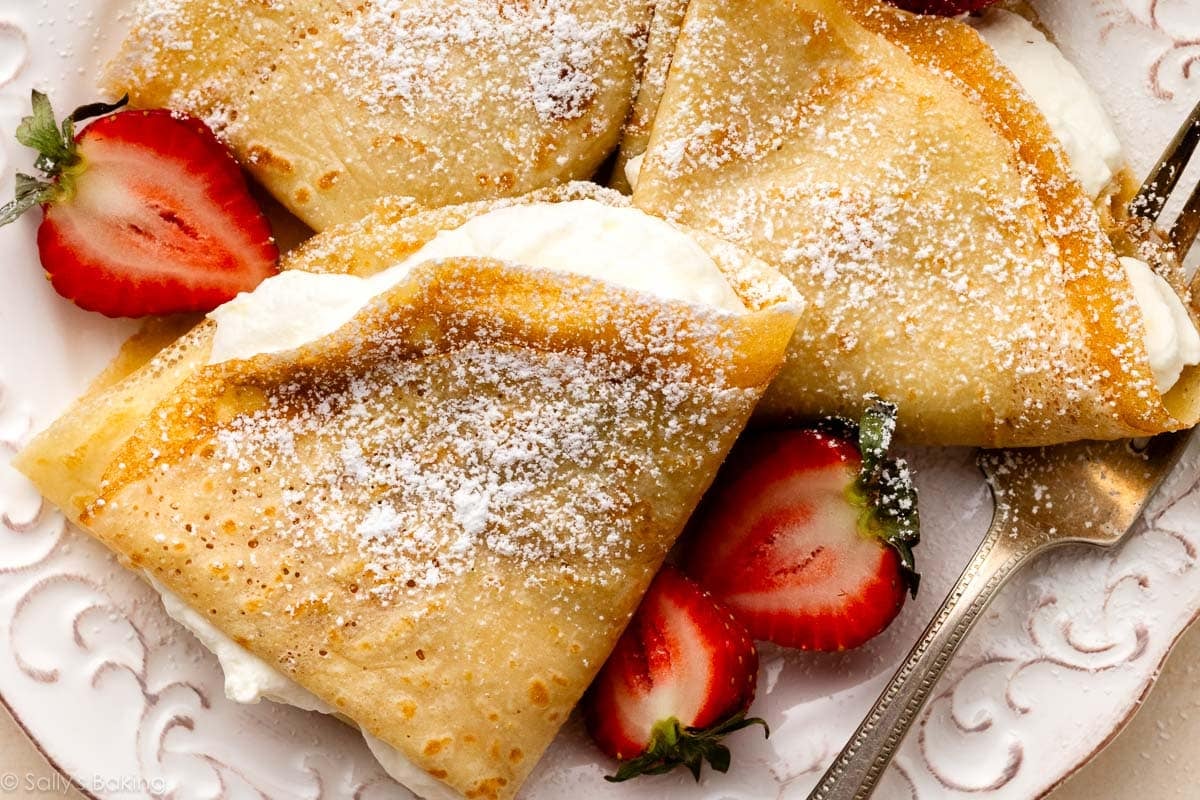
Learning the art of crafting homemade crepes, those quintessential French-style pancakes, is a culinary endeavor far more accessible than often perceived. These incredibly thin, buttery, and delicate creations, integral to global gastronomy, can be prepared with remarkable ease, utilizing a simple batter composed of just eight fundamental ingredients. Dispensing with the need for specialized equipment, a standard kitchen skillet suffices perfectly for achieving restaurant-quality results. Whether destined for sweet applications, adorned with fresh berries and whipped cream, or savory preparations featuring meats, cheeses, or vegetables, a proven methodology yields soft, flexible crepes consistently, each exhibiting characteristic lightly crisp edges.
The resurgence of interest in home cooking, particularly in the wake of recent global shifts, has propelled classic yet approachable dishes like crepes into the spotlight. What was once considered a bistro staple or a street food delight has now firmly established its place in domestic kitchens worldwide. This comprehensive exploration delves into the historical context, culinary science, and practical techniques behind mastering crepes, positioning it as an indispensable guide for enthusiasts and novices alike.
Historical Roots and Cultural Significance
The origins of the crepe are deeply embedded in French culinary tradition, particularly in the northwestern region of Brittany. Historically, the earliest forms of crepes, known as galettes, were made from buckwheat flour, a hardy grain well-suited to Brittany’s climate. These savory galettes were a staple food, often served with eggs, ham, and cheese, providing sustenance for the region’s inhabitants. The transition from the rustic buckwheat galette to the finer, sweeter wheat flour crepe is largely attributed to evolving culinary preferences and the increasing availability of refined wheat flour over centuries.
The celebration of Chandeleur, or Candlemas, on February 2nd, holds a special place in French culture, inextricably linked with crepes. This day, marking the presentation of Jesus at the Temple, is traditionally observed by eating crepes. Superstitions abound, with one popular belief suggesting that holding a coin in one hand while flipping a crepe with the other ensures prosperity for the year. This rich cultural tapestry underscores the crepe’s significance beyond mere sustenance, elevating it to a symbol of tradition, community, and good fortune. Its widespread adoption across France and subsequent global dissemination speak to its enduring appeal, evolving from a regional specialty to an international culinary icon.
The Enduring Appeal: Versatility and Accessibility
Crepes distinguish themselves from their American pancake counterparts primarily through the absence of leavening agents like baking powder or baking soda. This fundamental difference dictates their characteristic thinness and pliability, allowing them to remain flat and tender rather than rising and puffing. This structural integrity makes them ideal vehicles for a vast array of fillings, facilitating folding, rolling, or stacking without tearing. Their subtly neutral flavor profile further enhances their adaptability, serving as an exquisite canvas for both intensely sweet and robustly savory combinations.
The appeal of crepes lies not only in their taste and texture but also in their inherent versatility, rendering them suitable for any meal occasion. While frequently associated with breakfast or brunch, crepes seamlessly transition into lunch, dinner, or dessert applications. From elegant restaurant menus to bustling farmers’ markets and even sophisticated wedding receptions featuring live crepe stations, their presence signifies a dish that is both sophisticated and universally beloved. The "fun factor" associated with customizing crepes with an infinite permutation of stuffings and toppings is a key driver of their popularity, inviting culinary creativity from professional chefs and home cooks alike.
The Science of Crepe Batter: Eight Core Ingredients
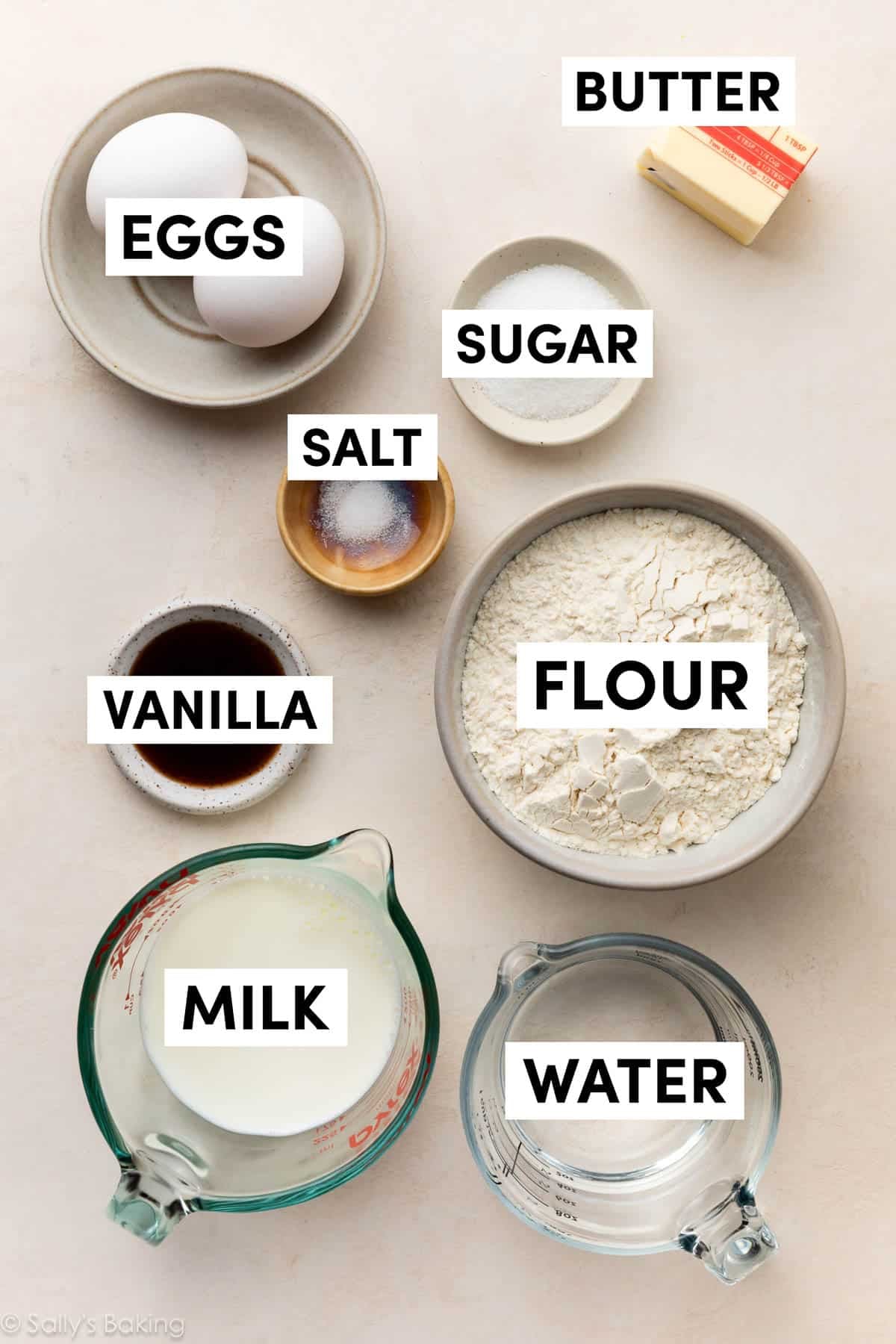
Achieving the perfect crepe hinges on a precise balance of ingredients and understanding their individual roles. The standard recipe, refined over decades, typically calls for eight essential components, each contributing distinctly to the final product’s texture, flavor, and handling properties. Substitutions are generally not recommended due to the delicate nature of the batter and the specific interactions between ingredients.
- All-Purpose Flour: Provides the structural backbone of the crepe. The gluten proteins within the flour develop during the resting period, contributing to the crepe’s elasticity and preventing tearing.
- Granulated Sugar: While minimal, sugar contributes to the crepe’s delicate browning and enhances flavor, particularly for sweet applications. For savory crepes, it can be slightly reduced or omitted.
- Salt: A critical flavor enhancer, salt balances the sweetness and brings out the subtle notes of other ingredients.
- Eggs: Essential for richness, binding, and providing structure. Eggs contribute to the crepe’s golden color and tender texture.
- Milk: The primary liquid, milk adds richness and helps create a smooth batter. Whole milk is often preferred for its fat content, which contributes to tenderness.
- Water: Lightens the batter, preventing the crepes from becoming too dense. The combination of milk and water achieves the ideal consistency for thinness.
- Melted Butter: Adds flavor, moisture, and helps prevent sticking. It also contributes to the delicate crispness of the edges. It is crucial for the butter to be cooled slightly before incorporation to avoid scrambling the eggs.
- Vanilla Extract: Primarily for sweet crepes, vanilla adds a warm, aromatic note that complements a wide range of fillings. For savory crepes, it can be omitted or replaced with a savory flavoring.
The Crucial Role of Batter Rest and Preparation
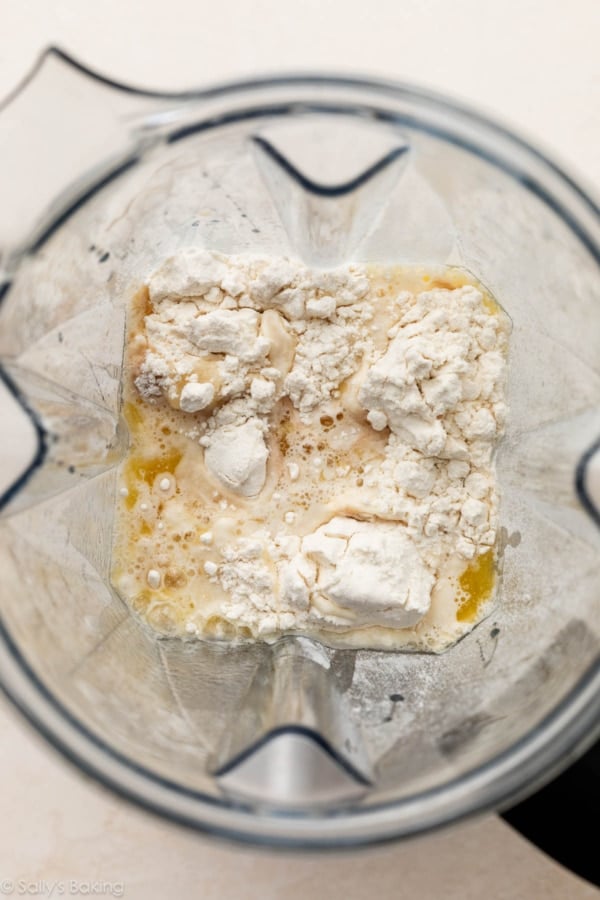
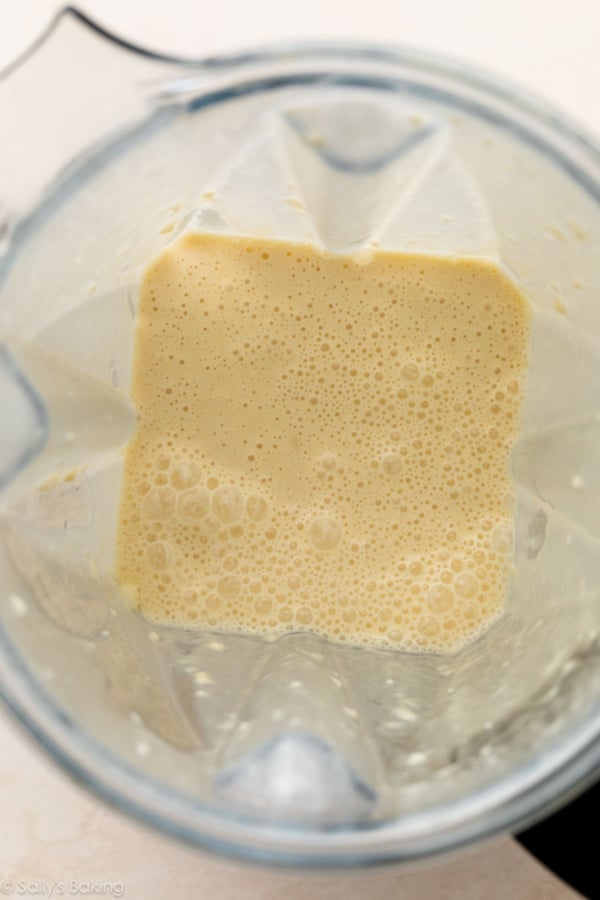
The preparation process for crepe batter is deceptively simple, often beginning with the efficient integration of ingredients in a blender. This method is highly recommended by culinary experts for its ability to produce a remarkably smooth, lump-free batter, which is paramount for achieving uniform, thin crepes. The high-speed action of a blender effectively shears the flour into the wet ingredients, preventing clumps. Alternatively, a traditional whisk and mixing bowl can be employed, though straining the batter through a sieve after mixing can help achieve similar smoothness.
Following the initial mixing, a critical step often overlooked by amateur cooks is the chilling and resting of the batter. A minimum rest period of 30 to 60 minutes in the refrigerator is universally advised by professional chefs and food scientists. This resting period serves several vital functions:
- Hydration of Flour: It allows the flour to fully absorb the liquids, resulting in a more uniform and consistent batter.
- Gluten Relaxation: The gluten strands, activated during mixing, relax during resting. This relaxation is key to producing pliable, elastic crepes that are less prone to tearing during cooking and easier to handle.
- Dissipation of Air Bubbles: Air incorporated during blending or whisking has time to escape, preventing holes and uneven textures in the cooked crepe.
Some recipes even advocate for an overnight chill, allowing for maximum hydration and gluten relaxation, which also offers the practical advantage of preparing the batter in advance for next-day cooking. This foresight is a testament to the recipe’s adaptability for busy lifestyles.
The Art of Cooking: Precision and Technique
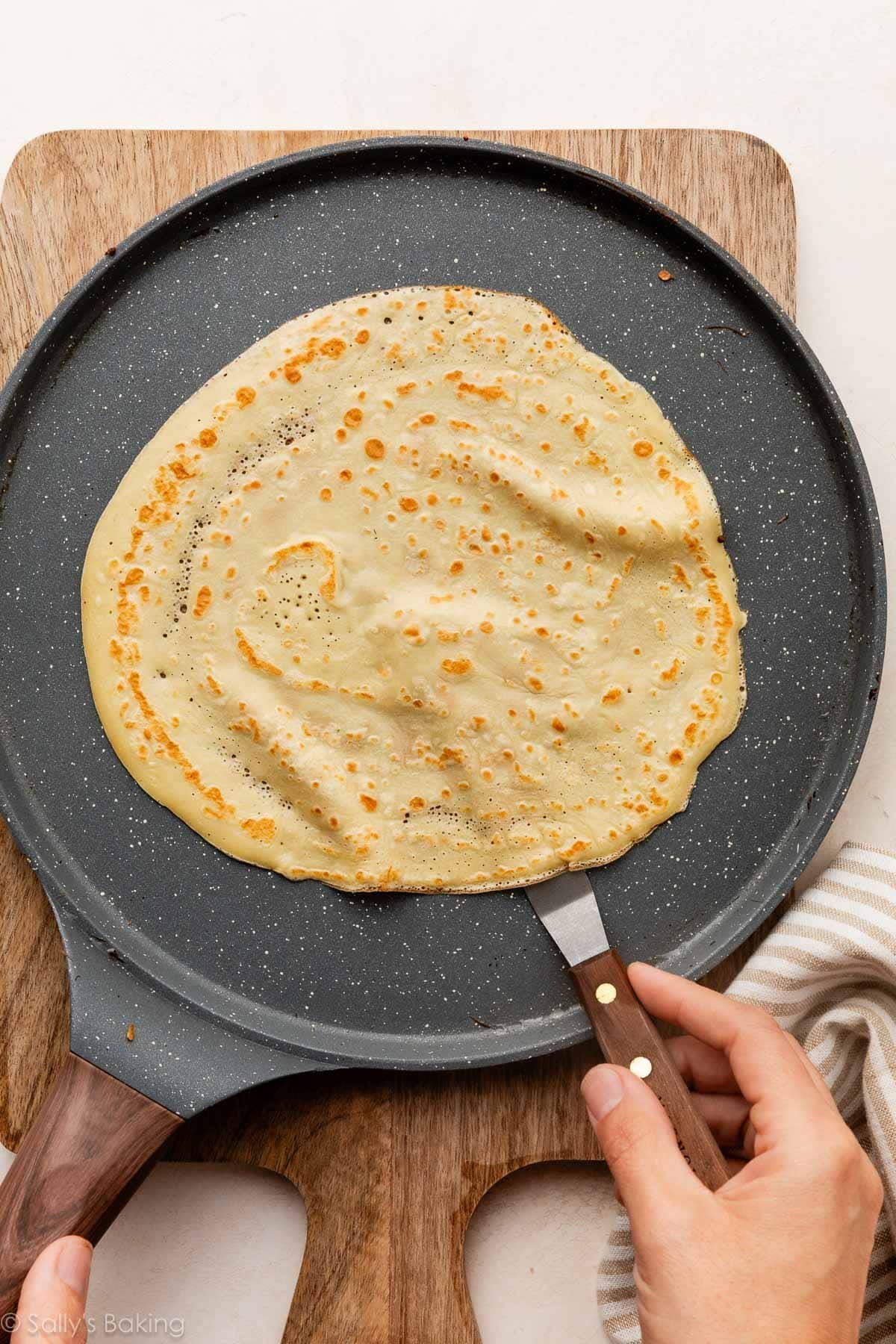
The actual cooking of crepes is an exercise in precision and rhythmic motion, typically performed one at a time over medium heat. While specialty crepe pans exist and are favored in professional settings for their low sides and even heat distribution, a small, well-seasoned 8-inch skillet performs admirably in a home kitchen. The pan must be generously buttered prior to cooking the first crepe, and lightly re-greased between subsequent crepes to ensure non-stick performance and contribute to the delicate browning.
The quantity of batter per crepe is crucial for achieving the desired thinness. Approximately 3 to 4 tablespoons of batter is generally sufficient for an 8-inch pan. The technique involves pouring the batter into the hot pan and immediately swirling the pan to evenly coat the entire surface with a thin layer. This rapid swirling motion is essential; any delay will result in a thicker, less delicate crepe, resembling a tortilla rather than a classic French crepe. The first side cooks quickly, typically within 1 to 2 minutes, until the edges appear lightly crisp and the surface is set. A swift flip, often with a thin spatula, allows the second side to cook for a shorter duration, usually around 30 seconds, ensuring tenderness without overcooking. Overcooked crepes can become rubbery, detracting from their delicate nature. The systematic repetition of this process yields a stack of beautifully crafted crepes, ready for assembly.
Versatile Applications: Sweet and Savory Horizons
The inherent neutrality of crepes makes them a culinary "blank canvas," capable of hosting an almost limitless array of fillings and toppings. This adaptability is a primary factor in their enduring global popularity, allowing them to transcend cultural boundaries and dietary preferences.
Sweet Crepe Innovations:
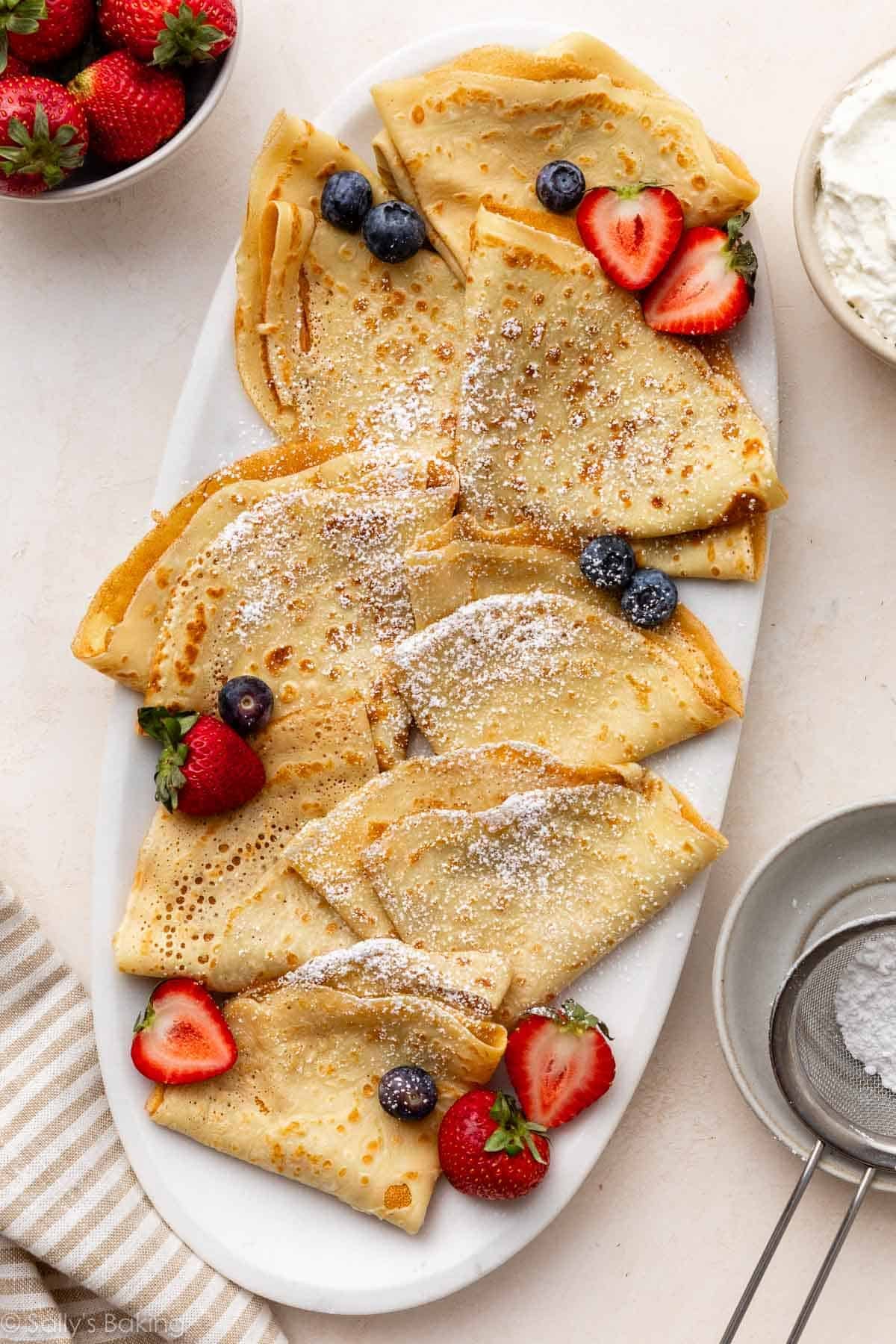
Traditionally, sweet crepes are often served simply with a dusting of powdered sugar and a squeeze of fresh lemon juice, allowing the delicate flavor of the crepe itself to shine. However, the possibilities extend far beyond this classic. Popular sweet fillings include:
- Fruit-based: Fresh berries (strawberries, blueberries, raspberries), sliced bananas, sautéed apples with cinnamon, or various fruit jams and preserves.
- Creamy: Homemade whipped cream, crème fraîche, pastry cream, mascarpone, or even sweetened ricotta cheese.
- Chocolate & Nut: Melted chocolate, chocolate hazelnut spread (Nutella), peanut butter, almond butter, or candied nuts.
- Syrups & Sauces: Maple syrup, honey, caramel sauce, fruit coulis, or the iconic flambéed Crepes Suzette with orange liqueur.
Savory Crepe Creations:
For savory palates, crepes offer an equally extensive range of options, transforming them into a hearty meal. Common savory fillings include:
- Cheese-centric: Gruyère, cheddar, goat cheese, or a rich béchamel sauce.
- Meat & Poultry: Sautéed mushrooms and ham, shredded chicken, ground beef, smoked salmon, or even delicate crab meat.
- Vegetable Medleys: Sautéed spinach, asparagus, roasted bell peppers, caramelized onions, or a ratatouille-style vegetable mix.
- Global Inspirations: Incorporating elements from various cuisines, such as spiced ground lamb, curried vegetables, or Mexican-inspired fillings, further demonstrates the crepe’s universal appeal.
The choice between sweet and savory often dictates the specific additions to the batter itself, such as a touch more sugar for sweet crepes or a hint of herbs for savory ones, though the base recipe remains largely consistent.
Forward Planning and Preservation
The convenience of crepe preparation extends to their make-ahead potential. The batter, when properly sealed, can be refrigerated for up to 24 hours without compromising quality, making it an excellent option for entertaining or for streamlining morning routines. This flexibility is highly valued by home cooks, as evidenced by consistent positive feedback regarding the ability to prepare components in advance.
Cooked crepes, while best enjoyed fresh, can also be stored for later consumption. Leftovers maintain their quality in the refrigerator for up to two days. Reheating options include a quick microwave warm-up or, for larger batches, arranging them on a lined baking sheet, covered with aluminum foil, and warming them in a 275°F (135°C) oven for approximately 10 minutes. For longer-term preservation, crepes can be frozen. To do so, stack cooled crepes with parchment paper between each layer to prevent sticking, then wrap the stack tightly in plastic wrap and aluminum foil. Frozen crepes can last for up to one month and can be thawed overnight in the refrigerator before reheating.
Addressing Common Challenges
Even with a straightforward recipe, certain challenges can arise during crepe preparation. Understanding the common pitfalls and their solutions is key to consistent success:
- Rubbery Texture: This is almost always a sign of overcooking. Crepes require very brief cooking times, typically 1-2 minutes on the first side and about 30 seconds after flipping.
- Tearing: Insufficient resting time for the batter or flipping the crepe before it has fully set on the first side are primary culprits. The rest allows gluten to relax, improving elasticity.
- Excessive Thickness: Using too much batter for the pan size or failing to swirl the batter quickly and thinly across the pan results in thicker crepes. Precision with batter quantity and rapid spreading are essential.
- Lumpy Batter: While a blender largely mitigates this, hand-whisked batters can be lumpy. Straining the batter through a fine-mesh sieve before chilling effectively removes any remaining lumps.
Implications for Modern Culinary Practices
The enduring popularity and accessibility of crepe-making underscore several broader implications for contemporary culinary practices. Firstly, it exemplifies the democratization of gourmet cooking, where complex-seeming dishes can be mastered in the home kitchen with simple ingredients and tools. Online culinary platforms, instructional videos, and detailed recipe guides have played a significant role in demystifying such dishes, empowering a new generation of home cooks.
Secondly, the crepe’s versatility aligns perfectly with modern dietary trends, offering a customizable base for various dietary needs, from gluten-free alternatives (using buckwheat or alternative flours) to vegan options (with plant-based milks and egg substitutes). This adaptability ensures its continued relevance in an increasingly health-conscious and diverse culinary landscape.
Finally, the crepe stands as a testament to the enduring appeal of classic, foundational recipes. In an era of culinary innovation and fleeting food trends, the simple elegance and profound adaptability of the crepe ensure its place as a timeless staple, providing comfort, versatility, and a touch of French sophistication to tables worldwide. Its role in diverse culinary traditions, from celebratory meals to everyday delights, solidifies its status as a global culinary treasure. The ability to create a magnificent crepe cake, layering dozens of thin crepes with rich fillings, further showcases its potential as a celebratory showstopper, bridging simplicity with sophisticated presentation.
