

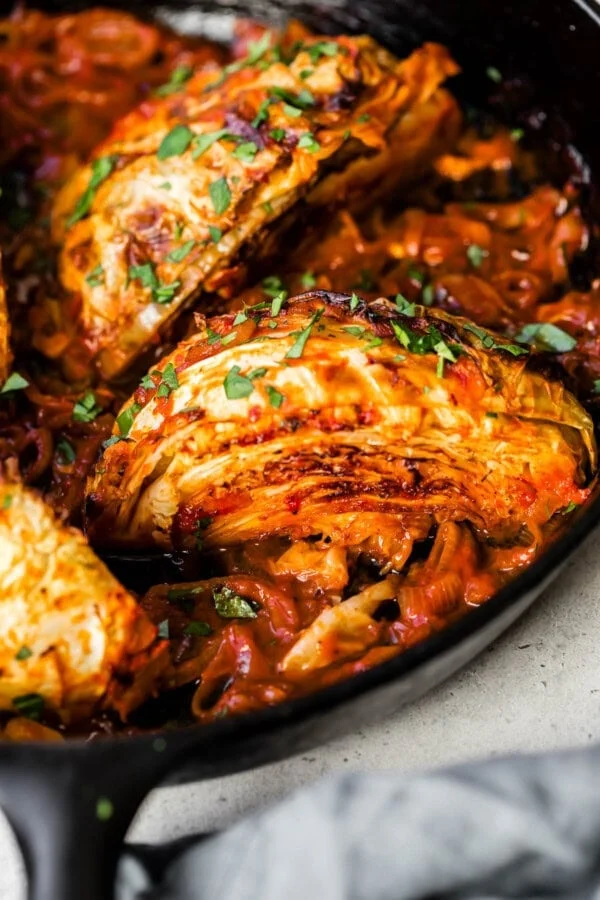
A new recipe for "Melting Cabbage" has emerged, transforming the often-underestimated vegetable into a sophisticated, tender side dish through a meticulous braising process. This method, featuring cabbage wedges simmered in a savory tomato and wine sauce, promises to elevate the humble crucifer to a new culinary status, offering both exceptional flavor and a remarkably soft texture. Developed and popularized by the prominent food blog Skinnytaste, this approach to braised cabbage highlights the potential for simple ingredients to become extraordinary with the right technique and flavor profile.
A Culinary Transformation: From Humble Staple to Gourmet Side
Cabbage, a vegetable with a rich history and global presence, has long been a dietary cornerstone across various cultures. From sauerkraut in Germany to kimchi in Korea, and coleslaw in America, its versatility is undeniable. However, it often remains relegated to supporting roles or perceived as a basic, even bland, ingredient. The "Melting Cabbage" recipe directly challenges this perception by presenting the vegetable as the star of the plate. The term "melting" precisely describes the desired outcome: cabbage so tender it practically dissolves in the mouth, having thoroughly absorbed the nuanced flavors of its braising liquid. This transformation moves cabbage beyond its traditional crunchy or slightly firm preparations, offering a deeply comforting and flavorful experience reminiscent of more complex dishes.
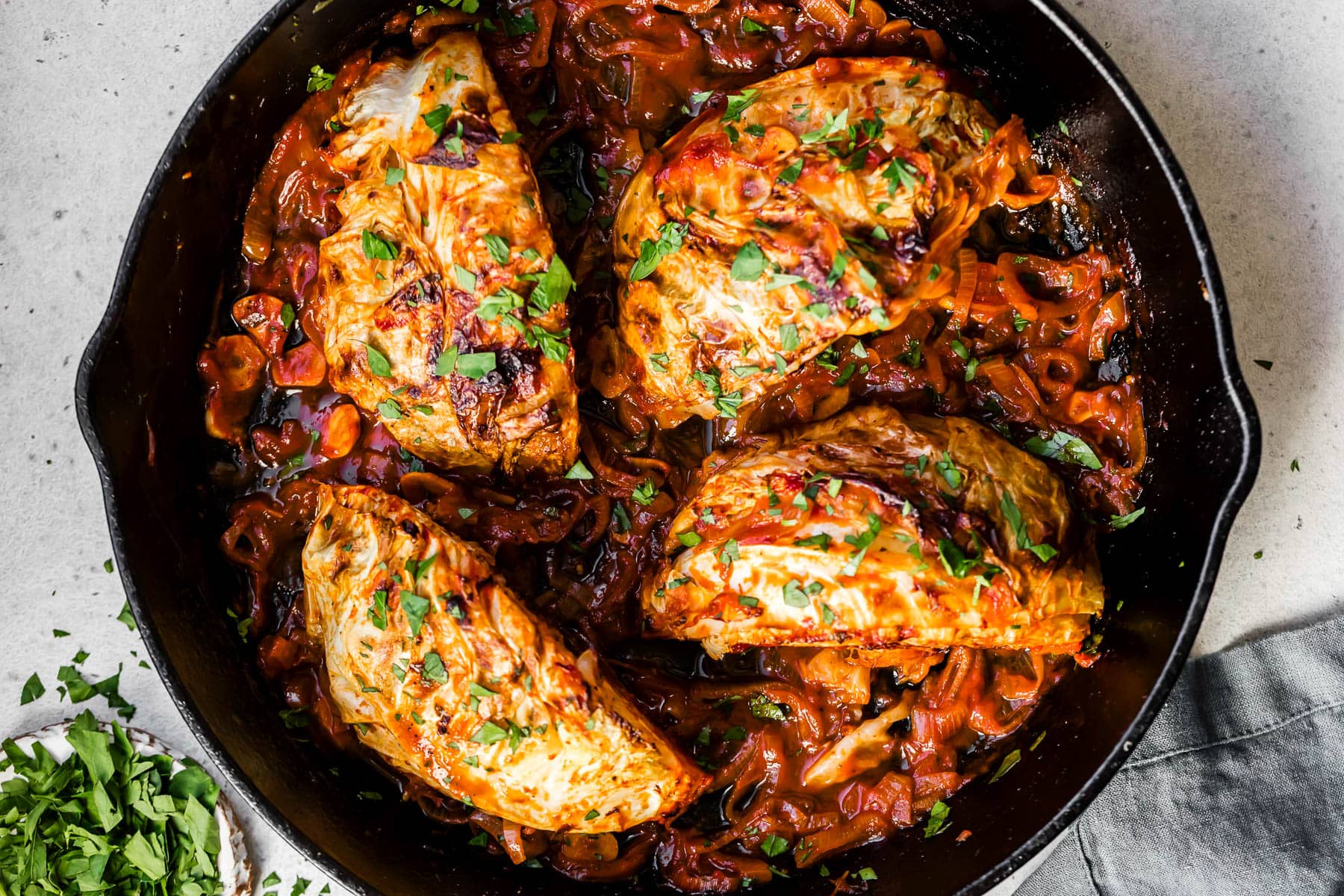
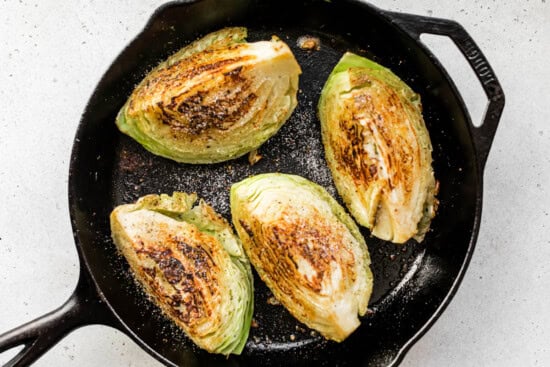
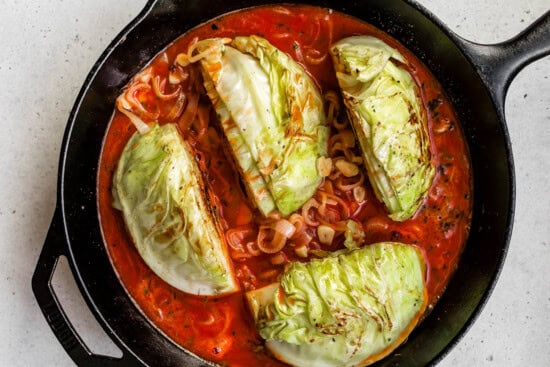
The recipe itself leverages the braising technique, a slow-cooking method that involves searing an ingredient and then simmering it in liquid, typically covered, until tender. For this particular dish, wedges of cabbage are first browned in butter, a crucial step that caramelizes the outer leaves and develops a deeper, more savory foundation of flavor. This initial searing is pivotal, as it contributes significantly to the final taste complexity, preventing the cabbage from merely tasting boiled or steamed. Following this, the cabbage is immersed in a rich liquid composed of tomato and wine, allowing it to slowly cook and absorb these robust flavors. The result is a dish that echoes the comforting essence of stuffed cabbage, yet without the meat, offering a lighter, vegetable-forward alternative that is equally satisfying.
The Art of Braising: Technique and Flavor Development
Braising is an ancient cooking technique, dating back centuries, celebrated for its ability to tenderize tough cuts of meat and, increasingly, fibrous vegetables. Its core principle lies in the combination of dry heat (searing) and wet heat (simmering), creating a dual-action cooking process. In the context of "Melting Cabbage," the initial browning in butter introduces Maillard reactions, responsible for the savory, nutty flavors and appealing golden-brown crust. This step is not merely aesthetic; it profoundly impacts the overall flavor profile of the dish.
The braising liquid—a savory blend of tomato and wine—is central to the recipe’s success. Tomato, with its inherent umami and acidity, provides a robust base, while wine introduces aromatic complexity and further acidity, which helps to break down the cabbage’s cellular structure, accelerating tenderness. The choice of wine, typically a dry white wine, contributes subtle fruit notes and a crispness that balances the richness of the tomato. Should white wine not be preferred or available, the recipe suggests a viable alternative: substituting broth and adding a touch of white or red wine vinegar to replicate the crucial tanginess. This adaptability ensures the recipe remains accessible to a wider audience while maintaining its intended flavor balance.
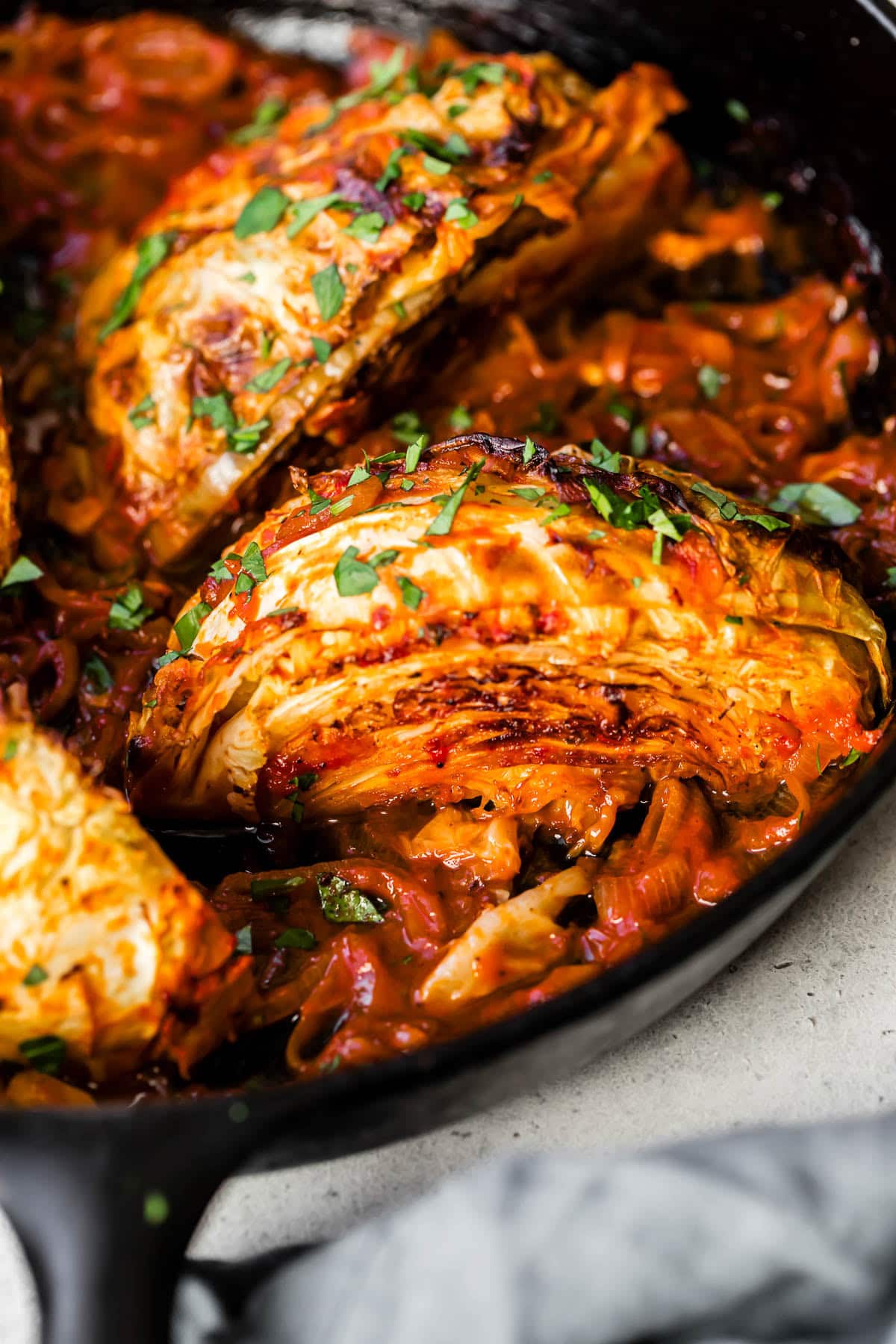
The amount of liquid is critical: enough to cover the bottom half of the cabbage wedges, ensuring they cook evenly without becoming submerged and losing their structural integrity. This precise liquid level facilitates a gentle simmer, allowing the cabbage to slowly soften and absorb the surrounding flavors without becoming waterlogged. Monitoring the reduction of the braising liquid is also important; if it becomes too dry before the cabbage reaches its desired tenderness, a splash of water or additional broth can be added to maintain the optimal cooking environment.
Nutritional Profile and Health Benefits
Cabbage, the star ingredient, is a nutritional powerhouse often overlooked in modern diets. It is remarkably low in calories and rich in essential vitamins and minerals, including Vitamin C, Vitamin K, and folate. A quarter of the "Melting Cabbage" recipe, as detailed by Skinnytaste, provides approximately 167.5 kcal, 22g carbohydrates, 5g protein, 6g fat (3.5g saturated), 15.5mg cholesterol, 643.5mg sodium, 7g fiber, and 10.5g sugar.
The high fiber content (7g per serving) is particularly noteworthy. Dietary fiber is crucial for digestive health, helping to regulate bowel movements and promote satiety, which can aid in weight management. Cabbage also contains potent antioxidants and anti-inflammatory compounds, which contribute to overall health and may help protect against chronic diseases. The braising method, while adding some fat from butter, generally preserves the nutritional integrity of the cabbage, and the use of fresh tomatoes adds lycopene, another beneficial antioxidant.

In an era where consumers are increasingly seeking healthier side dish options, "Melting Cabbage" presents an attractive alternative to heavier, calorie-dense accompaniments. Its substantial fiber and nutrient content make it a fulfilling yet light option, suitable for a variety of dietary preferences, including vegetarian and plant-forward meals.
The Skinnytaste Philosophy: Healthy Eating, Elevated Flavors
Skinnytaste, founded by Gina Homolka, has become a leading platform for health-conscious cooking, celebrated for its ability to create delicious, satisfying recipes that are also mindful of calorie counts and nutritional value. The "Melting Cabbage" recipe aligns perfectly with this philosophy. Gina herself notes that cabbage is "an underrated vegetable" and expresses hope that this recipe will change perceptions, encouraging more people to incorporate it into their diets beyond traditional preparations like coleslaw.
This recipe exemplifies Skinnytaste’s commitment to making healthy eating accessible and enjoyable. By focusing on a simple, affordable vegetable and employing a technique that maximizes flavor without excessive added fats or sugars, it provides a practical solution for home cooks looking to diversify their healthy meal repertoire. The emphasis on flavorful braising liquids, such as the tomato and wine sauce, ensures that the dish is not only nutritious but also deeply appealing, combating the misconception that healthy food must be bland.

Beyond the Plate: Economic and Environmental Considerations
The choice of cabbage as a primary ingredient also carries significant economic and environmental benefits. Cabbage is one of the most cost-effective vegetables available year-round in many regions, making this recipe a budget-friendly option for families and individuals. In times of economic uncertainty, recipes that maximize flavor and nutrition from affordable ingredients are particularly valuable.
From an environmental perspective, selecting locally sourced cabbage can reduce the carbon footprint associated with food transportation. Furthermore, utilizing a whole head of cabbage, as this recipe encourages, can contribute to reducing food waste in the home kitchen. These aspects resonate with a growing consumer awareness regarding sustainable eating and responsible food consumption.
Expert Perspectives on Vegetable Elevation
Culinary experts often advocate for innovative approaches to vegetables, recognizing their underutilized potential. "The transformation of cabbage through braising is a testament to the power of technique," comments Chef Anya Sharma, a culinary instructor specializing in vegetable-forward cuisine. "By layering flavors through initial searing and then slow simmering, you move beyond the raw or lightly cooked state to something incredibly rich and satisfying. This ‘melting’ texture is particularly appealing, as it allows the vegetable to fully integrate with the sauce, creating a harmonious bite."
Nutritionists also commend such recipes for their ability to promote vegetable consumption. Dr. Liam Chen, a registered dietitian, observes, "Many people struggle to meet their daily vegetable intake recommendations. Recipes like ‘Melting Cabbage’ make vegetables exciting and delicious, rather than just a duty. The fiber content, combined with the low-calorie density, makes it an excellent choice for satiety and overall gut health, while the vibrant sauce ensures it’s palatable even for those who might typically shy away from cabbage."
Crafting the Dish: Key Ingredients and Methodological Nuances
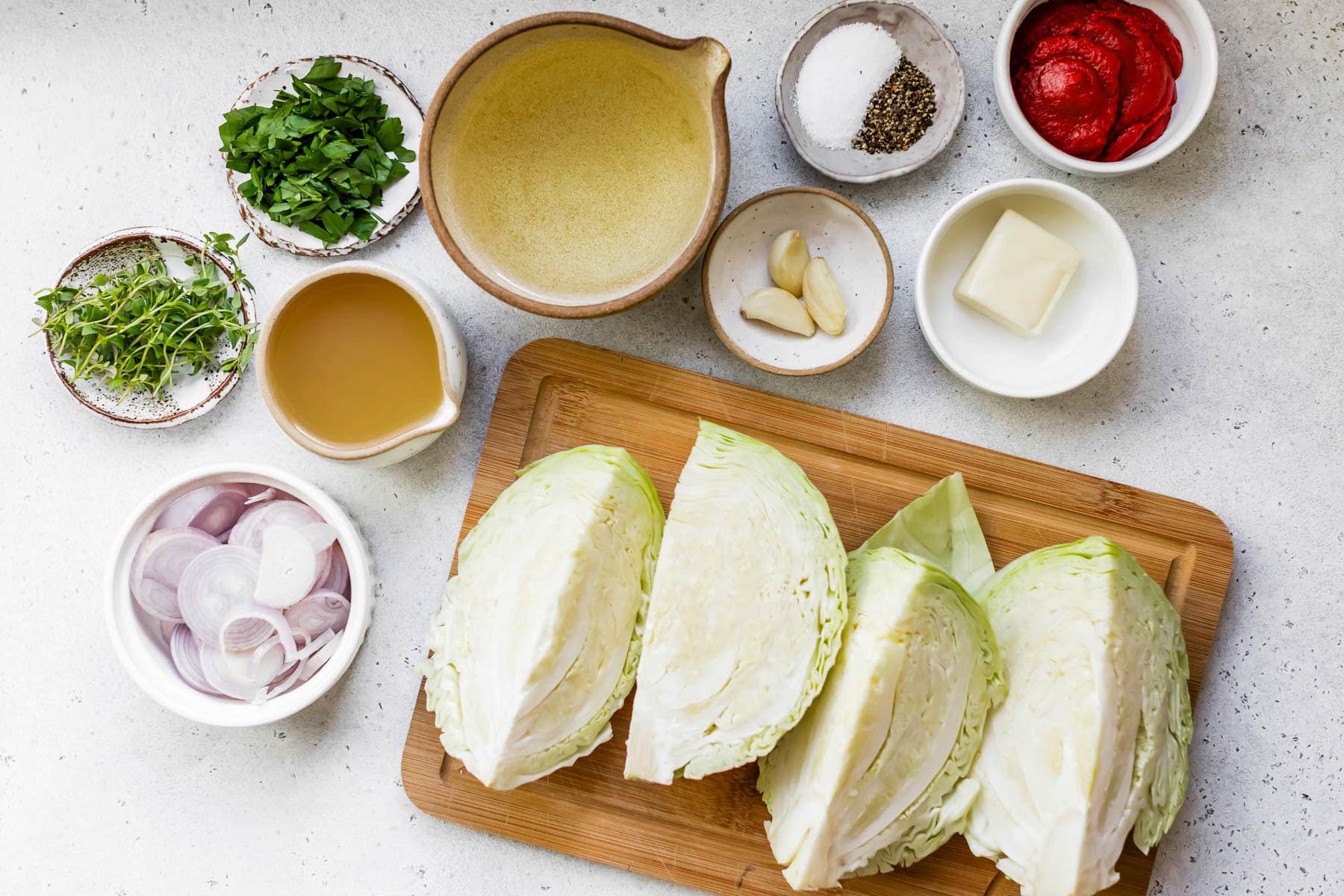
While the full ingredient list is typically found in the recipe card, the core components for this braised cabbage include a head of green cabbage, butter for searing, shallots for aromatic depth, and the aforementioned tomato paste, wine, and broth for the braising liquid. Shallots are preferred for their milder, sweeter onion flavor, though a small red or yellow onion can serve as a suitable substitute. Double-concentrated tomato paste is recommended for its intensified flavor, but regular tomato paste can be used with a touch of sugar to enhance sweetness.
The methodological nuances are straightforward yet critical:
- Preparation: Cabbage is cut into wedges, ensuring the core holds the leaves together during cooking.
- Searing: The wedges are seared in butter until caramelized, building flavor.
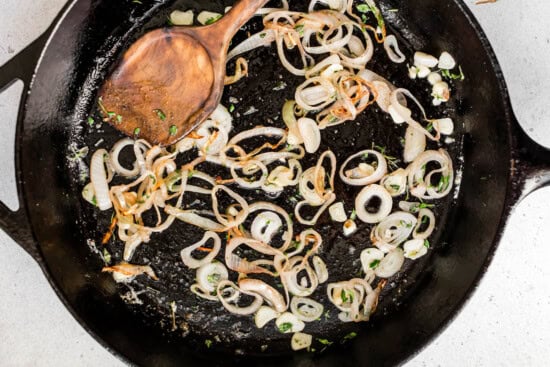
- Aromatics: Shallots are sautéed until fragrant.
- Sauce Development: Tomato paste is cooked briefly to deepen its flavor, then deglazed with wine, followed by broth.
- Braising: Cabbage wedges are nestled into the sauce, covered, and simmered until fork-tender.
This structured approach ensures consistent results, yielding cabbage that is not only tender but also deeply infused with the savory, tangy, and slightly sweet notes of the braising liquid.
Versatility and Adaptability: Customizing Your Braised Cabbage
The "Melting Cabbage" recipe is highly adaptable, allowing home cooks to customize it to their preferences or what they have on hand.
- Cabbage Type: While green cabbage is specified, red cabbage can be used for a slightly different flavor profile and vibrant color.
- Aromatics: Beyond shallots and onions, garlic or leeks could be incorporated for additional aromatic layers.
- Braising Liquid: Experimenting with different wines (e.g., a lighter red wine for a richer, deeper flavor) or adding herbs like thyme or bay leaf can introduce new dimensions. A pinch of red pepper flakes could add a subtle warmth.
- Enrichment: A touch of Parmesan cheese or a swirl of crème fraîche could be added at the end for extra richness, though this would alter the "skinny" aspect.
- Vegetable Additions: Root vegetables like carrots or parsnips could be braised alongside the cabbage, adding sweetness and texture.
These variations allow the base recipe to evolve, preventing monotony and encouraging culinary creativity.
Implications for Modern Cuisine and Home Cooks
The introduction of recipes like "Melting Cabbage" carries several implications for modern cuisine and the practices of home cooks. Firstly, it champions the concept of "vegetable elevation," where common vegetables are given the gourmet treatment, moving them from mere accompaniments to central, celebrated components of a meal. This aligns with broader trends towards plant-forward eating and the increasing demand for innovative vegetable dishes.
Secondly, it empowers home cooks by demonstrating that sophisticated flavors and textures can be achieved with relatively simple ingredients and accessible techniques. The braising method, while requiring patience, is not inherently complex, making it achievable for cooks of varying skill levels. This accessibility is crucial for encouraging more home cooking, which often leads to healthier eating habits.
Finally, "Melting Cabbage" could inspire further exploration into the braising of other often-neglected vegetables, such as celery root, fennel, or even tougher greens like collards. By showcasing the transformative power of this technique, it opens up a world of possibilities for adding variety and depth to everyday meals.
In conclusion, the "Melting Cabbage" recipe from Skinnytaste represents more than just a new dish; it signifies a thoughtful re-evaluation of a humble vegetable, presenting it in a manner that is both nutritionally beneficial and exquisitely flavorful. Through the art of braising in a savory tomato and wine sauce, cabbage is elevated to a tender, "melting" delicacy, poised to become a cherished addition to dinner tables and a testament to the endless potential of simple ingredients.
