

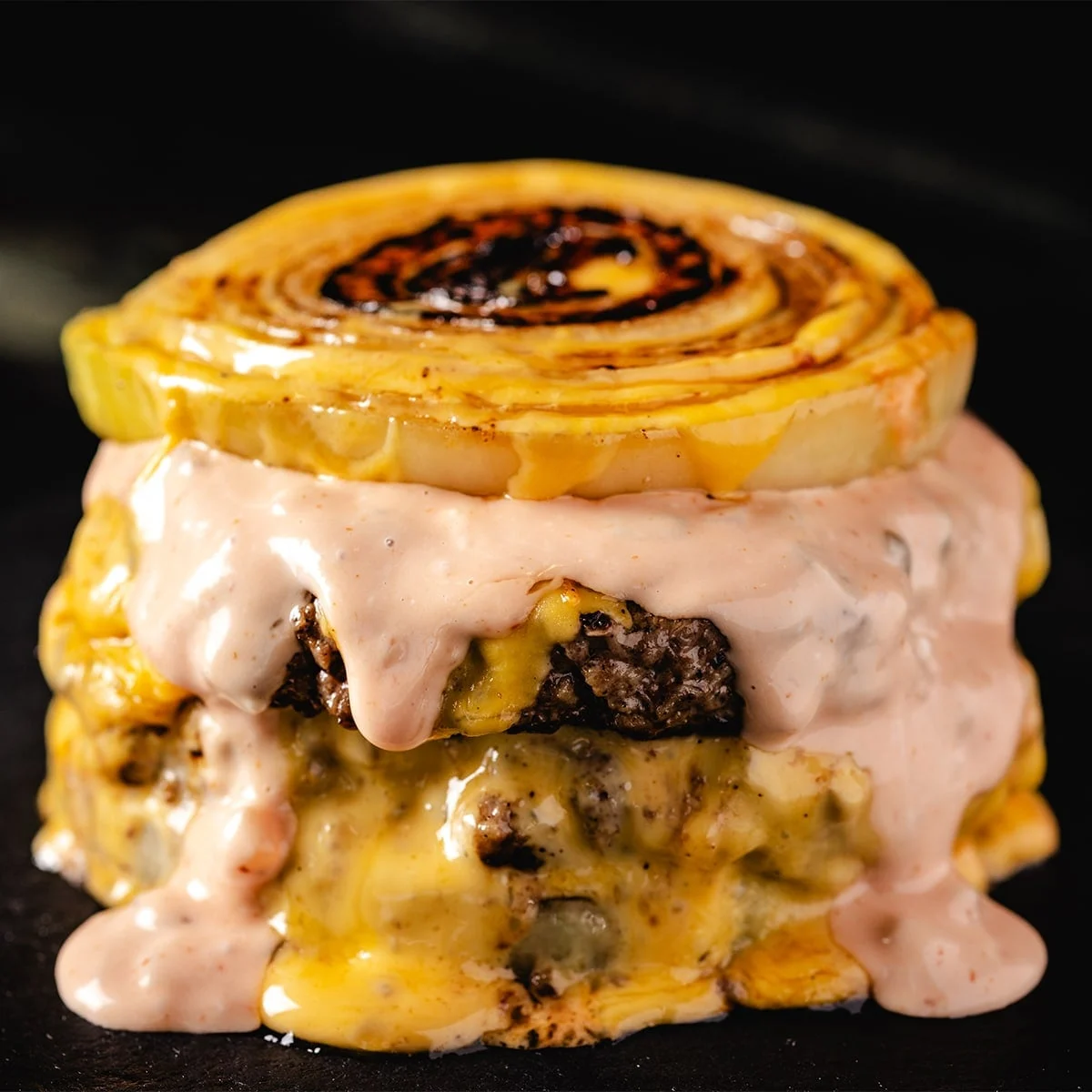
The Flying Dutchman burger, a minimalist culinary creation originating from the West Coast fast-food institution In-N-Out Burger, has transitioned from a niche "secret menu" item to a global viral sensation. Characterized by its complete lack of bread, the burger utilizes two thick slices of grilled onion as a structural substitute for a traditional bun, encasing two beef patties and multiple layers of melted American cheese. As home grilling culture continues to expand, driven by the popularity of outdoor flat-top griddles and social media culinary influencers, the recreation of this specific menu item has become a benchmark for backyard enthusiasts seeking to replicate professional-grade results.
Historical Context and the Rise of the Secret Menu
The Flying Dutchman’s origins are deeply rooted in the history of In-N-Out Burger, founded in 1948 by Harry and Esther Snyder in Baldwin Park, California. While the official menu has remained remarkably consistent for over seven decades, focusing on high-quality, limited options, an "off-menu" culture emerged among loyal patrons and staff. The Flying Dutchman was reportedly named after Guy Snyder, the founders’ son and a former president of the company, who was known for his preference for the simplified, high-protein stack of beef and cheese.

Originally, the Flying Dutchman consisted strictly of two slices of cheese melted between two burger patties, served without any produce or bread. However, the contemporary interpretation—and the version currently dominating digital food platforms—is the "onion-wrapped" variant. This iteration introduces two whole rounds of yellow onion, griddled until translucent and caramelized, to serve as the exterior "bun." This modification aligns with broader dietary shifts toward low-carbohydrate and ketogenic lifestyles, providing a high-protein, gluten-free alternative to the standard cheeseburger.
Technical Composition: The Four Pillars of the Dutchman
To achieve a restaurant-quality Flying Dutchman at home, culinary experts emphasize four primary components: the protein, the cheese, the onion "buns," and the signature spread.
1. The Beef Component
Industry standards for premium smash burgers dictate a high fat-to-lean ratio, typically 80/20 ground chuck. This ensures that the patties remain succulent even when subjected to the high heat of a griddle. In the Flying Dutchman format, the patties are "smashed" thin to maximize the surface area for the Maillard reaction—a chemical reaction between amino acids and reducing sugars that gives browned food its distinctive flavor.

2. The Onion "Bun"
The selection of the onion is critical to the structural integrity of the burger. Large yellow onions are preferred for their balance of sweetness and astringency. These must be sliced into thick, uniform rounds to ensure they do not disintegrate during the grilling process. The objective is to achieve a deep caramelization on the exterior while maintaining enough internal structure to support the weight of the meat and cheese.
3. The Role of American Cheese
While artisanal cheeses are popular in gourmet cooking, the Flying Dutchman traditionally utilizes processed American cheese. The inclusion of emulsifiers in American cheese allows it to melt smoothly and quickly at lower temperatures, creating a cohesive bond between the beef and the onions. This "meltability" is essential for a burger that lacks a traditional bun to soak up juices.
4. The Signature Spread
No In-N-Out copycat recipe is complete without a recreation of the "spread." This condiment is a derivative of Thousand Island dressing but with specific ratios optimized for savory beef. The standard composition includes a mayonnaise base, tomato ketchup, sweet pickle relish, a touch of sugar, and white vinegar. This provides the necessary acidity to cut through the richness of the fat and cheese.

Chronology of the Cooking Process
The preparation of a Flying Dutchman requires precise timing to ensure all components reach their optimal temperature simultaneously.
- Preparation of the Spread: The sauce is typically prepared in advance and refrigerated. This allows the flavors to meld and the sugar to dissolve completely into the acidic components.
- Onion Griddling: The onion rounds are the first items placed on the griddle. They require the longest cook time to reach a state of "sweet char" without becoming mushy. They are seasoned with salt and flipped only once to preserve their circular shape.
- The Smash Technique: Once the onions are halfway through their cooking cycle, the beef is placed on the high-heat zone of the griddle. Using a heavy press or spatula, the beef is flattened into thin discs. This maximizes the crust formation.
- Assembly on the Heat: After flipping the patties, cheese is applied immediately. Once the cheese begins to melt, the patties are stacked.
- The Final Construct: The stacked, cheesy patties are placed atop one grilled onion round, topped with the spread, and finished with the second onion round.
Food Safety and Nutritional Data
According to the United States Department of Agriculture (USDA), ground beef must reach an internal temperature of 160°F (71°C) to ensure the elimination of harmful bacteria such as E. coli. Because smash patties are thin, they often reach this temperature within minutes. Analysts suggest the use of an instant-read digital thermometer to verify doneness, as visual cues can be misleading on a high-heat griddle.
Nutritionally, the Flying Dutchman represents a significant departure from standard fast food. By removing the bun, the carbohydrate count drops significantly. A standard Flying Dutchman with spread contains approximately 51 grams of carbohydrates (primarily from the onions and the sugar in the spread), 57 grams of protein, and 156 grams of fat. This profile makes it a calorie-dense option, totaling roughly 1,829 kcal for a two-burger serving, highlighting the importance of portion control for the health-conscious consumer.

The Influencer Effect: Susie Bulloch and the BBQ Community
The transition of the Flying Dutchman from a regional secret to a backyard staple has been accelerated by figures such as Susie Bulloch, the founder of "Hey Grill Hey." Bulloch, a recognized authority in the barbecue community with appearances on the Food Network and multiple Guinness World Records, has been instrumental in demystifying professional grilling techniques for the general public.
Her approach emphasizes the accessibility of high-quality outdoor cooking. By providing detailed "copycat" recipes, influencers like Bulloch empower consumers to bypass the drive-thru and control the quality of their ingredients. This shift has contributed to a surge in the sales of outdoor cooking equipment, specifically flat-top griddles, which have seen a market expansion of over 20% in recent years as homeowners seek to recreate the "short-order cook" experience at home.
Market Implications and the Future of Secret Menus
The popularity of the Flying Dutchman underscores a broader trend in the food and beverage industry: the "democratization of the secret menu." In the past, secret menu items served as a "shibboleth" for brand loyalists—a way to identify insiders. Today, social media platforms like TikTok and Instagram have made these items public knowledge, forcing fast-food chains to adapt.

Industry analysts note that while secret menu items can complicate kitchen operations, they provide significant marketing value. They drive engagement and encourage customization, which is a high priority for Millennial and Gen Z consumers. The Flying Dutchman, specifically, has become a "halo product" for In-N-Out, maintaining the brand’s relevance in a digital landscape where visual appeal and "hacks" are currency.
Furthermore, the rise of DIY versions of these burgers reflects a growing consumer interest in food transparency. By preparing a Flying Dutchman at home, individuals can choose grass-fed beef, organic onions, and nitrate-free seasonings, effectively "upgrading" the fast-food experience into a gourmet meal.
Conclusion
The Flying Dutchman Burger is more than a bunless alternative; it is a testament to the power of minimalist culinary design and the influence of consumer-driven trends. From its origins as a simplified protein stack for the Snyder family to its current status as a viral grilling challenge, the burger represents the intersection of tradition and modern digital culture. As the outdoor cooking industry continues to innovate, the ability to replicate these iconic flavors at home will likely remain a central theme for backyard chefs worldwide. Whether motivated by dietary necessity or the pursuit of the perfect char, the Flying Dutchman continues to soar as a staple of American burger lore.
