

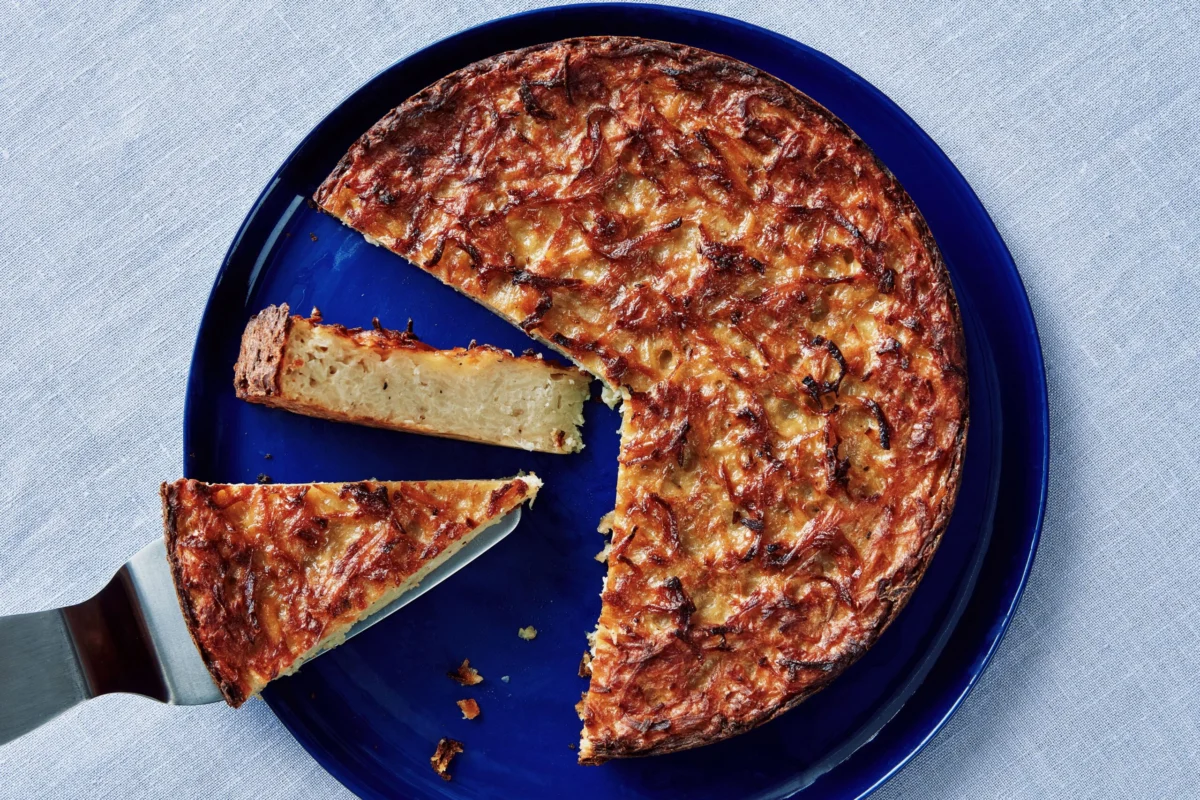
When many people hear “kugel,” visions of a sweet egg noodle casserole often first come to mind, delighting some palates while perplexing others. However, the savory potato kugel presents a distinctly different and almost universally pleasing culinary experience. This baked casserole, a cornerstone of Ashkenazi Jewish culinary tradition, offers a comforting blend of flavors and textures, positioning itself somewhere between the crisp, fried allure of a latke and the dense, eggy heartiness of a Spanish tortilla. Crafted primarily from grated potato, onion, and egg, it is an indispensable side dish for significant Jewish observances such as Rosh Hashanah and Passover, and a cherished component of the weekly Shabbat meal. Yet, its versatility extends far beyond these ritualistic occasions, making it a welcome accompaniment on any day, pairing seamlessly with robust meaty mains like slow-braised brisket or a perfectly roasted chicken.
Historical Roots and the Kugel’s Evolution
To fully appreciate the potato kugel, it is essential to delve into its historical trajectory within the broader context of Ashkenazi Jewish cuisine. The term "kugel" itself originates from the German word for "ball" or "sphere," initially referring to simple baked puddings. Over centuries, particularly in Central and Eastern Europe where Jewish communities flourished, this humble dish evolved, adapting to available ingredients and local culinary influences. Early kugels were often bread-based, but as potatoes became more widely cultivated and accessible in the 17th and 18th centuries, they naturally found their way into the Jewish kitchen, leading to the development of the potato kugel. This culinary adaptation was not merely a matter of convenience; it reflected a broader ingenuity within Ashkenazi cooking, which historically emphasized resourcefulness, comfort, and the ability to create hearty, satisfying meals within the constraints of dietary laws (kashrut) and economic realities.
The emergence of potato kugel coincided with the potato’s rise as a staple crop across Europe, offering an inexpensive and nutritious base for a variety of dishes. For Jewish communities facing often challenging circumstances, potatoes provided a reliable source of sustenance. The transformation of raw potatoes into a comforting, baked casserole like kugel became a testament to culinary resilience and creativity. Unlike its sweet noodle counterpart, which often incorporates sugar, fruit, or cheese, the potato kugel remained firmly rooted in savory traditions, emphasizing the earthy qualities of its primary ingredient. This distinction is crucial in understanding why potato kugel often holds a broader appeal, transcending specific holiday associations to become a beloved comfort food in its own right.
The Distinctive Profile of Savory Potato Kugel
What precisely sets potato kugel apart? Its unique texture is a defining characteristic. While a latke demands the rigorous squeezing of grated potato to achieve its signature crispness when fried, potato kugel embraces some of the potato’s natural moisture. This retention of liquid, combined with the baking process, results in a casserole that is simultaneously creamy on the inside and wonderfully crisp and golden on its surface and edges. This duality provides a satisfying mouthfeel that distinguishes it from its fried counterparts.
The core ingredients are deceptively simple: grated potatoes, finely chopped or grated onions, and eggs. However, the interplay of these elements, combined with strategic fat application, creates a complex flavor profile. Potatoes provide the starchy base, onions contribute a crucial aromatic depth and sweetness when baked, and eggs act as the binding agent, holding everything together and contributing to the kugel’s structure.
Historically, fats like schmaltz (rendered chicken fat) or olive oil were commonly used both in the kugel mixture and to grease the baking pan. Schmaltz imparted a rich, deeply savory flavor characteristic of traditional Ashkenazi cooking, while olive oil offered a pareve (neither meat nor dairy) alternative, suitable for any meal. However, a modern culinary innovation, highlighted in contemporary recipes, involves the strategic use of mayonnaise. Incorporating mayonnaise directly into the kugel filling and even using it to grease the pan offers a distinct advantage: it ensures the kugel bakes off moist, rich, and develops an enticingly crisp crust, without becoming dry or excessively greasy. Mayonnaise, being an emulsion of oil and egg yolk, provides a stable, flavorful fat source that distributes evenly, contributing to a consistent texture and superior browning. This method reflects an ongoing evolution in traditional recipes, where accessible ingredients and updated techniques enhance classic dishes.
Culinary Significance and Role in Jewish Observance
Potato kugel is far more than just a side dish; it is a culinary symbol deeply embedded in Jewish religious and cultural practices. Its presence on the table during key observances underscores its significance.
Shabbat Tradition: For the weekly Shabbat, the day of rest, Jewish law prohibits cooking from scratch. Dishes like kugel, along with cholent (a slow-cooked stew), are prepared before sundown on Friday and kept warm until the Sabbath meal. This practice makes kugel an ideal Shabbat food, providing a hearty, comforting element that can be enjoyed without violating religious prohibitions. The act of preparing and sharing kugel on Shabbat reinforces family bonds and provides a tangible link to generations of tradition. Its comforting warmth and satisfying texture make it a focal point of the celebratory Sabbath meal, often served alongside roast meats or poultry.
High Holidays – Rosh Hashanah: Rosh Hashanah, the Jewish New Year, is a time of reflection, prayer, and festive meals. While iconic foods like apples dipped in honey (symbolizing a sweet new year) and round challah (representing the cycle of the year) take center stage, potato kugel plays a vital supporting role. It serves as a grounding, substantial side dish that complements the celebratory mains, adding richness and satiety to the holiday feast. Its presence reaffirms tradition and comfort as families gather to usher in the new year.
Passover: The observance of Passover, commemorating the liberation of the Israelites from slavery in Egypt, comes with strict dietary regulations, particularly the prohibition of chametz (leavened grains). Potato kugel, by its very nature, is an excellent fit for Passover meals. Composed primarily of potatoes, onions, and eggs, it is naturally gluten-free and kosher for Passover as long as no leavening agents or forbidden grain products are introduced. While some recipes might incorporate matzo meal or potato starch as an additional binder, the fundamental ingredients make it a safe and beloved staple during this week-long holiday, offering a hearty and satisfying option when many other common dishes are off-limits. Its natural fit with Passover dietary laws further solidifies its enduring presence in Jewish homes.
Beyond the Holidays: Everyday Versatility
While its ceremonial role is profound, potato kugel’s appeal is not confined to religious holidays. Its robust flavor and satisfying texture make it an excellent accompaniment to a wide array of meals. It pairs exceptionally well with rich, meaty dishes, its savory profile cutting through and balancing the richness of braised brisket or the succulence of a roast chicken. It can also stand alone as a substantial vegetarian main course when served with a fresh salad, or be incorporated into a larger spread for family dinners or casual gatherings. This everyday versatility speaks to its fundamental appeal as a comforting, home-style dish that transcends specific occasions.
Preparation and Serving Considerations
The art of preparing potato kugel lies in understanding the subtle nuances that lead to its perfect texture. Unlike latkes, where the goal is extreme dryness for maximum crispness, a successful potato kugel benefits from a judicious amount of moisture. Allowing some of the liquid from the grated potatoes to remain in the mixture contributes to the kugel’s characteristic creamy interior, which then contrasts beautifully with the crispy, golden-brown crust formed during baking. The use of mayonnaise, as noted, is a modern technique that aids significantly in achieving this desired moisture and richness.
Once baked to a golden perfection, often with a deeply caramelized crust, potato kugel is typically served in generous wedges. A classic accompaniment is a dollop of cool, tangy sour cream and a sprinkle of fresh chopped chives. However, it is crucial to observe kashrut when serving. If the kugel is part of a meat meal, dairy products like sour cream are strictly forbidden to maintain the separation of meat and dairy. In such instances, the kugel is enjoyed plain, allowing its inherent flavors to shine, or perhaps garnished with caramelized onions, a sprinkle of paprika, or fresh herbs like parsley or dill, which are all pareve. This adherence to dietary laws, even in serving suggestions, highlights the deep integration of kugel into a broader religious and cultural framework.
Broader Cultural Impact and Modern Adaptations
Like many traditional ethnic comfort foods, potato kugel has transcended its origins within Ashkenazi Jewish communities to gain broader appreciation in the culinary world. It is a staple in Jewish delis and restaurants globally, and its recipes are increasingly featured in mainstream food publications, blogs, and cooking shows. This wider exposure has led to new interpretations and adaptations, showcasing its enduring appeal and adaptability.
Contemporary chefs and home cooks experiment with various additions to the basic potato kugel recipe. Some might incorporate other vegetables like shredded carrots or zucchini for added color and nutrients. Aromatic spices such as garlic powder, black pepper, or even a hint of nutmeg can deepen its flavor profile. For those adhering to vegan diets, egg substitutes and plant-based fats can be utilized to create versions that maintain the traditional essence while accommodating modern dietary preferences. The presentation also varies, from large, communal casseroles to individual mini-kugels, perfect for portion control or catering.
Globally, potato kugel finds echoes in similar potato-based dishes, from French gratins and German potato cakes to Swiss rösti and American hash browns. This connection underscores the universal appeal of the potato as a versatile, comforting ingredient across diverse cultures. Potato kugel stands as a testament to the power of simple ingredients transformed by tradition and technique into something profoundly satisfying and culturally significant.
Conclusion
The savory potato kugel, with its rich history, distinctive texture, and deeply ingrained cultural significance, remains a beloved staple in Jewish homes and increasingly, beyond. From its humble origins in Eastern European Jewish kitchens to its place on modern dining tables, it embodies comfort, tradition, and culinary ingenuity. Whether served at a festive Rosh Hashanah meal, a contemplative Passover Seder, a weekly Shabbat dinner, or simply as a comforting side on a weeknight, potato kugel consistently delivers a taste of heritage and warmth. Its enduring appeal lies not just in its deliciousness but in its ability to connect generations, bridging the past with the present through a simple, yet profound, dish. As culinary traditions continue to evolve, potato kugel stands firm, a testament to the timeless comfort and cultural resonance of a truly exceptional savory staple.
